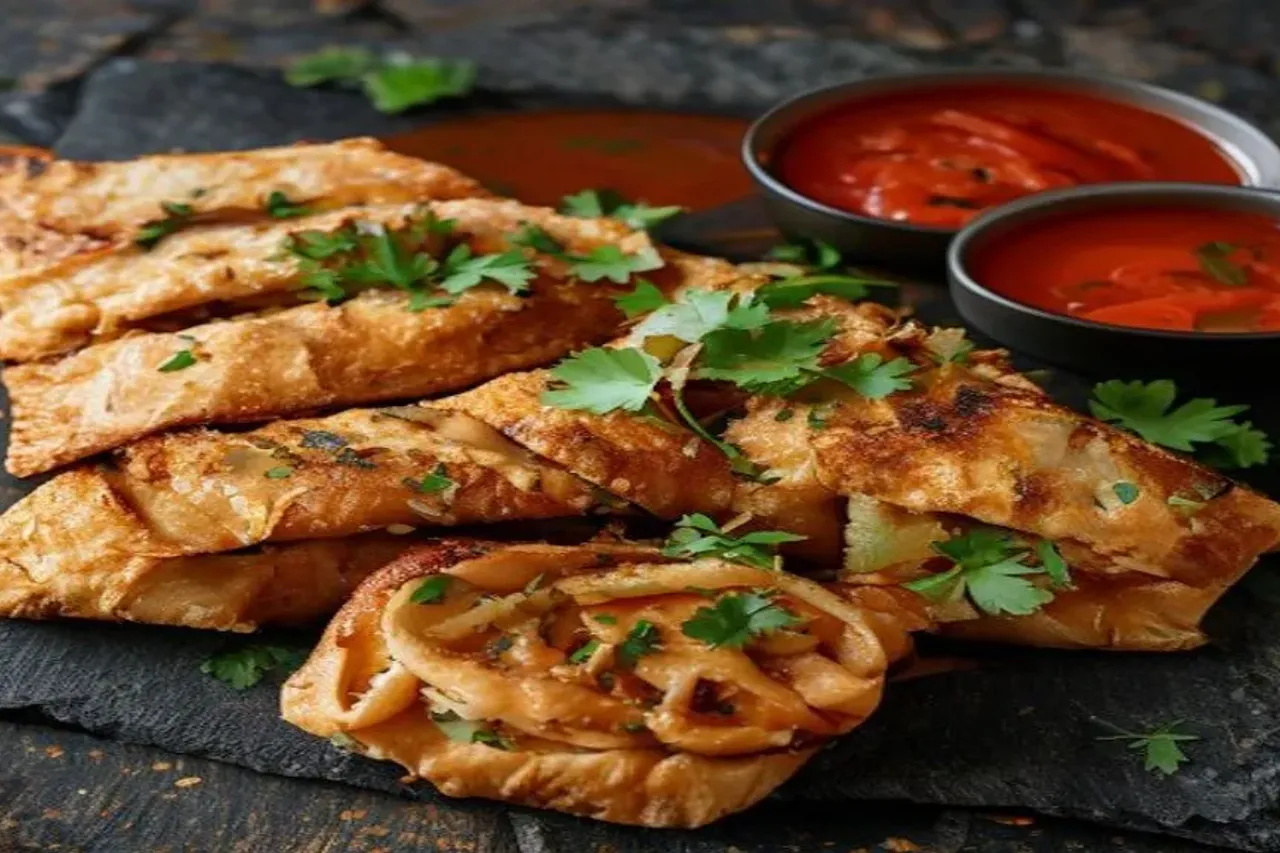
The Ultimate Maggi Bread Pocket Recipe
Royal Nutritional Ledger *
For those counting their gold coins and their calories.
The Royal Disclaimer: These figures are calculated by our finest AI court scholars based on standard ingredient values. They are highly educated estimates meant for guidance, not gospel. If you require absolute scientific precision for medical or dietary salvation, please consult a certified physician rather than our kitchen AI!
Did You Know?
Historical Tidbit
Maggi noodles were first invented in Switzerland in the late 19th century by Julius Maggi to provide quick, nutritious meals for factory workers.
First time here? Click the button above to automatically send all these ingredients to your highest-paying local grocery delivery app.
⚖️ The Modernizer
Missing extinct ingredients? Swap for accessible modern alternatives.
The Golden Rule
"Never overcrowd your frying kadhai! Tossing too many pockets in at once drops the oil temperature instantly, turning your proud creation into an oily, soggy sponge. Fry in small batches, always respect the heat, and maintain your patience."
Ingredients
19 items required
Make Us Your Preferred Culinary Source
AI Emergency Hub
Hit a snag while prepping? Our elite AI tools are here to save your dish.
Missing an Ingredient?
Recipe Disaster?
Chef's Notes
Listen closely, culinary explorers! The secret to a phenomenal bread pocket lies entirely in the moisture control of your filling. If your Maggi is too watery, your bread will turn into a tragic, soggy disaster before it even touches the oil. Cook out every drop of excess broth!
Pro Tip
Want that restaurant-level crunch? Do not skip the rolling pin! Flattening the bread pushes out excess air pockets, preventing the bread from soaking up too much oil during frying. Also, ensure your panko breadcrumbs are fresh for maximum shatteringly crisp texture.
Kitchen Catastrophe Warning
Beware the dreaded 'Exploding Pocket'! This occurs when eager home cooks overstuff the bread or fail to seal the edges completely. The trapped steam expands inside, blowing open your pocket during frying and releasing molten Maggi directly into the hot oil, triggering a sputtering kitchen apocalypse.
The Jester's Corner
Royal Court Comedy
Our royal guards tried to inspect the Maggi noodles for poison, but they ate the entire batch instead and declared themselves on strike.
The Culinary Science
When bread comes into contact with hot oil, the moisture within the starch immediately vaporizes and tries to escape as steam. The panko crust acts as a porous shield, trapping the steam while the oil rapidly dehydrates the outer layer, creating that magnificent golden crispiness through the Maillard reaction!
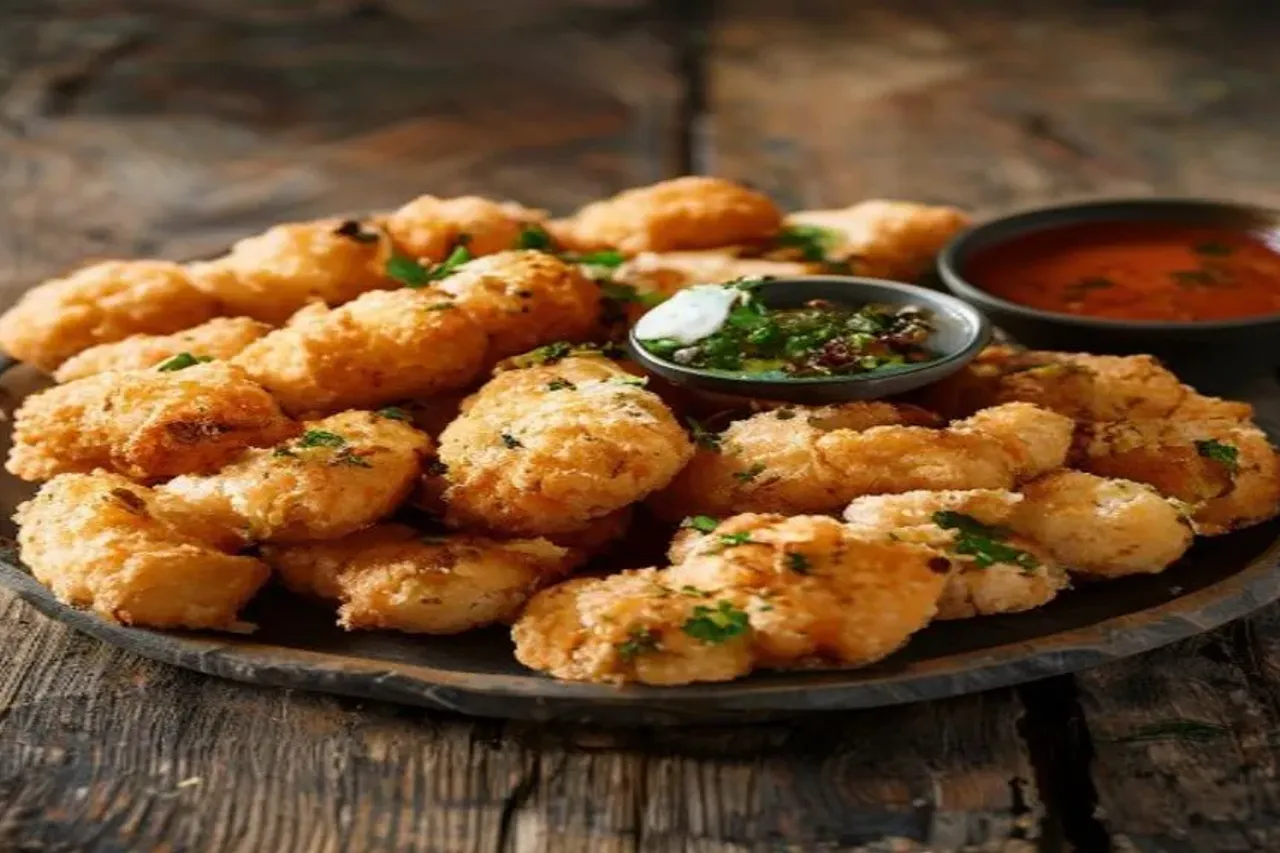
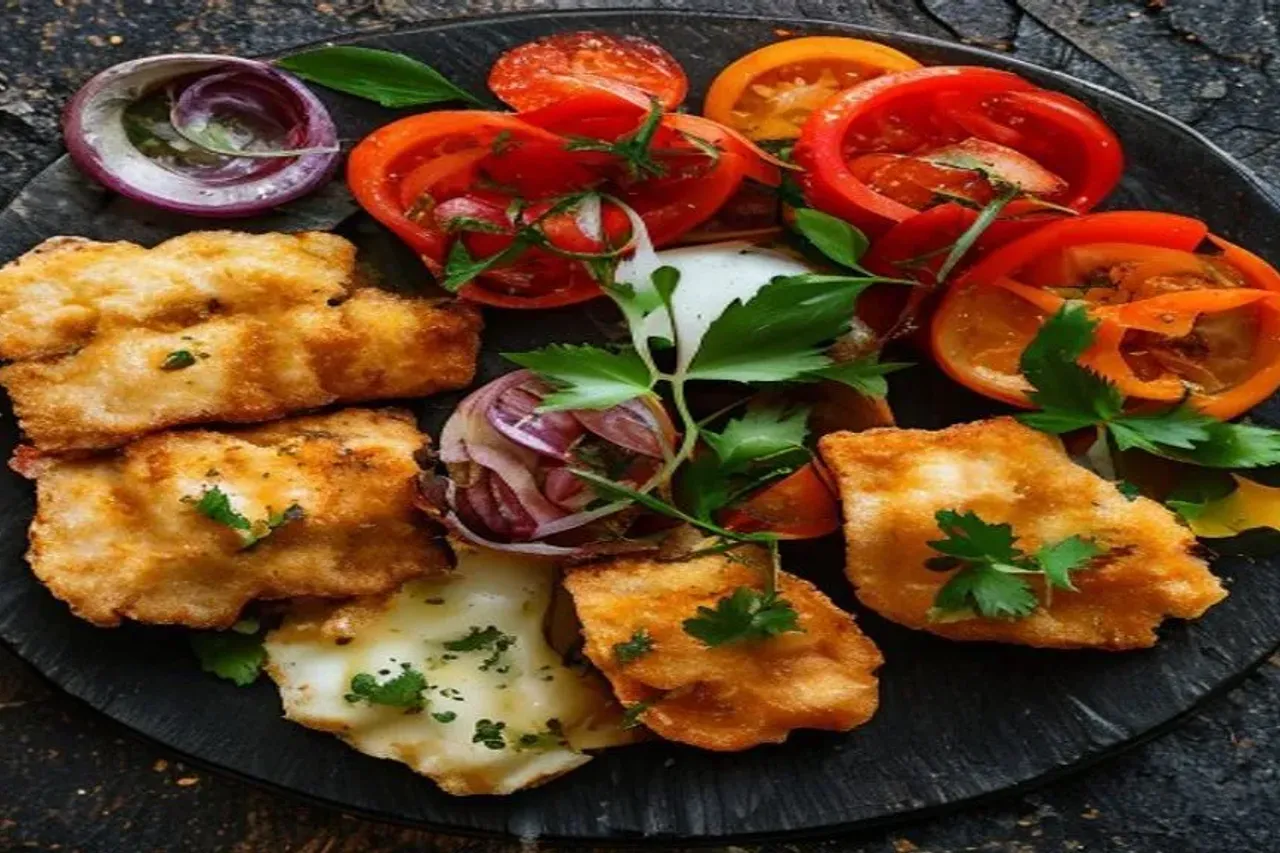
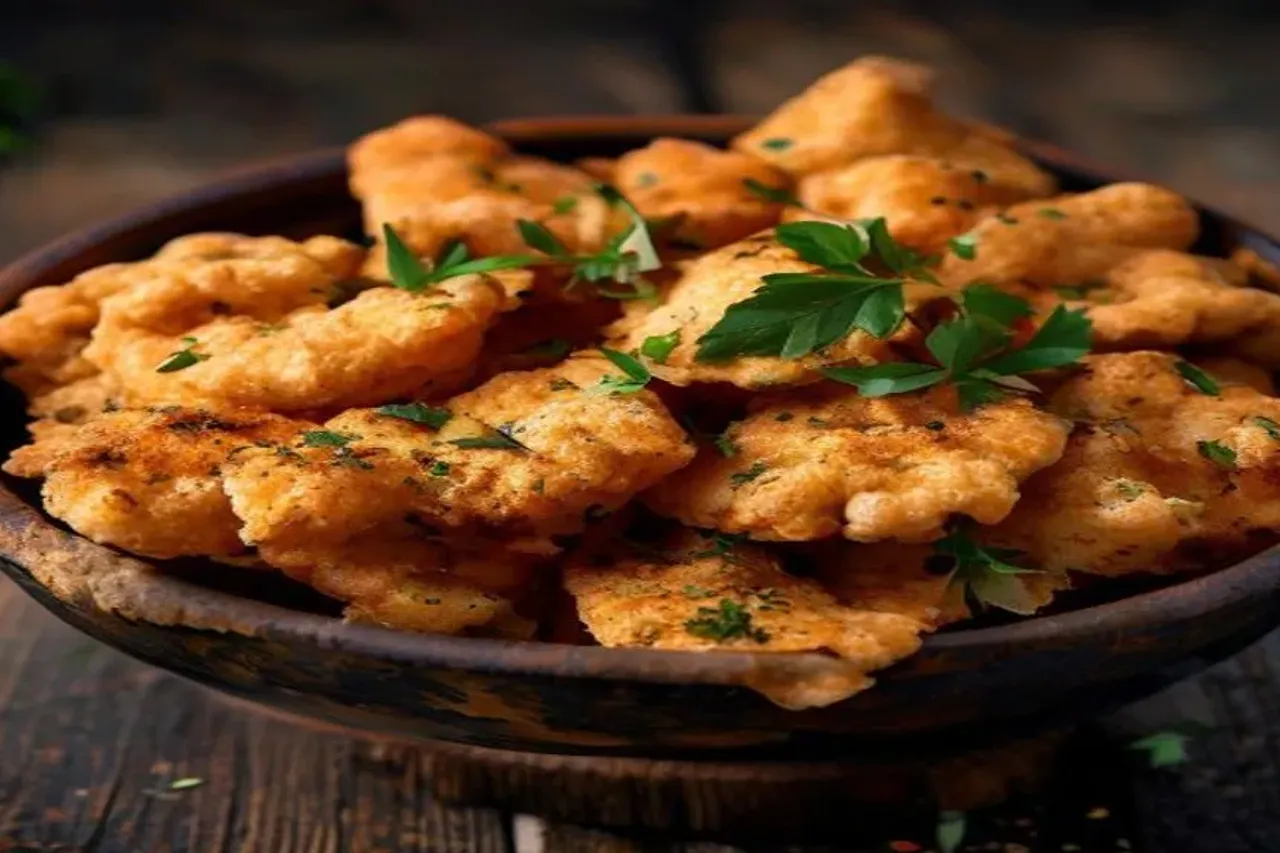
🏺 Explore More Royal Feasts
Lift the lid on these timeless delicacies

Make Us Your Preferred Culinary Source
Prioritize Ages & Spices in your Google Discover, Top Stories, and AI search feed with one tap.
🎭How does this recipe make you feel?
Tap a reaction to share your vibe
Starch Retrogradation Reversal
Storage Science
Store at room temperature in a breathable bread bag or paper wrapper for up to 2 days. DO NOT refrigerate, as the cold accelerates starch retrogradation (staling). For long-term storage, freeze tightly wrapped.
Reheating Science
To reverse staling, flick a few drops of water onto the crust and reheat in a 350°F (175°C) oven for 5-8 minutes. The steam will re-gelatinize the starches, making the crumb soft and the crust crisp.
Taster's Notes
Community Feedback
0 Comments
Be the first to leave a note on this recipe!