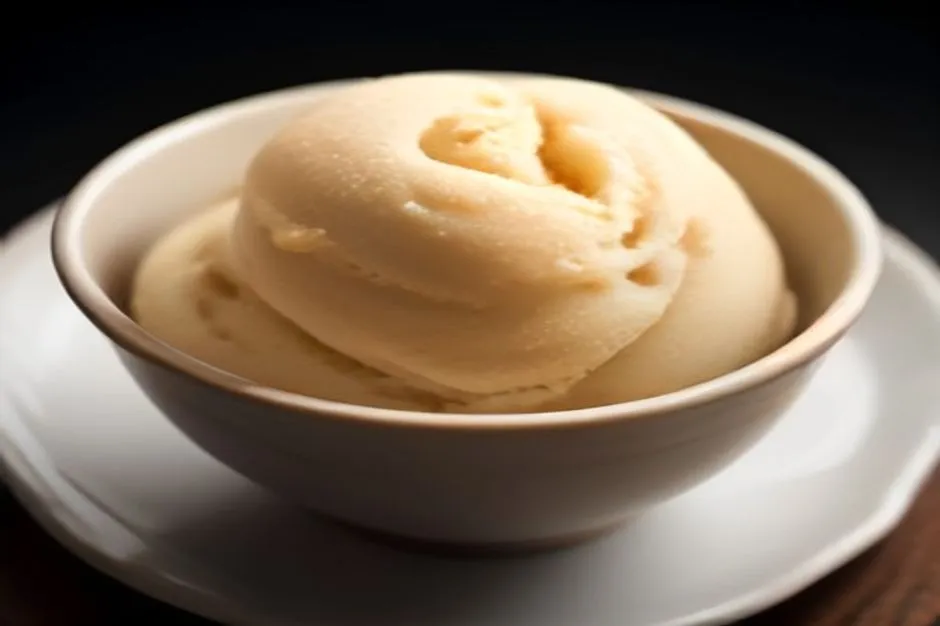
The Ultimate Matcha Green Tea Sorbet Recipe
Royal Nutritional Ledger *
For those counting their gold coins and their calories.
The Royal Disclaimer: These figures are calculated by our finest AI court scholars based on standard ingredient values. They are highly educated estimates meant for guidance, not gospel. If you require absolute scientific precision for medical or dietary salvation, please consult a certified physician rather than our kitchen AI!
Part of our Massive Bakery Expansion (Muffins, Breads, Artisan Ice Creams, Pastries) Master Index
Did You Know?
Historical Tidbit
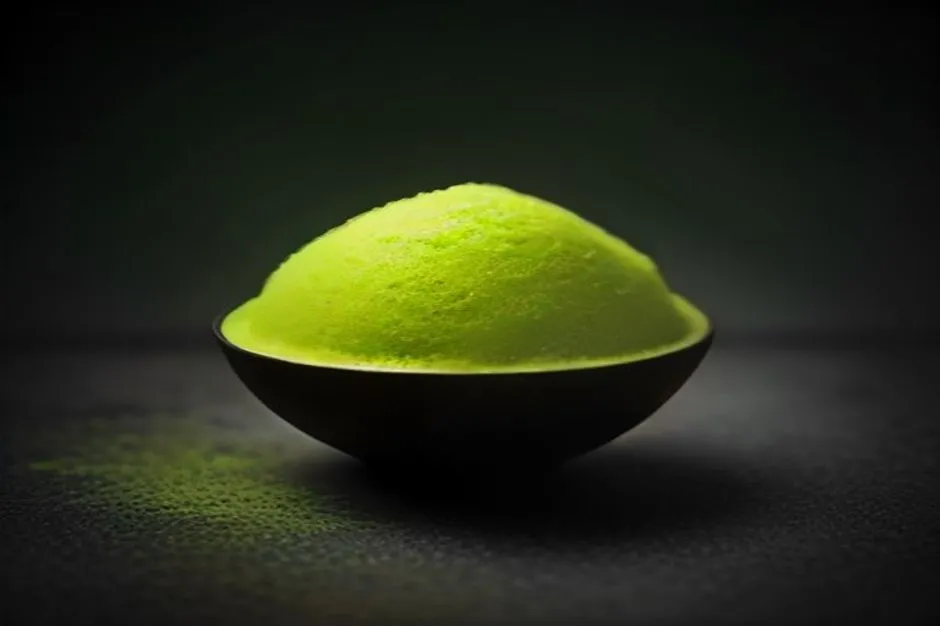
Matcha has been consumed in powdered form for nearly a thousand years, originally whipped up by Chinese monks using whisks before the Japanese tea masters perfected the ritual.
First time here? Click the button above to automatically send all these ingredients to your highest-paying local grocery delivery app.
⚖️ The Modernizer
Missing extinct ingredients? Swap for accessible modern alternatives.
The Golden Rule
"Never let your matcha syrup boil aggressively after the powder is added, or you will scorch the delicate tea notes and ruin the flavor profile."
Ingredients
5 items required
Make Us Your Preferred Culinary Source
AI Emergency Hub
Hit a snag while prepping? Our elite AI tools are here to save your dish.
Missing an Ingredient?
Recipe Disaster?
Chef's Notes
Do not cheap out on the matcha. If your powder looks dull and brownish-green, your sorbet will taste like sadness and old leaves.
Pro Tip
Sift your matcha powder through a fine-mesh strainer before adding it to the syrup to banish pesky lumps forever.
Kitchen Catastrophe Warning
Failing to dissolve the sugar completely before freezing will result in an icy, crunchy disaster that tastes like sweet gravel.
The Jester's Corner
Royal Court Comedy
Why did the matcha powder break up with the boiling water? It just couldn't handle being whisked off its feet.
The Culinary Science
The amino acid L-theanine in matcha promotes alert calmness by crossing the blood-brain barrier, ensuring you enjoy your dessert without the caffeine jitters.
Make Us Your Preferred Culinary Source
Prioritize Ages & Spices in your Google Discover, Top Stories, and AI search feed with one tap.
🎭How does this recipe make you feel?
Tap a reaction to share your vibe
Starch Retrogradation Reversal
Storage Science
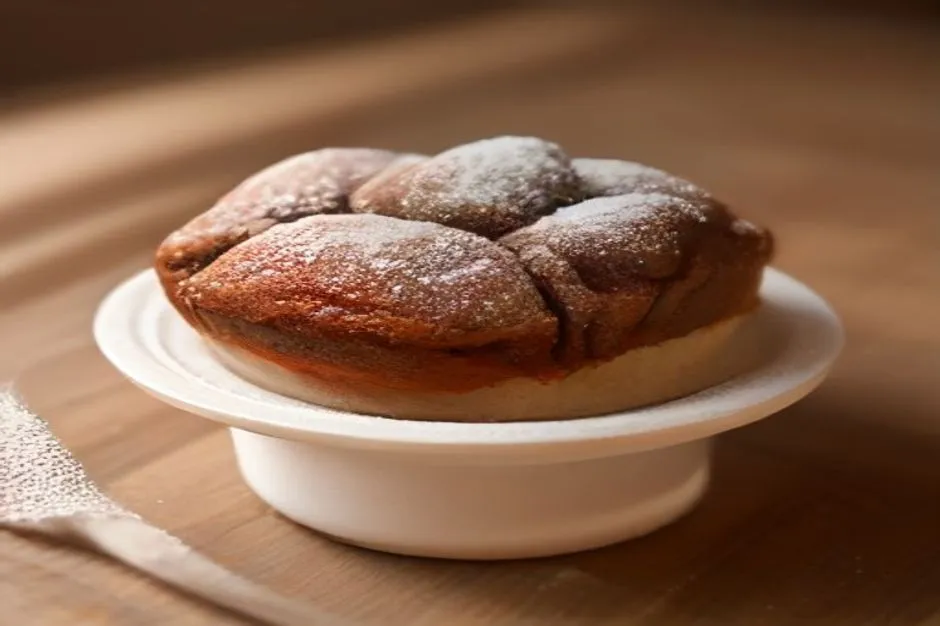
Store at room temperature in a breathable bread bag or paper wrapper for up to 2 days. DO NOT refrigerate, as the cold accelerates starch retrogradation (staling). For long-term storage, freeze tightly wrapped.
Reheating Science
To reverse staling, flick a few drops of water onto the crust and reheat in a 350°F (175°C) oven for 5-8 minutes. The steam will re-gelatinize the starches, making the crumb soft and the crust crisp.
Taster's Notes
Community Feedback
0 Comments
Be the first to leave a note on this recipe!