The Ultimate Mini Cheesecakes Recipe
Royal Nutritional Ledger *
For those counting their gold coins and their calories.
The Royal Disclaimer: These figures are calculated by our finest AI court scholars based on standard ingredient values. They are highly educated estimates meant for guidance, not gospel. If you require absolute scientific precision for medical or dietary salvation, please consult a certified physician rather than our kitchen AI!
Did You Know?
Historical Tidbit
Cheesecake finds its ancient roots in Greece, where it was served to athletes during the first Olympic Games in 776 BC.
First time here? Click the button above to automatically send all these ingredients to your highest-paying local grocery delivery app.
⚖️ The Modernizer
Missing extinct ingredients? Swap for accessible modern alternatives.
The Golden Rule
"Never rush the cooling and chilling process! The chemical bonds within the cream cheese, sour cream, and eggs need time in the refrigerator to fully set and firm up into structural perfection. Have patience, respect the chill, and your cheesecakes will reward you with perfection."
Ingredients
19 items required
Make Us Your Preferred Culinary Source
AI Emergency Hub
Hit a snag while prepping? Our elite AI tools are here to save your dish.
Missing an Ingredient?
Recipe Disaster?
Chef's Notes
Listen closely to the whispers of the kitchen! When working with cream cheese and eggs, letting them come to room temperature is not merely a suggestion from snobby culinary instructors; it is the fundamental law of emulsion. Cold ingredients will seize up, trap air, and crack your cheesecakes faster than a glass goblet dropped on a stone floor.
Pro Tip
If you wish to elevate your crumb crust from mundane to magnificent, make sure you pack that damp beach sand tightly into the bottom of the muffin liners using a flat-bottomed glass or tamper. A loose crust is a traitorous crust that will crumble apart the moment your guests take a bite!
Kitchen Catastrophe Warning
If you dare to use ice-cold cream cheese or whip your eggs into a frenzy of air bubbles, prepare to witness your mini cheesecakes morph into cratered moonscapes of sad, cracked despair before they even leave the oven!
The Jester's Corner
Royal Court Comedy
My butler says these are 'bite-sized', yet he somehow managed to lose an entire tray on the way to the table. Truly a mystery.
The Culinary Science
Baking cheesecakes at a lower temperature in the lower third of the oven prevents the outer proteins of the egg and cheese from over-coagulating before the center has a chance to set. This slow, gentle thermal transfer is the exact reason why proper cheesecakes achieve that legendary, velvety-smooth texture rather than a spongy, scrambled-egg bite.
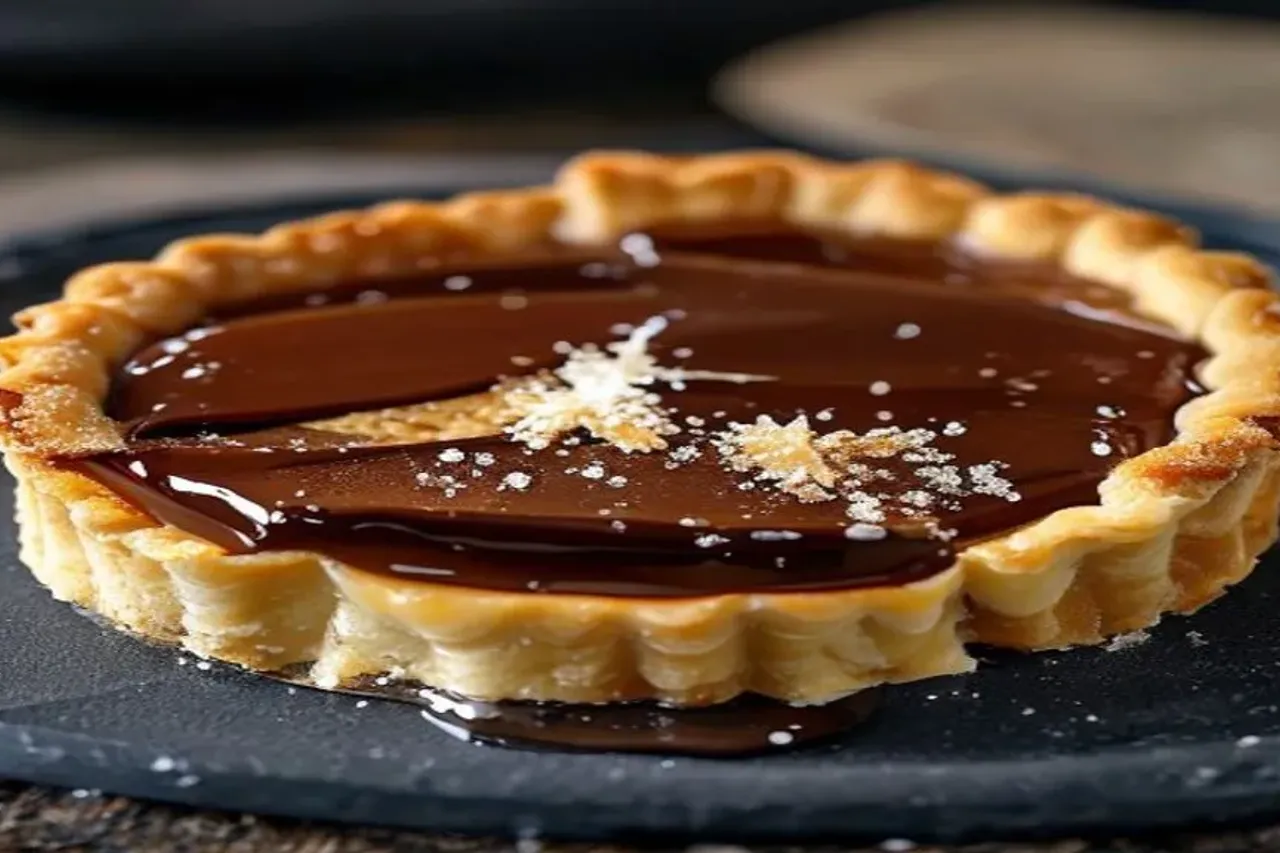
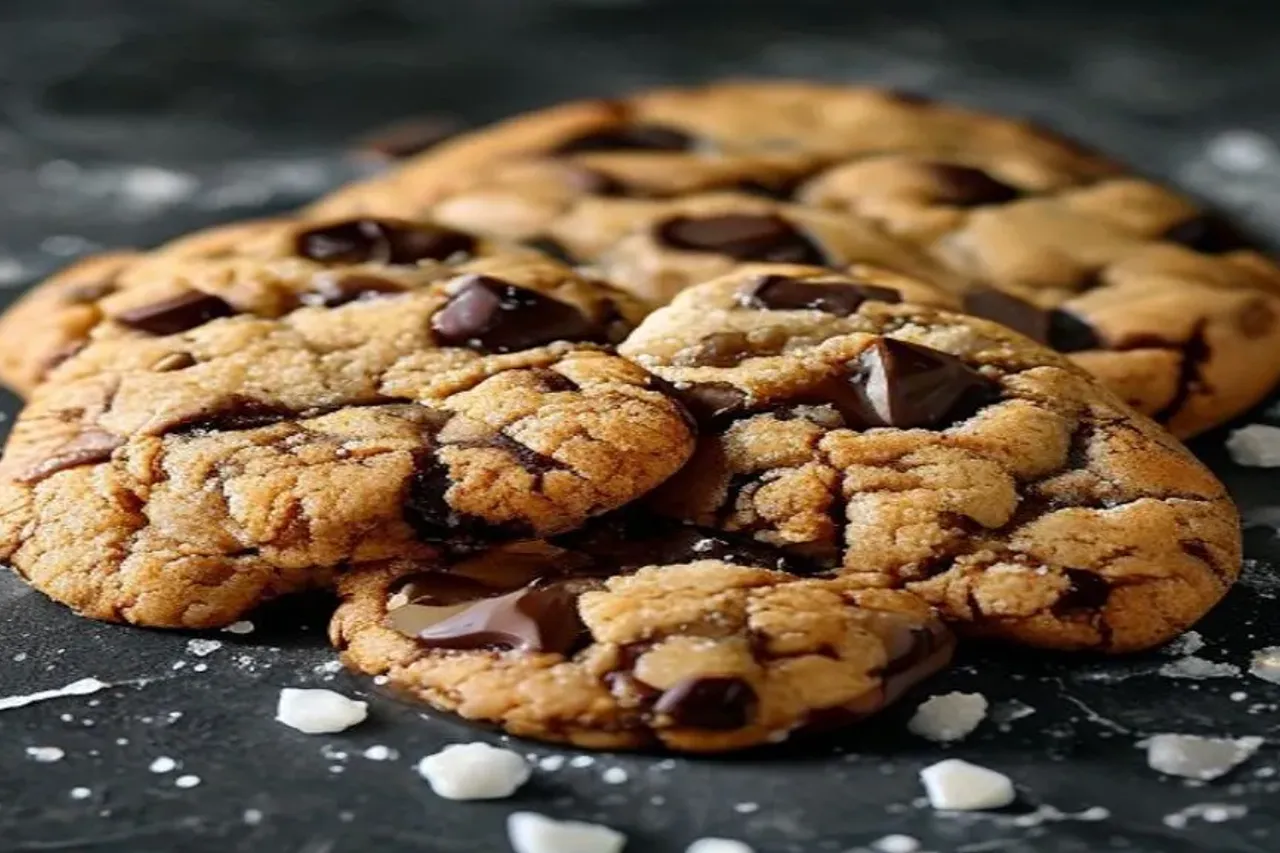
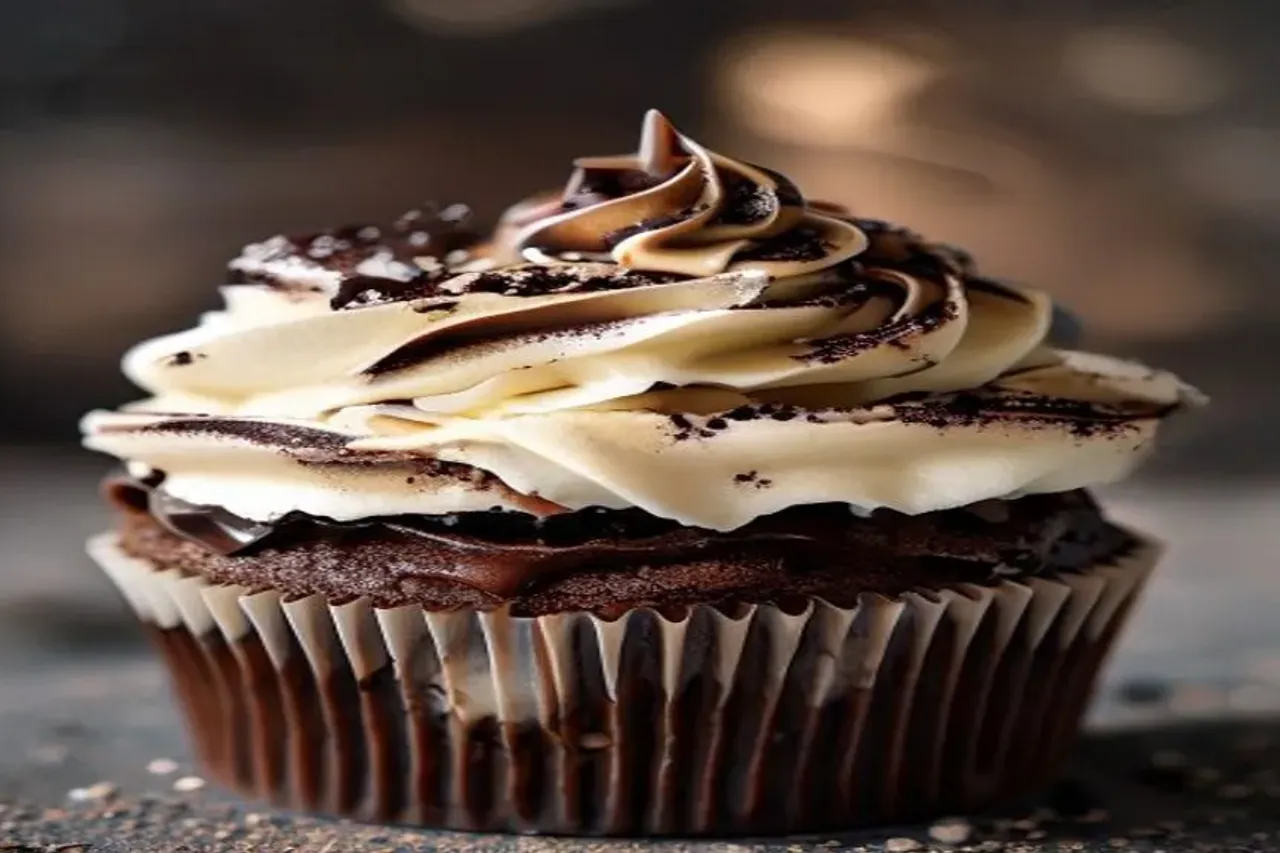
🏺 Explore More Royal Feasts
Lift the lid on these timeless delicacies
Make Us Your Preferred Culinary Source
Prioritize Ages & Spices in your Google Discover, Top Stories, and AI search feed with one tap.
🎭How does this recipe make you feel?
Tap a reaction to share your vibe
General Food Safety & Storage
Storage Science
Cool rapidly. Store in an airtight container in the refrigerator (below 4°C / 40°F). Consume within 3-4 days.
Reheating Science
Reheat to an internal temperature of 165°F (74°C). Use the stove or oven for best texture, stirring or turning occasionally to ensure even heating.
Taster's Notes
Community Feedback
0 Comments
Be the first to leave a note on this recipe!