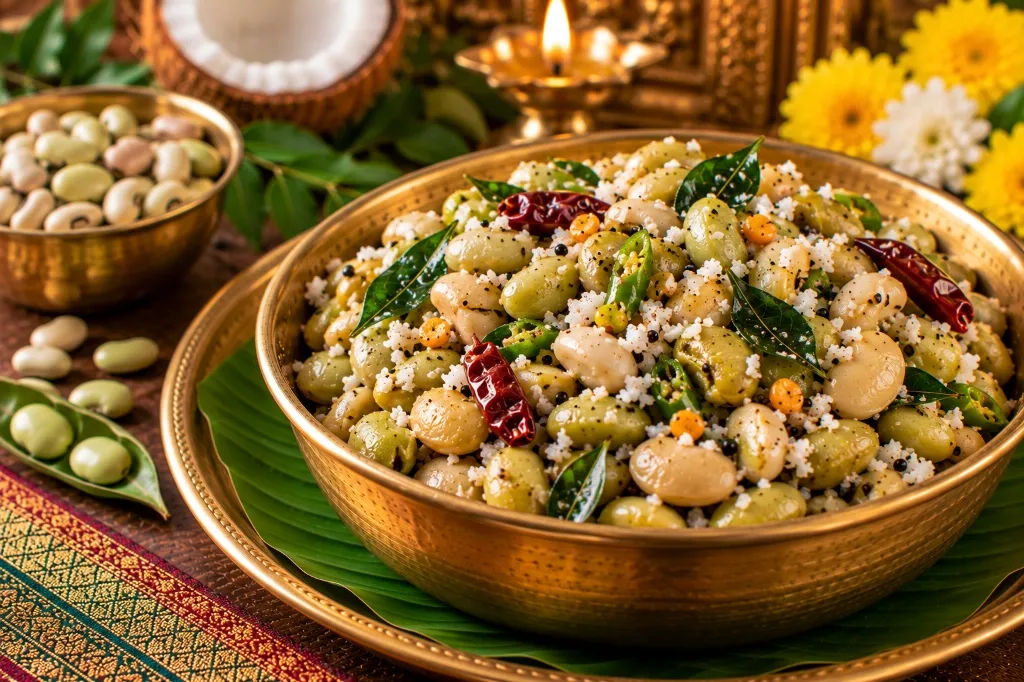
The Ultimate Mochai Sundal Recipe
Royal Nutritional Ledger *
For those counting their gold coins and their calories.
The Royal Disclaimer: These figures are calculated by our finest AI court scholars based on standard ingredient values. They are highly educated estimates meant for guidance, not gospel. If you require absolute scientific precision for medical or dietary salvation, please consult a certified physician rather than our kitchen AI!
Did You Know?
Historical Tidbit
Mochai, known globally as the hyacinth bean (Lablab purpureus), is an ancient heirloom legume cultivated across South Asia since the second millennium BCE.
First time here? Click the button above to automatically send all these ingredients to your highest-paying local grocery delivery app.
⚖️ The Modernizer
Missing extinct ingredients? Swap for accessible modern alternatives.
The Golden Rule
"Never expose freshly grated coconut to active direct heat. Fold it in strictly after switching off the stove; lingering pan heat is all you need to warm the coconut while preserving its tender, sweet milkiness."
Ingredients
17 items required
The Mochai Base:
The Coconut-Oil Tempering:
The Fresh Finish:
Make Us Your Preferred Culinary Source
AI Emergency Hub
Hit a snag while prepping? Our elite AI tools are here to save your dish.
Missing an Ingredient?
Recipe Disaster?
Chef's Notes
Dried mochai possesses a uniquely firm, chestnut-like bite and an earthy sweetness. Always aim for a texture where the bean is yielding and creamy at the center without collapsing into mash. The use of pure coconut oil is essential—it bridges the earthy profile of the bean to the delicate finish of fresh coconut.
Pro Tip
Always reserve a splash of the starchy cooking broth! Legumes continue absorbing moisture even after draining. A couple of tablespoons of the reserved broth swirled in during the pan-toss will keep your sundal luscious and glistening without turning it greasy.
Kitchen Catastrophe Warning
Failing to turn down the heat before adding urad dal will turn the delicate lentils into blackened, acrid carbon before the mustard seeds even finish popping, irrevocably tainting the delicate aroma of the sundal.
The Jester's Corner
Royal Court Comedy
Sundal is undeniable proof that South Indian cooks can convert any rock-hard dried seed into a sacred festive offering simply by menacing it with black mustard seeds and coconut.
The Culinary Science
Soaking beans for 8–12 hours initiates passive enzymatic hydration that leaches out water-soluble alpha-galactosides (complex oligosaccharides responsible for digestive gas). Subsequent pressure cooking reaches temperatures above 115°C, thoroughly gelatinizing dense amylose starches for effortless digestion.
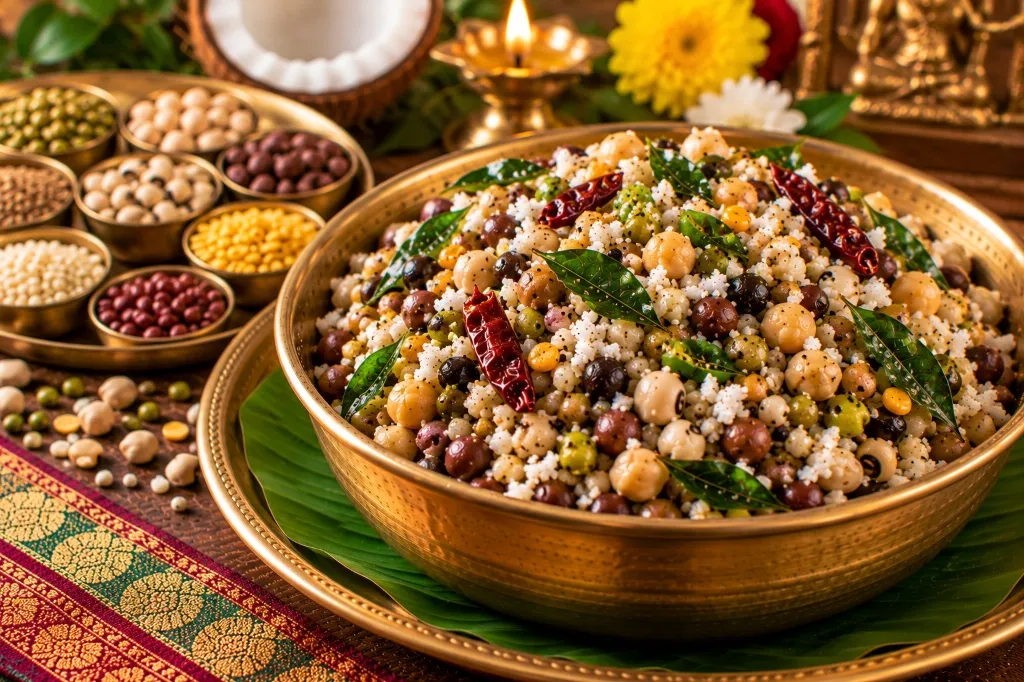
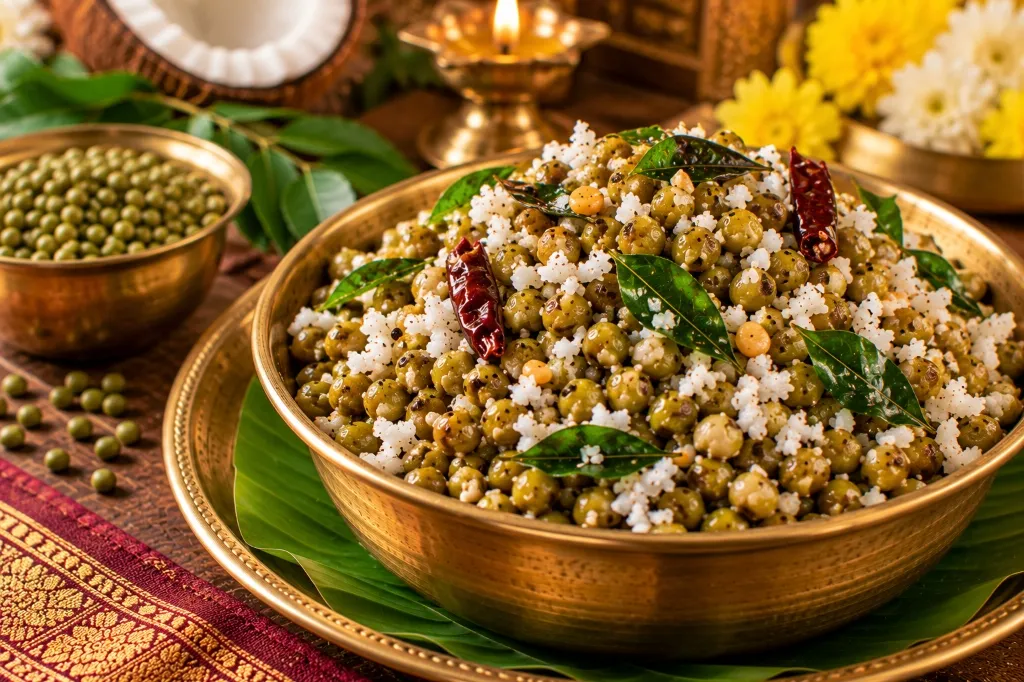
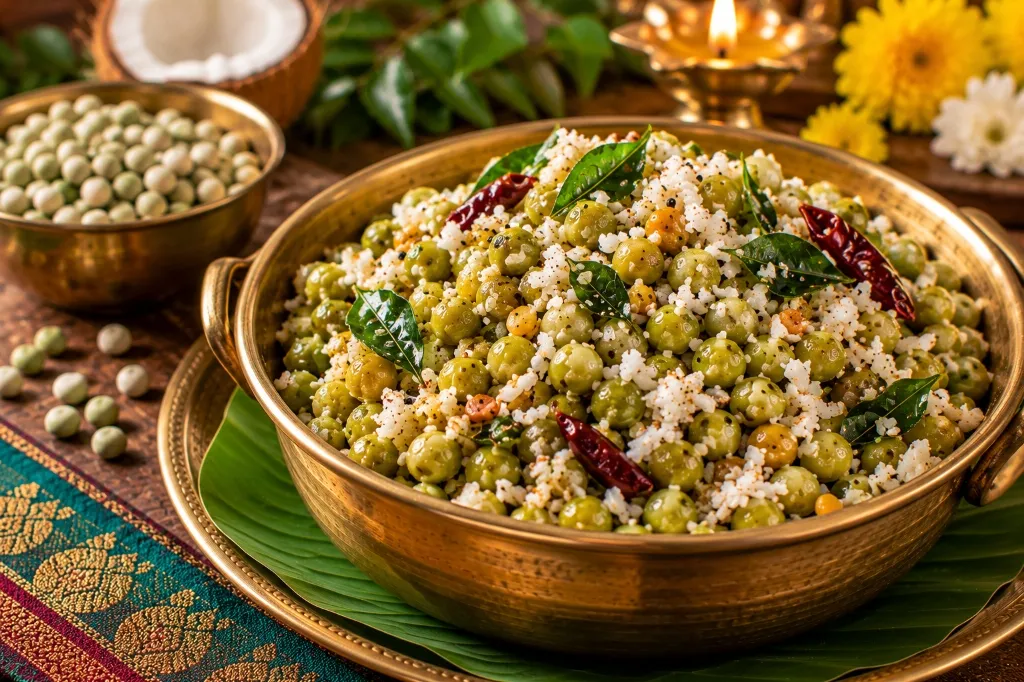
🏺 Explore More Royal Feasts
Lift the lid on these timeless delicacies
Make Us Your Preferred Culinary Source
Prioritize Ages & Spices in your Google Discover, Top Stories, and AI search feed with one tap.
🎭How does this recipe make you feel?
Tap a reaction to share your vibe
General Food Safety & Storage
Storage Science
Cool rapidly. Store in an airtight container in the refrigerator (below 4°C / 40°F). Consume within 3-4 days.
Reheating Science
Reheat to an internal temperature of 165°F (74°C). Use the stove or oven for best texture, stirring or turning occasionally to ensure even heating.
Taster's Notes
Community Feedback
0 Comments
Be the first to leave a note on this recipe!