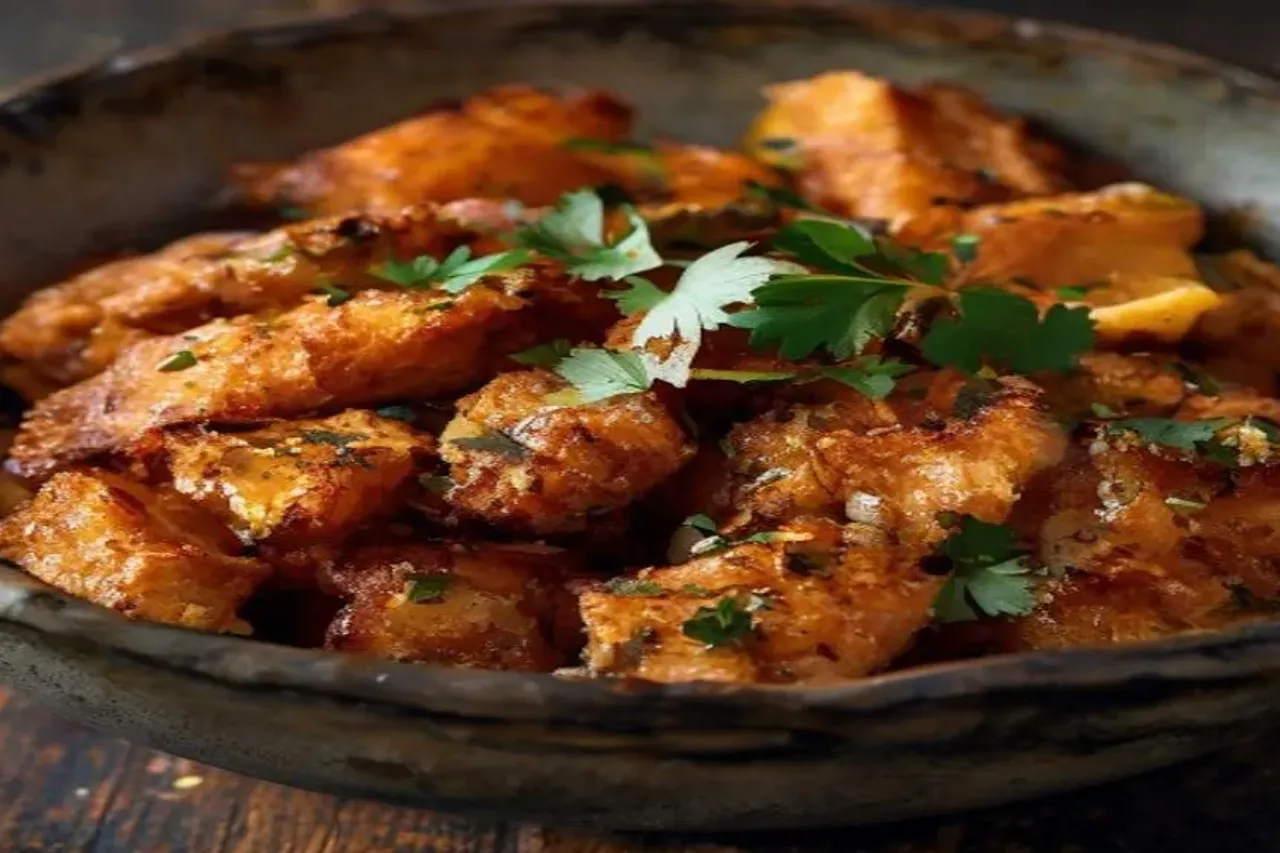
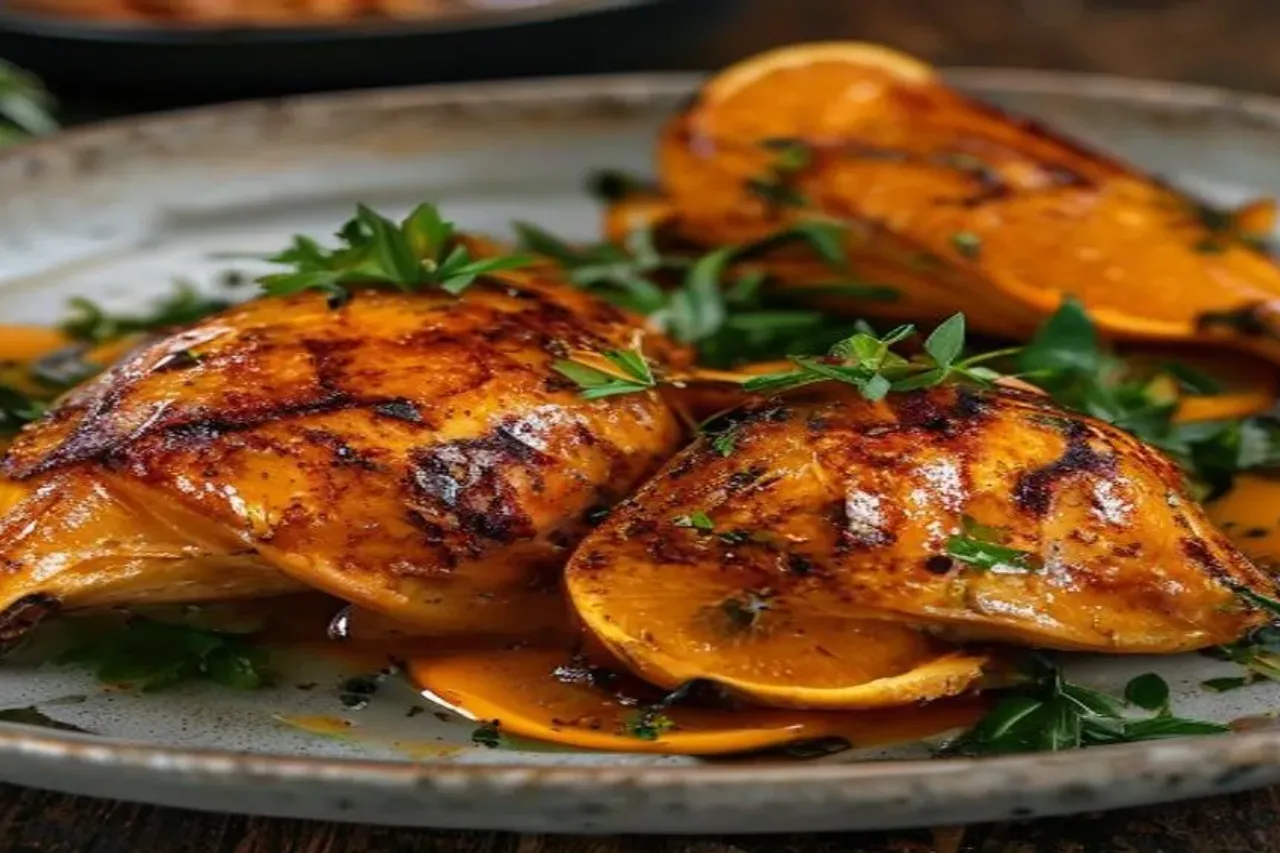
The Ultimate Orange and Milk-Braised Pork Carnitas Recipe
Royal Nutritional Ledger *
For those counting their gold coins and their calories.
The Royal Disclaimer: These figures are calculated by our finest AI court scholars based on standard ingredient values. They are highly educated estimates meant for guidance, not gospel. If you require absolute scientific precision for medical or dietary salvation, please consult a certified physician rather than our kitchen AI!
Did You Know?
Historical Tidbit
The tradition of braising meat in milk is a historical technique used to tenderize tough cuts while the sugars in the milk caramelize for a rich, brown crust.
First time here? Click the button above to automatically send all these ingredients to your highest-paying local grocery delivery app.
⚖️ The Modernizer
Missing extinct ingredients? Swap for accessible modern alternatives.
The Golden Rule
"Never rush the simmer! If you crank the heat too high during the braising stage, the milk will curdle aggressively and scorch the bottom of your pot, turning your royal banquet into a scorched disaster. Treat the simmer with patience and respect."
Ingredients
10 items required
Make Us Your Preferred Culinary Source
AI Emergency Hub
Hit a snag while prepping? Our elite AI tools are here to save your dish.
Missing an Ingredient?
Recipe Disaster?
Chef's Notes
Listen carefully, because mastering this dish separates the true culinary nobility from the mere kitchen squires. Braising pork in whole milk and citrus might sound like kitchen witchcraft, but the dairy solids gently caramelize while the acid tenderizes the meat into absolute velvet. Never skip the final broil; that contrast between tender interior and crispy crust is where the magic lives.
Pro Tip
Want to elevate your game even further? Pull the pork apart slightly with two forks before broiling it so you get maximum surface area exposed to the heat, creating triple the amount of crispy edges. Also, strain the leftover braising liquid and reduce it down into a rich dipping sauce—do not let a single drop of that liquid gold go to waste!
Kitchen Catastrophe Warning
Beware the infamous Dairy Doom! A terrified home cook sees the milk curdling slightly during the braise and panics, dumping out the liquid thinking it has spoiled. That curdling is entirely normal science at work—those little white bits are flavor-packed milk solids that will eventually render down into liquid gold. Toss out the braising liquid prematurely, and you will end up with dry, sad pork fit only for the castle hounds.
The Jester's Corner
Royal Court Comedy
I asked the chef why we are boiling pork in a dairy bath, and he told me it's because the pig wanted to be a latte when it grew up.
The Culinary Science
Let us indulge in a brief moment of kitchen science! Milk contains proteins and sugars that undergo the Maillard reaction and caramelization simultaneously during the braising and broiling process. Meanwhile, the lactic acid in the milk and the citric acid in the orange juice gently break down tough collagen in the pork shoulder, transforming a traditionally tough cut of meat into melt-in-your-mouth perfection.
Make Us Your Preferred Culinary Source
Prioritize Ages & Spices in your Google Discover, Top Stories, and AI search feed with one tap.
🎭How does this recipe make you feel?
Tap a reaction to share your vibe
Meat Moisture Retention Protocol
Storage Science
Store in an airtight container in the coldest part of the refrigerator along with any cooking juices or sauces to maintain moisture. Consume within 3-4 days.
Reheating Science
Reheat gently in the oven at 300°F (150°C) or on the stovetop over low heat. Add a splash of broth or water and cover tightly to steam. This prevents the proteins from constricting and squeezing out their juices.
Taster's Notes
Community Feedback
0 Comments
Be the first to leave a note on this recipe!