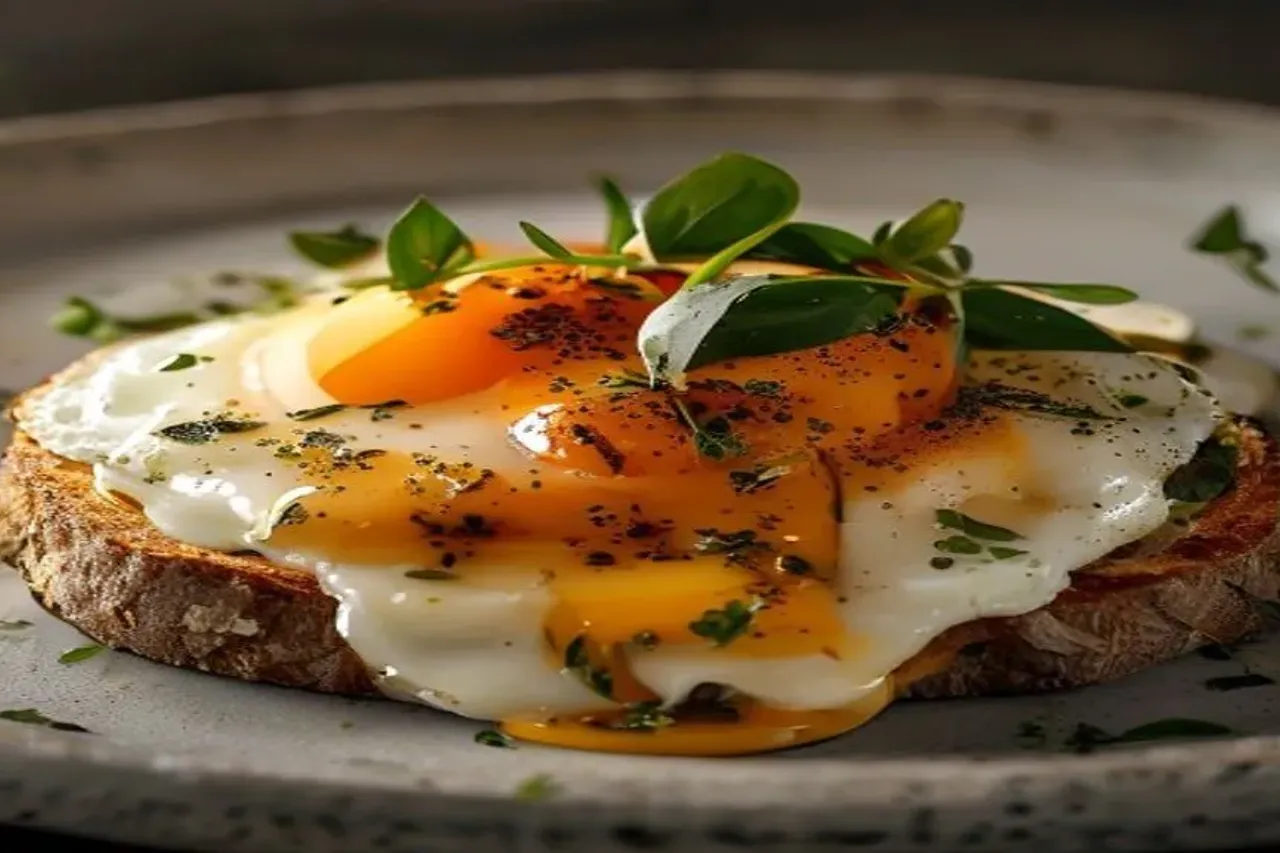
The Ultimate Poached Eggs Recipe
Royal Nutritional Ledger *
For those counting their gold coins and their calories.
The Royal Disclaimer: These figures are calculated by our finest AI court scholars based on standard ingredient values. They are highly educated estimates meant for guidance, not gospel. If you require absolute scientific precision for medical or dietary salvation, please consult a certified physician rather than our kitchen AI!
Did You Know?
Historical Tidbit
The tradition of poaching eggs is an ancient culinary technique that ensures the yolk remains velvety while the white acts as a protective, tender vessel.
First time here? Click the button above to automatically send all these ingredients to your highest-paying local grocery delivery app.
⚖️ The Modernizer
Missing extinct ingredients? Swap for accessible modern alternatives.
The Golden Rule
"Never let the water reach a rolling boil once the eggs have been introduced, for aggressive bubbles are the sworn enemy of delicate poachings and will shatter your masterpiece into a tragic breakfast scramble!"
Ingredients
2 items required
Make Us Your Preferred Culinary Source
AI Emergency Hub
Hit a snag while prepping? Our elite AI tools are here to save your dish.
Missing an Ingredient?
Recipe Disaster?
Chef's Notes
Listen to the wisdom of the kitchen, my friends! Using fridge cold eggs is an absolute non-negotiable commandment here, as the cold temperature keeps the egg whites tightly bound together while they plunge into the gentle waters.
Pro Tip
Do not skip the vinegar step if you choose to use it, as it acts as a magical catalyst that fast-tracks the coagulation of the whites, wrapping your precious yolk in a flawless, velvety coat of culinary art.
Kitchen Catastrophe Warning
If you dare to skip the sacred straining ritual of letting the watery whites drain, your pot will instantly erupt into a chaotic, cloudy blizzard of wispy egg shrapnel that looks more like a ghostly crime scene than a royal breakfast.
The Jester's Corner
Royal Court Comedy
The Jester wonders why we spend so much time spinning water just to make an egg look like a sad, soggy ghost.
The Culinary Science
Let us indulge our brilliant minds in the wonders of food science! The outer, watery white of an egg has a higher pH and looser proteins, which is precisely why straining it saves you from the dreaded wispy cloud of egg white chaos in your pot.
Make Us Your Preferred Culinary Source
Prioritize Ages & Spices in your Google Discover, Top Stories, and AI search feed with one tap.
🎭How does this recipe make you feel?
Tap a reaction to share your vibe
General Food Safety & Storage
Storage Science
Cool rapidly. Store in an airtight container in the refrigerator (below 4°C / 40°F). Consume within 3-4 days.
Reheating Science
Reheat to an internal temperature of 165°F (74°C). Use the stove or oven for best texture, stirring or turning occasionally to ensure even heating.

Taster's Notes
Community Feedback
0 Comments
Be the first to leave a note on this recipe!