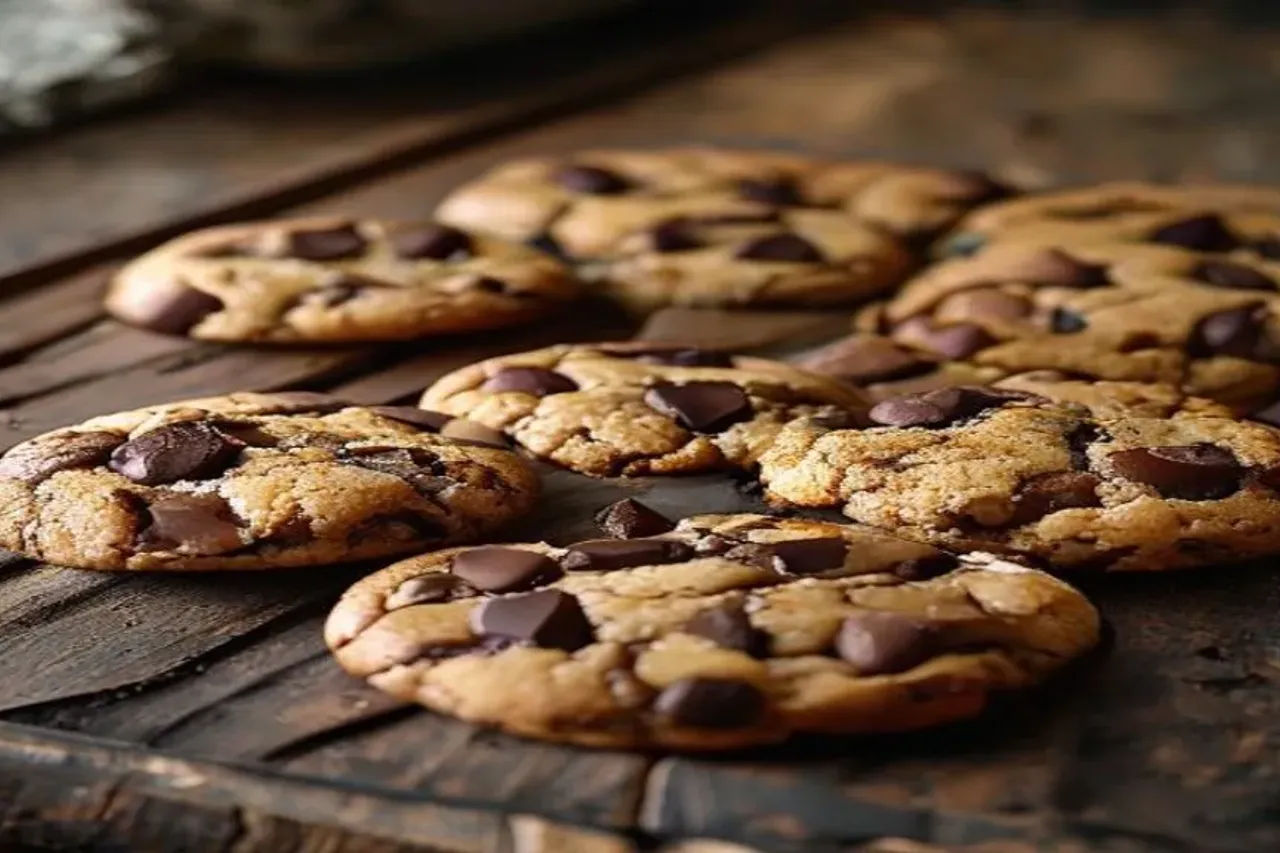
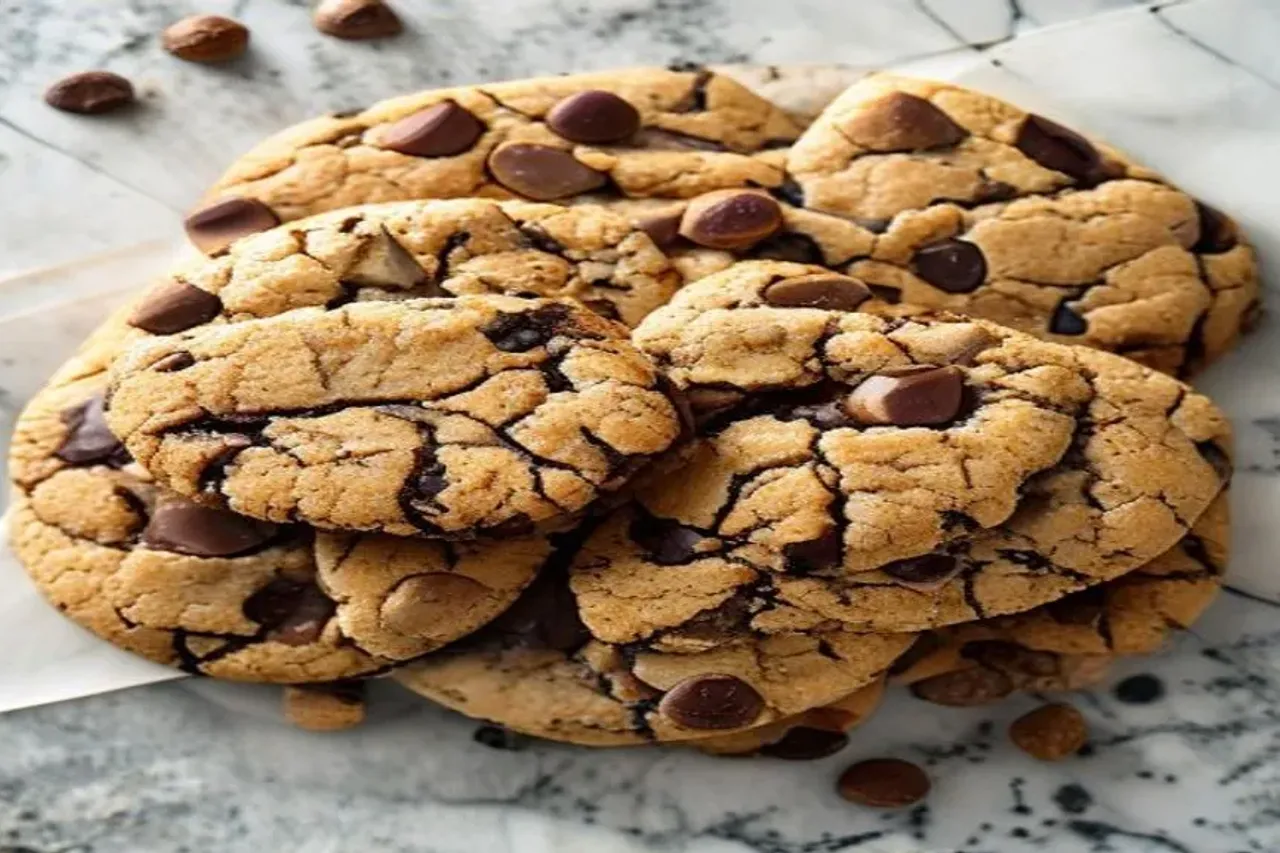
The Ultimate Retro Chocolate Chip Cookies Recipe
Royal Nutritional Ledger *
For those counting their gold coins and their calories.
The Royal Disclaimer: These figures are calculated by our finest AI court scholars based on standard ingredient values. They are highly educated estimates meant for guidance, not gospel. If you require absolute scientific precision for medical or dietary salvation, please consult a certified physician rather than our kitchen AI!
Did You Know?
Historical Tidbit
Chocolate chip cookies were accidentally invented in 1930 by Ruth Wakefield when she added chopped chocolate chunks to her cookie dough, expecting them to melt.
First time here? Click the button above to automatically send all these ingredients to your highest-paying local grocery delivery app.
⚖️ The Modernizer
Missing extinct ingredients? Swap for accessible modern alternatives.
The Golden Rule
"Never substitute melted butter for softened butter unless you enjoy flat, greasy pancakes masquerading as gourmet cookies."
Ingredients
11 items required
Make Us Your Preferred Culinary Source
AI Emergency Hub
Hit a snag while prepping? Our elite AI tools are here to save your dish.
Missing an Ingredient?
Recipe Disaster?
Chef's Notes
Do not rush the creaming process! Beating the butter and sugars incorporates microscopic air pockets that dictate the final lift of your cookies. Treat this stage with the gravity of a coronation ceremony.
Pro Tip
Chill your scooped dough balls in the refrigerator for just thirty minutes before baking to drastically reduce excessive spreading and concentrate the rich, buttery butterscotch notes.
Kitchen Catastrophe Warning
Failing to let the butter soften properly leads to chunky butter pockets that melt instantly in the oven, creating an oily puddle of sadness while your cookies burn to a crisp.
The Jester's Corner
Royal Court Comedy
Why did the cookie go to the royal psychologist? Because it felt crumbly under pressure and lacked a solid support system.
The Culinary Science
Brown sugar contains molasses, which is acidic. When it reacts with the baking soda, it generates carbon dioxide bubbles that lift the cookie while simultaneously trapping moisture for that supreme chewiness.
Make Us Your Preferred Culinary Source
Prioritize Ages & Spices in your Google Discover, Top Stories, and AI search feed with one tap.
🎭How does this recipe make you feel?
Tap a reaction to share your vibe
Pastry & Confectionery Stabilization
Storage Science
Cakes and soft desserts should be wrapped tightly to prevent moisture loss and stored at room temperature (if no perishable fillings) or refrigerated. Consume within 3 days.
Reheating Science
Serve at room temperature for optimal flavor perception, as cold mutes sweetness. If it's a baked pastry, flash-heat in a 350°F (175°C) oven for 3-5 minutes to restore the butter matrix and crispness.
Taster's Notes
Community Feedback
0 Comments
Be the first to leave a note on this recipe!