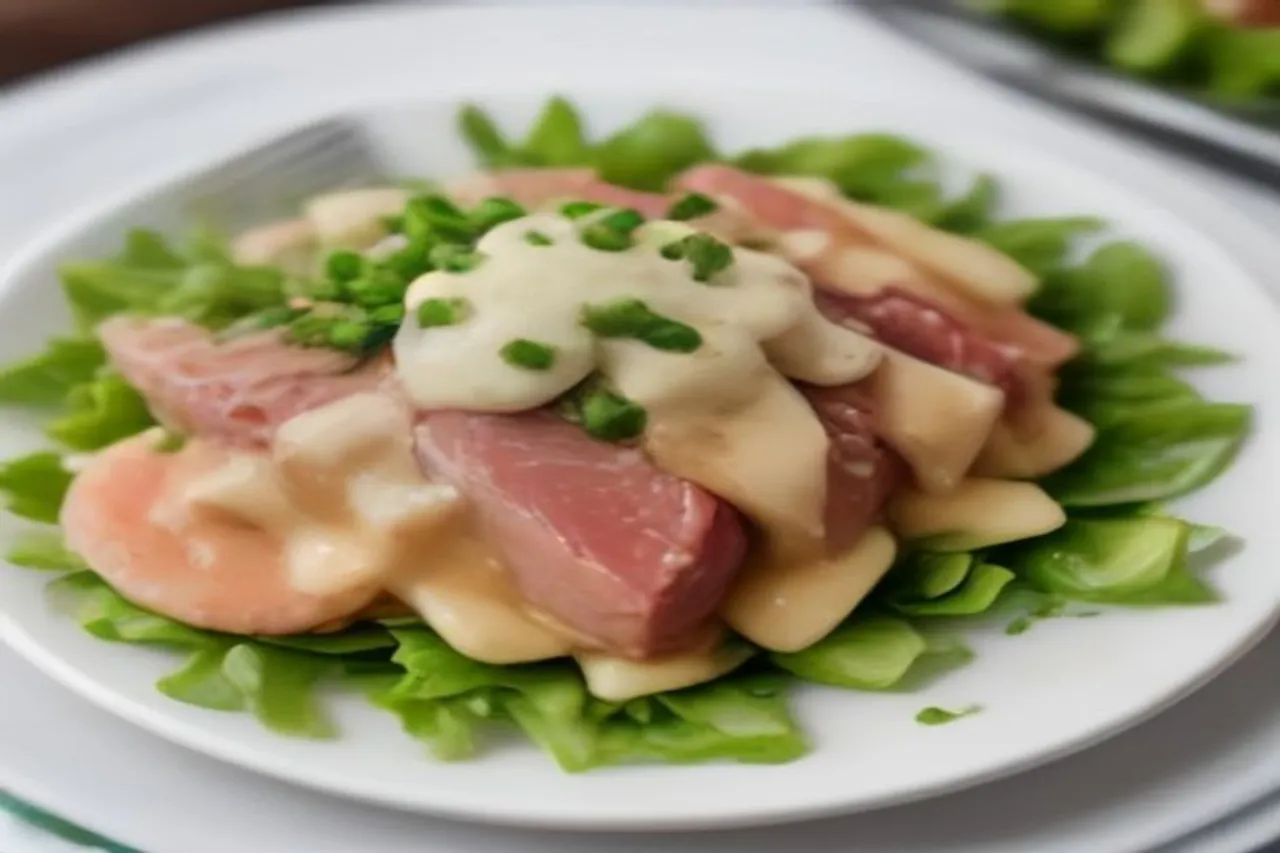
The Ultimate Roast Beef Carpaccio Recipe
Royal Nutritional Ledger *
For those counting their gold coins and their calories.
The Royal Disclaimer: These figures are calculated by our finest AI court scholars based on standard ingredient values. They are highly educated estimates meant for guidance, not gospel. If you require absolute scientific precision for medical or dietary salvation, please consult a certified physician rather than our kitchen AI!
Did You Know?
Historical Tidbit
Carpaccio was invented in Venice in 1950 by Giuseppe Cipriani at Harry's Bar, specifically created for a countess who could only eat raw meat on medical advice.
First time here? Click the button above to automatically send all these ingredients to your highest-paying local grocery delivery app.
⚖️ The Modernizer
Missing extinct ingredients? Swap for accessible modern alternatives.
The Golden Rule
"Never compromise on the internal temperature of 36°C. If you overcook this rib eye, you are making a Sunday roast, not a carpaccio!"
Ingredients
15 items required
Make Us Your Preferred Culinary Source
AI Emergency Hub
Hit a snag while prepping? Our elite AI tools are here to save your dish.
Missing an Ingredient?
Recipe Disaster?
Chef's Notes
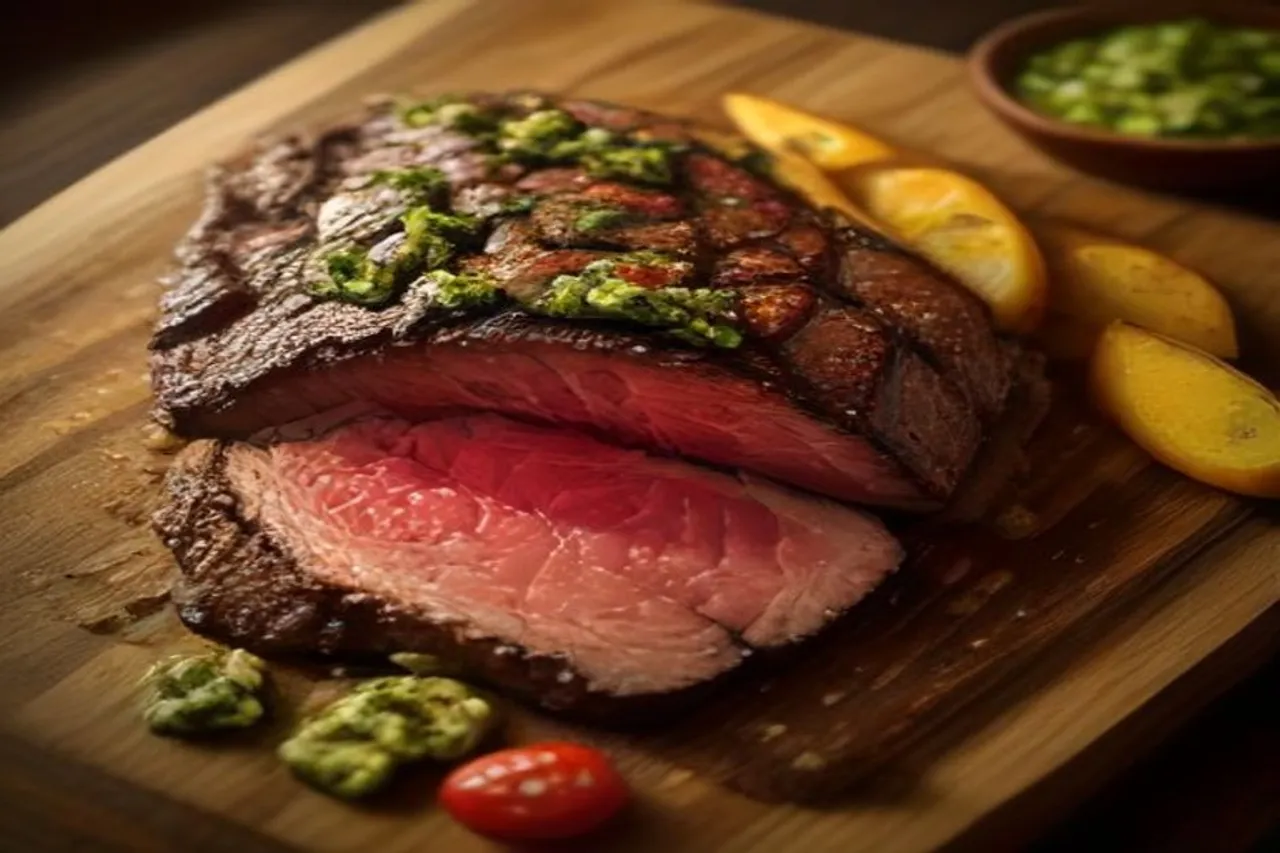
Carpaccio is all about temperature and precision. Slicing the beef while it is ice-cold straight from the fridge is the only way to get those translucent, melt-in-the-mouth ribbons without tearing the meat to shreds.
Pro Tip
Pop your serving plates into the freezer for 10 minutes before plating. Keeping everything freezing cold ensures the luxurious crème fraîche emulsion doesn't melt and break on contact.
Kitchen Catastrophe Warning
Attempting to slice the beef while it is still warm from the oven, resulting in grey, crumbly lumps of meat that slide helplessly across the plate like a sad culinary landslide.
The Jester's Corner
Royal Court Comedy
Our royal jester tried to slice his beef carpaccio so thin he accidentally opened a portal to an alternate dimension where vegetables rule the earth.
The Culinary Science
Chilling cooked beef solidifies the internal fats and muscle fibers, allowing a sharp blade to glide smoothly through the cells rather than squishing the protein into sad, ragged chunks.
Make Us Your Preferred Culinary Source
Prioritize Ages & Spices in your Google Discover, Top Stories, and AI search feed with one tap.
🎭How does this recipe make you feel?
Tap a reaction to share your vibe
Meat Moisture Retention Protocol
Storage Science
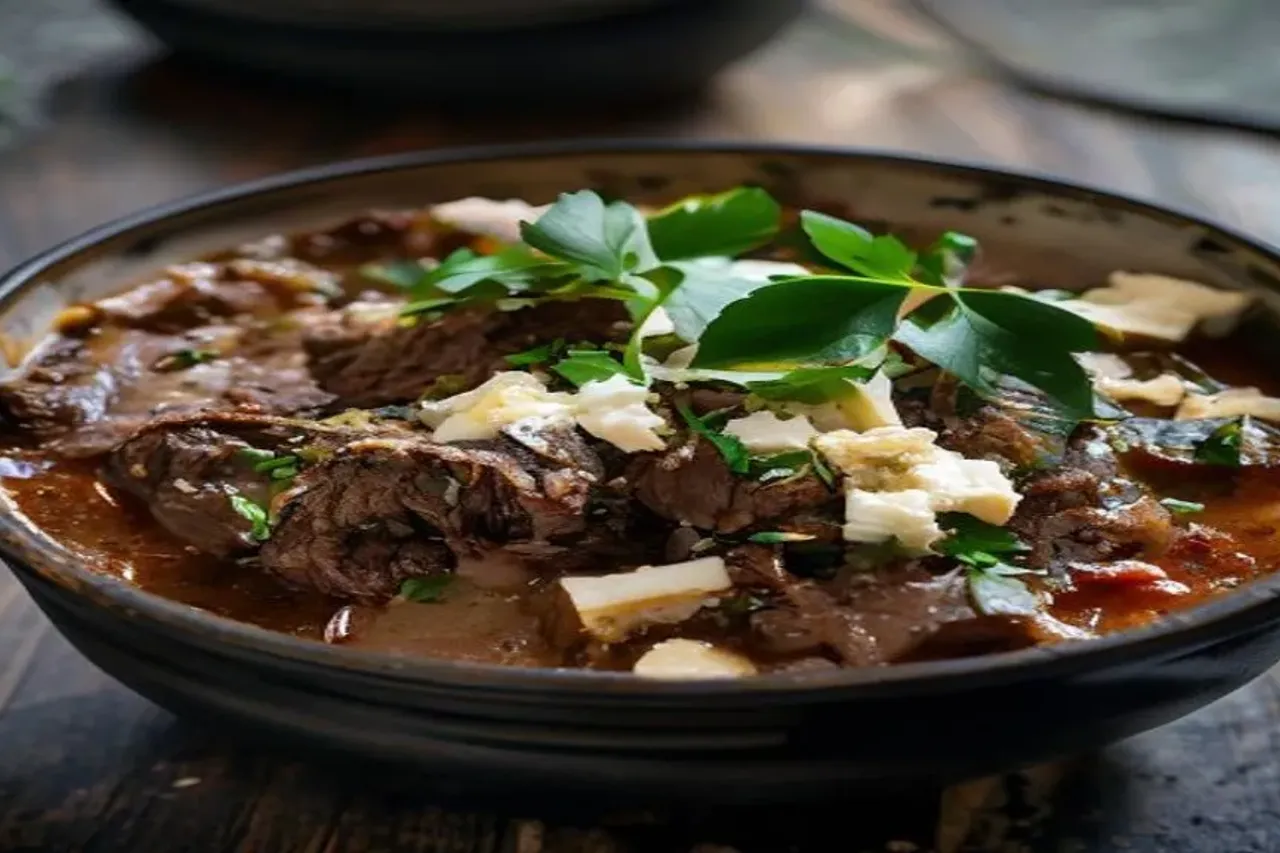
Store in an airtight container in the coldest part of the refrigerator along with any cooking juices or sauces to maintain moisture. Consume within 3-4 days.
Reheating Science
Reheat gently in the oven at 300°F (150°C) or on the stovetop over low heat. Add a splash of broth or water and cover tightly to steam. This prevents the proteins from constricting and squeezing out their juices.
Taster's Notes
Community Feedback
0 Comments
Be the first to leave a note on this recipe!