The Ultimate Roast Beef Tenderloin Recipe
Royal Nutritional Ledger *
For those counting their gold coins and their calories.
The Royal Disclaimer: These figures are calculated by our finest AI court scholars based on standard ingredient values. They are highly educated estimates meant for guidance, not gospel. If you require absolute scientific precision for medical or dietary salvation, please consult a certified physician rather than our kitchen AI!
Did You Know?
Historical Tidbit
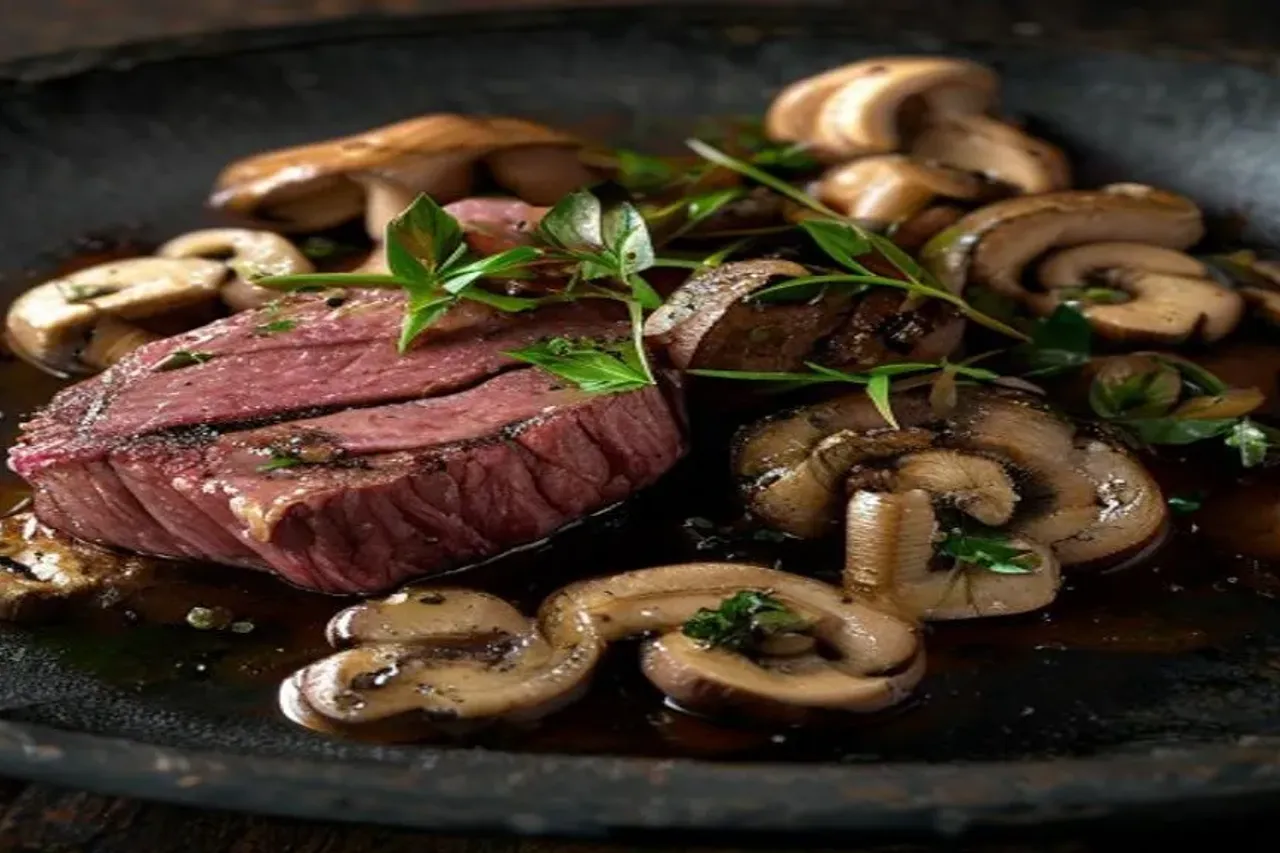
Beef tenderloin is technically the Psoas major muscle, which does very little work during a cow's life, resulting in the most buttery texture imaginable.
First time here? Click the button above to automatically send all these ingredients to your highest-paying local grocery delivery app.
⚖️ The Modernizer
Missing extinct ingredients? Swap for accessible modern alternatives.
The Golden Rule
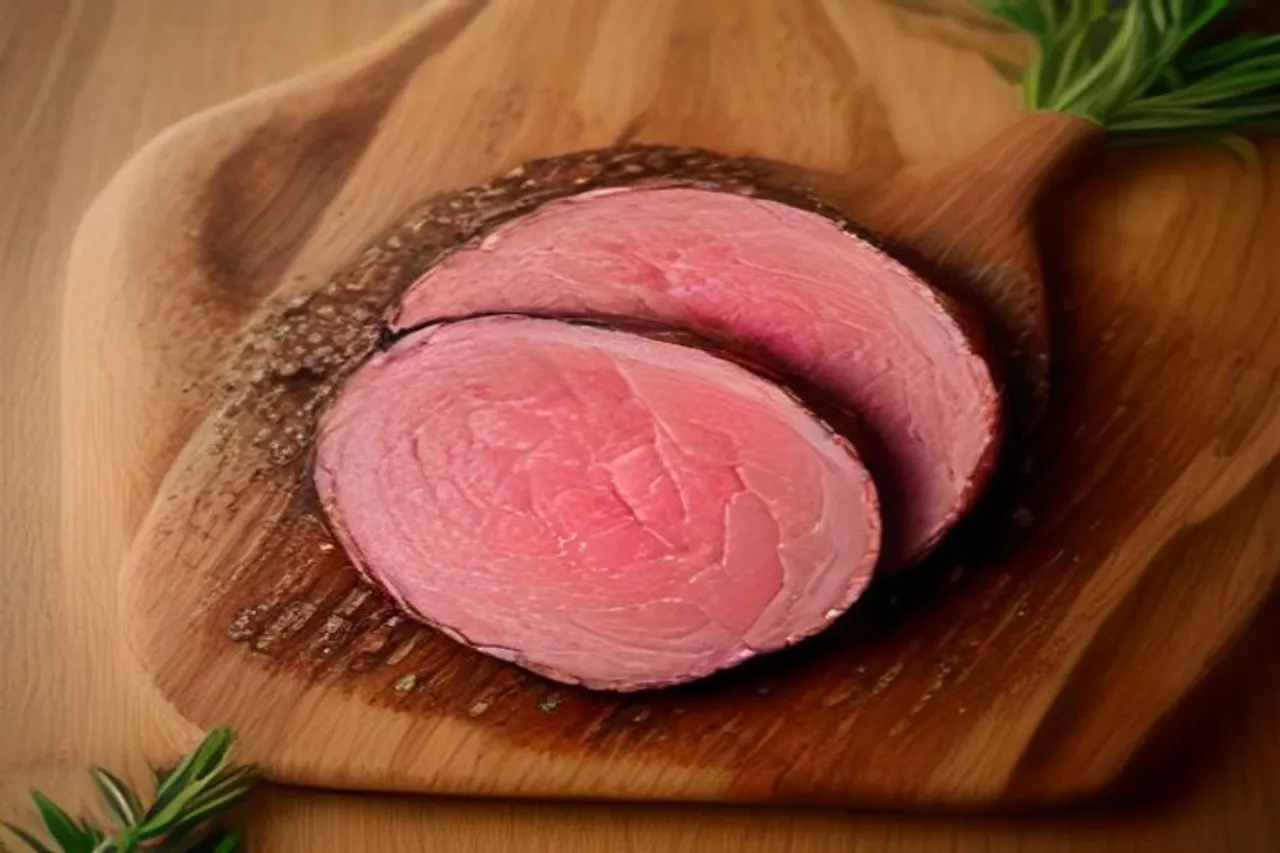
"Never cut into a roast straight out of the oven. Letting it rest allows the muscle fibers to relax and reabsorb their moisture, ensuring every bite is tender and juicy."
Ingredients
10 items required
Make Us Your Preferred Culinary Source
AI Emergency Hub
Hit a snag while prepping? Our elite AI tools are here to save your dish.
Missing an Ingredient?
Recipe Disaster?
Chef's Notes
Beef tenderloin is an expensive cut of meat with very little fat, which means it dries out faster than a bad comedy routine. Do not skip the resting phase, or all your lovely juices will spill out onto the cutting board instead of staying inside the meat!
Pro Tip
If you want an even deeper herbal flavor, crush your herbs slightly between your fingers before tossing them into the mushrooms to release their essential oils.
Kitchen Catastrophe Warning
Dropping the entire raw tenderloin onto the kitchen floor because you tried to carry it like a football instead of using a proper cutting board. Clean floors or not, the dog will be happier than the guests!
The Jester's Corner
Royal Court Comedy
Oh, how marvelous! A recipe that suggests we should measure salt with our hearts, as if our hearts have ever been capable of resisting a salty, delicious catastrophe.
The Culinary Science
Searing meat does not actually "lock in juices" as old folklore claims. Instead, the Maillard reaction creates hundreds of new flavor compounds when amino acids and reducing sugars react to high heat, giving you that savory, irresistible crust.
Make Us Your Preferred Culinary Source
Prioritize Ages & Spices in your Google Discover, Top Stories, and AI search feed with one tap.
🎭How does this recipe make you feel?
Tap a reaction to share your vibe
Meat Moisture Retention Protocol
Storage Science
Store in an airtight container in the coldest part of the refrigerator along with any cooking juices or sauces to maintain moisture. Consume within 3-4 days.
Reheating Science
Reheat gently in the oven at 300°F (150°C) or on the stovetop over low heat. Add a splash of broth or water and cover tightly to steam. This prevents the proteins from constricting and squeezing out their juices.
Taster's Notes
Community Feedback
0 Comments
Be the first to leave a note on this recipe!