The Ultimate Roast Spatchcock Turkey Recipe
Royal Nutritional Ledger *
For those counting their gold coins and their calories.
The Royal Disclaimer: These figures are calculated by our finest AI court scholars based on standard ingredient values. They are highly educated estimates meant for guidance, not gospel. If you require absolute scientific precision for medical or dietary salvation, please consult a certified physician rather than our kitchen AI!
Did You Know?
Historical Tidbit
Spatchcocking, or butterflying, a bird actually stems from an old 18th-century term that literally means to cut the bird open to roast it quickly.
First time here? Click the button above to automatically send all these ingredients to your highest-paying local grocery delivery app.
⚖️ The Modernizer
Missing extinct ingredients? Swap for accessible modern alternatives.
The Golden Rule
"Never, under any circumstances, skip the resting period at the end of the cooking process. If you slice into that magnificent turkey the second it exits the oven, the muscle fibers will be too tense to hold their juices, and your cutting board will commit a tragic crime against moisture."
Ingredients
7 items required
Make Us Your Preferred Culinary Source
AI Emergency Hub
Hit a snag while prepping? Our elite AI tools are here to save your dish.
Missing an Ingredient?
Recipe Disaster?
Chef's Notes
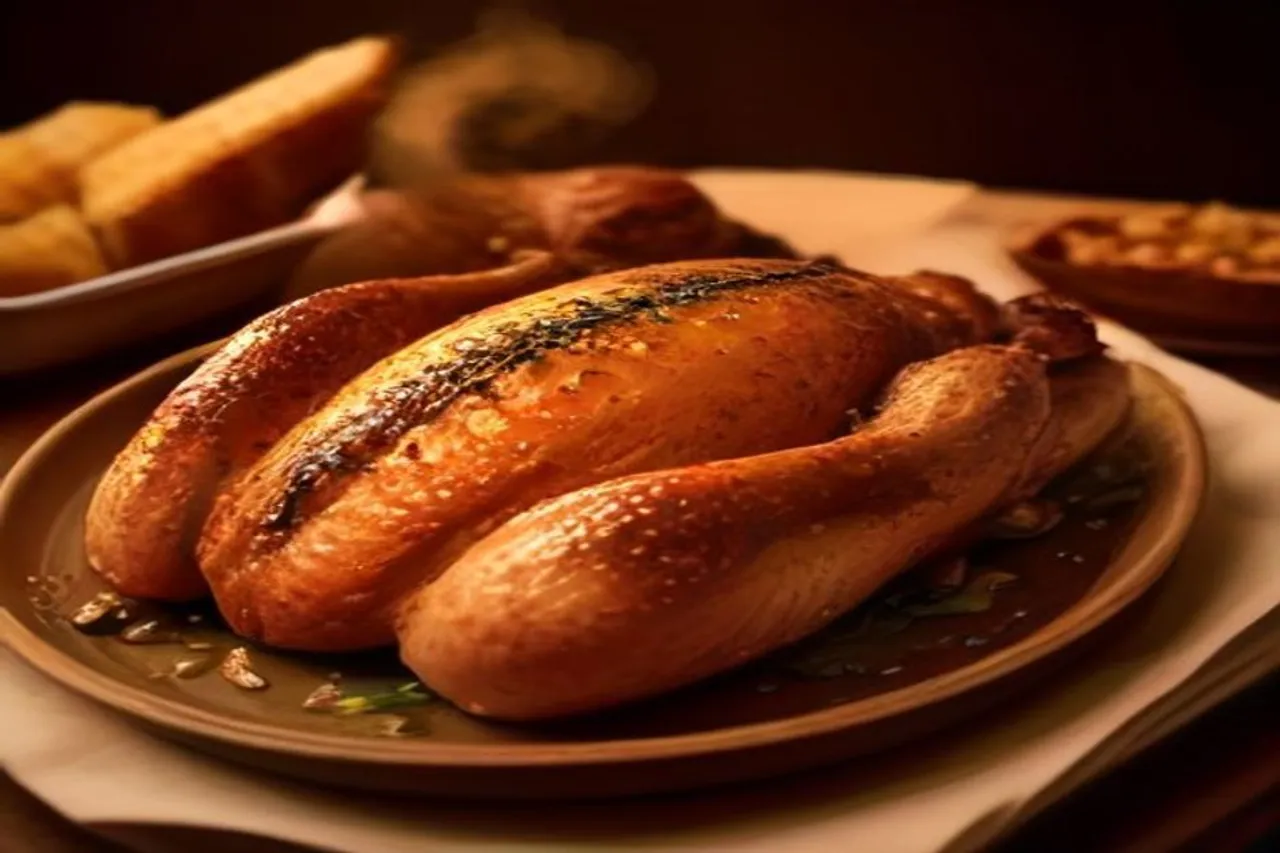
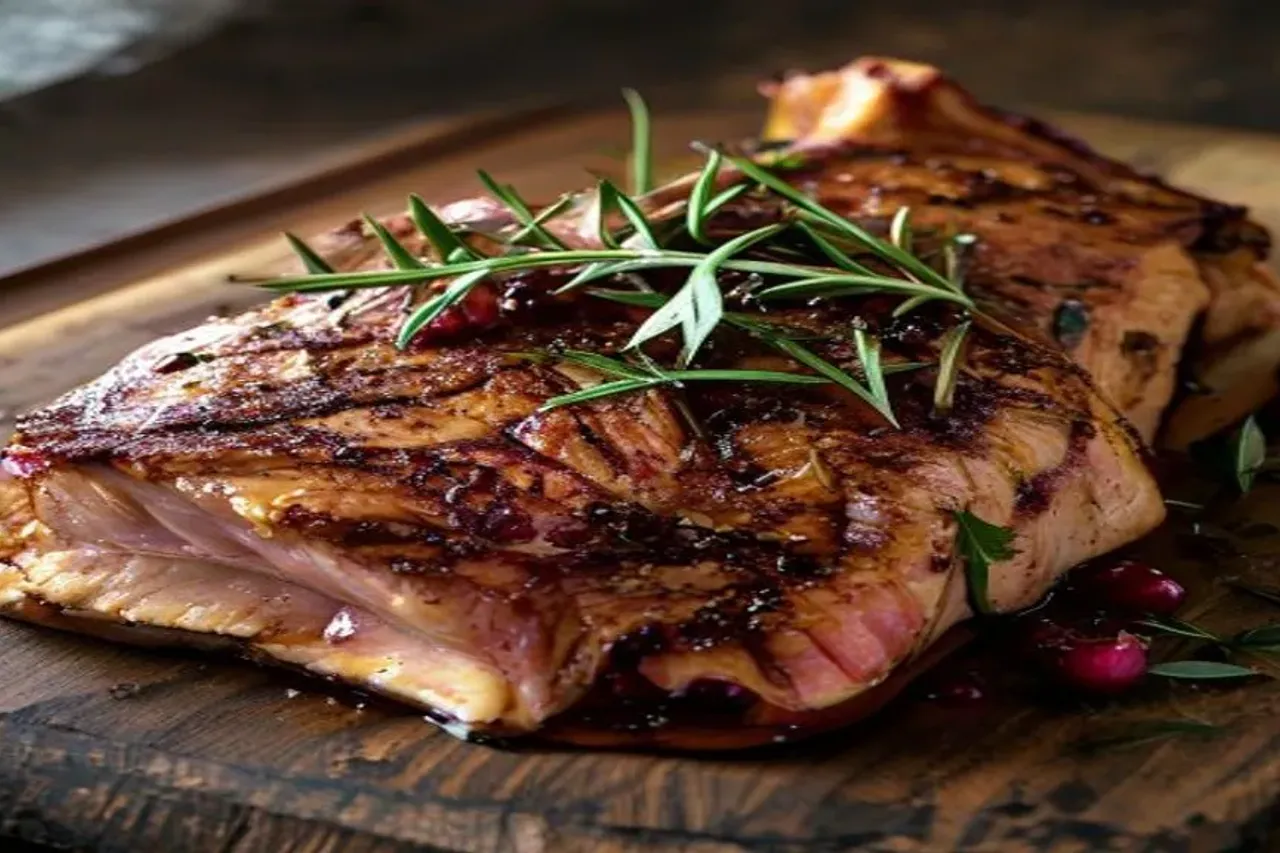
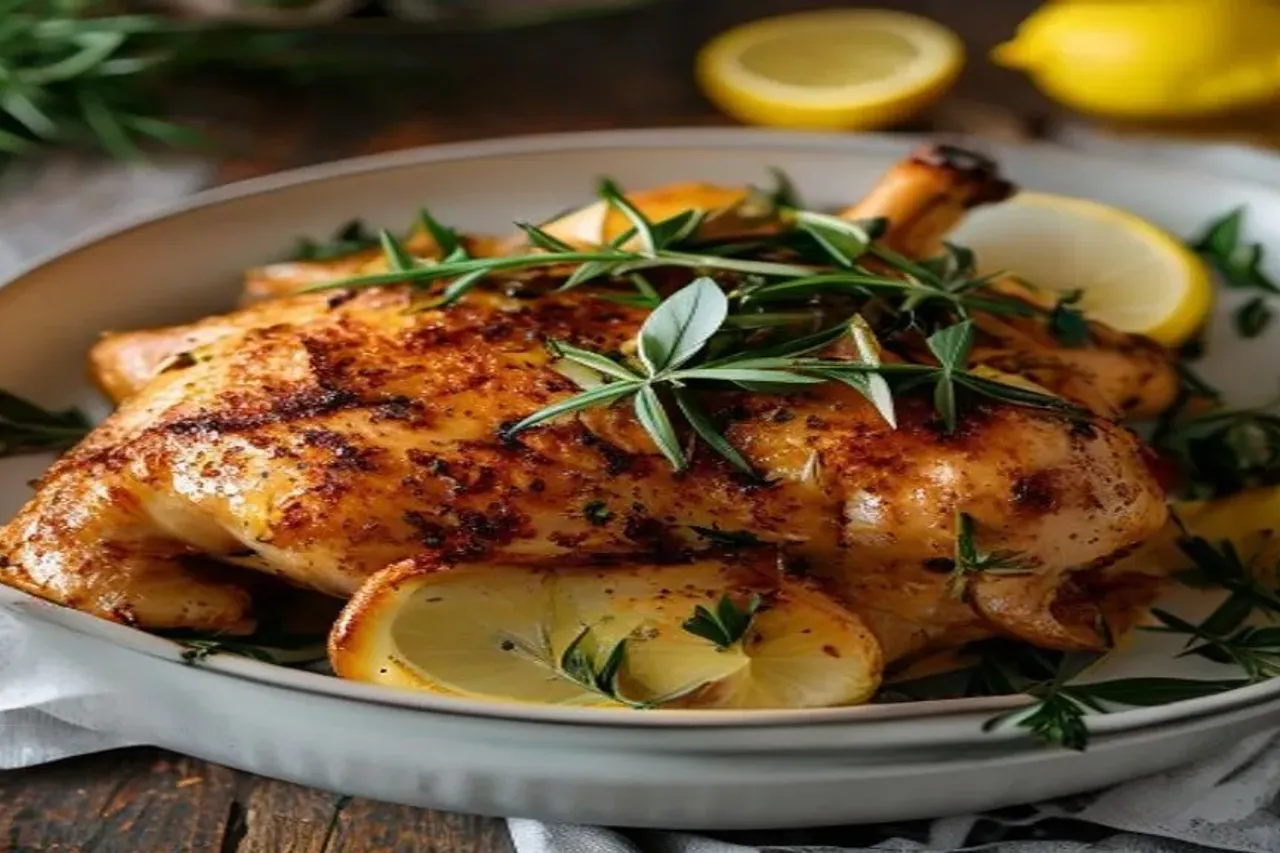
Spatchcocking is not just a fancy culinary term meant to intimidate your dinner guests; it is pure aerodynamic genius. By removing the spine and flattening the bird, you expose every single ounce of meat to the exact same heat source, eliminating the ancient curse of dry breast meat while the dark meat cooks. Trust the process, flatten that bird with confidence, and let physics do the heavy lifting for your feast.
Pro Tip
Want to elevate your seasoning game to supreme heights? Do not just sprinkle your herbs and spices directly onto the oil. Take your chopped rosemary, sage, and thyme and mix them directly into your olive oil 10 minutes before massaging the turkey. This allows the fat-soluble compounds in the herbs to infuse into the oil, creating a fragrant botanical lacquer that clings to every inch of the skin.
Kitchen Catastrophe Warning
The classic amateur blunder? Forgetting to dry the turkey skin thoroughly with paper towels before applying the olive oil. If you trap moisture on the skin, the oil will slide right off, and your turkey will steam instead of roasting, leaving you with pale, rubbery skin that looks more like a sad ghost than a royal centerpiece.
The Jester's Corner
Royal Court Comedy
I told the King this recipe saves time, and he asked if he could use that time to finally learn how to rule the kingdom instead of just counting gold.
The Culinary Science
When you crank the oven temperature up to 400 degrees F in the final fifteen minutes of roasting, you trigger the Maillard reaction—a complex chemical dance between amino acids and reducing sugars that creates hundreds of new flavor compounds and gives your turkey skin that irresistible, shatteringly crisp golden finish.
Make Us Your Preferred Culinary Source
Prioritize Ages & Spices in your Google Discover, Top Stories, and AI search feed with one tap.
🎭How does this recipe make you feel?
Tap a reaction to share your vibe
General Food Safety & Storage
Storage Science
Cool rapidly. Store in an airtight container in the refrigerator (below 4°C / 40°F). Consume within 3-4 days.
Reheating Science
Reheat to an internal temperature of 165°F (74°C). Use the stove or oven for best texture, stirring or turning occasionally to ensure even heating.
Taster's Notes
Community Feedback
0 Comments
Be the first to leave a note on this recipe!