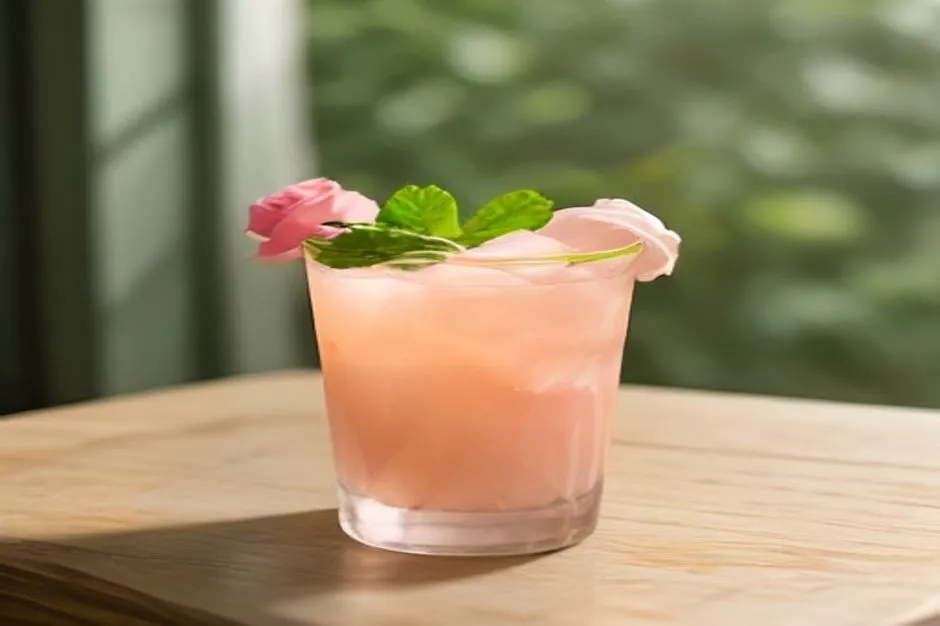
The Ultimate Rosewater Mint Lemonade Recipe
Royal Nutritional Ledger *
For those counting their gold coins and their calories.
The Royal Disclaimer: These figures are calculated by our finest AI court scholars based on standard ingredient values. They are highly educated estimates meant for guidance, not gospel. If you require absolute scientific precision for medical or dietary salvation, please consult a certified physician rather than our kitchen AI!
Part of our Global Expansion (Indian Desserts, Global Ice Creams, Mixology) Master Index
Did You Know?
Historical Tidbit
Rosewater has been used in Middle Eastern and Persian cuisine for over a thousand years, originally prized for both its delicate floral aroma and its alleged cooling properties in the desert heat.
First time here? Click the button above to automatically send all these ingredients to your highest-paying local grocery delivery app.
⚖️ The Modernizer
Missing extinct ingredients? Swap for accessible modern alternatives.
The Golden Rule
"Never boil the rosewater, or its delicate floral volatile compounds will evaporate into thin air, leaving you with a very expensive glass of regular lemonade."
Ingredients
9 items required
Make Us Your Preferred Culinary Source
AI Emergency Hub
Hit a snag while prepping? Our elite AI tools are here to save your dish.
Missing an Ingredient?
Recipe Disaster?
Chef's Notes
Always use fresh lemons rather than bottled juice. The bottled stuff tastes like regret and preservatives, and royalty deserves better.
Pro Tip
Slap your fresh mint leaves gently against your palm a few times before adding them to release the essential oils instantly.
Kitchen Catastrophe Warning
Pouring boiling hot simple syrup directly onto delicate mint leaves in a thin glass bowl, causing the glass to shatter explosively and turning your kitchen floor into a sticky, dangerous disaster zone.
The Jester's Corner
Royal Court Comedy
Why did the lemon stop rolling down the hill? Because it ran out of juice! Just like your motivation on a Monday morning.
The Culinary Science
The volatile oil menthol in mint activates the cold-sensitive receptors in your mouth, creating a genuine biological sensation of coolness without actually lowering the temperature.
Explore Curated Feast Collections
Discover 90+ themed festive banquets, seasonal menus, and imperial regional feasts.
Make Us Your Preferred Culinary Source
Prioritize Ages & Spices in your Google Discover, Top Stories, and AI search feed with one tap.
🎭How does this recipe make you feel?
Tap a reaction to share your vibe
Pastry & Confectionery Stabilization
Storage Science
Cakes and soft desserts should be wrapped tightly to prevent moisture loss and stored at room temperature (if no perishable fillings) or refrigerated. Consume within 3 days.
Reheating Science
Serve at room temperature for optimal flavor perception, as cold mutes sweetness. If it's a baked pastry, flash-heat in a 350°F (175°C) oven for 3-5 minutes to restore the butter matrix and crispness.


Taster's Notes
Community Feedback
0 Comments
Be the first to leave a note on this recipe!