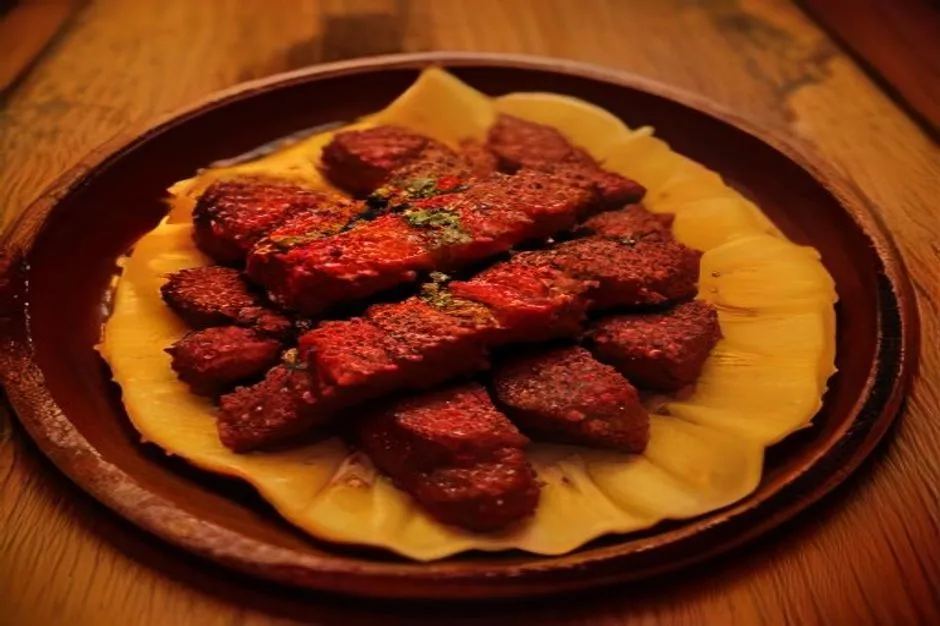
The Ultimate Rustic Beef Fry Recipe
Royal Nutritional Ledger *
For those counting their gold coins and their calories.
The Royal Disclaimer: These figures are calculated by our finest AI court scholars based on standard ingredient values. They are highly educated estimates meant for guidance, not gospel. If you require absolute scientific precision for medical or dietary salvation, please consult a certified physician rather than our kitchen AI!
Royal Decree
This recipe was curated by our editorial team. We highly encourage community feedback and your own culinary discretion!
Did You Know?
Historical Tidbit
Rustic beef fry originates from the lush spice-laden coasts of Southern India, where coconut palms sway and trade winds whisper.
First time here? Click the button above to automatically send all these ingredients to your highest-paying local grocery delivery app.
⚖️ The Modernizer
Missing extinct ingredients? Swap for accessible modern alternatives.
The Golden Rule
"Never add excess water during the final roasting stage; let the natural fats and juices do the heavy lifting to achieve that signature dry, crisp texture."
Ingredients
14 items required
Make Us Your Preferred Culinary Source
AI Emergency Hub
Hit a snag while prepping? Our elite AI tools are here to save your dish.
Missing an Ingredient?
Recipe Disaster?
Chef's Notes
Do not rush the caramelization phase! The deep, rich color and intense flavor of a true rustic beef fry come from letting the meat and spices toast directly against the hot iron skillet.
Pro Tip
Use a well-seasoned cast-iron skillet for this recipe; it distributes heat evenly and helps develop that irresistible, slightly charred outer crust on the beef cubes.
Kitchen Catastrophe Warning
Beware the dreaded 'Boiled Beef Trap'! If you don't evaporate all the cooking liquid before trying to fry the meat, you will end up with gray, soggy beef stew instead of a glorious, crispy roast fry.
The Jester's Corner
Royal Court Comedy
Why did the beef fry go to therapy? Because it had too many deep-seated issues with being over-roasted!
The Culinary Science
The Maillard reaction occurs when amino acids and reducing sugars in the beef and onions react under high heat, creating hundreds of new flavor compounds that give roasted meats their savory depth.
🏺 Explore More Royal Feasts
Lift the lid on these timeless delicacies
Make Us Your Preferred Culinary Source
Prioritize Ages & Spices in your Google Discover, Top Stories, and AI search feed with one tap.
🎭How does this recipe make you feel?
Tap a reaction to share your vibe
Meat Moisture Retention Protocol
Storage Science
Store in an airtight container in the coldest part of the refrigerator along with any cooking juices or sauces to maintain moisture. Consume within 3-4 days.
Reheating Science
Reheat gently in the oven at 300°F (150°C) or on the stovetop over low heat. Add a splash of broth or water and cover tightly to steam. This prevents the proteins from constricting and squeezing out their juices.
Taster's Notes
Community Feedback
0 Comments
Be the first to leave a note on this recipe!