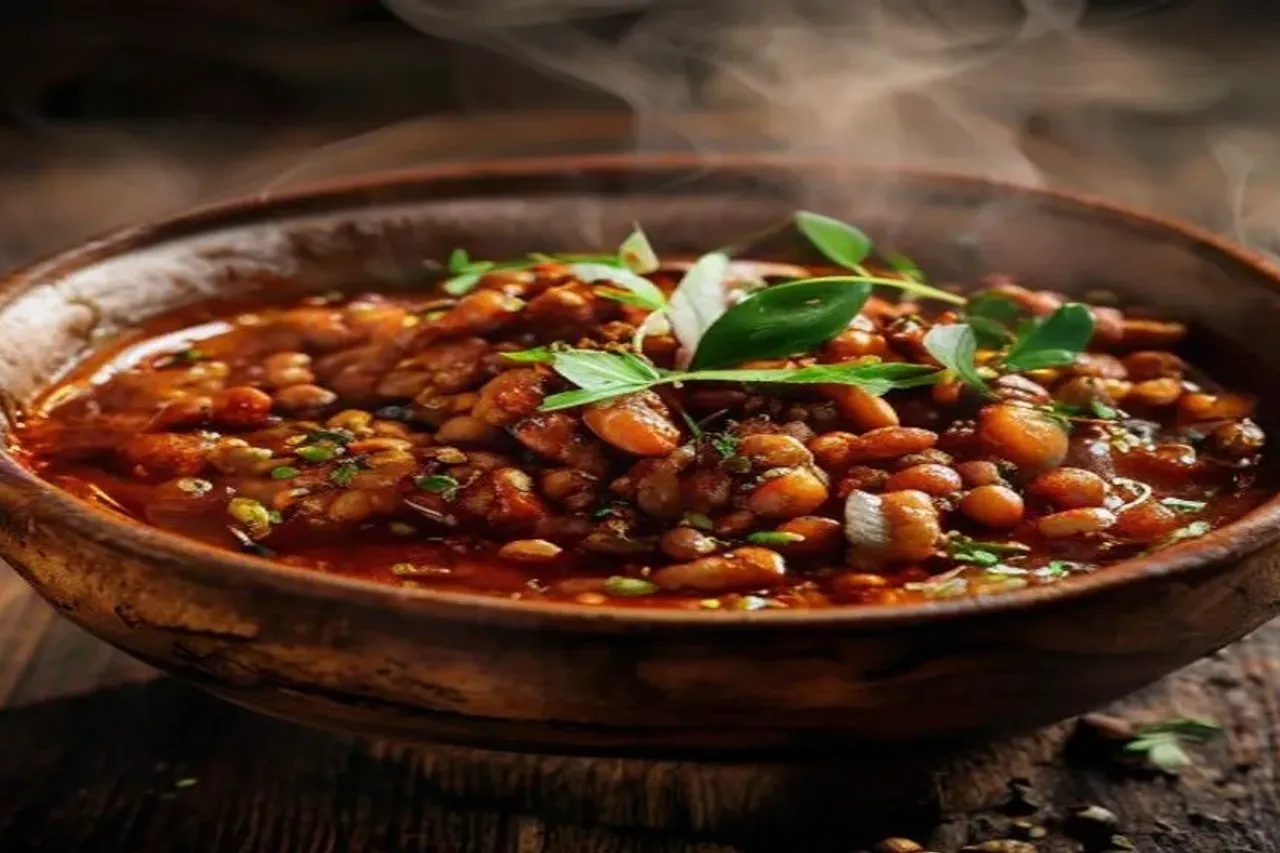
The Ultimate Santa Maria-Style Beans Recipe
Royal Nutritional Ledger *
For those counting their gold coins and their calories.
The Royal Disclaimer: These figures are calculated by our finest AI court scholars based on standard ingredient values. They are highly educated estimates meant for guidance, not gospel. If you require absolute scientific precision for medical or dietary salvation, please consult a certified physician rather than our kitchen AI!
Did You Know?
Historical Tidbit
The pinquito bean is a unique, small pink legume native to the Santa Maria Valley in California, prized for its hold-together texture in long-simmering dishes.
First time here? Click the button above to automatically send all these ingredients to your highest-paying local grocery delivery app.
⚖️ The Modernizer
Missing extinct ingredients? Swap for accessible modern alternatives.
The Golden Rule
"Never salt your beans during the initial soak or early boiling stage, or you will end up with tough skins that refuse to soften no matter how long you cook them."
Ingredients
15 items required
Make Us Your Preferred Culinary Source
AI Emergency Hub
Hit a snag while prepping? Our elite AI tools are here to save your dish.
Missing an Ingredient?
Recipe Disaster?
Chef's Notes
Pinquito beans are the undisputed heartbeat of Santa Maria-style barbecue. Treat them with respect, do not rush the initial soak, and always save that starchy cooking liquid—it is liquid gold for your sauce consistency.
Pro Tip
If your sauce is thickening a bit too quickly during the final simmer, splash in a tablespoon of warm water rather than panicking. Patience yields the creamiest beans.
Kitchen Catastrophe Warning
Dropping the heat too high during the final simmer and walking away, resulting in scorched bacon and a charred bottom pot that smells like a campfire tragedy.
The Jester's Corner
Royal Court Comedy
The beans are the only things in this kitchen that actually soak up advice before they start boiling.
The Culinary Science
Soaking dry beans in water allows water molecules to penetrate the seed coat through a process called imbibition, softening the hard starches and cutting down your cooking time significantly.
🏺 Explore More Royal Feasts
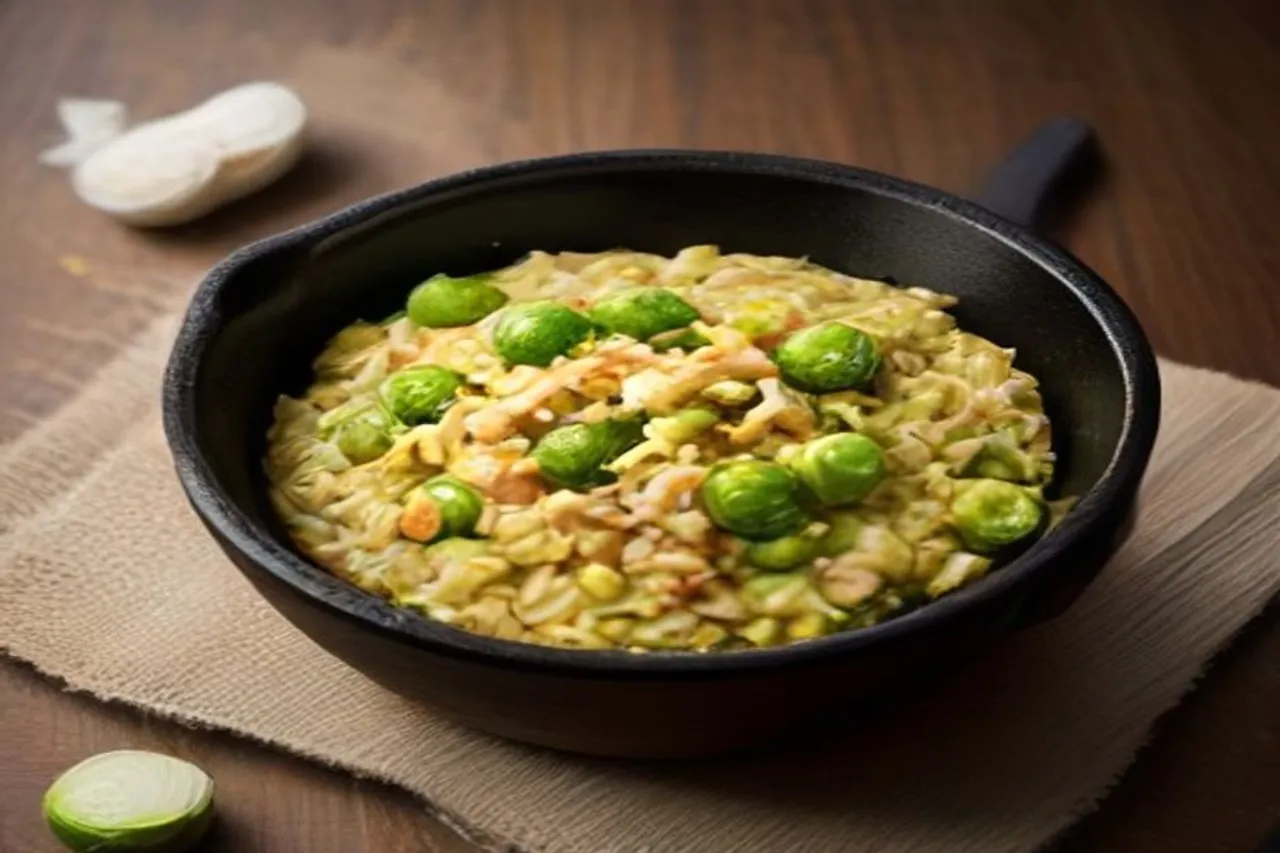
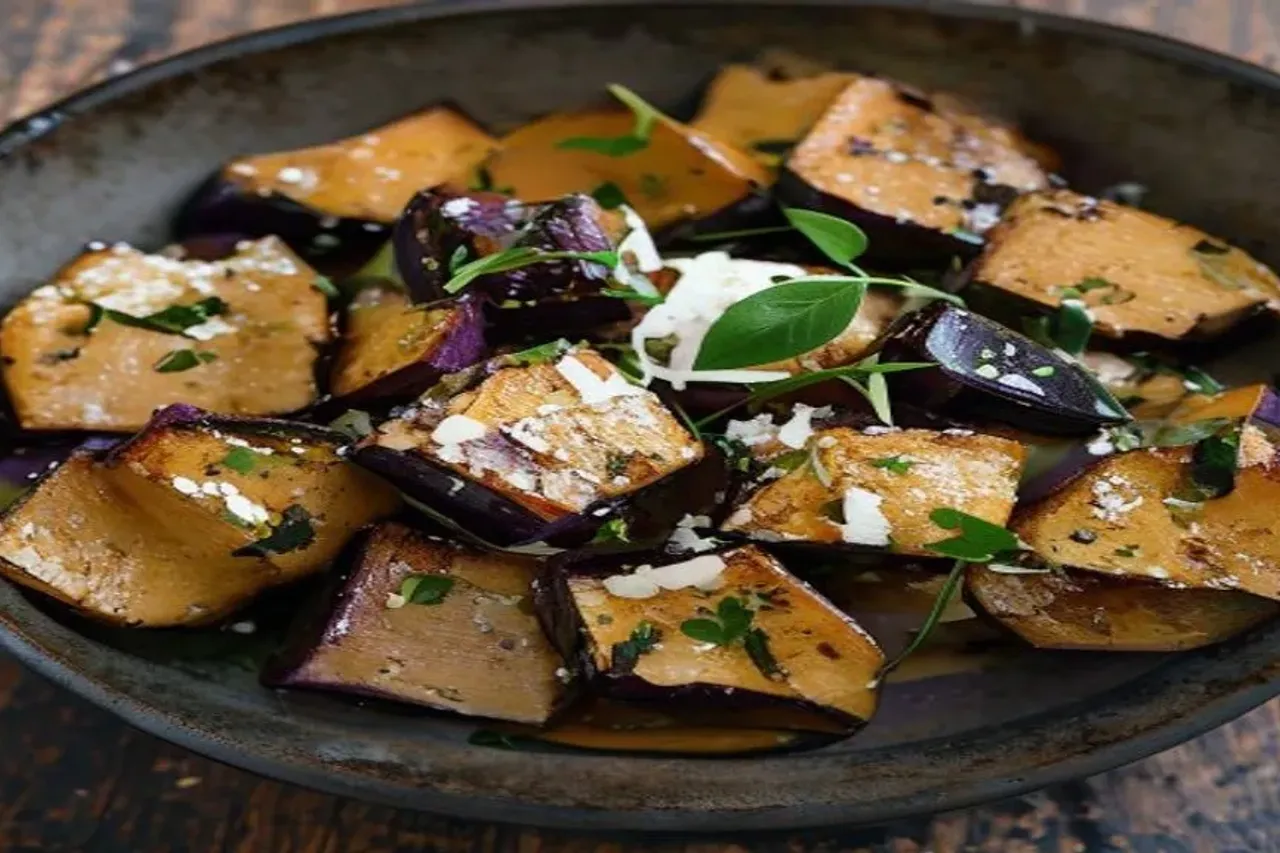
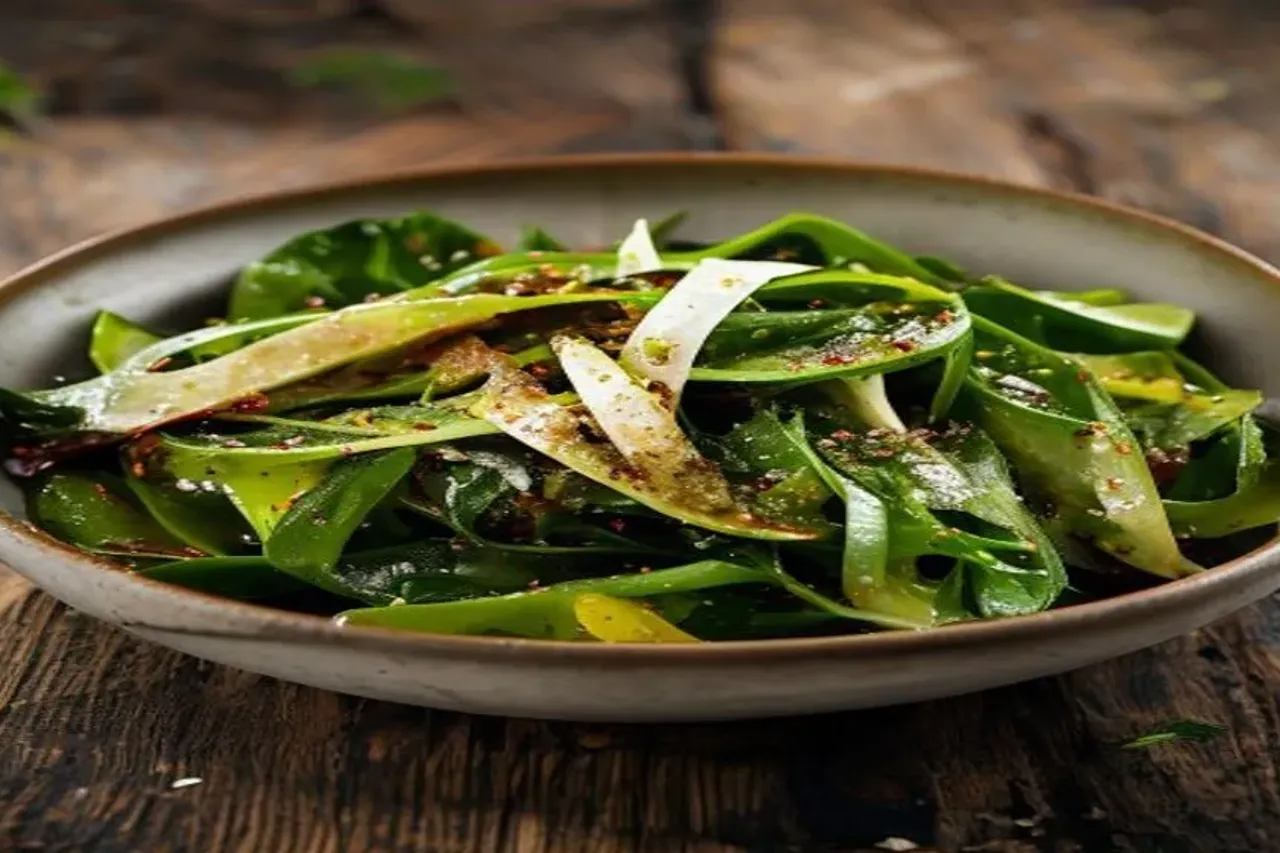
Lift the lid on these timeless delicacies
Make Us Your Preferred Culinary Source
Prioritize Ages & Spices in your Google Discover, Top Stories, and AI search feed with one tap.
🎭How does this recipe make you feel?
Tap a reaction to share your vibe
General Food Safety & Storage
Storage Science
Cool rapidly. Store in an airtight container in the refrigerator (below 4°C / 40°F). Consume within 3-4 days.
Reheating Science
Reheat to an internal temperature of 165°F (74°C). Use the stove or oven for best texture, stirring or turning occasionally to ensure even heating.
Taster's Notes
Community Feedback
0 Comments
Be the first to leave a note on this recipe!