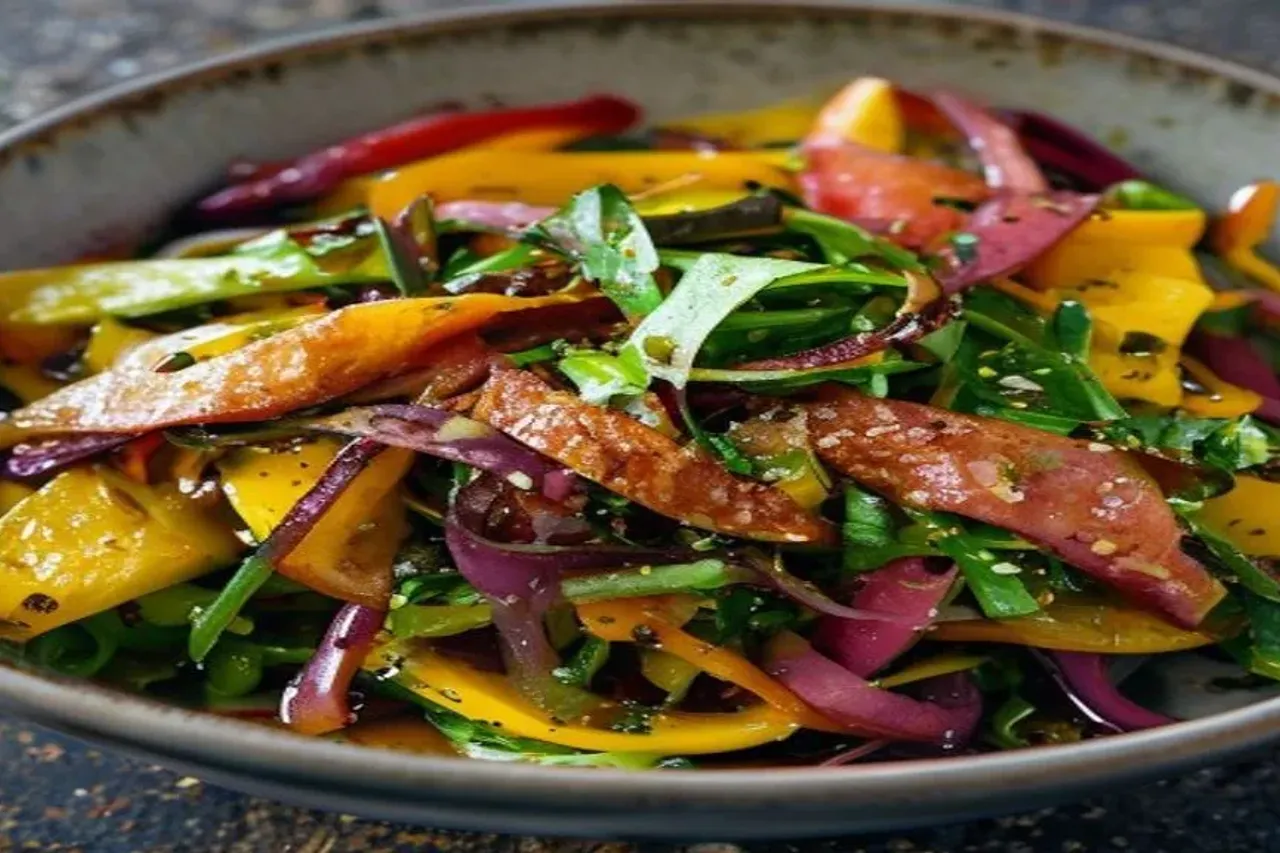
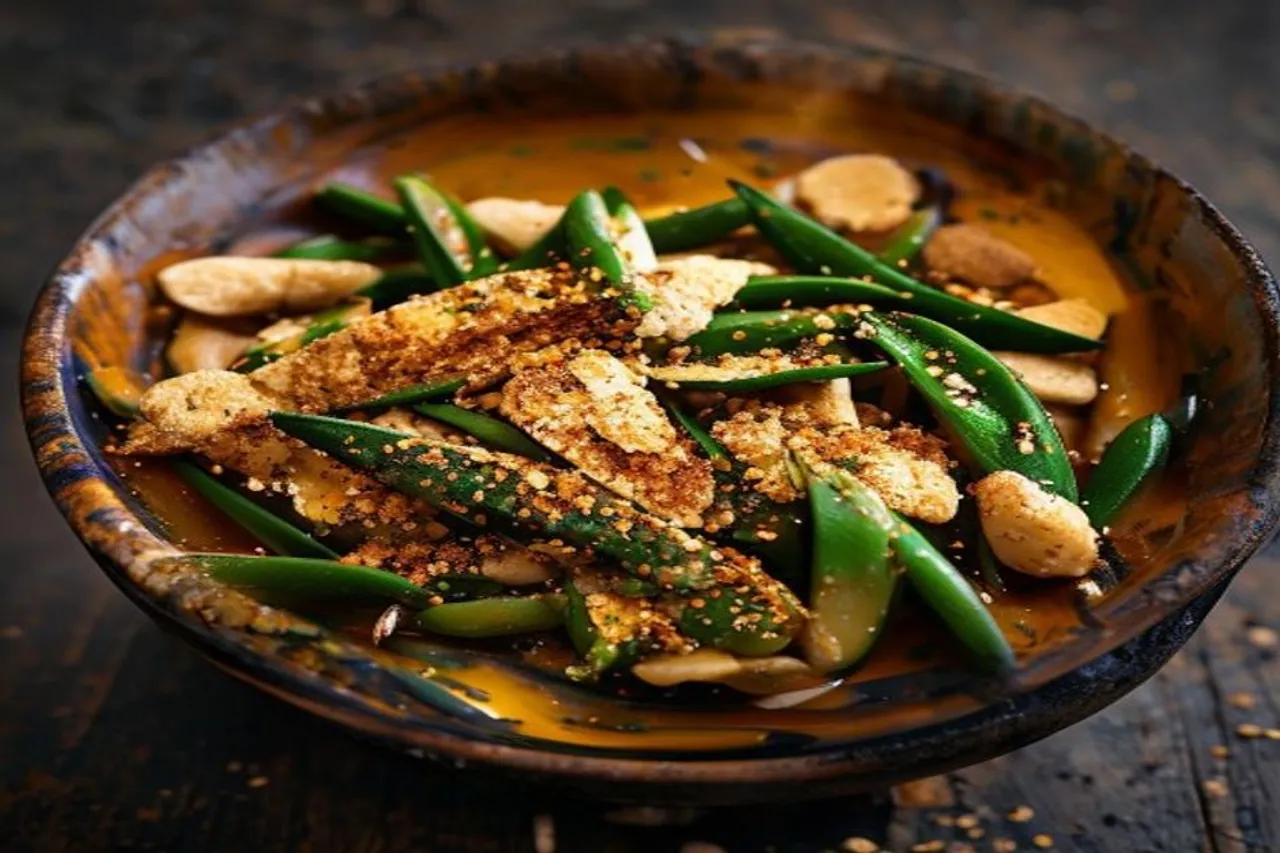
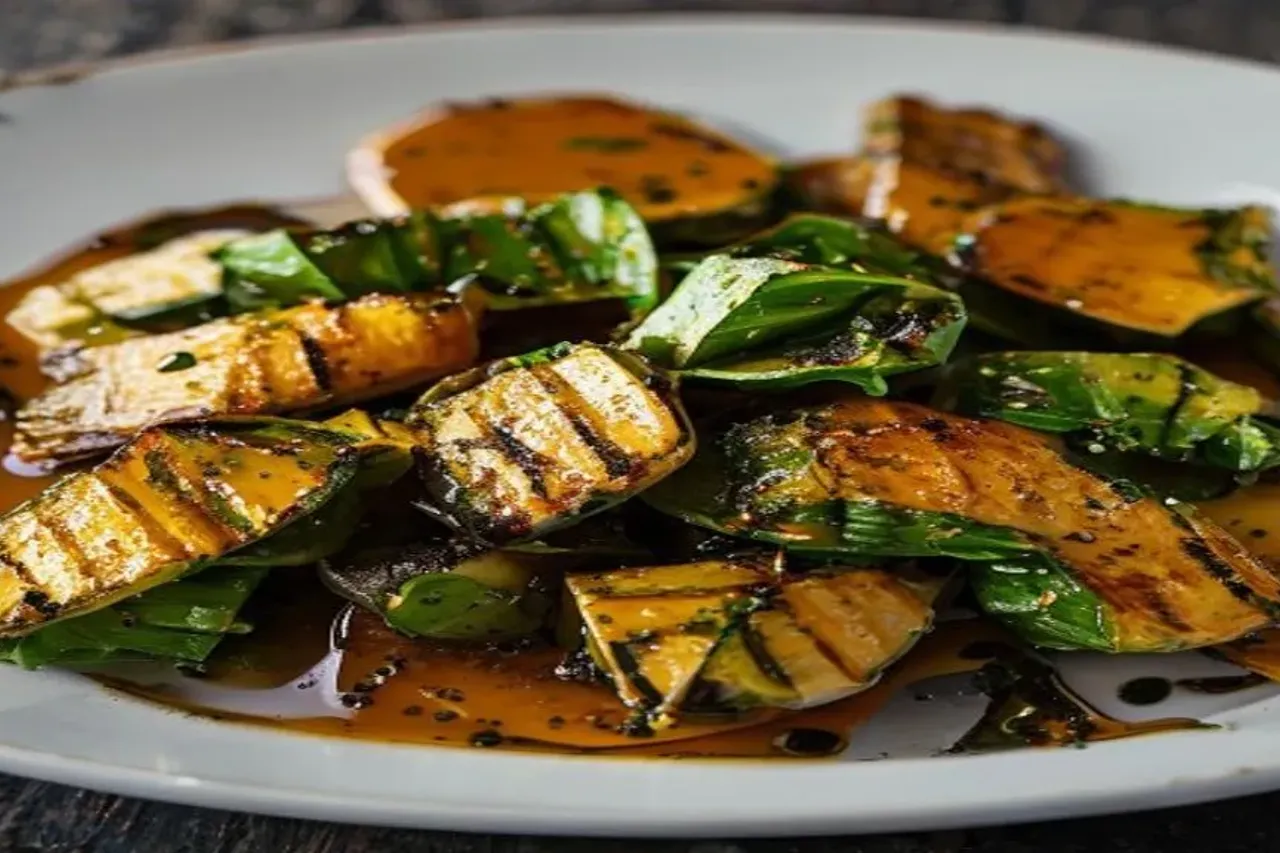
The Ultimate Sauteed Shredded Brussels Sprouts Recipe
Royal Nutritional Ledger *
For those counting their gold coins and their calories.
The Royal Disclaimer: These figures are calculated by our finest AI court scholars based on standard ingredient values. They are highly educated estimates meant for guidance, not gospel. If you require absolute scientific precision for medical or dietary salvation, please consult a certified physician rather than our kitchen AI!
Did You Know?
Historical Tidbit
Brussels sprouts are named after the capital of Belgium, where they became widely cultivated and popular in the 16th century.
First time here? Click the button above to automatically send all these ingredients to your highest-paying local grocery delivery app.
⚖️ The Modernizer
Missing extinct ingredients? Swap for accessible modern alternatives.
The Golden Rule
"Never walk away from the stove during a high-heat sauté. Brussels sprouts transform from crisp-tender perfection to charred regret in a matter of seconds."
Ingredients
6 items required
Make Us Your Preferred Culinary Source
AI Emergency Hub
Hit a snag while prepping? Our elite AI tools are here to save your dish.
Missing an Ingredient?
Recipe Disaster?
Chef's Notes
Brussels sprouts carry a natural sulfur compound that turns bitter if overcooked. Keeping the cooking time brisk and high-heat ensures they taste sweet, nutty, and vibrant rather than swampy and sad.
Pro Tip
If your pan is too small, cook the sprouts in two separate batches. Overcrowding the pan traps steam, resulting in soggy, boiled greens instead of beautifully browned, sautéed ribbons.
Kitchen Catastrophe Warning
Dropping the balsamic vinegar into a bone-dry pan and walking away, resulting in a smoke-filled kitchen, a sticky pan resembling modern art, and sprouts that taste purely like an industrial chemical fire.
The Jester's Corner
Royal Court Comedy
Why did the Brussels sprout break up with the food processor? Because it felt like it was constantly being shredded under pressure!
The Culinary Science
Combining butter and olive oil is a masterstroke of culinary science. The milk solids in butter brown quickly and add incredible flavor, while the high smoke point of olive oil prevents those solids from instantly burning to a bitter crisp.
Make Us Your Preferred Culinary Source
Prioritize Ages & Spices in your Google Discover, Top Stories, and AI search feed with one tap.
🎭How does this recipe make you feel?
Tap a reaction to share your vibe
General Food Safety & Storage
Storage Science
Cool rapidly. Store in an airtight container in the refrigerator (below 4°C / 40°F). Consume within 3-4 days.
Reheating Science
Reheat to an internal temperature of 165°F (74°C). Use the stove or oven for best texture, stirring or turning occasionally to ensure even heating.
Taster's Notes
Community Feedback
0 Comments
Be the first to leave a note on this recipe!