The Ultimate Self Saucing Butterscotch Pudding Recipe
Royal Nutritional Ledger *
For those counting their gold coins and their calories.
The Royal Disclaimer: These figures are calculated by our finest AI court scholars based on standard ingredient values. They are highly educated estimates meant for guidance, not gospel. If you require absolute scientific precision for medical or dietary salvation, please consult a certified physician rather than our kitchen AI!
Did You Know?
Historical Tidbit
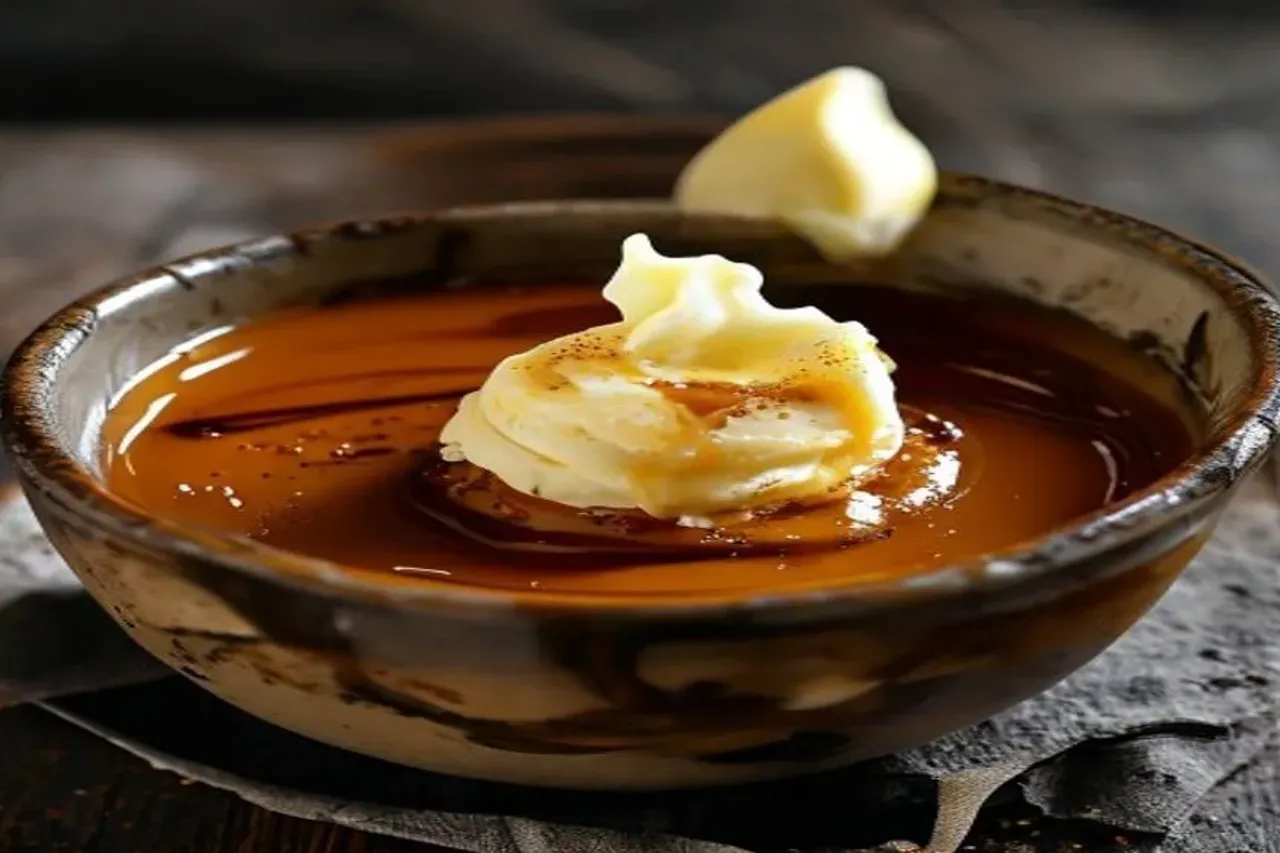
Butterscotch originated in the mid-19th century and unlike modern caramel, it was traditionally made by boiling butter and brown sugar together.
First time here? Click the button above to automatically send all these ingredients to your highest-paying local grocery delivery app.
⚖️ The Modernizer
Missing extinct ingredients? Swap for accessible modern alternatives.
The Golden Rule
"Never pierce the pudding too early during its baking slumber, or you shall release the trapped thermal secrets and doom your sponge to deflation!"
Ingredients
11 items required
Make Us Your Preferred Culinary Source
AI Emergency Hub
Hit a snag while prepping? Our elite AI tools are here to save your dish.
Missing an Ingredient?
Recipe Disaster?
Chef's Notes
Listen well to the whispers of the kitchen! When crafting a self-saucing wonder, the magic happens in the oven as chemistry separates the batter from the sauce. Never rush the pouring of the boiling water, as preserving the surface integrity is paramount to your success.
Pro Tip
Here is a secret whispered among culinary masters: always ensure your melted butter has cooled slightly before introducing the egg, lest you accidentally invent scrambled butter! Furthermore, pouring the boiling water over the back of a spoon is not mere theater; it diffuses the kinetic energy so the liquid gently floats atop the batter.
Kitchen Catastrophe Warning
Do not dump the boiling water directly onto the batter like an unrefined amateur, or you will blast a crater straight to the bottom of the dish, drowning your sauce before it even has the chance to perform its dark, self-saucing magic. Pour it gently over the back of a spoon, unless you enjoy eating dense, watery cake rubble.
The Jester's Corner
Royal Court Comedy
Our royal subjects are so obsessed with this dessert that they often try to eat the oven itself when the timer dings.
The Culinary Science
Behold the wonders of physics and baking! As this pudding bakes, the lighter batter naturally rises to the top due to the leavening power of the baking powder, while the heavier mixture of sugar, cornstarch, and water sinks to the bottom, caramelizing into a rich sauce beneath the sponge.
Make Us Your Preferred Culinary Source
Prioritize Ages & Spices in your Google Discover, Top Stories, and AI search feed with one tap.
🎭How does this recipe make you feel?
Tap a reaction to share your vibe
Pastry & Confectionery Stabilization
Storage Science
Cakes and soft desserts should be wrapped tightly to prevent moisture loss and stored at room temperature (if no perishable fillings) or refrigerated. Consume within 3 days.
Reheating Science
Serve at room temperature for optimal flavor perception, as cold mutes sweetness. If it's a baked pastry, flash-heat in a 350°F (175°C) oven for 3-5 minutes to restore the butter matrix and crispness.

Taster's Notes
Community Feedback
0 Comments
Be the first to leave a note on this recipe!