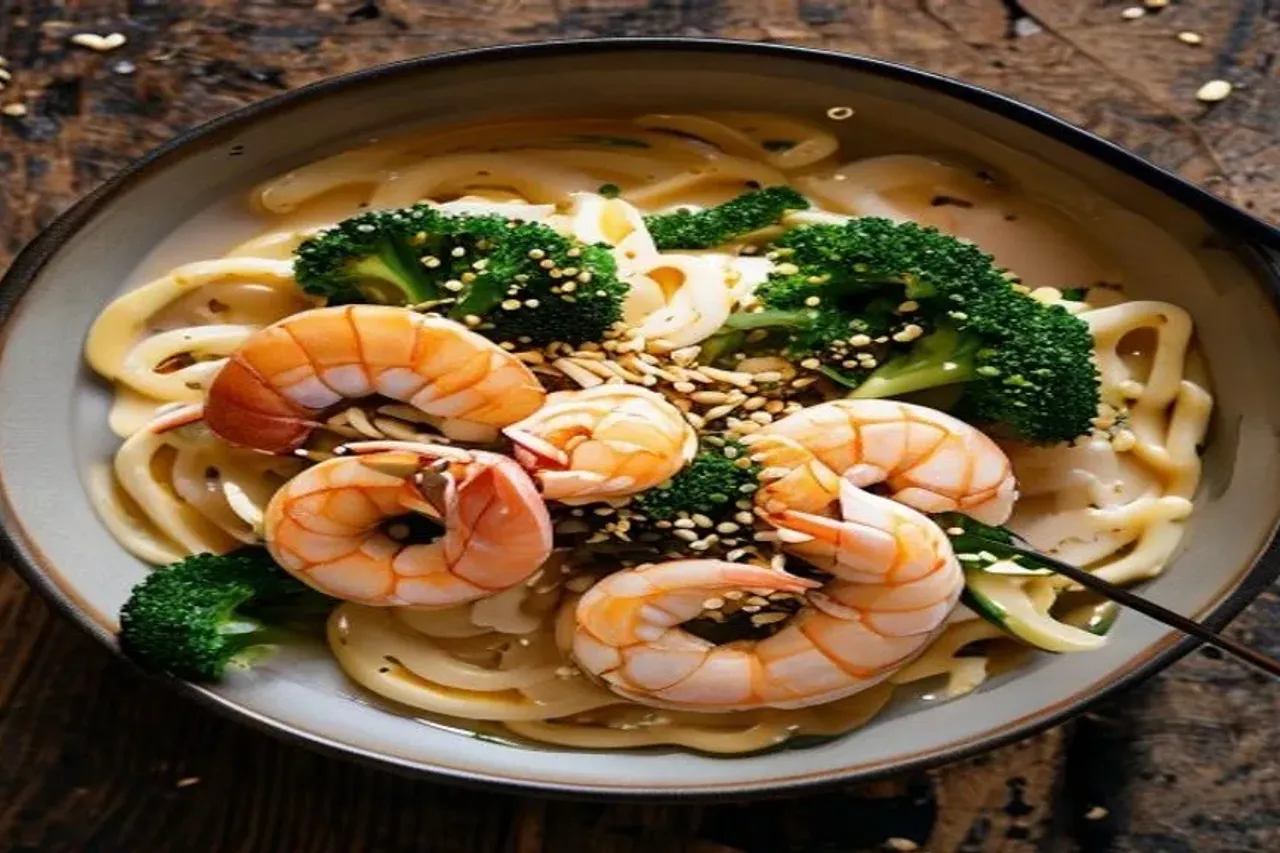
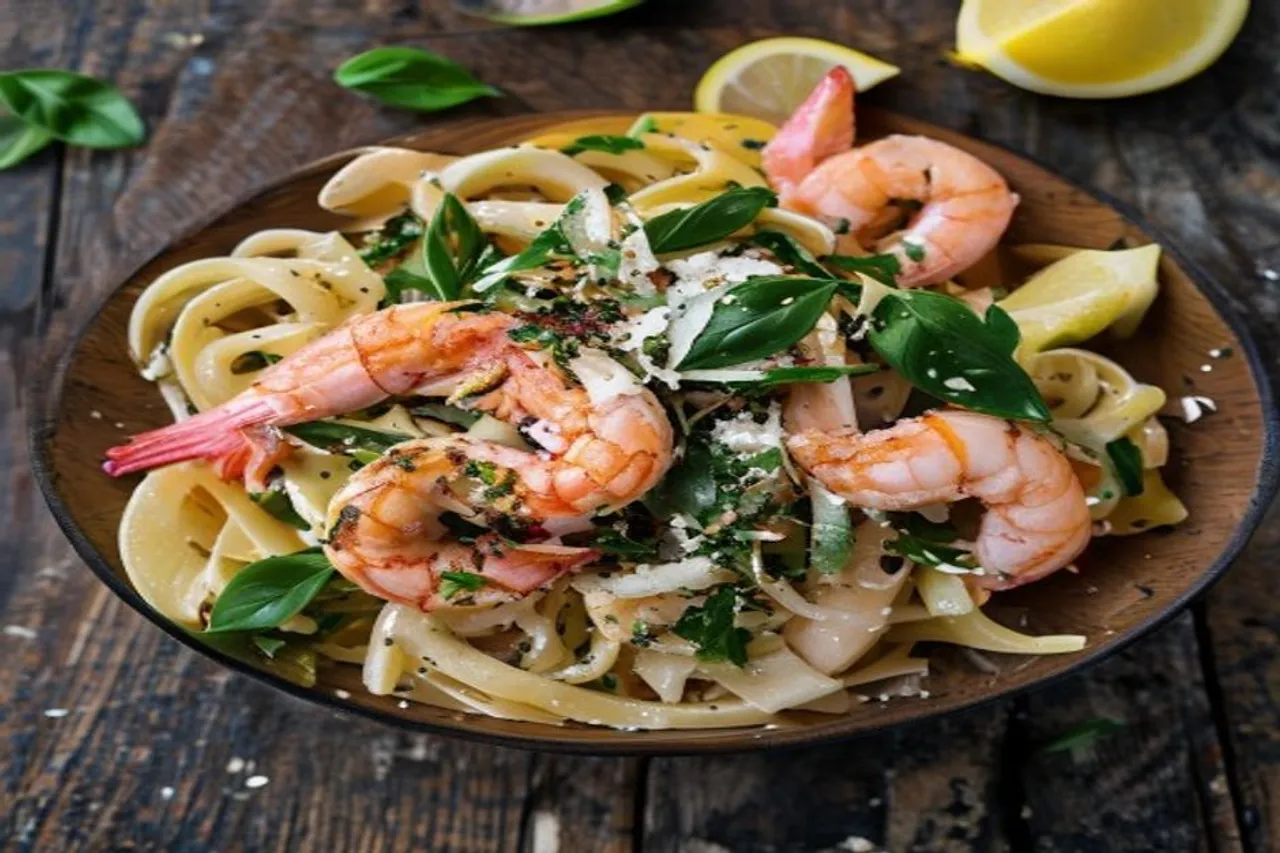
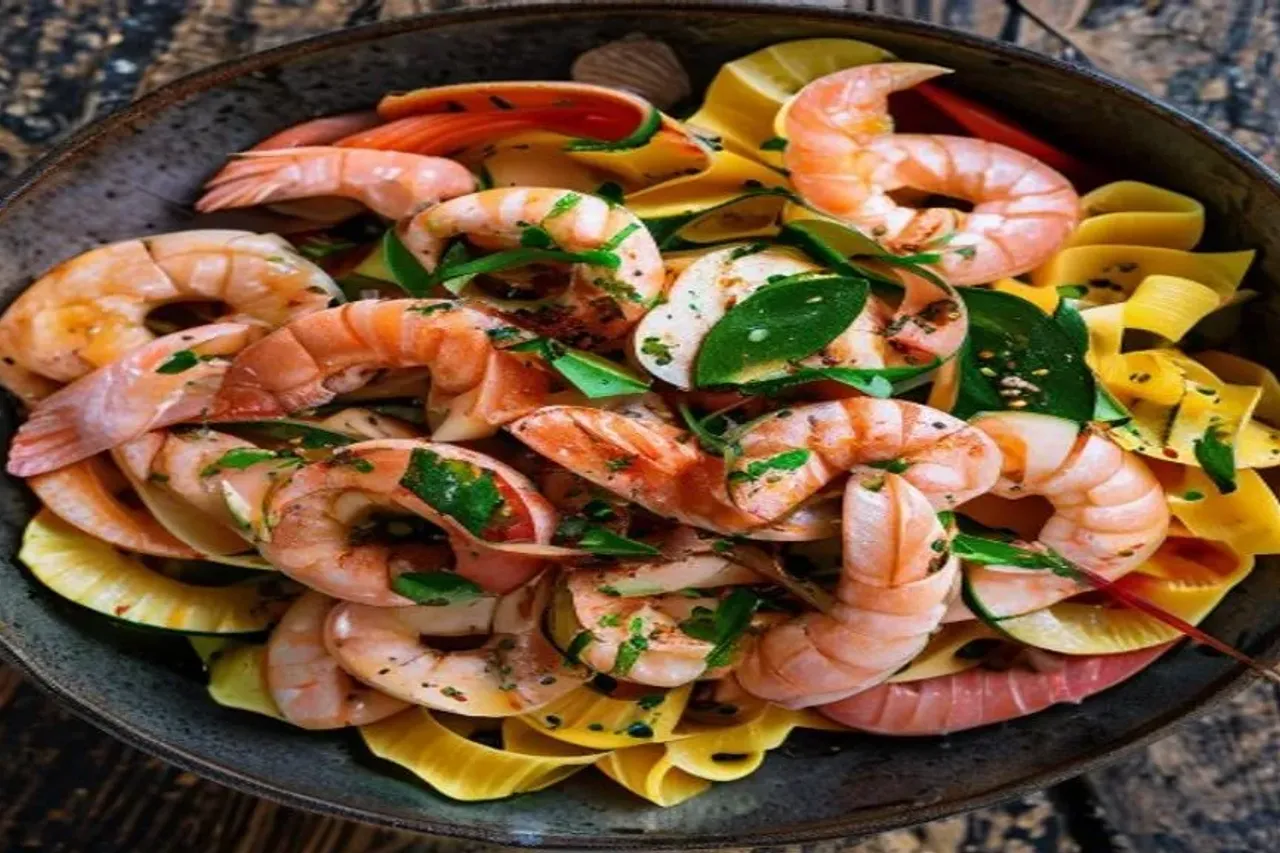
The Ultimate Shrimp and Peanut Butter Noodles Recipe
Royal Nutritional Ledger *
For those counting their gold coins and their calories.
The Royal Disclaimer: These figures are calculated by our finest AI court scholars based on standard ingredient values. They are highly educated estimates meant for guidance, not gospel. If you require absolute scientific precision for medical or dietary salvation, please consult a certified physician rather than our kitchen AI!
Did You Know?
Historical Tidbit
Peanut butter was first commercially sold in the early 20th century, though its roots trace back to ancient civilizations in South America.
First time here? Click the button above to automatically send all these ingredients to your highest-paying local grocery delivery app.
⚖️ The Modernizer
Missing extinct ingredients? Swap for accessible modern alternatives.
The Golden Rule
"Never overcook your shrimp! The 3-minute window in boiling water is your absolute boundary between tender seafood perfection and tiny rubber erasers."
Ingredients
9 items required
Make Us Your Preferred Culinary Source
AI Emergency Hub
Hit a snag while prepping? Our elite AI tools are here to save your dish.
Missing an Ingredient?
Recipe Disaster?
Chef's Notes
Peanut butter noodles sound chaotic to the uninitiated, but the black vinegar provides the exact acidity needed to cut through the rich, nutty fats. Do not skip it!
Pro Tip
Always reserve a splash of the starchy cooking water before draining your noodles. If your peanut sauce feels too thick, a tiny splash of that water will magically turn it into a silky glaze.
Kitchen Catastrophe Warning
Dropping the peanut butter straight into a boiling pot of noodles because you misread the mixing step, creating a horrifying, unsalvageable nutty soup.
The Jester's Corner
Royal Court Comedy
I asked the court jester why he put peanut butter in his pasta, and he said it was because he wanted his dinner to stick to the roof of his mouth so he wouldn't have to talk to the King.
The Culinary Science
Udon noodles are typically made from wheat flour and water, relying on kneading and resting to develop gluten networks that give them their signature chewy texture.
Make Us Your Preferred Culinary Source
Prioritize Ages & Spices in your Google Discover, Top Stories, and AI search feed with one tap.
🎭How does this recipe make you feel?
Tap a reaction to share your vibe
Delicate Protein Preservation
Storage Science
Cool quickly and refrigerate in an airtight container immediately. Seafood degrades rapidly; consume within 24 to 48 hours maximum.
Reheating Science
DO NOT microwave on high. Seafood proteins tighten and become rubbery when rapidly heated. Reheat gently in a covered pan over low heat with a splash of water or stock to create gentle steam, preserving moisture.
Taster's Notes
Community Feedback
0 Comments
Be the first to leave a note on this recipe!