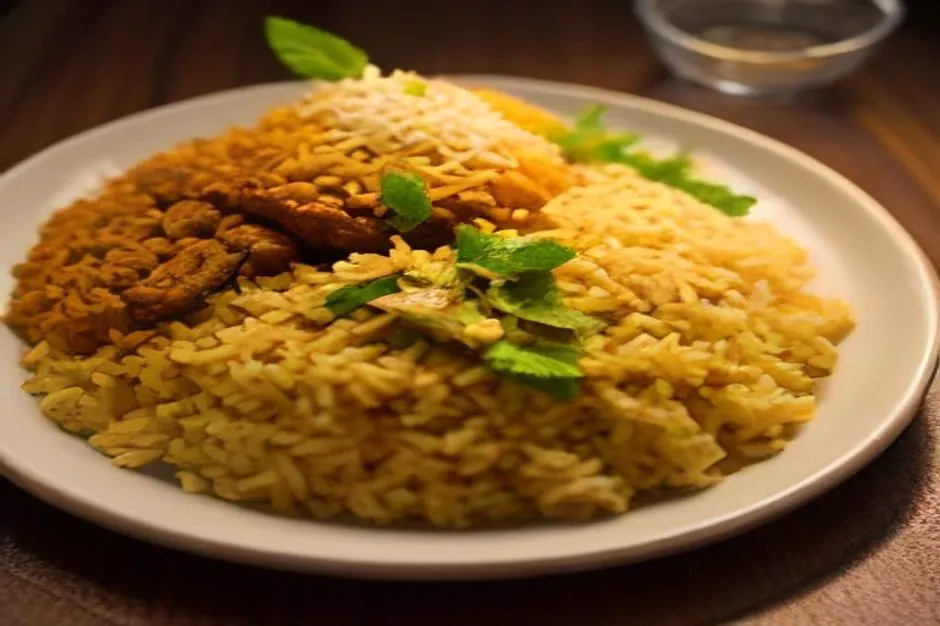
The Ultimate sindhi biryani Recipe
Royal Nutritional Ledger *
For those counting their gold coins and their calories.
The Royal Disclaimer: These figures are calculated by our finest AI court scholars based on standard ingredient values. They are highly educated estimates meant for guidance, not gospel. If you require absolute scientific precision for medical or dietary salvation, please consult a certified physician rather than our kitchen AI!
Part of our Indian Breads, Rice, and Biryanis Master Index
Did You Know?
Historical Tidbit
Sindhi biryani is believed to have originated in the royal kitchens of the Sindh region, heavily influenced by Middle Eastern and South Asian culinary traditions.
First time here? Click the button above to automatically send all these ingredients to your highest-paying local grocery delivery app.
⚖️ The Modernizer
Missing extinct ingredients? Swap for accessible modern alternatives.
The Golden Rule
"Never stir the biryani aggressively from the top; always scoop from the bottom to preserve the gorgeous layered colors."
Ingredients
27 items required
Make Us Your Preferred Culinary Source
AI Emergency Hub
Hit a snag while prepping? Our elite AI tools are here to save your dish.
Missing an Ingredient?
Recipe Disaster?
Chef's Notes
Do not rush the marination or the meat simmering process. Sindhi biryani relies heavily on a robust, tangy gravy to balance the plain rice layers.
Pro Tip
Use aged Basmati rice for the longest, fluffiest grains that will never break during the layering process.
Kitchen Catastrophe Warning
The most common disaster is burning the bottom of the pot because the heat was too high during the steaming phase. Always use a heavy-bottomed pot or a flat iron griddle underneath!
The Jester's Corner
Royal Court Comedy
Why did the Sindhi biryani break up with the plain rice? It felt the relationship lacked spice and too much drama.
The Culinary Science
Soaking rice in water before cooking allows the starch granules to absorb moisture evenly, preventing the outer layers from dissolving into mush before the core cooks through.
Make Us Your Preferred Culinary Source
Prioritize Ages & Spices in your Google Discover, Top Stories, and AI search feed with one tap.
🎭How does this recipe make you feel?
Tap a reaction to share your vibe
Starch Retrogradation Reversal
Storage Science
Store at room temperature in a breathable bread bag or paper wrapper for up to 2 days. DO NOT refrigerate, as the cold accelerates starch retrogradation (staling). For long-term storage, freeze tightly wrapped.
Reheating Science
To reverse staling, flick a few drops of water onto the crust and reheat in a 350°F (175°C) oven for 5-8 minutes. The steam will re-gelatinize the starches, making the crumb soft and the crust crisp.
Taster's Notes
Community Feedback
0 Comments
Be the first to leave a note on this recipe!