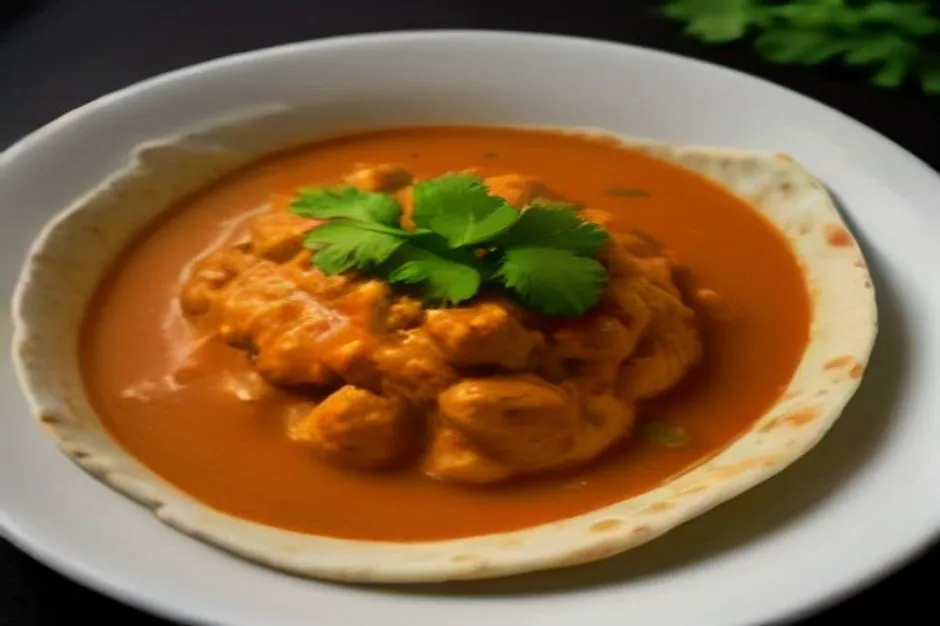
The Ultimate Sous-Vide Chicken Tikka Masala Recipe
Royal Nutritional Ledger *
For those counting their gold coins and their calories.
The Royal Disclaimer: These figures are calculated by our finest AI court scholars based on standard ingredient values. They are highly educated estimates meant for guidance, not gospel. If you require absolute scientific precision for medical or dietary salvation, please consult a certified physician rather than our kitchen AI!
Part of our Auto-Drip Master Index
Did You Know?
Historical Tidbit
Chicken Tikka Masala was famously invented in Great Britain, likely by a South Asian chef adapting to British palates by adding a creamy tomato sauce.
First time here? Click the button above to automatically send all these ingredients to your highest-paying local grocery delivery app.
⚖️ The Modernizer
Missing extinct ingredients? Swap for accessible modern alternatives.
The Golden Rule
"Never rush the onion browning process. Great curries are built on the foundation of deeply caramelized alliums."
Ingredients
15 items required
Make Us Your Preferred Culinary Source
AI Emergency Hub
Hit a snag while prepping? Our elite AI tools are here to save your dish.
Missing an Ingredient?
Recipe Disaster?
Chef's Notes
Do not skip the sear after the sous-vide bath. Without it, your chicken will taste like it went swimming instead of being grilled over an open flame.
Pro Tip
Use whole spices and grind them yourself if you have the time; the aromatic explosion will make your neighbors wonder if you hired a private catering crew.
Kitchen Catastrophe Warning
Dropping the immersion circulator directly into the sink full of soapy dishwater while it is still plugged in, ensuring a shocking culinary experience.
The Jester's Corner
Royal Court Comedy
Why did the chicken cross the sous-vide water bath? To finally get a relaxing spa day before meeting its spicy doom.
The Culinary Science
Cooking chicken at 145 degrees Fahrenheit via sous-vide pasteurizes the meat over time while retaining 100 percent of its natural moisture, unlike traditional high-heat cooking which squeezes out all the juices.
Explore Curated Feast Collections
Discover 90+ themed festive banquets, seasonal menus, and imperial regional feasts.
Make Us Your Preferred Culinary Source
Prioritize Ages & Spices in your Google Discover, Top Stories, and AI search feed with one tap.
🎭How does this recipe make you feel?
Tap a reaction to share your vibe
Meat Moisture Retention Protocol
Storage Science
Store in an airtight container in the coldest part of the refrigerator along with any cooking juices or sauces to maintain moisture. Consume within 3-4 days.
Reheating Science
Reheat gently in the oven at 300°F (150°C) or on the stovetop over low heat. Add a splash of broth or water and cover tightly to steam. This prevents the proteins from constricting and squeezing out their juices.
Taster's Notes
Community Feedback
0 Comments
Be the first to leave a note on this recipe!