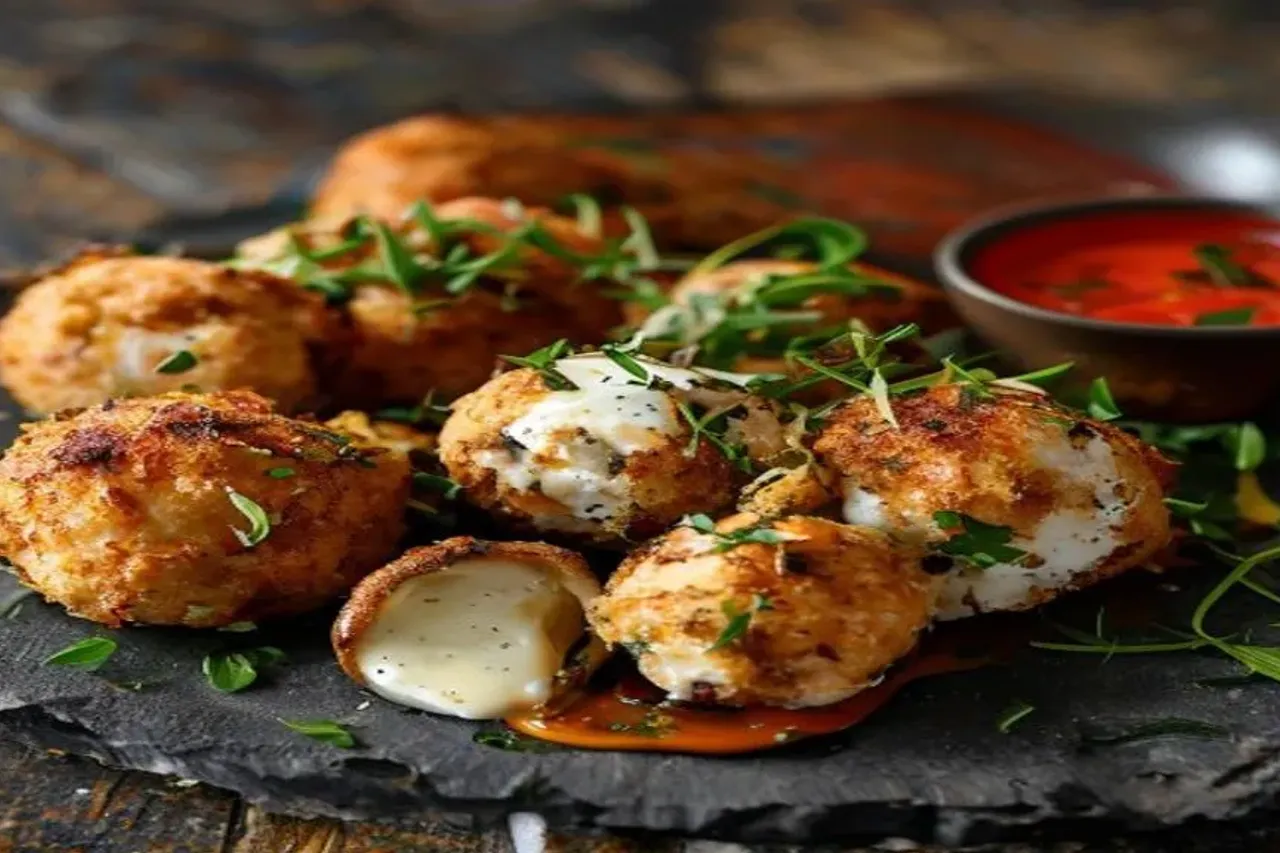
The Ultimate Spinach Cheese Balls Recipe
Royal Nutritional Ledger *
For those counting their gold coins and their calories.
The Royal Disclaimer: These figures are calculated by our finest AI court scholars based on standard ingredient values. They are highly educated estimates meant for guidance, not gospel. If you require absolute scientific precision for medical or dietary salvation, please consult a certified physician rather than our kitchen AI!
Did You Know?
Historical Tidbit
Spinach was originally cultivated in ancient Persia before making its royal debut in ancient China and Europe.
First time here? Click the button above to automatically send all these ingredients to your highest-paying local grocery delivery app.
⚖️ The Modernizer
Missing extinct ingredients? Swap for accessible modern alternatives.
The Golden Rule
"Never overcrowd the frying pan, or the oil temperature will plummet and your cheese balls will turn into a soggy, weeping disaster."
Ingredients
11 items required
Make Us Your Preferred Culinary Source
AI Emergency Hub
Hit a snag while prepping? Our elite AI tools are here to save your dish.
Missing an Ingredient?
Recipe Disaster?
Chef's Notes
Treat your spinach purée like a delicate velvet curtain; remove all excess moisture before blending so your dough actually holds together.
Pro Tip
Keep a bowl of water nearby when sealing the cheese cubes to ensure the sticky dough seals completely without sticking to your fingers.
Kitchen Catastrophe Warning
Failing to seal the cheese cubes properly, resulting in molten cheese bursting out into the hot oil and leaving you with hollow, deflated green spheres of sadness.
The Jester's Corner
Royal Court Comedy
Why did the spinach go to school? To improve its leaf-ership skills and avoid becoming a boring salad.
The Culinary Science
Bread crumbs act as a sponge, absorbing excess moisture from the palak while the corn flour gelatinizes under heat to create a crispy exterior shell.
Make Us Your Preferred Culinary Source
Prioritize Ages & Spices in your Google Discover, Top Stories, and AI search feed with one tap.
🎭How does this recipe make you feel?
Tap a reaction to share your vibe
General Food Safety & Storage
Storage Science
Cool rapidly. Store in an airtight container in the refrigerator (below 4°C / 40°F). Consume within 3-4 days.
Reheating Science
Reheat to an internal temperature of 165°F (74°C). Use the stove or oven for best texture, stirring or turning occasionally to ensure even heating.


Taster's Notes
Community Feedback
0 Comments
Be the first to leave a note on this recipe!