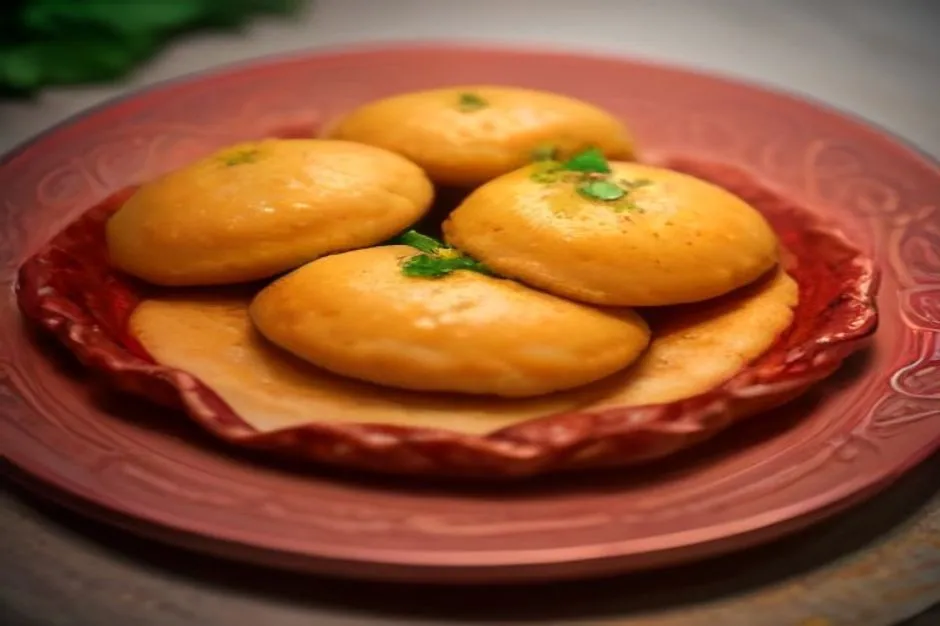
The Ultimate Turkish Kachori Recipe
Royal Nutritional Ledger *
For those counting their gold coins and their calories.
The Royal Disclaimer: These figures are calculated by our finest AI court scholars based on standard ingredient values. They are highly educated estimates meant for guidance, not gospel. If you require absolute scientific precision for medical or dietary salvation, please consult a certified physician rather than our kitchen AI!
Royal Decree
This recipe was curated by our editorial team. We highly encourage community feedback and your own culinary discretion!
Did You Know?
Historical Tidbit
The word kachori originates from ancient South Asian street food culture, but nomadic trade routes carried the concept of stuffed fried pastries across the Ottoman Empire.
First time here? Click the button above to automatically send all these ingredients to your highest-paying local grocery delivery app.
⚖️ The Modernizer
Missing extinct ingredients? Swap for accessible modern alternatives.
The Golden Rule
"Never overcrowd the frying pan, or the oil temperature will plummet and your pastries will turn into oily sponges."
Ingredients
11 items required
Make Us Your Preferred Culinary Source
AI Emergency Hub
Hit a snag while prepping? Our elite AI tools are here to save your dish.
Missing an Ingredient?
Recipe Disaster?
Chef's Notes
Do not rush the resting phase of the dough, or your pastries will snap back like angry rubber bands during the rolling process.
Pro Tip
Keep your frying oil at a steady medium-low temperature. If the oil is too hot, the exterior cooks instantly while the raw dough inside remains soggy.
Kitchen Catastrophe Warning
Dropping the stuffed kachori into blazing hot oil instead of medium-low heat, causing the outside to instantly char while the raw meat and dough inside remain completely uncooked.
The Jester's Corner
Royal Court Comedy
Why did the kachori go to therapy? Because it had too many layers of emotional baggage and kept getting fried under pressure.
The Culinary Science
Lamination and the incorporation of melted fat into flour coat the protein strands, preventing excessive gluten formation and resulting in that signature flaky, crisp crust.
Make Us Your Preferred Culinary Source
Prioritize Ages & Spices in your Google Discover, Top Stories, and AI search feed with one tap.
🎭How does this recipe make you feel?
Tap a reaction to share your vibe
General Food Safety & Storage
Storage Science
Cool rapidly. Store in an airtight container in the refrigerator (below 4°C / 40°F). Consume within 3-4 days.
Reheating Science
Reheat to an internal temperature of 165°F (74°C). Use the stove or oven for best texture, stirring or turning occasionally to ensure even heating.
Taster's Notes
Community Feedback
0 Comments
Be the first to leave a note on this recipe!