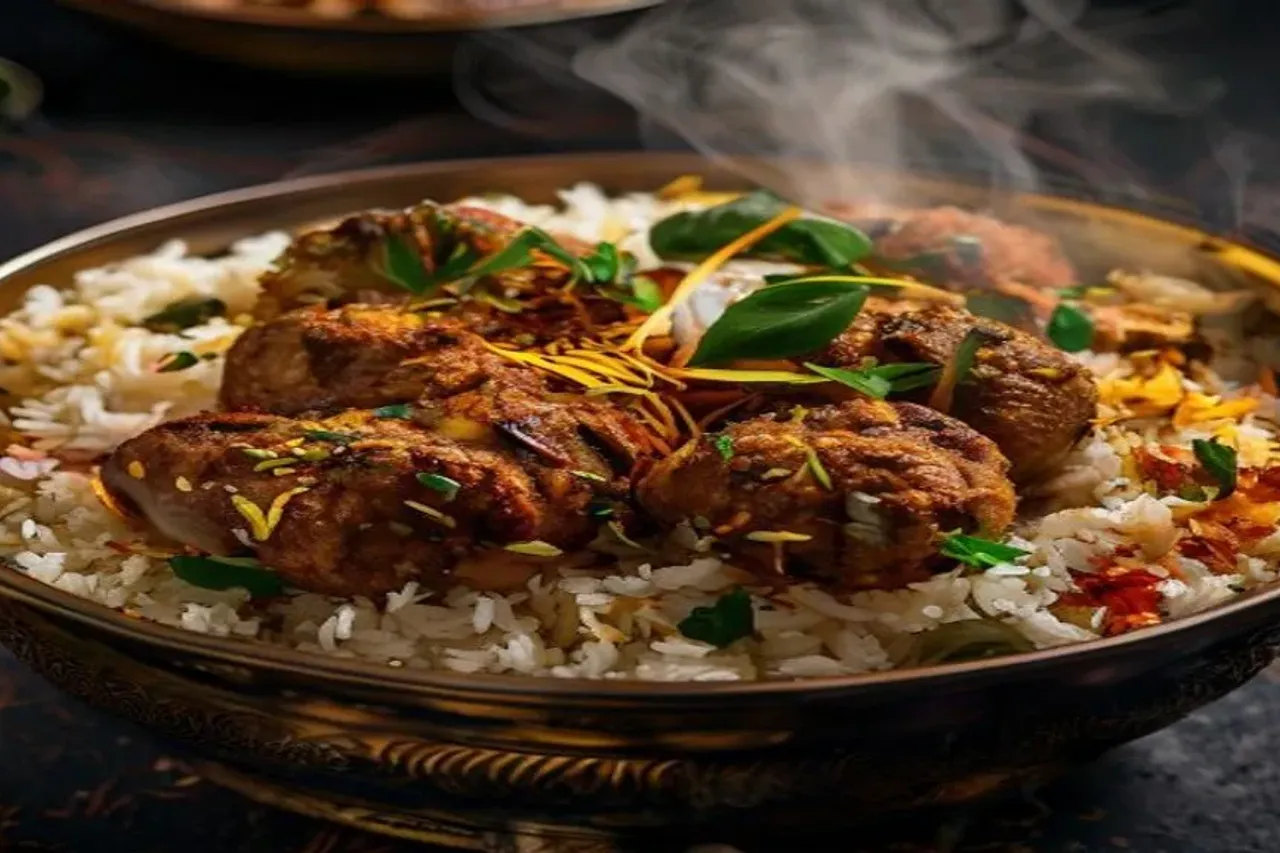
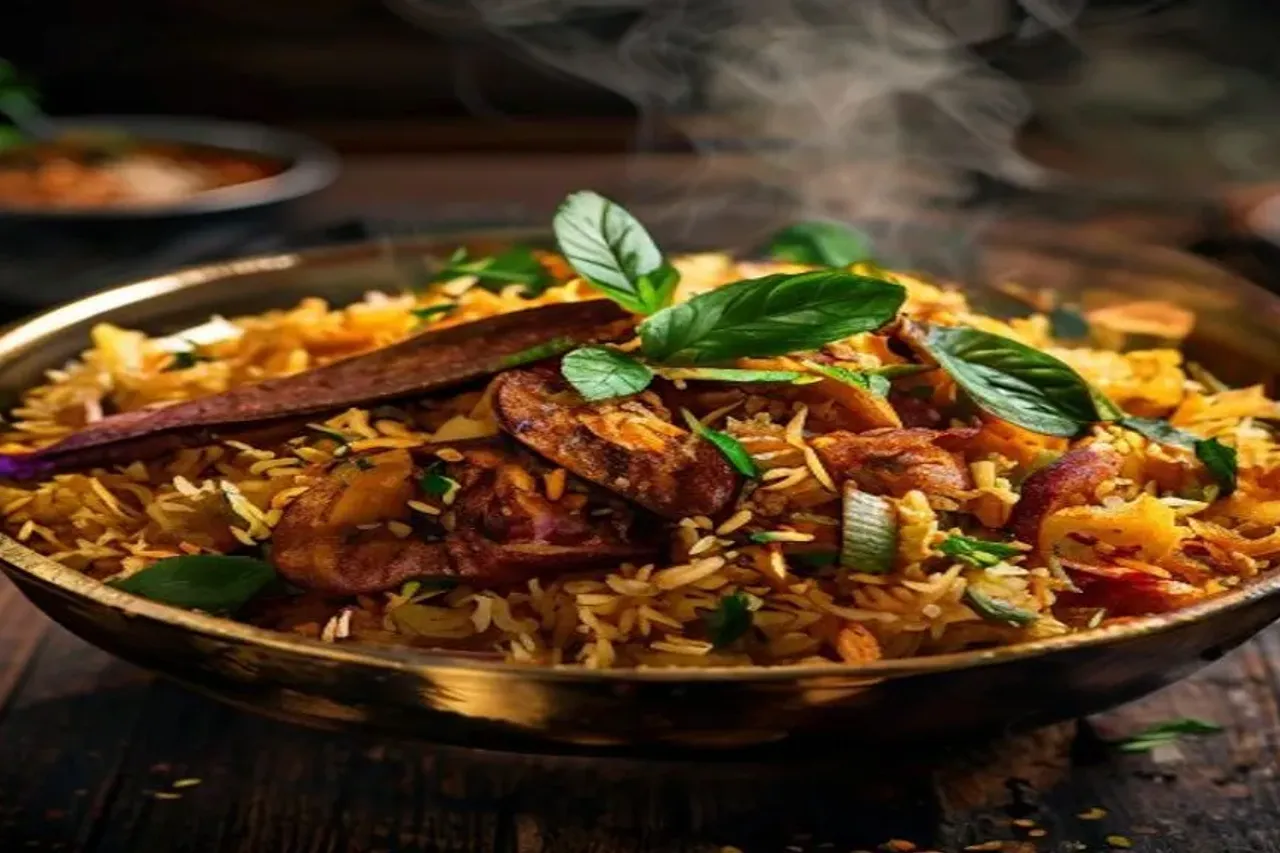
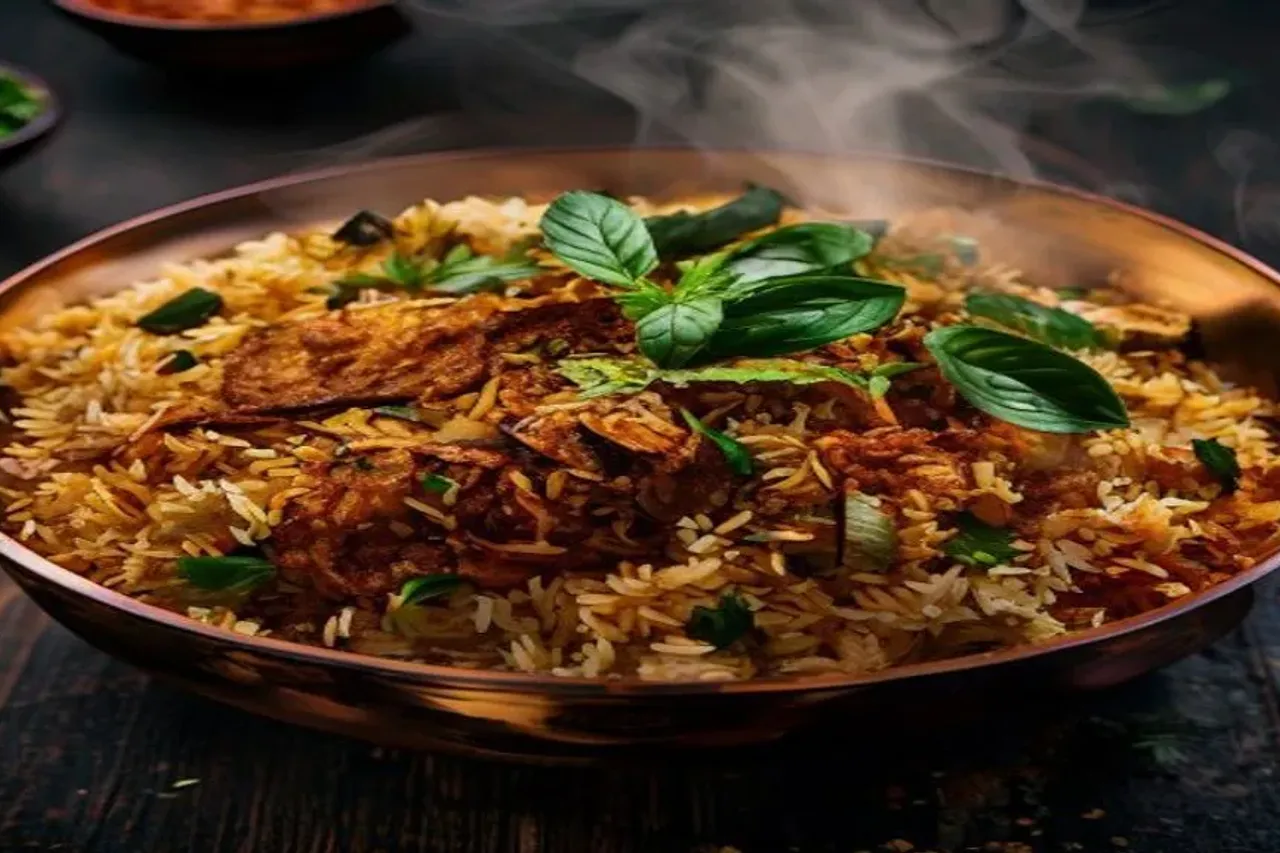
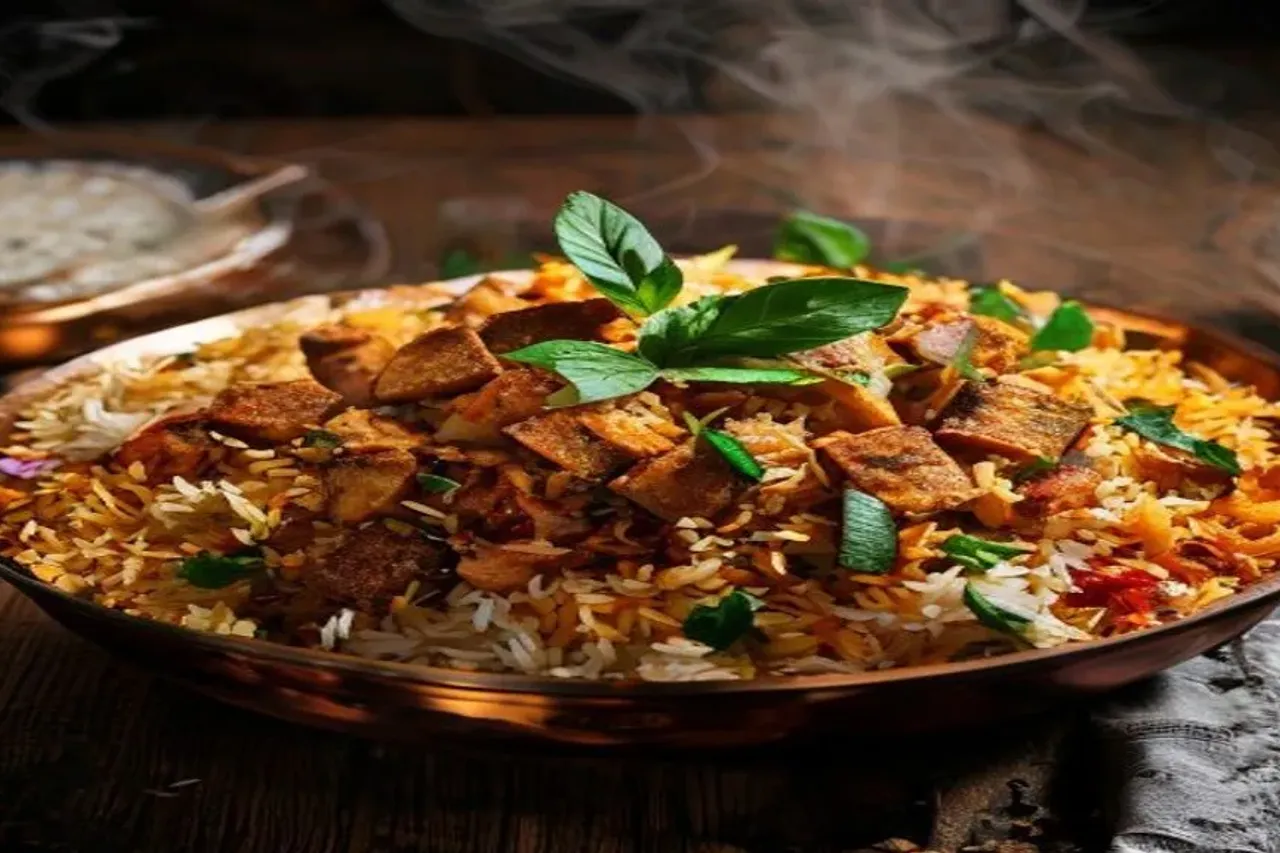
The Ultimate Vegetarian Kofta Biryani Recipe
Royal Nutritional Ledger *
For those counting their gold coins and their calories.
The Royal Disclaimer: These figures are calculated by our finest AI court scholars based on standard ingredient values. They are highly educated estimates meant for guidance, not gospel. If you require absolute scientific precision for medical or dietary salvation, please consult a certified physician rather than our kitchen AI!
Did You Know?
Historical Tidbit
Biryani originated in the royal kitchens of the Mughal Empire as a fusion of native Indian rice dishes and Persian pilafs.
First time here? Click the button above to automatically send all these ingredients to your highest-paying local grocery delivery app.
⚖️ The Modernizer
Missing extinct ingredients? Swap for accessible modern alternatives.
The Golden Rule
"Never skip the low-flame dum phase! Trapping the steam allows the starches in the rice to absorb the rich curry flavors, transforming simple ingredients into an absolute masterpiece."
Ingredients
33 items required
Make Us Your Preferred Culinary Source
AI Emergency Hub
Hit a snag while prepping? Our elite AI tools are here to save your dish.
Missing an Ingredient?
Recipe Disaster?
Chef's Notes
Do not rush the kofta binding process! If your mixture feels too wet, that roasted gram flour is your ultimate savior to absorb excess moisture so the spheres do not dissolve in the oil.
Pro Tip
When boiling the rice, taste a grain at the 5-minute mark. It should break with a slight resistance in the center. If it is fully mushy here, your biryani will turn into porridge later!
Kitchen Catastrophe Warning
Dropping unchilled or wet koftas straight into scorching oil without a test run, leading to your entire batch instantly exploding into a tragic paneer-potato soup of despair.
The Jester's Corner
Royal Court Comedy
The royal jester declares that this biryani is so aromatic, even the palace ghosts started showing up for dinner.
The Culinary Science
Saffron dissolves best in warm liquids because heat releases its natural compounds like crocin and safranal, instantly distributing that iconic golden color and earthy aroma evenly throughout the dish.
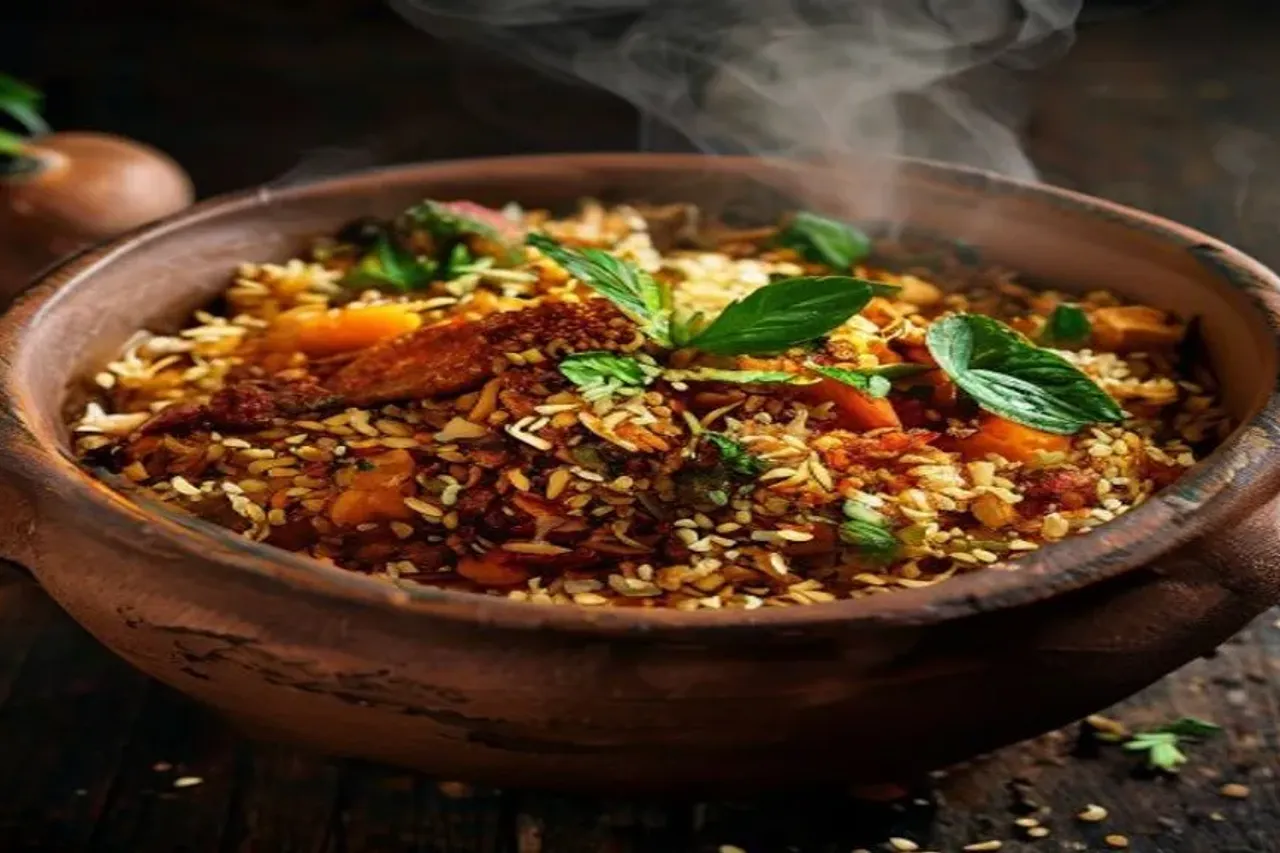
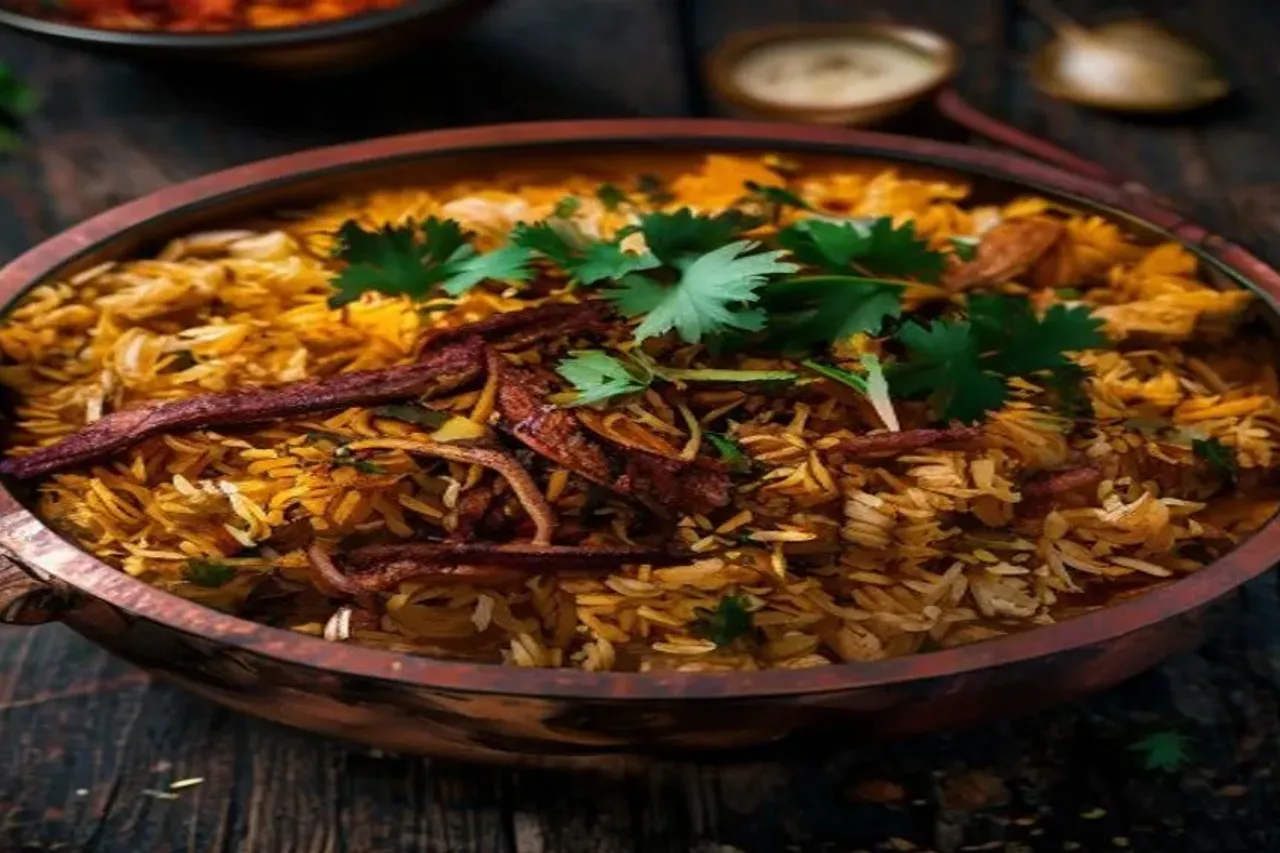
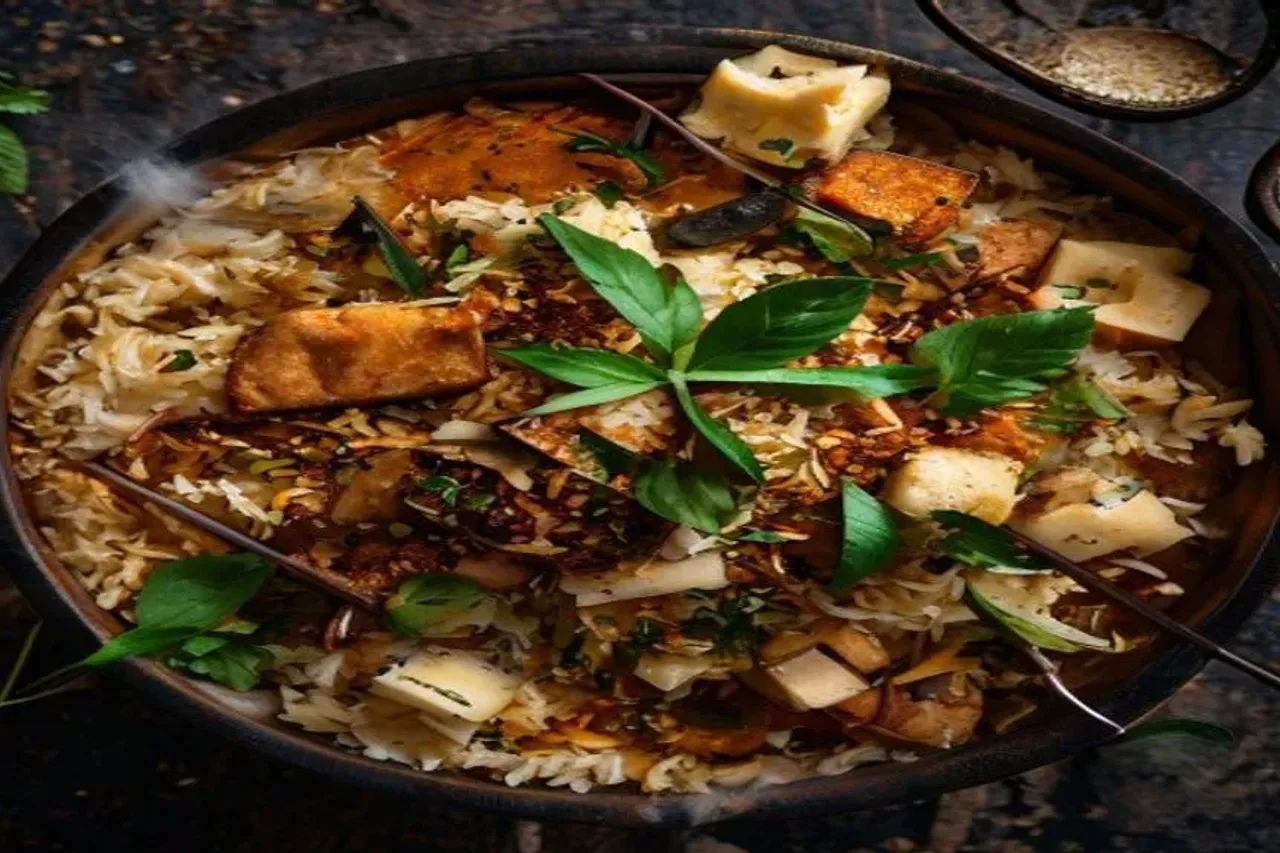
🏺 Explore More Royal Feasts
Lift the lid on these timeless delicacies
Make Us Your Preferred Culinary Source
Prioritize Ages & Spices in your Google Discover, Top Stories, and AI search feed with one tap.
🎭How does this recipe make you feel?
Tap a reaction to share your vibe
General Food Safety & Storage
Storage Science
Cool rapidly. Store in an airtight container in the refrigerator (below 4°C / 40°F). Consume within 3-4 days.
Reheating Science
Reheat to an internal temperature of 165°F (74°C). Use the stove or oven for best texture, stirring or turning occasionally to ensure even heating.
Taster's Notes
Community Feedback
0 Comments
Be the first to leave a note on this recipe!