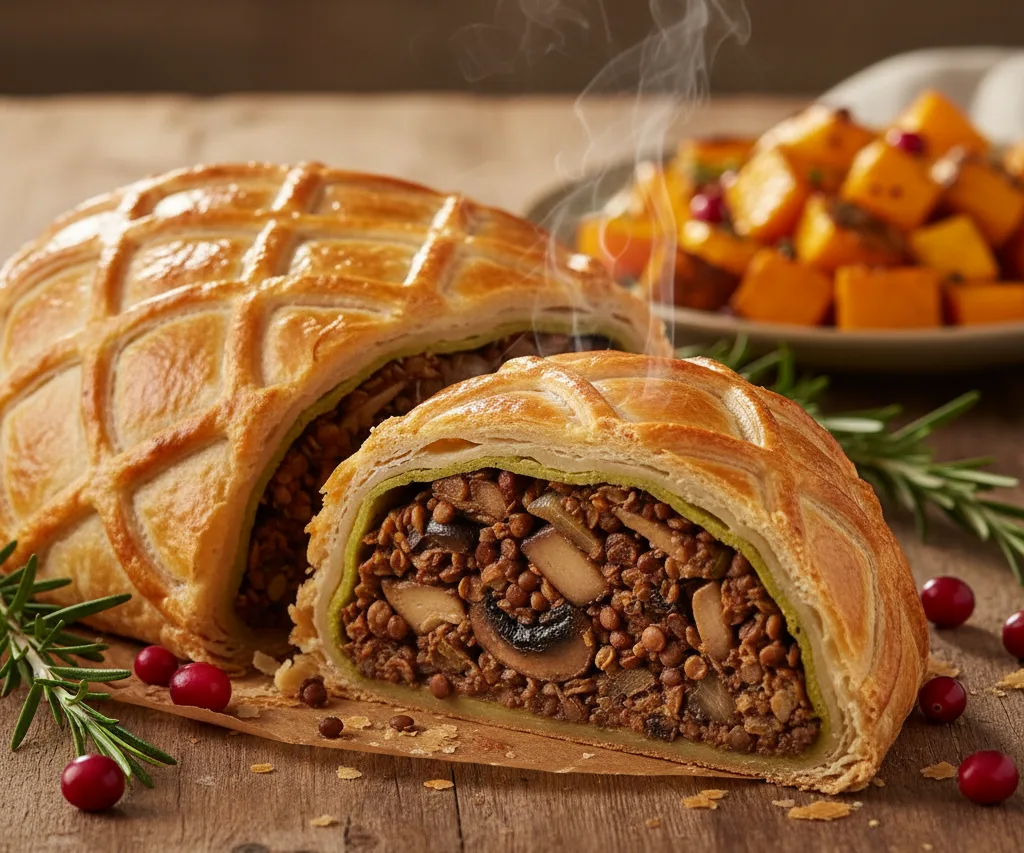
The Ultimate Vegetarian Thanksgiving Mushroom & Lentil Wellington Recipe
Royal Nutritional Ledger *
For those counting their gold coins and their calories.
The Royal Disclaimer: These figures are calculated by our finest AI court scholars based on standard ingredient values. They are highly educated estimates meant for guidance, not gospel. If you require absolute scientific precision for medical or dietary salvation, please consult a certified physician rather than our kitchen AI!
The Grand Thanksgiving Harvest Table: Classic, Modern & Vegetarian Feasts
Did You Know?
Historical Tidbit
The Wellington is named after Arthur Wellesley, the first Duke of Wellington, who defeated Napoleon at Waterloo. It's believed to be a tribute to his favorite dish, a pastry-wrapped beef fillet.
First time here? Click the button above to automatically send all these ingredients to your highest-paying local grocery delivery app.
⚖️ The Modernizer
Missing extinct ingredients? Swap for accessible modern alternatives.
The Golden Rule
"The ONE non-negotiable rule that makes or breaks this dish is ensuring the filling is completely cooled and as dry as possible before encasing it in the crêpes and puff pastry. Excess moisture is the enemy of flaky pastry, leading to a dreaded soggy bottom."
Ingredients
27 items required
For the Herbed Crêpes:
For the Savory Lentil & Mushroom Filling:
For Assembly:
Make Us Your Preferred Culinary Source
AI Emergency Hub
Hit a snag while prepping? Our elite AI tools are here to save your dish.
Missing an Ingredient?
Recipe Disaster?
Chef's Notes
The success of this Wellington lies in the delicate balance of textures and flavors. The crêpe layer is absolutely crucial; it acts as a moisture barrier, preventing the savory, umami-rich lentil and mushroom filling from making the puff pastry soggy. It also adds an extra dimension of herbal flavor. The filling must be cooled completely before assembly to prevent the butter in the puff pastry from melting prematurely, which would hinder its ability to puff into a golden, flaky crust. The deep caramelization of the onions and the thorough sautéing of the mushrooms are key for building profound flavor depth, creating a truly satisfying and hearty centerpiece.
Pro Tip
1. **Chill Everything Thoroughly:** Ensure your lentil and mushroom filling is completely cold before assembling the Wellington. This makes it easier to handle and, more importantly, prevents the butter in the puff pastry from melting too quickly, guaranteeing a superior puff and crispness. || 2. **Master the Lattice:** If attempting a lattice top, work quickly with cold puff pastry. Use a ruler and a pizza cutter or sharp knife for uniform strips. Lay down all vertical strips first, then weave the horizontal strips by folding back every other vertical strip. This meticulous step yields a stunning visual. || 3. **The 'Tap Test' for Doneness:** Gently tap the bottom of the Wellington after baking. A hollow sound indicates a well-baked, crisp bottom. If it sounds dense, return it to the oven for a few more minutes to ensure the base is cooked through and not soggy.
Kitchen Catastrophe Warning
The most common failure mode is a soggy bottom, where the puff pastry underneath the filling remains raw or damp. To salvage this immediately, if you notice it after slicing, you can carefully transfer the slices to a hot, dry skillet for 2-3 minutes per side to crisp up the base. If the entire Wellington is soggy but not yet sliced, return it to a slightly hotter oven (220°C/425°F) for 10-15 minutes, placing it on a preheated baking stone or heavy baking sheet to encourage bottom browning, ensuring the internal temperature is sufficient.
The Jester's Corner
Royal Court Comedy
My family reunion is like a cooking show, but instead of judges, we have Aunt Carol critiquing your gravy. This Wellington is my secret weapon against her!
The Culinary Science
The golden-brown crust of the puff pastry and the caramelized notes in the mushrooms and onions are primarily due to the Maillard reaction. This complex series of chemical reactions occurs between amino acids and reducing sugars when heated, creating hundreds of new flavor compounds and the characteristic aroma and color associated with 'browning'. It's not caramelization (which involves only sugars) but a far more intricate process responsible for many of the most appealing flavors in cooked food.
Featured in Master Menu Collections
Calibrated by culinary science for foolproof execution and maximum flavor.
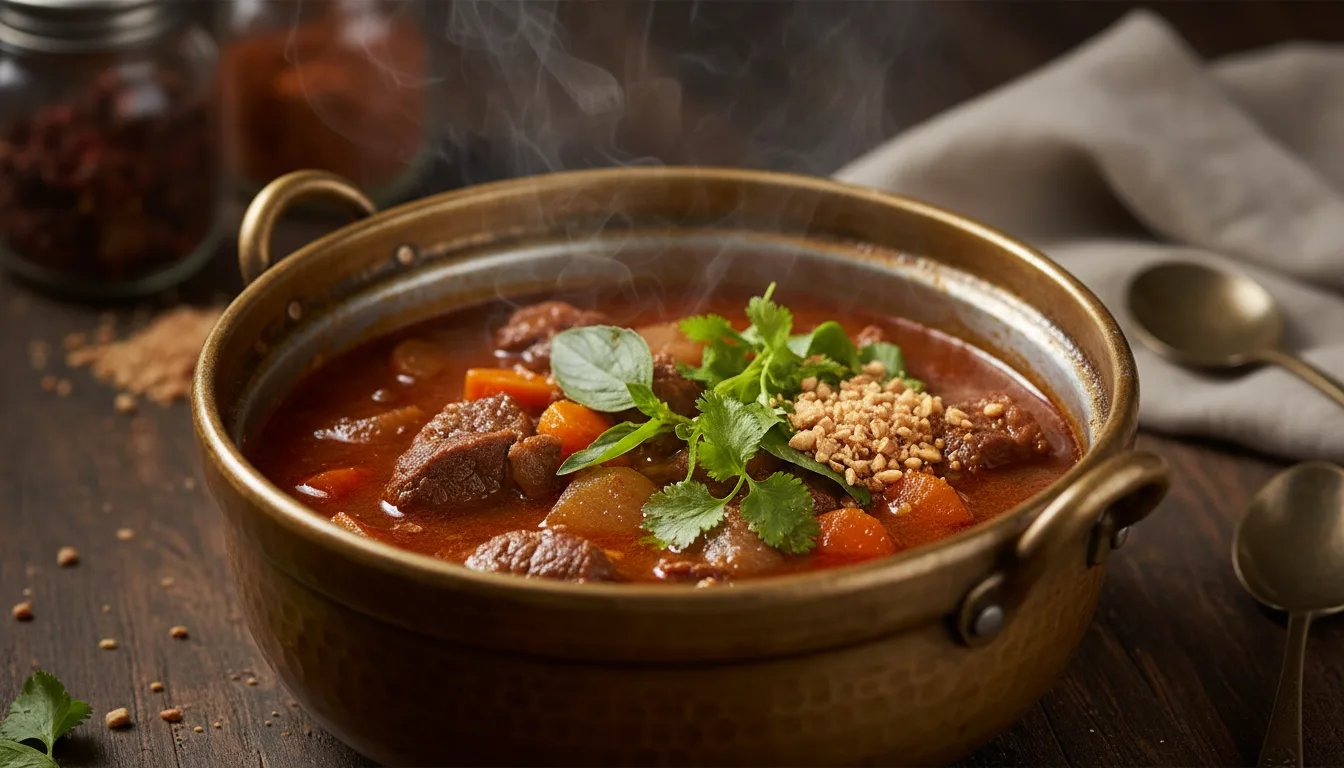
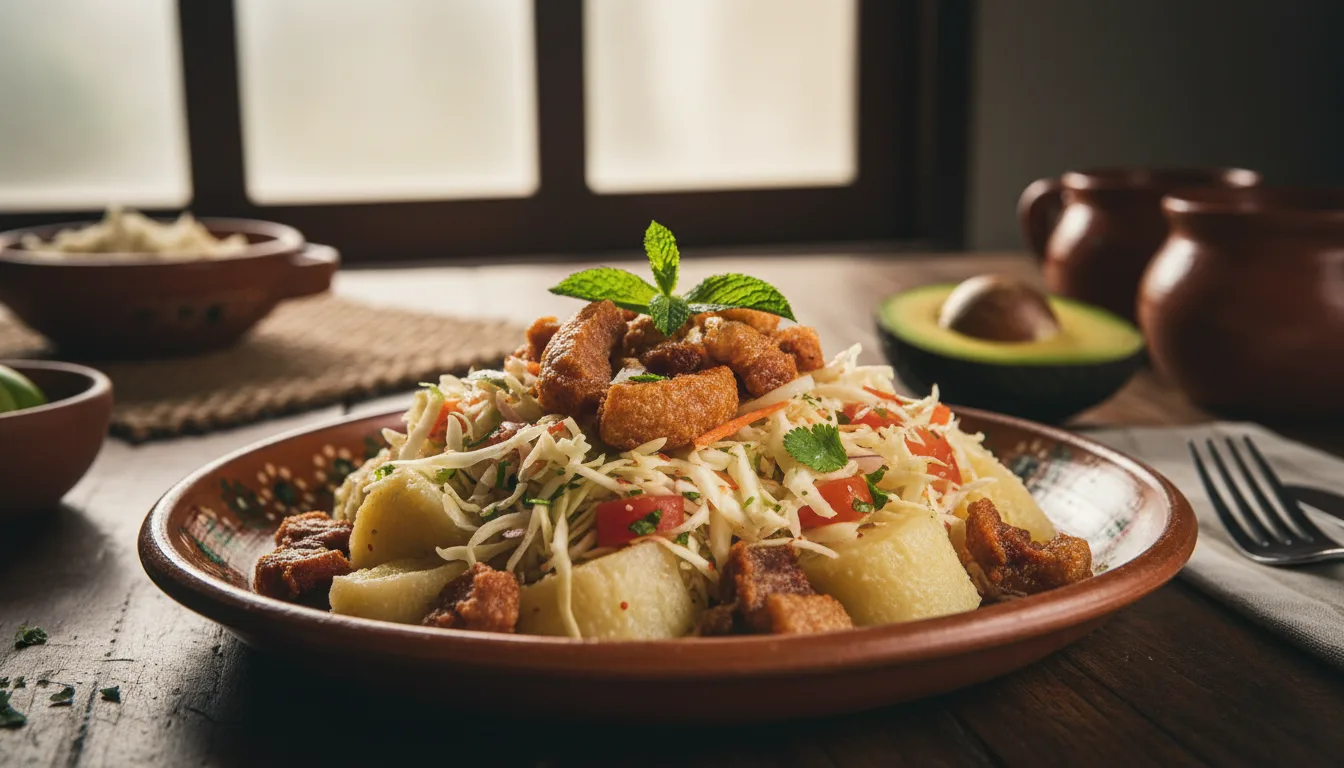
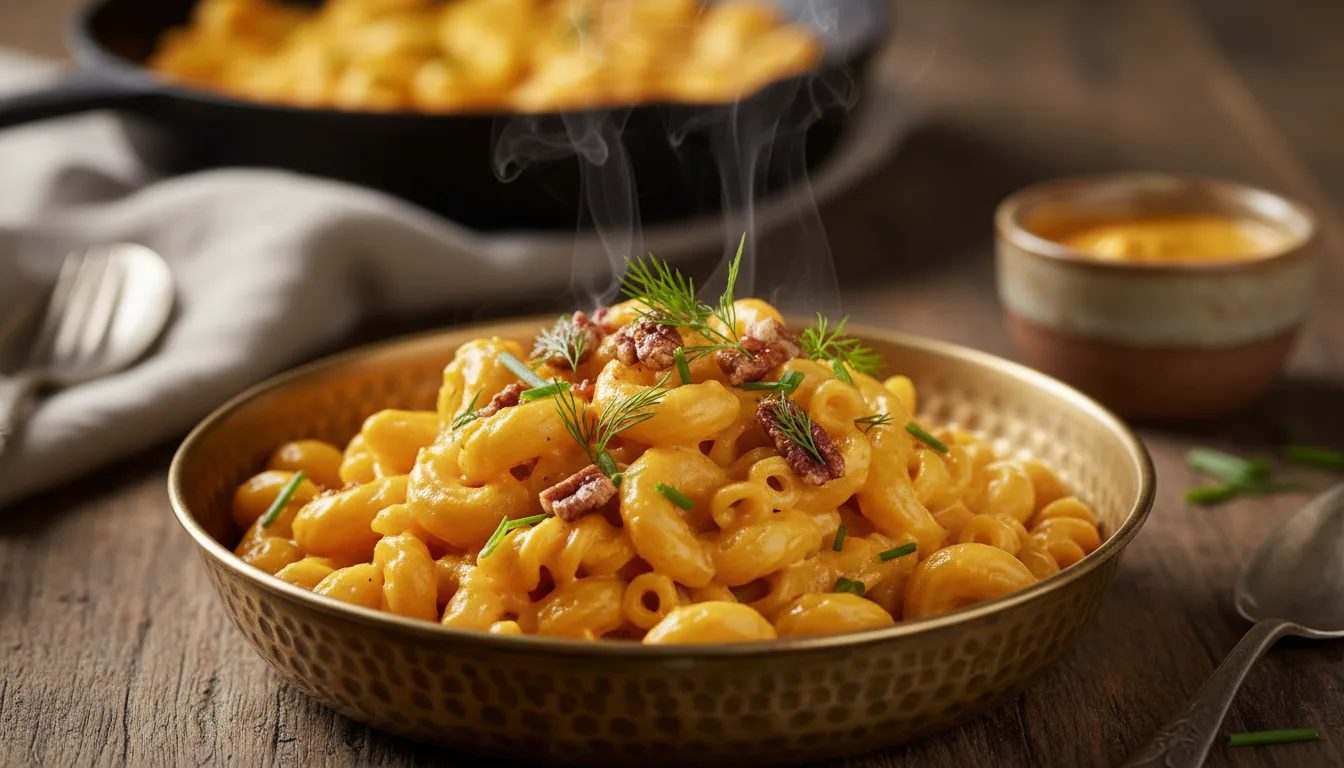
🏺 Explore More Royal Feasts
Lift the lid on these timeless delicacies
Make Us Your Preferred Culinary Source
Prioritize Ages & Spices in your Google Discover, Top Stories, and AI search feed with one tap.
🎭How does this recipe make you feel?
Tap a reaction to share your vibe
General Food Safety & Storage
Storage Science
Cool rapidly. Store in an airtight container in the refrigerator (below 4°C / 40°F). Consume within 3-4 days.
Reheating Science
Reheat to an internal temperature of 165°F (74°C). Use the stove or oven for best texture, stirring or turning occasionally to ensure even heating.
Taster's Notes
Community Feedback
0 Comments
Be the first to leave a note on this recipe!