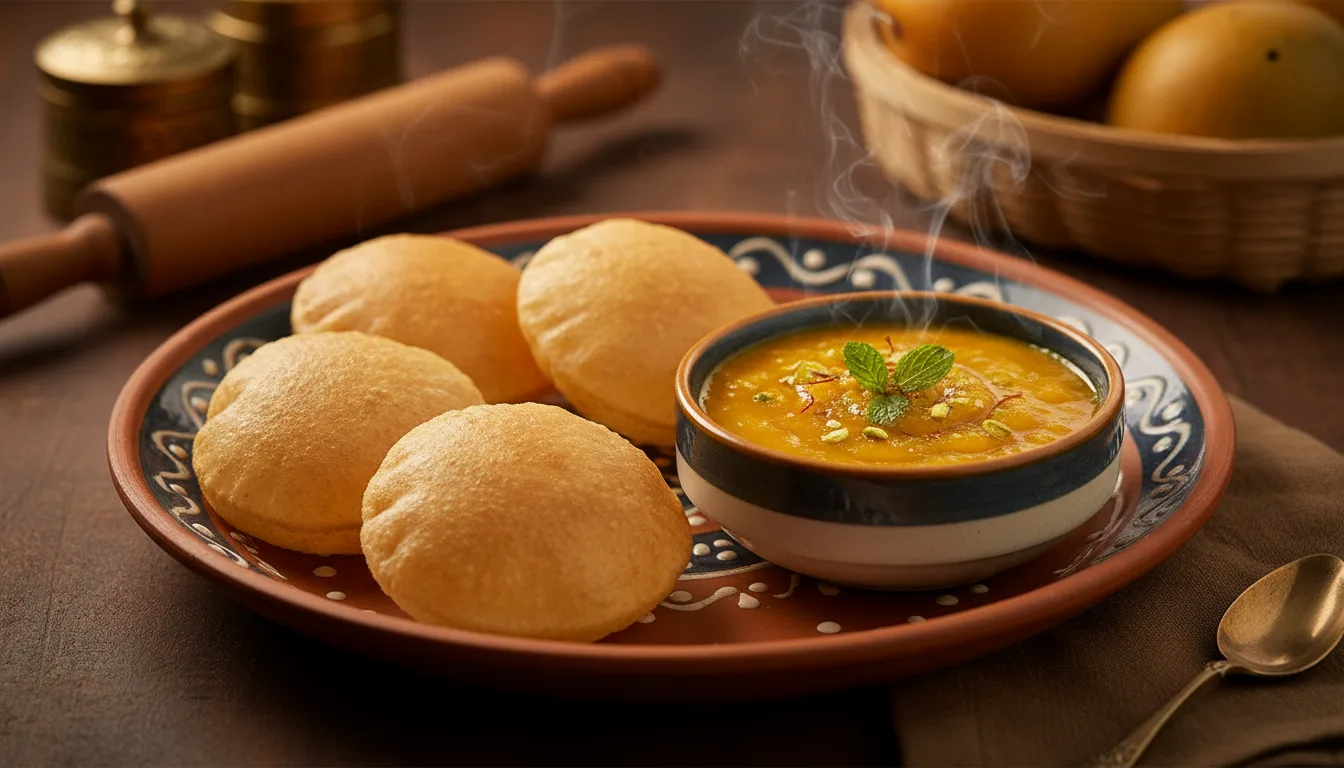
Authentic Aamras Puri Recipe
Royal Nutritional Ledger *
For those counting their gold coins and their calories.
The Royal Disclaimer: These figures are calculated by our finest AI court scholars based on standard ingredient values. They are highly educated estimates meant for guidance, not gospel. If you require absolute scientific precision for medical or dietary salvation, please consult a certified physician rather than our kitchen AI!
The Royal Indian Mango Season: Aamras, Kulfis & Savory Heirlooms
Did You Know?
Historical Tidbit
In historic Gujarat and Maharashtra, the mango season was officially flagged off with 'Aamras Ni मेजवानी' (Feast of Aamras), where royal courts employed dedicated pulp extractors known as 'Rasvalas' who worked through hundreds of crates daily.
First time here? Click the button above to automatically send all these ingredients to your highest-paying local grocery delivery app.
⚖️ The Modernizer
Missing extinct ingredients? Swap for accessible modern alternatives.
The Golden Rule
"Roll the dough exclusively with drops of oil—never dust the rolling board with dry flour (parothan), as loose dry starch burns in 190°C oil, turning into bitter, acrid black soot that adheres to your pristine golden puris."
Ingredients
17 items required
The Royal Alphonso Aamras:
The Crisp Golden Puri Dough:
The Frying Medium:
Make Us Your Preferred Culinary Source
AI Emergency Hub
Hit a snag while prepping? Our elite AI tools are here to save your dish.
Missing an Ingredient?
Recipe Disaster?
Chef's Notes
Master Warning: NEVER puree your aamras in a high-speed countertop blender with aggressive aerating blades! Blending forces micro-pockets of air into the pulp, oxidizing the carotenoid pigments from luminous neon-saffron to a dull brownish-orange and whipping it into a thin, watery froth. Always use a traditional handheld churner (mathani), a flat-bottomed steel cup, or a fine brass sieve for luxurious, viscous silkiness.
Pro Tip
Incorporate exactly 10% fine semolina (rava) relative to your whole wheat atta weight. The semolina forms an insoluble gluten-starch matrix that traps water vapor rapidly and locks the structural crust, ensuring your puris remain inflated and blister-crisp for up to 8 minutes on the plate rather than deflating into soggy discs seconds after exiting the oil.
Kitchen Catastrophe Warning
If your puri fails to puff and sinks flat into an oily stupor: Your frying oil has dropped below 175°C (347°F) or your dough was rolled with uneven thickness, causing steam to leak through microscopic tears. Remedy: Immediately remove the flat puri, bring the oil back up to 190°C (375°F) verified with a thermometer, knead remaining dough balls smooth to eliminate surface fissures, and lightly press the next disc beneath the hot oil using the curved belly of your slotted skimmer to force steam expansion.
The Jester's Corner
Royal Court Comedy
If you witness someone blending pure Alphonso pulp with water and ice in a mixer grinder, call the Ministry of Heritage immediately; that is a felony punishable by exile to barren tundras.
The Culinary Science
The spectacular 'puff' of a puri relies on instantaneous starch gelatinization and rapid Phase Change Vaporization. When the stiff dough (with roughly 50% hydration) enters oil at 190°C (375°F), the surface water flashes into pressurized steam within 1.5 seconds. Because the gluten network has been cross-linked by kneading and sealed by surface lipids, the steam cannot escape; it expands rapidly outward, separating the top and bottom lamellae and inflating the dough into an aerodynamic hollow balloon.
Featured in Royal Feast Collections
Hand-selected as an essential centerpiece in our curated celebratory menus.
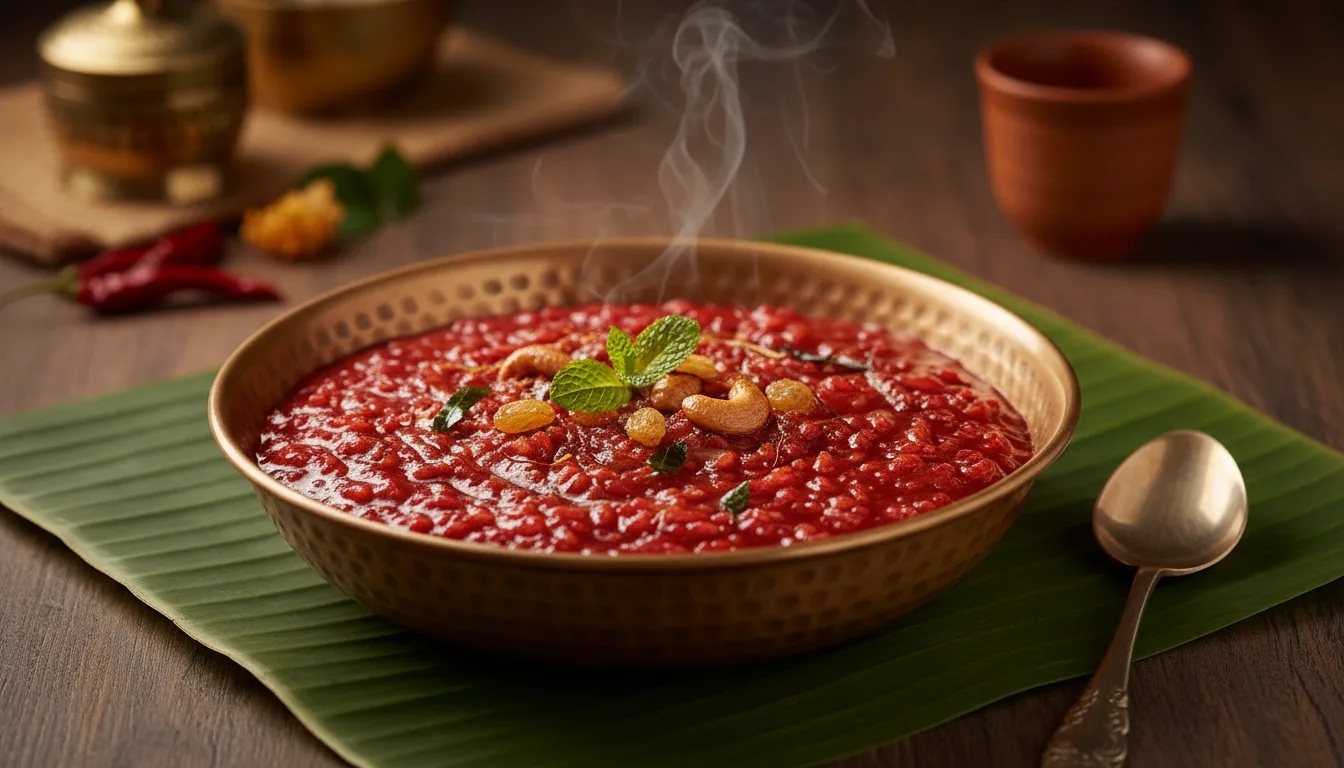
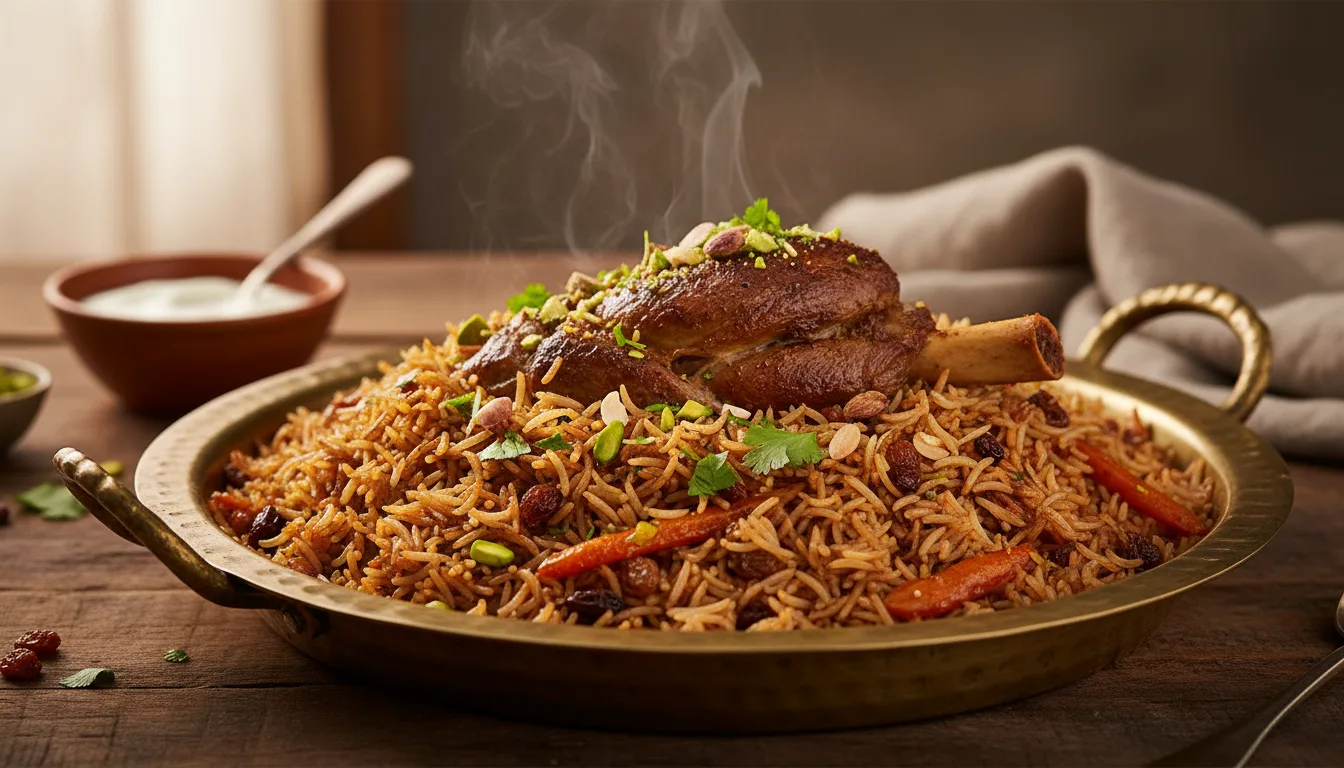
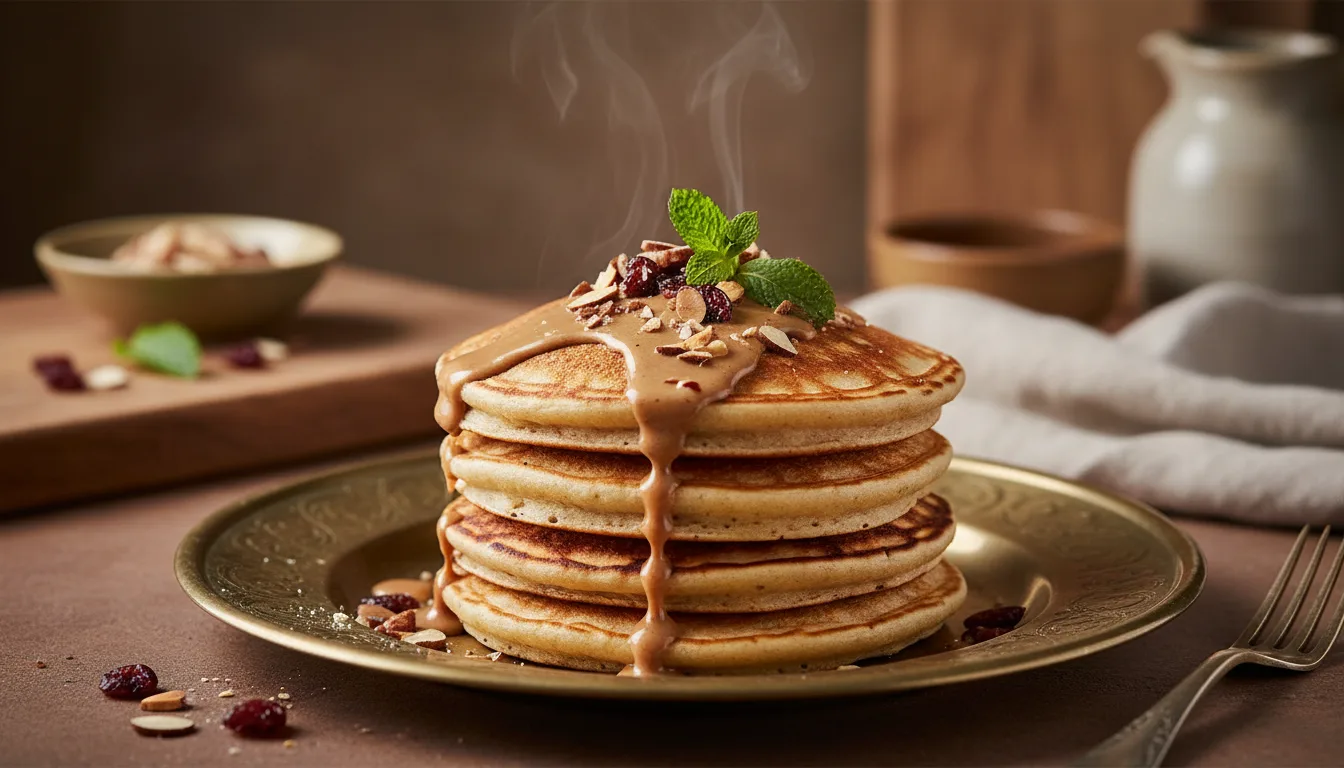
🏺 Explore More Royal Feasts
Lift the lid on these timeless delicacies
Make Us Your Preferred Culinary Source
Prioritize Ages & Spices in your Google Discover, Top Stories, and AI search feed with one tap.
🎭How does this recipe make you feel?
Tap a reaction to share your vibe
Starch Retrogradation Reversal
Storage Science
Store at room temperature in a breathable bread bag or paper wrapper for up to 2 days. DO NOT refrigerate, as the cold accelerates starch retrogradation (staling). For long-term storage, freeze tightly wrapped.
Reheating Science
To reverse staling, flick a few drops of water onto the crust and reheat in a 350°F (175°C) oven for 5-8 minutes. The steam will re-gelatinize the starches, making the crumb soft and the crust crisp.
Taster's Notes
Community Feedback
0 Comments
Be the first to leave a note on this recipe!