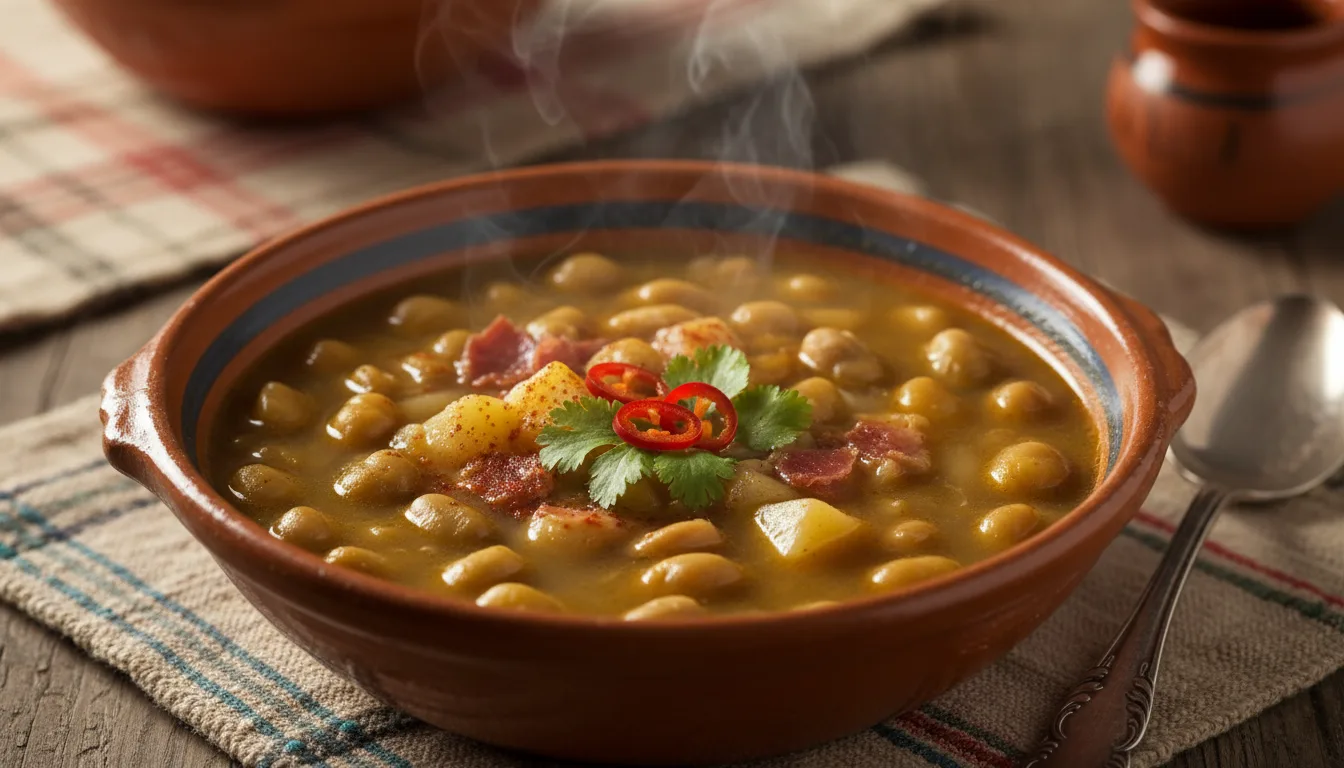
Authentic Caldo de habas Recipe
Royal Nutritional Ledger *
For those counting their gold coins and their calories.
The Royal Disclaimer: These figures are calculated by our finest AI court scholars based on standard ingredient values. They are highly educated estimates meant for guidance, not gospel. If you require absolute scientific precision for medical or dietary salvation, please consult a certified physician rather than our kitchen AI!
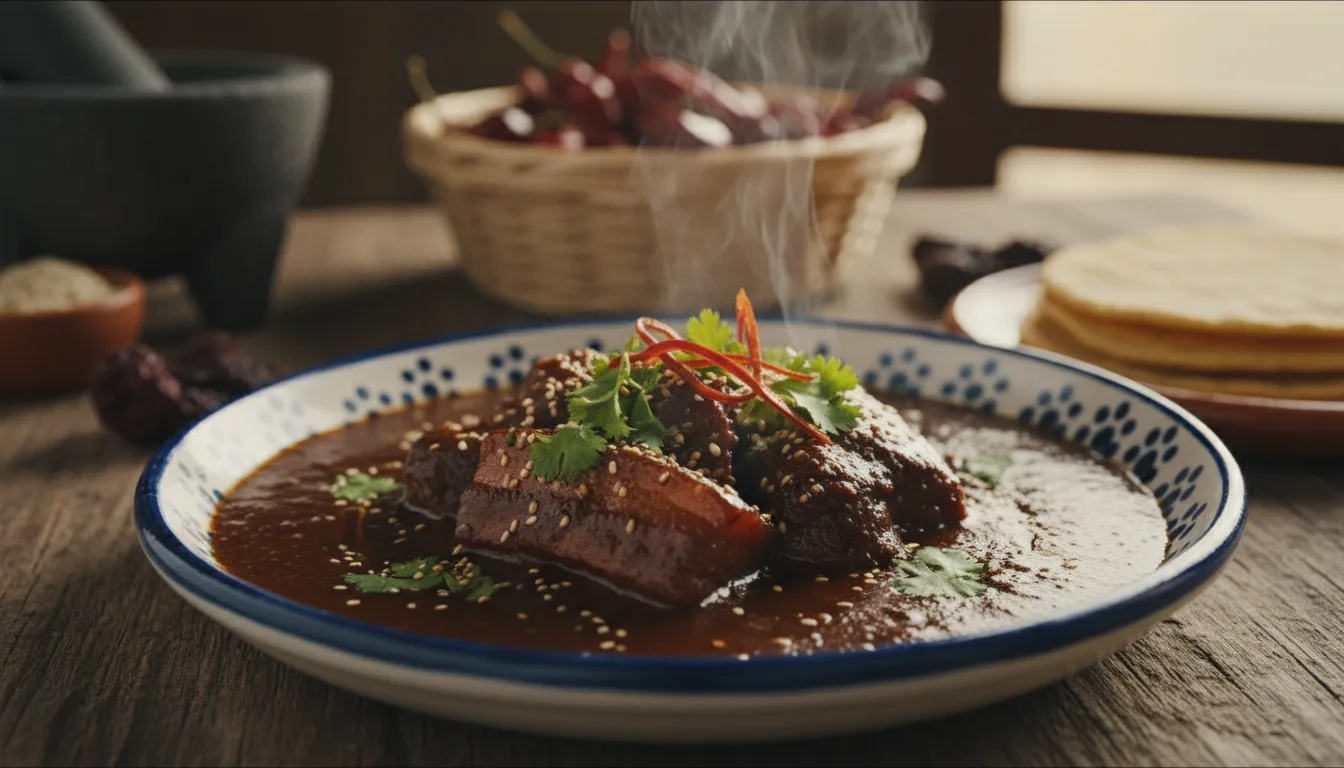
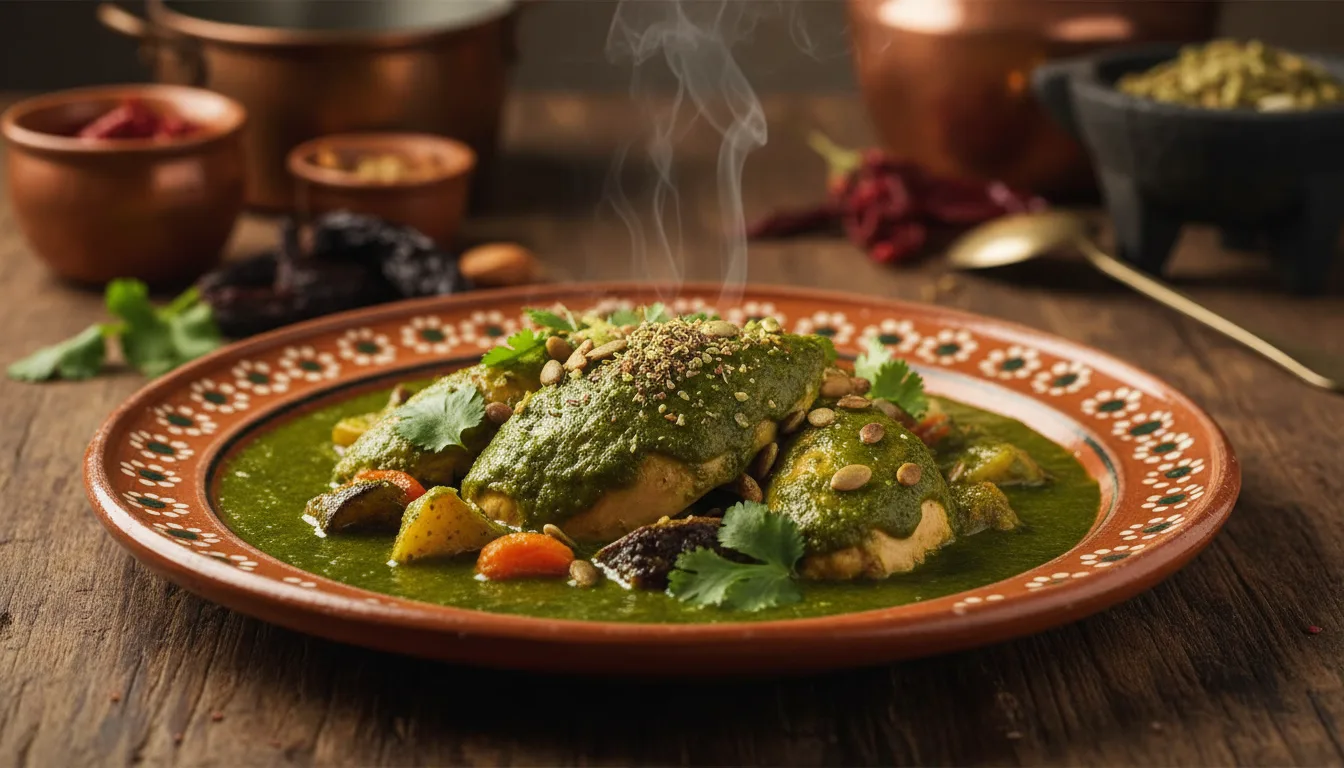
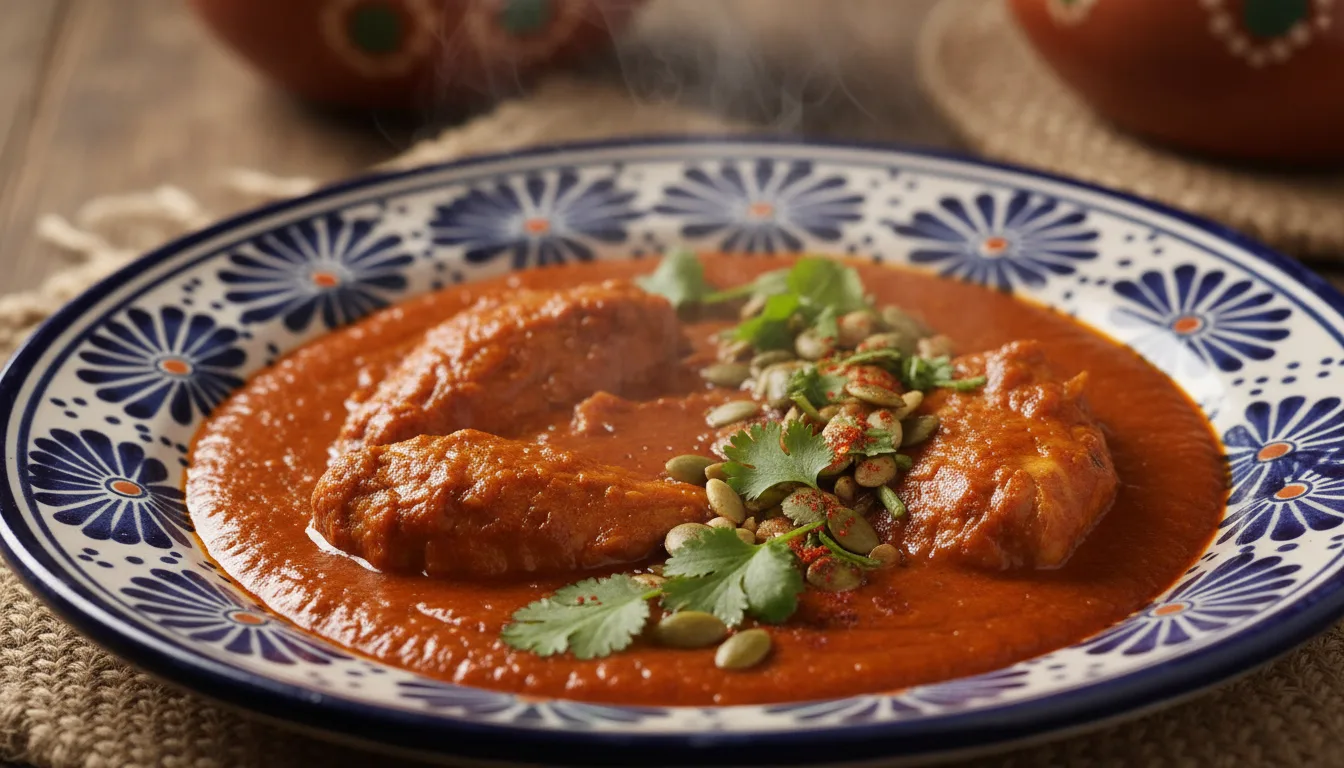
The True Cinco de Mayo Feast: Authentic Puebla Moles, Pipiáns & Regional Heirlooms
Did You Know?
Historical Tidbit
Caldo de habas is a quintessential Poblano Lenten and springtime specialty, famously served in Puebla during the commemoration of the Cinco de Mayo Battle of 1862.
First time here? Click the button above to automatically send all these ingredients to your highest-paying local grocery delivery app.
⚖️ The Modernizer
Missing extinct ingredients? Swap for accessible modern alternatives.
The Golden Rule
"Fresh hierbabuena (spearmint) added at the final flame-off steep is non-negotiable; substitute with peppermint or dried mint, and you transform Puebla's sacred nectar into medicinal mouthwash."
Ingredients
20 items required
The Legume Foundation:
The Poblano Recaudo (Aromatic Puree):
The Herbal Infusion & Finishing Garnishes:
Make Us Your Preferred Culinary Source
AI Emergency Hub
Hit a snag while prepping? Our elite AI tools are here to save your dish.
Missing an Ingredient?
Recipe Disaster?
Chef's Notes
The cardinal sin of Caldo de habas is totally puréeing it into baby food. Authentic Poblano texture is semi-creamy with distinct, tender suspended legume fragments. Pulse sparingly or use a wire masher. Furthermore, never add salt at the very beginning of boiling the raw dried habas, as sodium ions can interfere with pectin breakdown and significantly lengthen cook time.
Pro Tip
Master the Mexican technique of 'chillar la cazuela' (making the pot scream). When the charred tomato recaudo hits the smoking lard, it must fry fiercely until the raw acidity boils out and the tomato sugars caramelize into deep umami notes. If your oil doesn't separate in shiny droplets from the tomato paste during Step 4, your recaudo was merely boiled, not fried.
Kitchen Catastrophe Warning
If your soup reduced too much and turned into an impenetrable, concrete-like bean paste, do not panic and do not add cold tap water, which will break the starch emulsion. Bring 2 cups of chicken broth or water to a rolling boil separately, then whisk it into the bean paste 1/2 cup at a time over low heat until the consistency of heavy cream is fully restored.
The Jester's Corner
Royal Court Comedy
The French Army in 1862 didn't actually retreat from Puebla due to military tactics; General Zaragoza simply wafted the aroma of simmering Caldo de habas over the ramparts, reducing their battalions to tears of homesick surrender.
The Culinary Science
Fava beans possess exceptionally high concentrations of amylose and amylopectin starches alongside globular proteins. When cooked past gelatinization temperature (68°C–75°C), the starch granules swell and rupture, leaching linear amylose polymers into the broth. When partially mashed and agitated into the fat-rich recaudo, these starch polymers form a colloidal suspension that naturally mimics the mouthfeel of dairy cream without adding a single drop of lactose.
Featured in Master Menu Collections
Calibrated by culinary science for foolproof execution and maximum flavor.
🏺 Explore More Royal Feasts
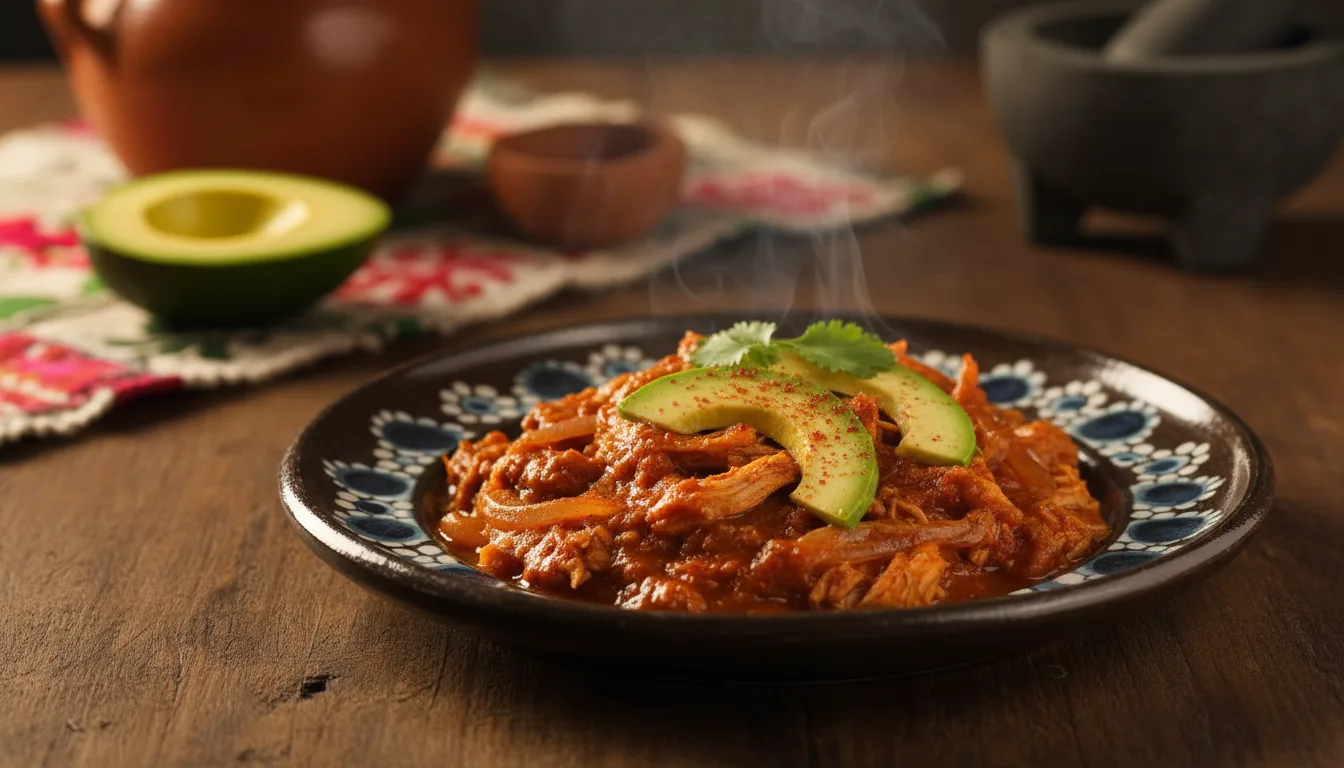
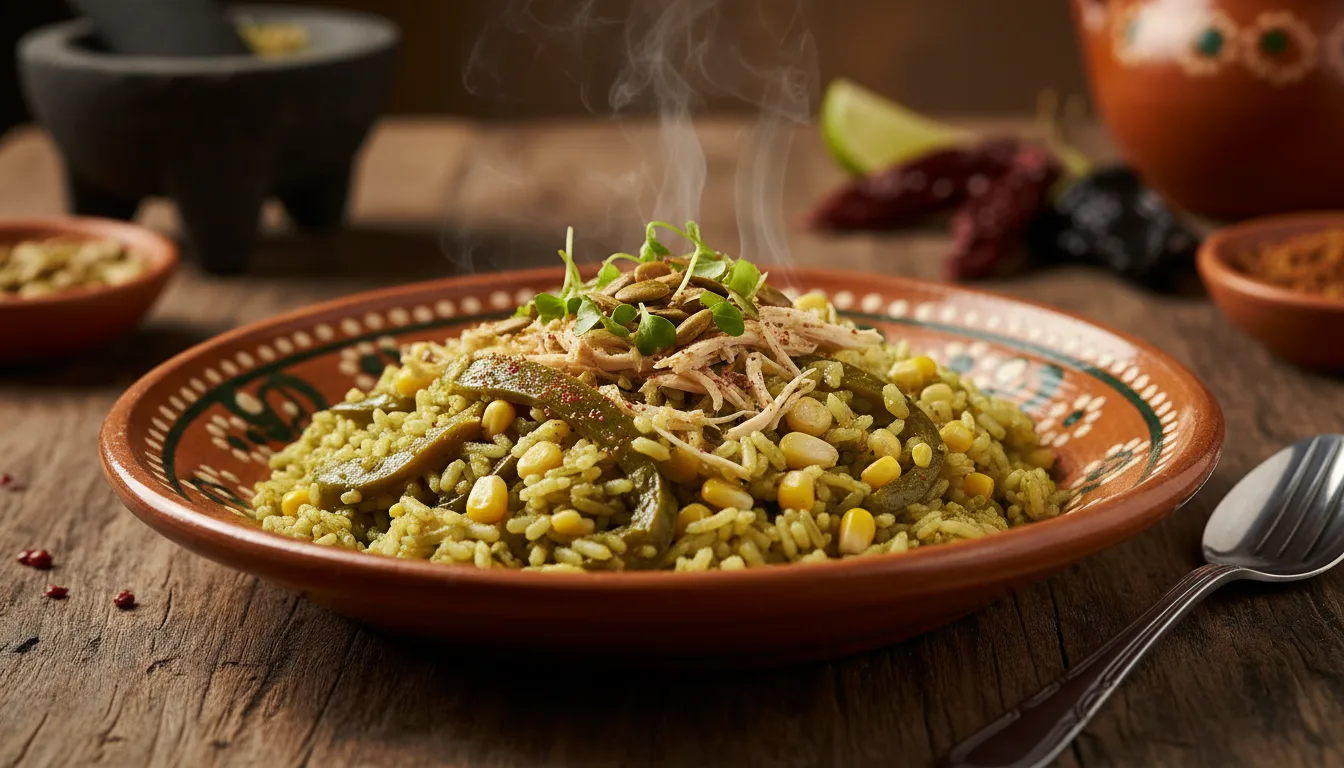
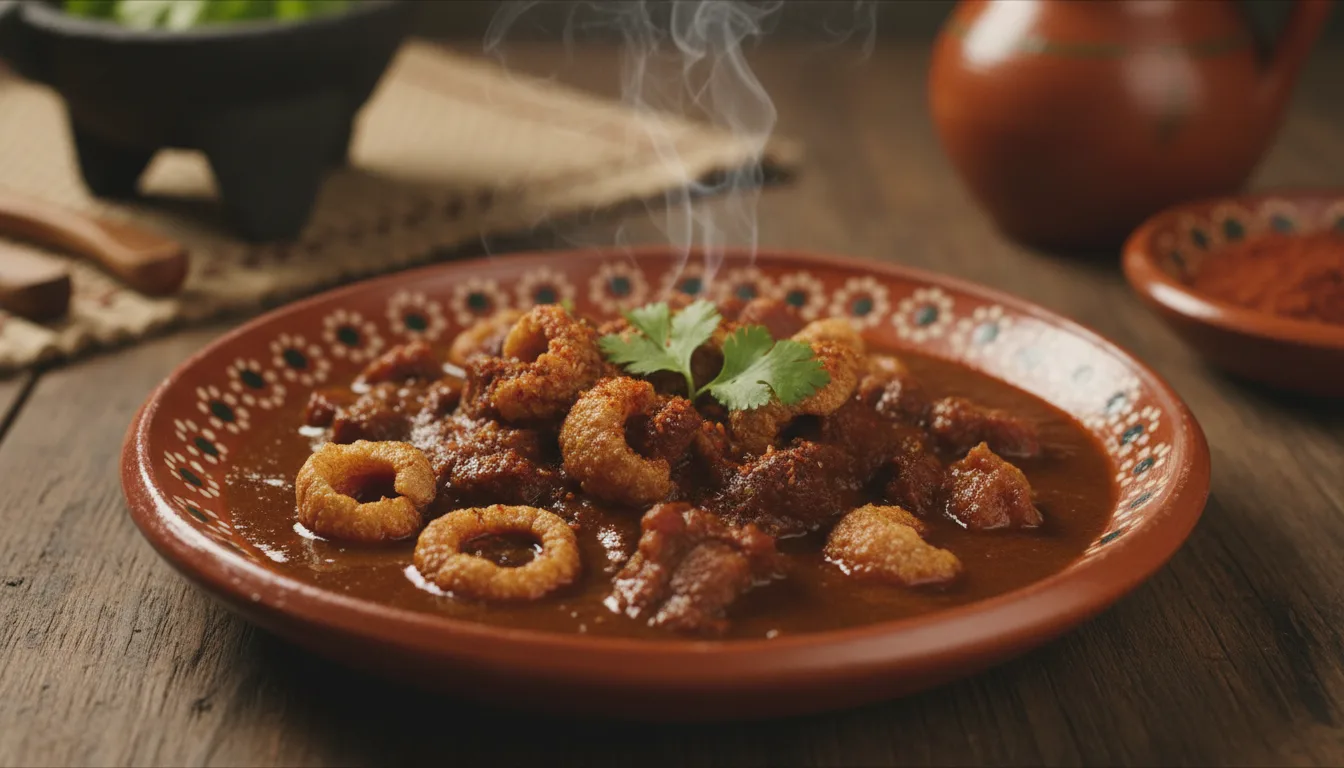
Lift the lid on these timeless delicacies
Make Us Your Preferred Culinary Source
Prioritize Ages & Spices in your Google Discover, Top Stories, and AI search feed with one tap.
🎭How does this recipe make you feel?
Tap a reaction to share your vibe
Flavor Maturation & Emulsion Protection
Storage Science
Cool rapidly in a shallow container before refrigerating. Curries and stews often taste better on day two as aromatic compounds continue to bloom and mingle in the fat matrix. Consume within 4 days.
Reheating Science
Reheat slowly on the stovetop over medium-low heat, stirring gently. If the fat has separated (broken emulsion), add a tablespoon of boiling water and whisk vigorously to re-emulsify before serving.
Taster's Notes
Community Feedback
0 Comments
Be the first to leave a note on this recipe!