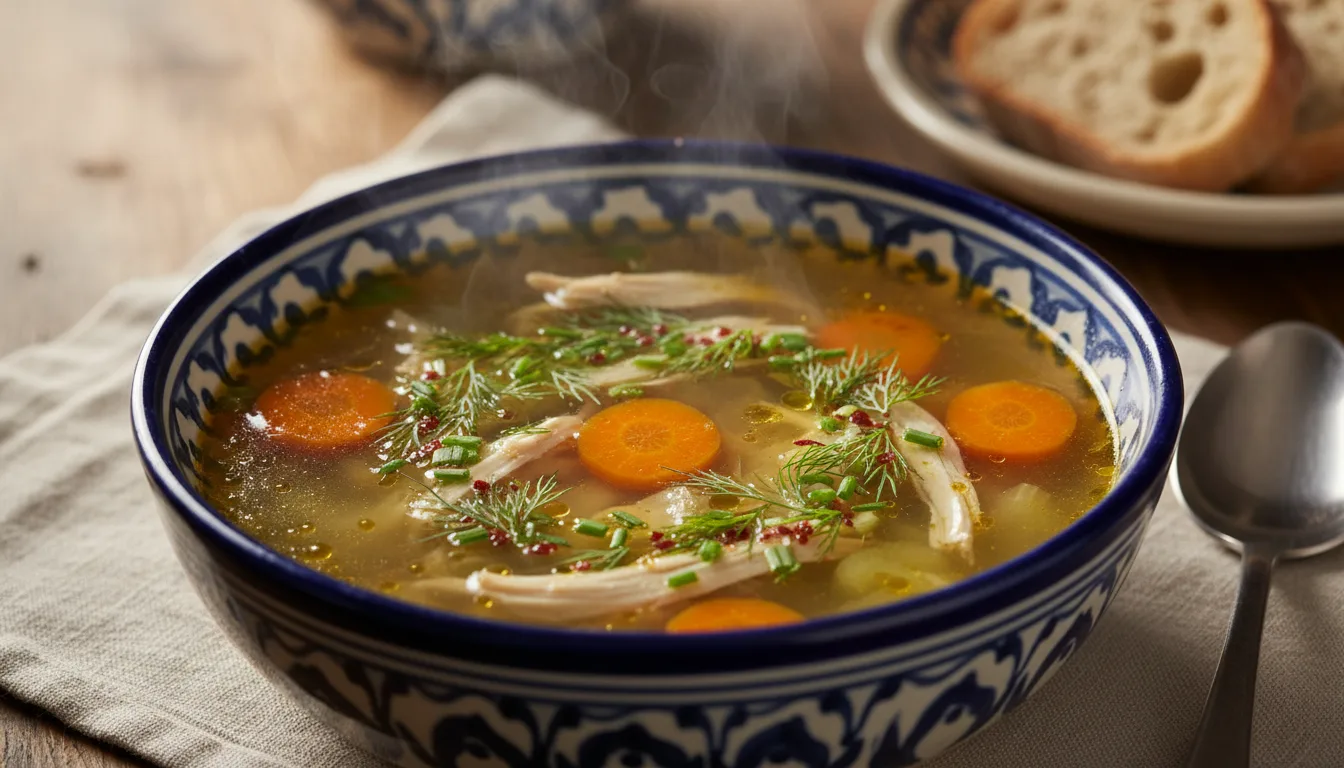
Authentic Chicken Soup without Matzah Balls Recipe
Royal Nutritional Ledger *
For those counting their gold coins and their calories.
The Royal Disclaimer: These figures are calculated by our finest AI court scholars based on standard ingredient values. They are highly educated estimates meant for guidance, not gospel. If you require absolute scientific precision for medical or dietary salvation, please consult a certified physician rather than our kitchen AI!
The Pesach Seder & Passover Feast: Unleavened Heirlooms, Matzah Farfel & Slow-Braised Brisket
Did You Know?
Historical Tidbit
Rabbi and royal physician Moses Maimonides (the Rambam) prescribed chicken broth in the 12th century as a potent medicinal remedy for respiratory ailments, hemiplegia, and melancholy.
First time here? Click the button above to automatically send all these ingredients to your highest-paying local grocery delivery app.
⚖️ The Modernizer
Missing extinct ingredients? Swap for accessible modern alternatives.
The Golden Rule
"Always start with ice-cold filtered water and never let the liquid exceed a faint, lazy bubble; skimming the initial protein foam determines the crystalline clarity of your broth."
Ingredients
18 items required
The Poultry & Collagen Foundation:
The Aromatics & Golden Hue:
The Botanical Herbs & Seasoning:
Make Us Your Preferred Culinary Source
AI Emergency Hub
Hit a snag while prepping? Our elite AI tools are here to save your dish.
Missing an Ingredient?
Recipe Disaster?
Chef's Notes
Boiling is the mortal enemy of Ashkenazi chicken soup. A violent rolling boil mechanically pulverizes rendered lipids and dissolved gelatin into a colloidal emulsion, turning your sparkling golden consommé into an irreversible, cloudy, dishwater-grey sludge. Maintain a quiet, trembling simmer where the liquid merely smiles.
Pro Tip
Keep the golden papery outer skins on the yellow onions; they act as a natural vegetable dye rich in quercetin, giving the broth its hallmark luminous topaz hue without artificial additives. Reserve the second half of the fresh dill for a three-minute steep off the heat right before serving—heat degrades delicate volatile monoterpenes, and this final infusion ensures an explosive fresh herbal fragrance.
Kitchen Catastrophe Warning
If a careless kitchen hand turns the stove up and your soup boils into a cloudy, murky fog, perform a culinary salvage: let the soup cool completely to room temperature, whisk four raw egg whites with crushed eggshells, stir them into the lukewarm broth, and bring it slowly to a very gentle simmer without stirring. The egg whites will form a chemical 'raft' that traps suspended particulate matter; gently ladle the clarified crystal broth from beneath the raft through damp cheesecloth.
The Jester's Corner
Royal Court Comedy
The matzah balls have been granted a royal sabbatical; grandmothers across three continents are already scheduling emergency family meetings to address the structural deficit.
The Culinary Science
Starting with cold water allows soluble albumins and sarcoplasmic proteins to diffuse out of the chicken meat and skeletal tissues gradually. As the liquid slowly ascends through the 60°C–80°C (140°F–176°F) threshold, these proteins denature and aggregate into large, cohesive clumps that float to the surface for effortless skimming. Simmering at 85°C (185°F) gently hydrolyzes triple-helix collagen from the joints into gelatin without agitating lipids into an irreversible fat-in-water emulsion.
Featured in Master Menu Collections
Calibrated by culinary science for foolproof execution and maximum flavor.
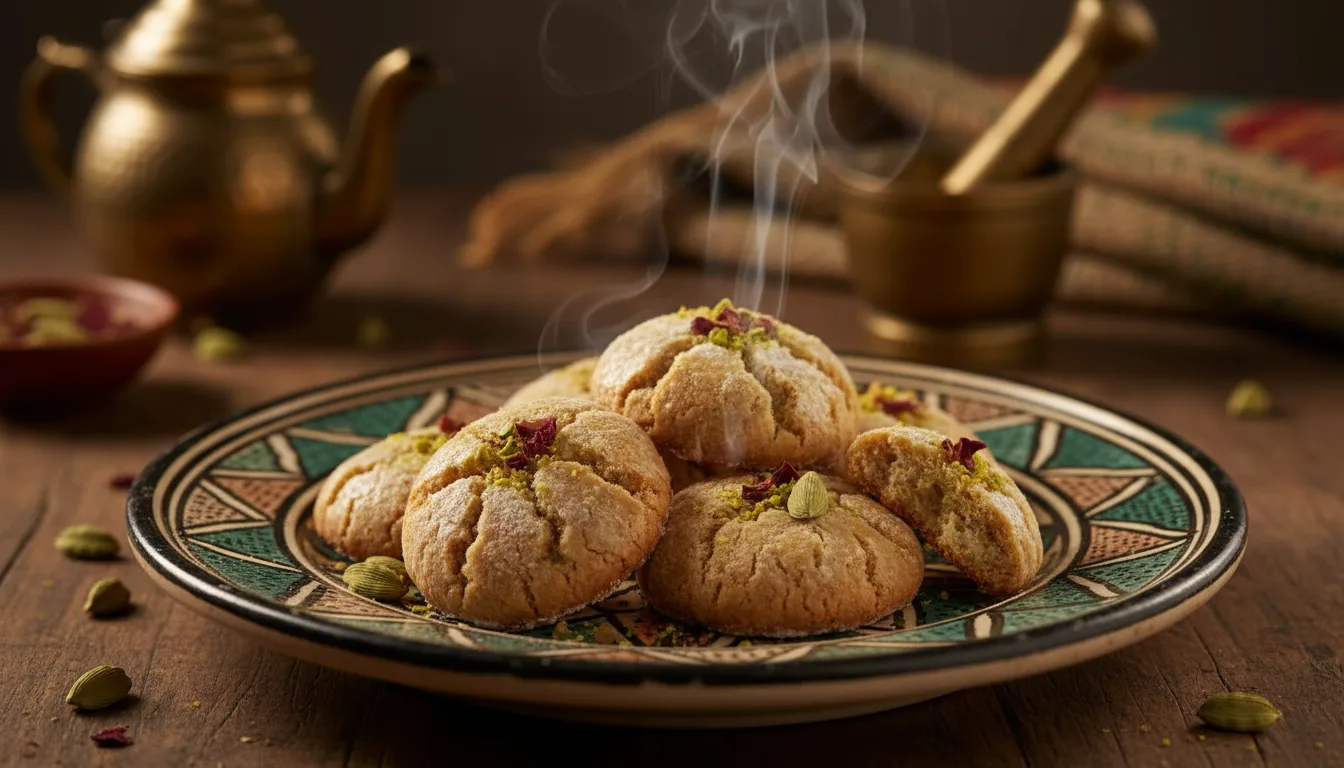
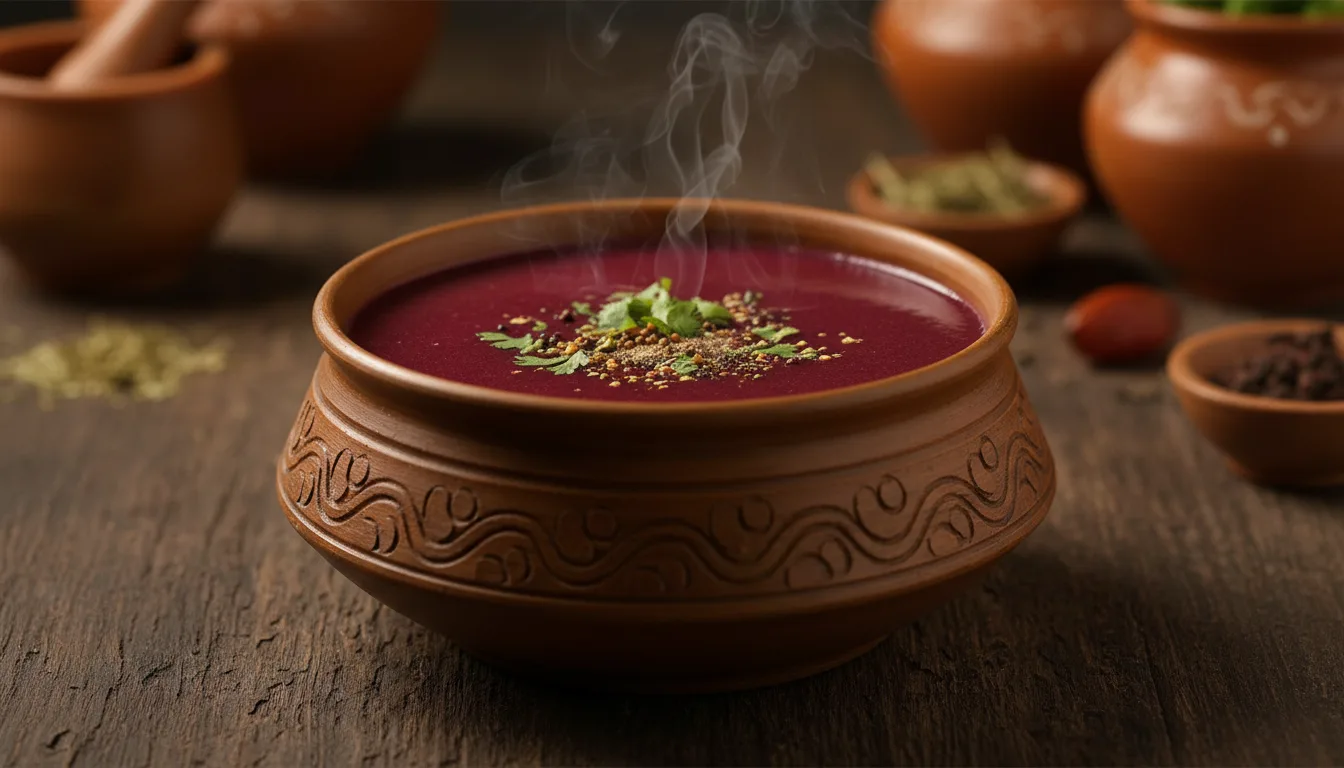
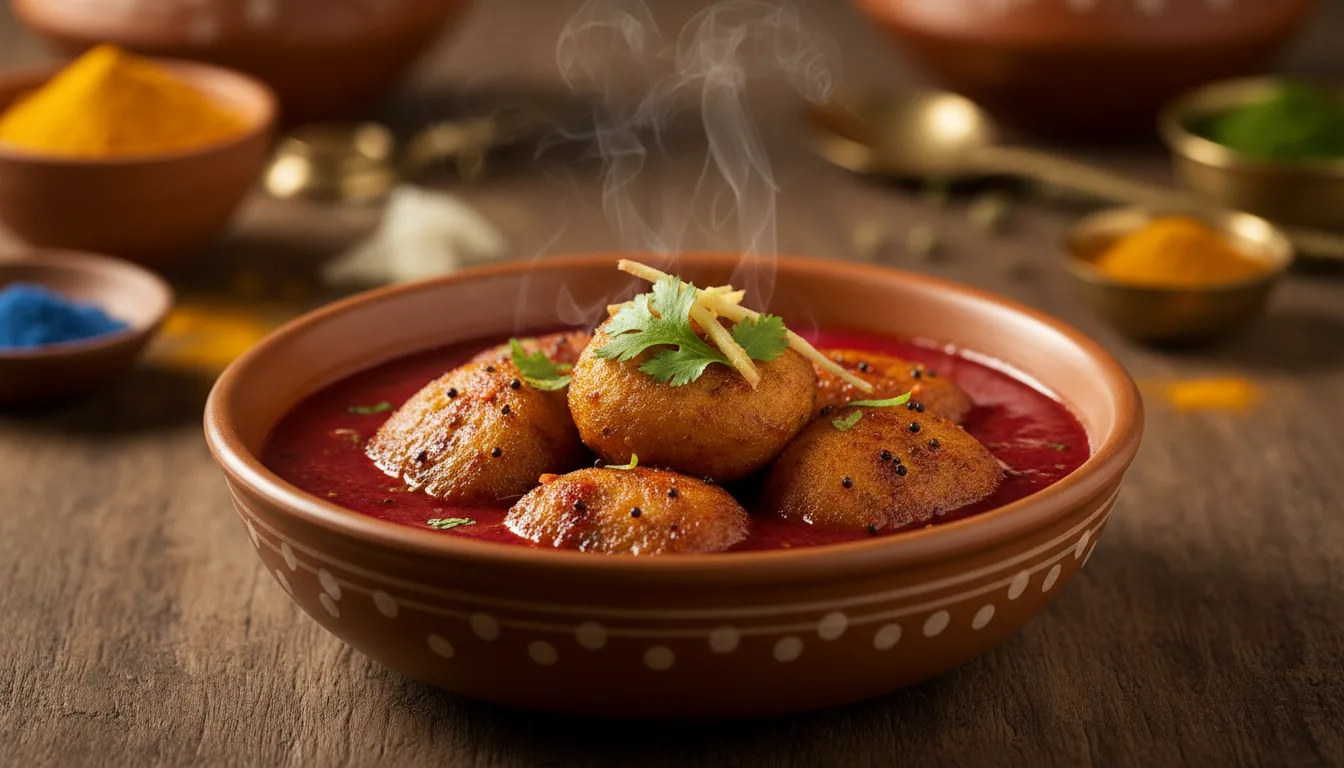
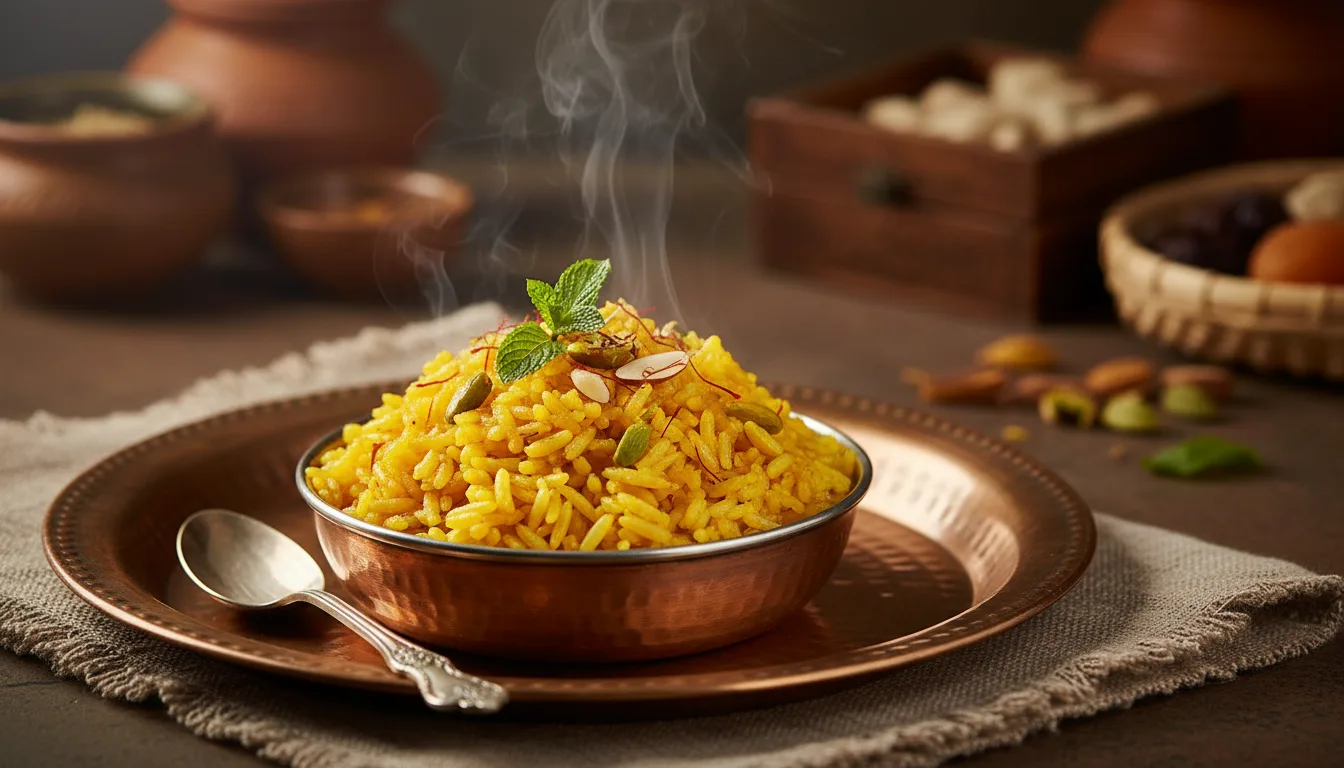
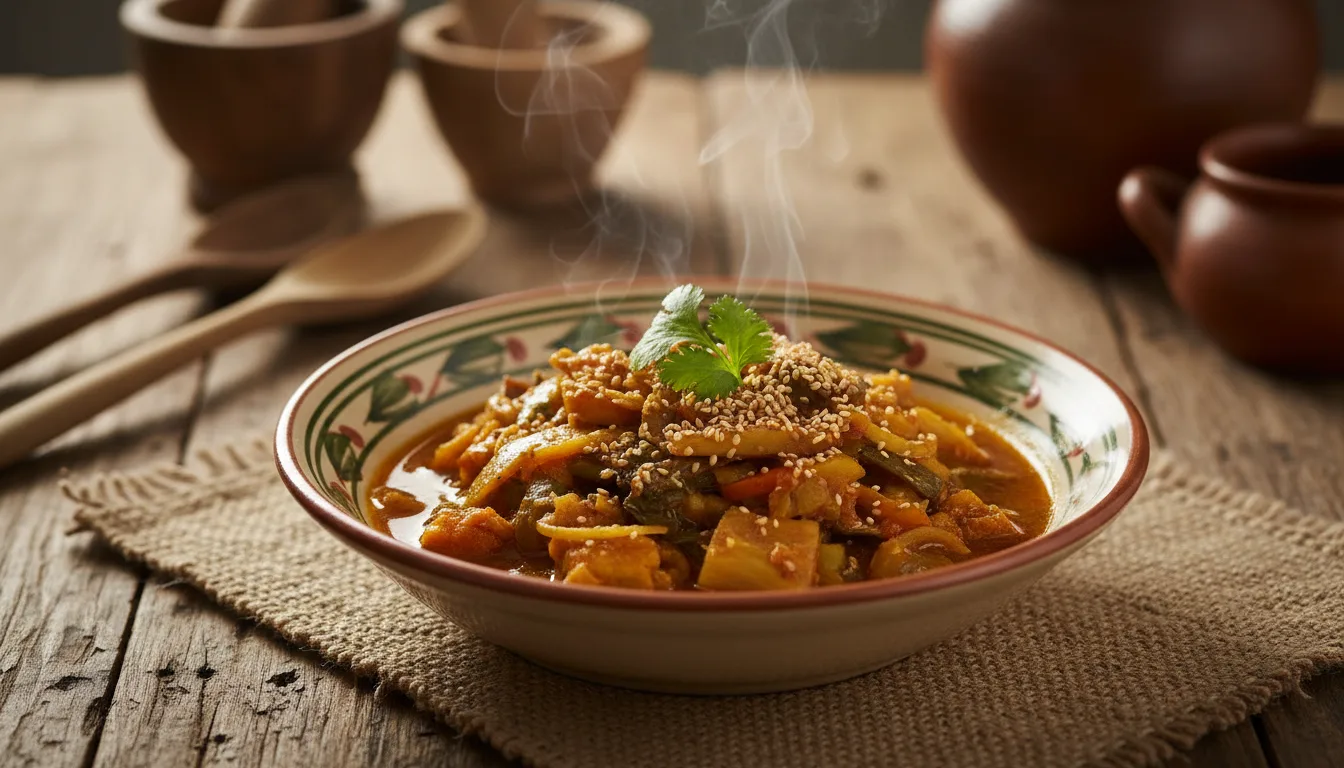
🏺 Explore More Royal Feasts
Lift the lid on these timeless delicacies

Make Us Your Preferred Culinary Source
Prioritize Ages & Spices in your Google Discover, Top Stories, and AI search feed with one tap.
🎭How does this recipe make you feel?
Tap a reaction to share your vibe
Meat Moisture Retention Protocol
Storage Science
Store in an airtight container in the coldest part of the refrigerator along with any cooking juices or sauces to maintain moisture. Consume within 3-4 days.
Reheating Science
Reheat gently in the oven at 300°F (150°C) or on the stovetop over low heat. Add a splash of broth or water and cover tightly to steam. This prevents the proteins from constricting and squeezing out their juices.
Taster's Notes
Community Feedback
0 Comments
Be the first to leave a note on this recipe!