Authentic Sabzeh Sprouts Recipe
Royal Nutritional Ledger *
For those counting their gold coins and their calories.
The Royal Disclaimer: These figures are calculated by our finest AI court scholars based on standard ingredient values. They are highly educated estimates meant for guidance, not gospel. If you require absolute scientific precision for medical or dietary salvation, please consult a certified physician rather than our kitchen AI!
Part of our Preparation/how-to Master Index
Did You Know?
Historical Tidbit
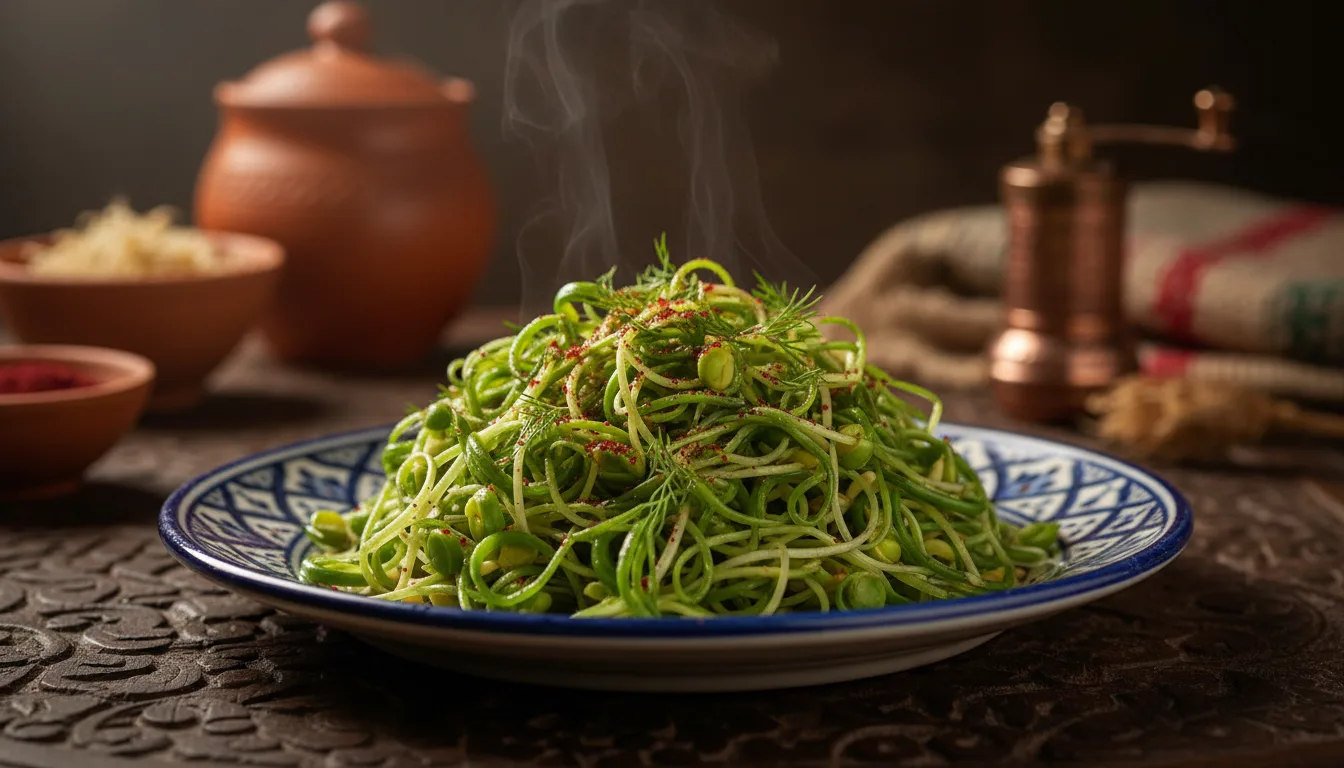
Sabzeh is the living centerpiece of the Haft-Sin table during Nowruz, representing rebirth, vibrancy, and the eternal rejuvenation of nature after winter's slumber.
First time here? Click the button above to automatically send all these ingredients to your highest-paying local grocery delivery app.
⚖️ The Modernizer
Missing extinct ingredients? Swap for accessible modern alternatives.
The Golden Rule
"Drain completely after every single misting: moisture must cling to the seeds as a clinging film of humidity, never as a swampy pool."
Ingredients
8 items required
The Sprouting Foundation:
The Hydration & Sanitation Medium:
The Ceremonial Adornment:
Make Us Your Preferred Culinary Source
AI Emergency Hub
Hit a snag while prepping? Our elite AI tools are here to save your dish.
Missing an Ingredient?
Recipe Disaster?
Chef's Notes
The absolute cardinal sin of growing Sabzeh is allowing standing water to pool at the base of your dish. Seeds respire aerobically during early germination; if their root systems sit submerged in stagnant water without oxygen, anaerobic bacteria and Rhizopus mold will turn your sacred spring display into a grey, foul-smelling swamp within thirty-six hours.
Pro Tip
Keep the sprouts covered in total darkness with the damp cloth for the first 3 days of sprouting (a process known as etiolation). This forces the seed to expend its energy reserves pushing up thick, tall vertical hypocotyl stems. Once exposed to indirect sunlight, the sudden surge of light triggers phytochrome-mediated greening, resulting in a dramatically denser, taller, and more uniform emerald canopy.
Kitchen Catastrophe Warning
If white fuzz or mold appears on the seeds or cloth: Immediately evaluate the fuzz. If it consists of fine, microscopic, silky root hairs distributed evenly along radicles, do not panic—these are natural root absorbing hairs. However, if cobwebby grey mycelium forms between seed crowns or smells sour, gently rinse the entire platter under a gentle trickle of lukewarm water. Spray the affected crowns lightly with a food-safe solution of 3% hydrogen peroxide diluted 1:4 with water (or 1 tsp vinegar in 1 cup water), replace the covering muslin with a sterile one, and relocate the tray to an area with higher air circulation.
The Jester's Corner
Royal Court Comedy
Growing Sabzeh is the only time in Persian culture where hovering over something with neurotic, maternal anxiety twelve times a day is actually biologically recommended.
The Culinary Science
Germination begins with imbibition—the physical uptake of water into the dry seed coat which rehydrates dried colloidal storage cells. This triggers the embryo to secrete gibberellic acid, a plant hormone that translocates to the aleurone layer. There, it activates de novo transcription of alpha-amylase and protease enzymes, breaking insoluble starches into glucose and complex proteins into amino acids to fuel root expansion. Subsequent light exposure triggers photomorphogenesis, where phytochrome photoreceptors rapidly orchestrate the synthesis of chlorophyll a and b pigments via the chloroplast genome.
Explore Curated Feast Collections
Discover 90+ themed festive banquets, seasonal menus, and imperial regional feasts.
Make Us Your Preferred Culinary Source
Prioritize Ages & Spices in your Google Discover, Top Stories, and AI search feed with one tap.
🎭How does this recipe make you feel?
Tap a reaction to share your vibe
General Food Safety & Storage
Storage Science
Cool rapidly. Store in an airtight container in the refrigerator (below 4°C / 40°F). Consume within 3-4 days.
Reheating Science
Reheat to an internal temperature of 165°F (74°C). Use the stove or oven for best texture, stirring or turning occasionally to ensure even heating.


Taster's Notes
Community Feedback
0 Comments
Be the first to leave a note on this recipe!