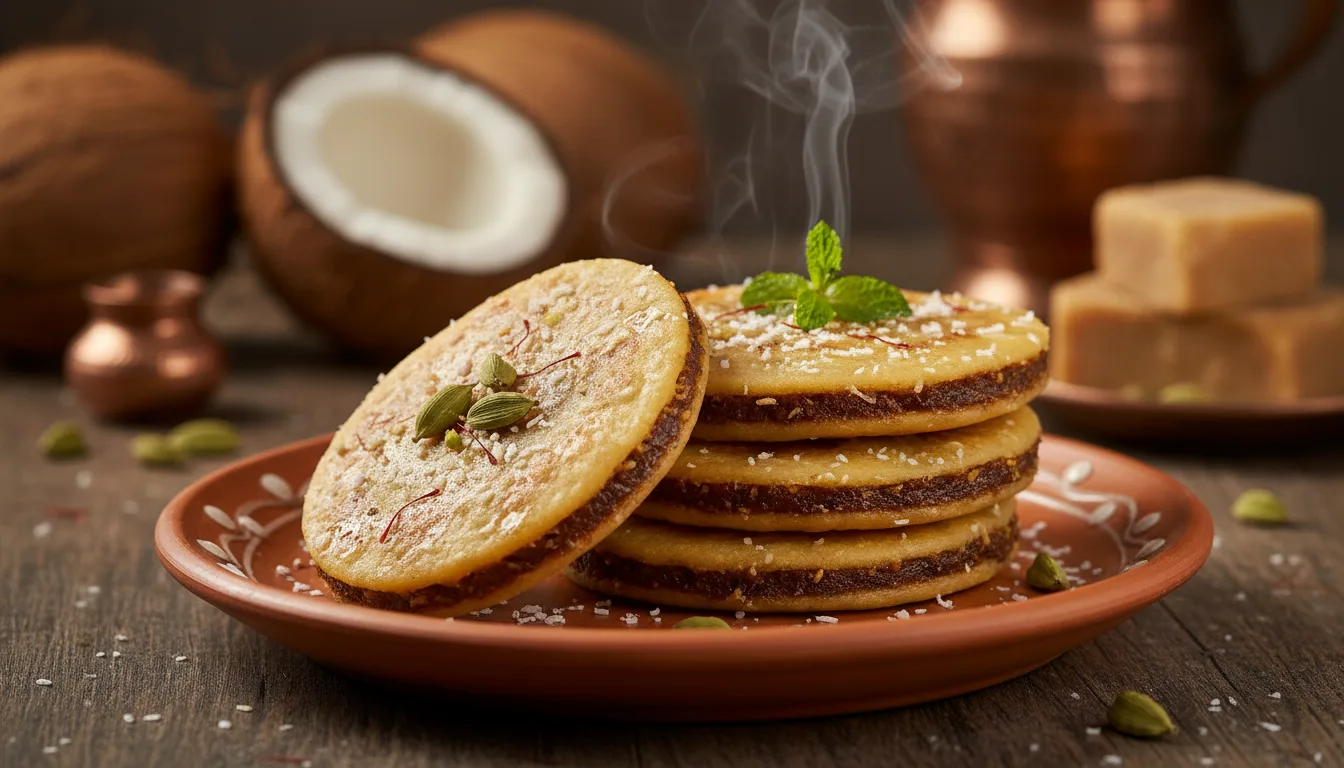
The Authentic Coconut-Jaggery Bobbatlu Recipe
Royal Nutritional Ledger *
For those counting their gold coins and their calories.
The Royal Disclaimer: These figures are calculated by our finest AI court scholars based on standard ingredient values. They are highly educated estimates meant for guidance, not gospel. If you require absolute scientific precision for medical or dietary salvation, please consult a certified physician rather than our kitchen AI!
The Royal Ugadi & Gudi Padwa Feast: The Six Tastes of Life (Shadruchulu) & Festive Bobbatlu
Did You Know?
Historical Tidbit
The Vijayanagara culinary text 'Pakadarpana' and 14th-century Sanskrit literature document Bobbatlu under the name 'Mandige' or 'Obbattu', prepared in royal kitchens to herald the Chaitra Navaratri and Ugadi seasons.
First time here? Click the button above to automatically send all these ingredients to your highest-paying local grocery delivery app.
⚖️ The Modernizer
Missing extinct ingredients? Swap for accessible modern alternatives.
The Golden Rule
"The pooranam ball and the relaxed dough ball must share the exact same mechanical softness; if the filling is firmer or softer than the outer casing, the dough will tear and fail to spread edge-to-edge."
Ingredients
18 items required
The Supple Kanikamu (Outer Dough):
The Kobbari Pooranam (Coconut-Jaggery Filling):
The Griddling & Basting:
Make Us Your Preferred Culinary Source
AI Emergency Hub
Hit a snag while prepping? Our elite AI tools are here to save your dish.
Missing an Ingredient?
Recipe Disaster?
Chef's Notes
Home cooks commonly commit two critical errors: under-resting the dough and leaving the pooranam overly moist. Resting the flour under oil is non-negotiable; oil suppresses gluten toughness while allowing maximum extensibility. Furthermore, if your coconut-jaggery mix retains raw watery syrup, steam will build during searing, rupturing the thin dough and creating sticky burnt patches on your tawa.
Pro Tip
Submerge the dough ball in warm cold-pressed sesame oil rather than simply brushing it. The surrounding lipid envelope hydrolyzes and loosens disulfide bonds in the gluten matrix via peptide slippage. When rolling, never dust with dry flour—use only warm desi ghee on parchment, ensuring a silky, tender flatbread that stays soft for days without turning chalky.
Kitchen Catastrophe Warning
If your pooranam turns out too runny to shape into balls, do not return it to high flame (which will harden the jaggery into brittle candy). Instead, immediately incorporate 2 to 3 tablespoons of finely sieved roasted gram flour (putnala podi) or dry-roasted desiccated coconut to absorb excess water without altering the flavor profile. If the dough tears on the griddle, dab the rupture immediately with a fingertip dipped in raw dough and a drop of ghee to seal it on contact.
The Jester's Corner
Royal Court Comedy
The royal astrologer predicted 12 months of cosmic chaos, but the court quieted instantly once the aroma of ghee-toasted coconut swept the throne room.
The Culinary Science
The interplay between the sucrose/invert sugars in jaggery and the lipids in fresh coconut pulp creates an emulsion that traps free water. When roasted gram flour is introduced, its pre-gelatinized starches rapidly absorb remaining hygroscopic moisture without requiring prolonged heat that would otherwise caramelize jaggery into an unpleasantly hard, glassy toffee (amorphous sugar state).
Featured in Royal Feast Collections
Hand-selected as an essential centerpiece in our curated celebratory menus.
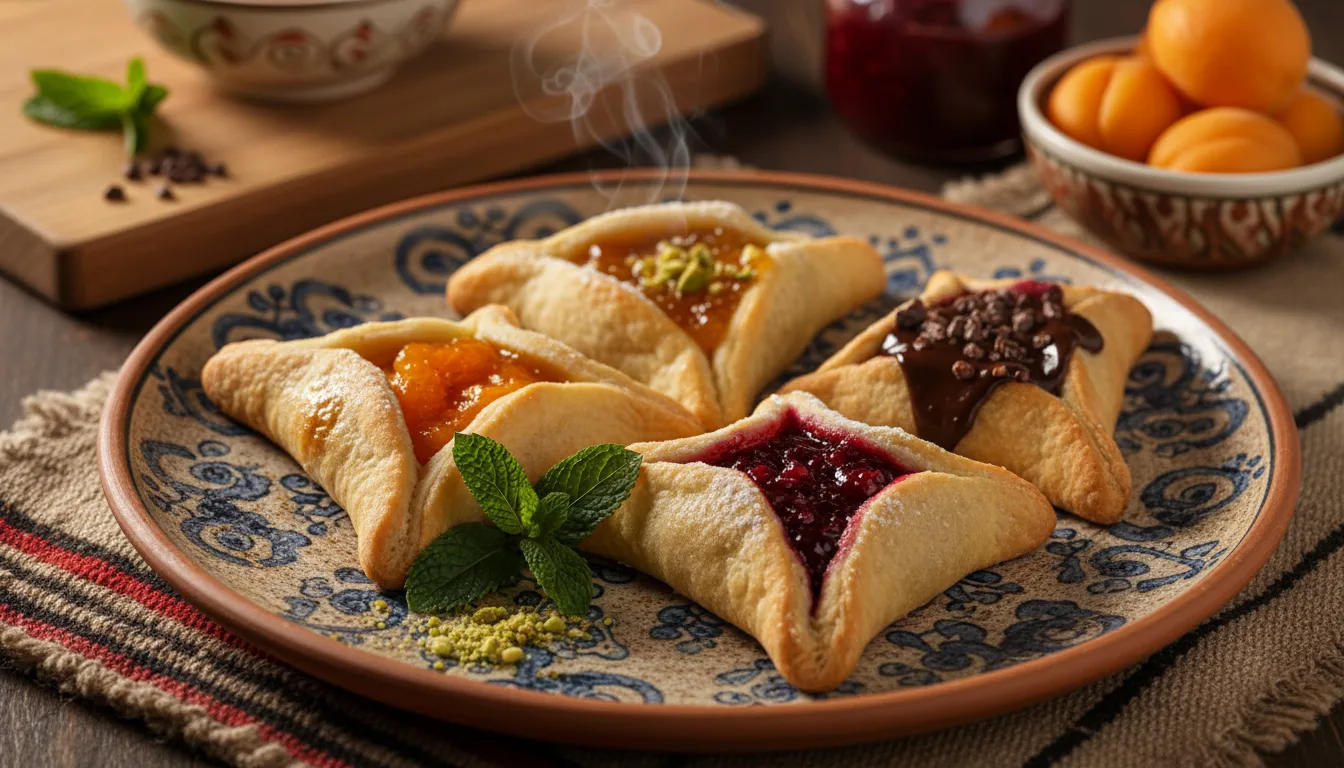
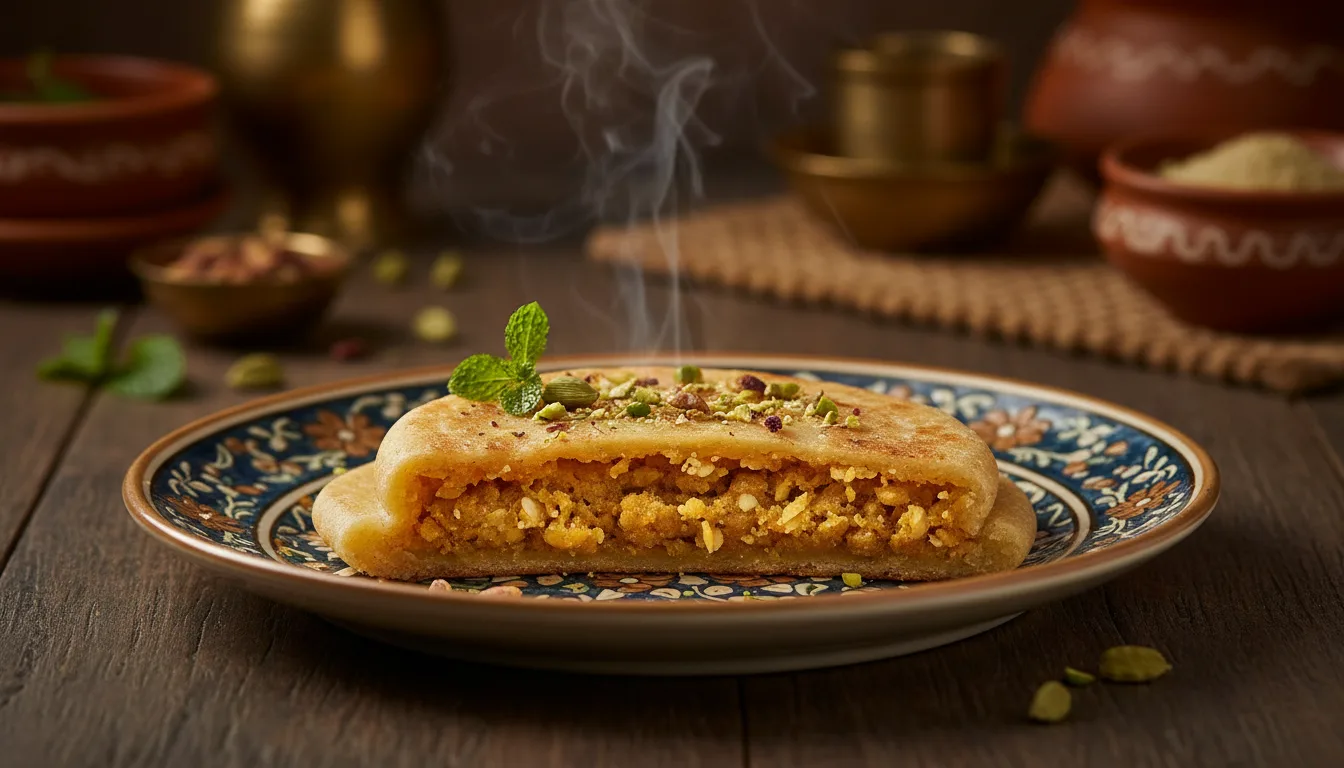
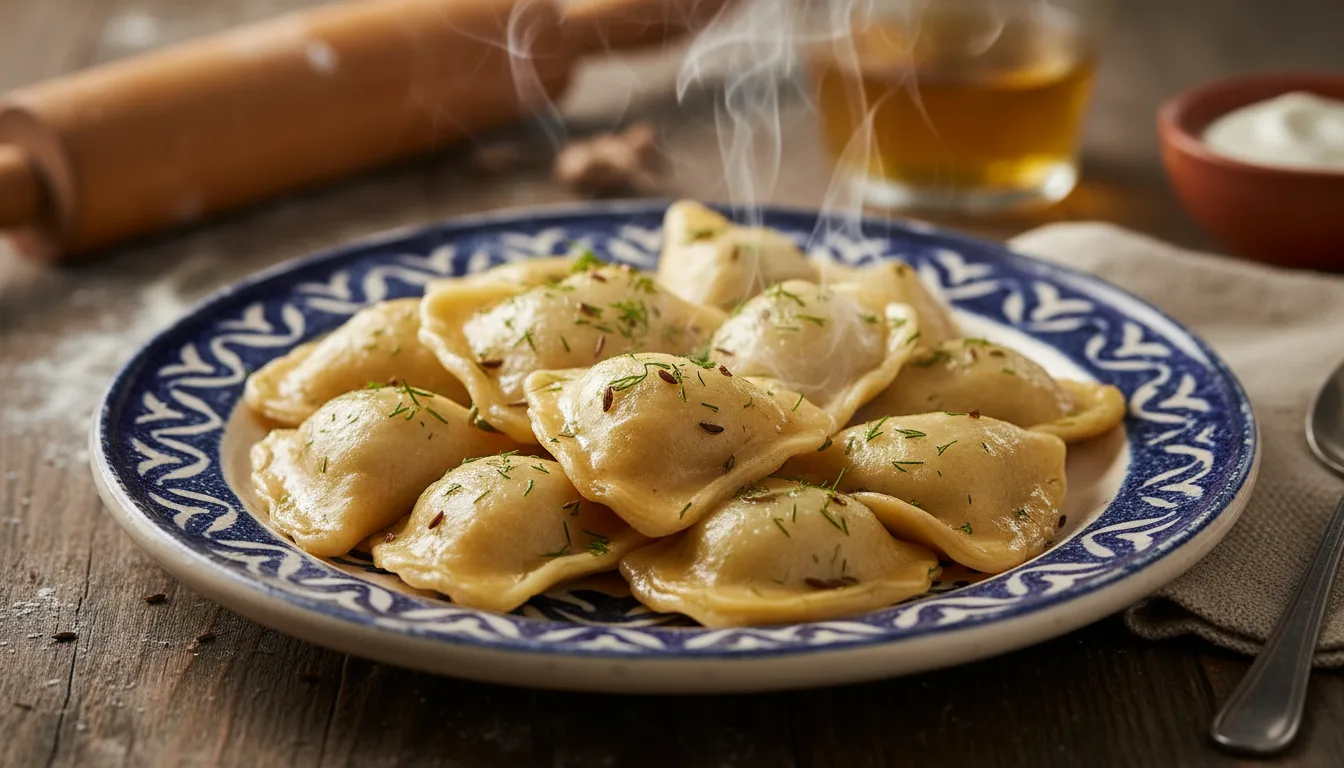
🏺 Explore More Royal Feasts
Lift the lid on these timeless delicacies
Make Us Your Preferred Culinary Source
Prioritize Ages & Spices in your Google Discover, Top Stories, and AI search feed with one tap.
🎭How does this recipe make you feel?
Tap a reaction to share your vibe
General Food Safety & Storage
Storage Science
Cool rapidly. Store in an airtight container in the refrigerator (below 4°C / 40°F). Consume within 3-4 days.
Reheating Science
Reheat to an internal temperature of 165°F (74°C). Use the stove or oven for best texture, stirring or turning occasionally to ensure even heating.
Taster's Notes
Community Feedback
0 Comments
Be the first to leave a note on this recipe!