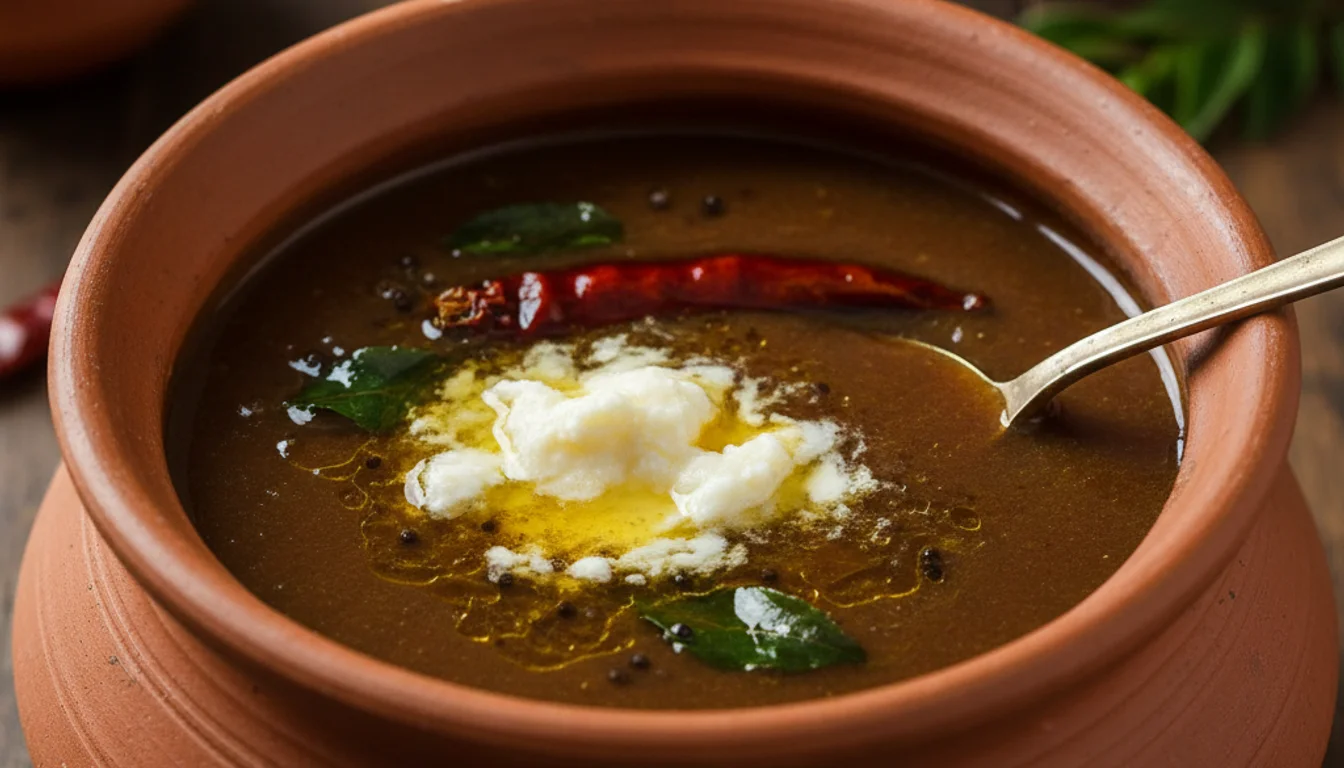
The Ultimate Authentic Andhra Ulava Charu Recipe (Guntur Roasted Horse Gram Elixir)
Royal Nutritional Ledger *
For those counting their gold coins and their calories.
The Royal Disclaimer: These figures are calculated by our finest AI court scholars based on standard ingredient values. They are highly educated estimates meant for guidance, not gospel. If you require absolute scientific precision for medical or dietary salvation, please consult a certified physician rather than our kitchen AI!
The Sankranthi & Pongal Master Harvest Food Guide
Did You Know?
Historical Tidbit
In traditional Krishna and Guntur districts, authentic *Ulava Charu* used to be simmered for 12 hours overnight over buried rice-husk embers (*pottu*) in clay pots, evolving into such an iconic delicacy that it became mandatory on elite Telugu wedding cards right alongside *Pootharekulu* and *Pulihora*!
First time here? Click the button above to automatically send all these ingredients to your highest-paying local grocery delivery app.
⚖️ The Modernizer
Missing extinct ingredients? Swap for accessible modern alternatives.
The Golden Rule
"Always dry-roast the horse gram before boiling and reduce slowly uncovered for 25 minutes using only blended boiled beans as your thickener—never raw flour."
Ingredients
22 items required
The Roasted Horse Gram Broth Base:
The Coarse Spiced Reduction & Aromatics:
The Ghee-Sesame Tadka & Traditional Cream Crown:
Make Us Your Preferred Culinary Source
AI Emergency Hub
Hit a snag while prepping? Our elite AI tools are here to save your dish.
Missing an Ingredient?
Recipe Disaster?
Chef's Notes
**Why Both Dry-Roasting AND Boiled-Bean Slurry Matter**: Many modern shortcuts thicken Ulava Charu with rice flour or besan—which tastes chalky and mutes the horse gram depth. By dry-roasting whole beans first to crack lipid-bound nutty pyrazines, then blending just 3 tablespoons of the *same* cooked beans into a velvet puree, you achieve 100% pure horse gram viscosity with a rich, satin gloss. **The Dairy-Tannin Contrast Science**: Horse gram is uniquely high in polyphenols and earthy tannins paired with tart tamarind acids. Swallowing hot Ulava Charu straight without cream creates a sharp mineral finish; adding a tiny cool ribbon of high-fat dairy cream (*meegada*) softens astringency via *casein-tannin binding*, leaving only deep, haunting roasted flavor.
Pro Tip
1. **Save the Leftover Cooked Horse Gram Beans**: Never throw away the strained boiled beans! Toss them in a pan with 1 tsp coconut oil, mustard seeds, curry leaves, grated coconut, and chili for a powerhouse high-protein *Ulavalu Guggillu* snack. 2. **Keep Skin on Crushed Garlic**: Gently smashing garlic cloves in their inner skin before frying prevents scorching and imparts classic rural Andhra smokiness. 3. **Flavor Peak on Day 2**: Like a fine French demiglace, Ulava Charu tastes 2x deeper the next day after tannins, tamarind, and spices harmonize overnight in the fridge.
Kitchen Catastrophe Warning
**Disaster — Your Ulava Charu Turned Thin, Watery & Muddy-Tasting Instead of Glossy Espresso-Velvet**: You skipped dry-roasting or strained out every single cooked bean without pureeing 3 tablespoons back into the simmer. **The Rescue**: Dr. Kitchen SOS: Mash 3–4 tablespoons of your leftover cooked horse gram (or 2 tbsp soaked urad dal boiled fast) in a blender with 1/2 cup hot charu until satin-smooth, whisk back into the pot with an extra 1/2 tsp crushed black pepper and 1 tsp jaggery, and boil uncovered 10 minutes until glossy spoon-coat reduction returns.
The Jester's Corner
Royal Court Comedy
Serving piping hot Ulava Charu without cold cream (*meegada*) on the side is like playing thunder without lightning—impressive, slightly frightening, and dangerously close to burning off the roof of your mouth.
The Culinary Science
**Pyrazine Formation & Casein-Polyphenol Complexation**: Dry-roasting horse gram (*Macrotyloma uniflorum*) triggers *Maillard pyrazine synthesis*, transforming dull earthy saponins into rich coffee-hazelnut aromatics. Later, when served tableside with chilled *meegada* (heavy milk fat cream), *milk casein proteins* bind gently to residual seed polyphenols and tamarind acids, smoothing astringency into a rich cocoa-like umami broth.
Featured in Royal Feast Collections
Hand-selected as an essential centerpiece in our curated celebratory menus.
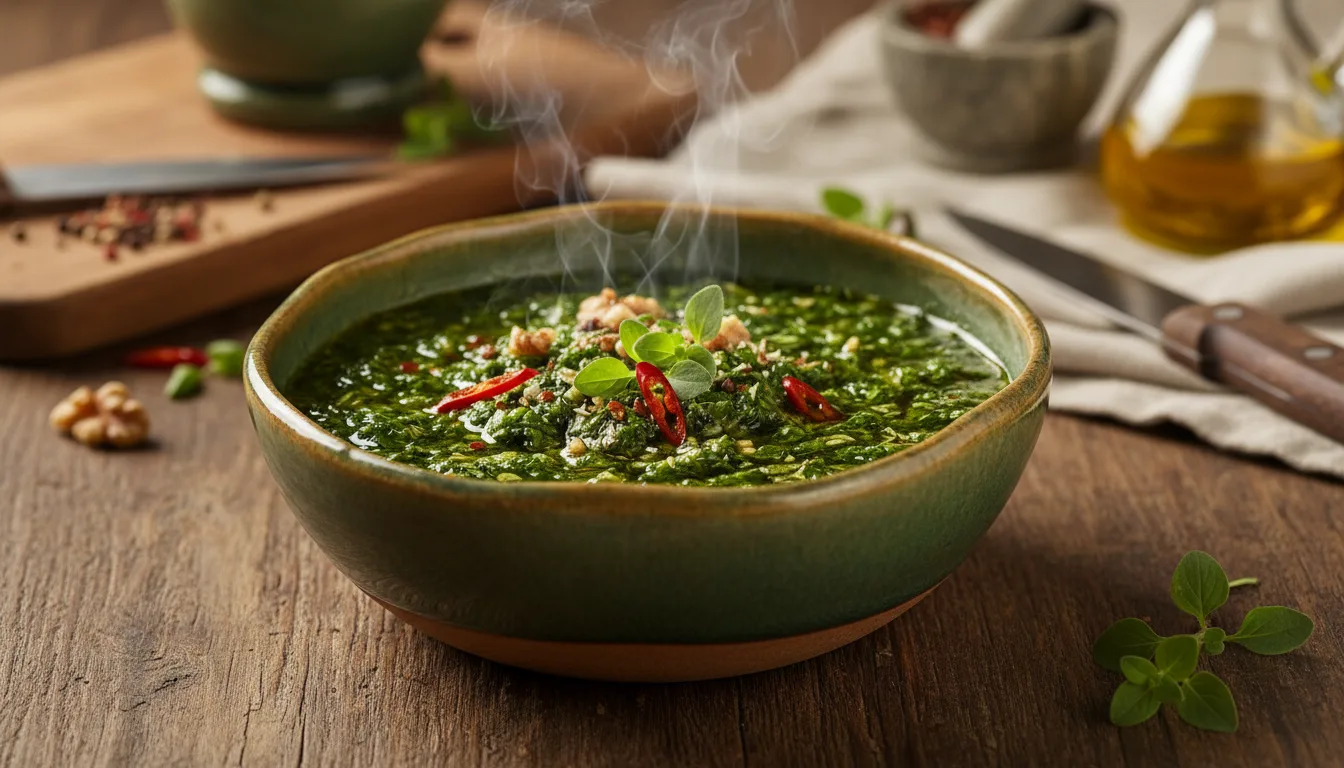
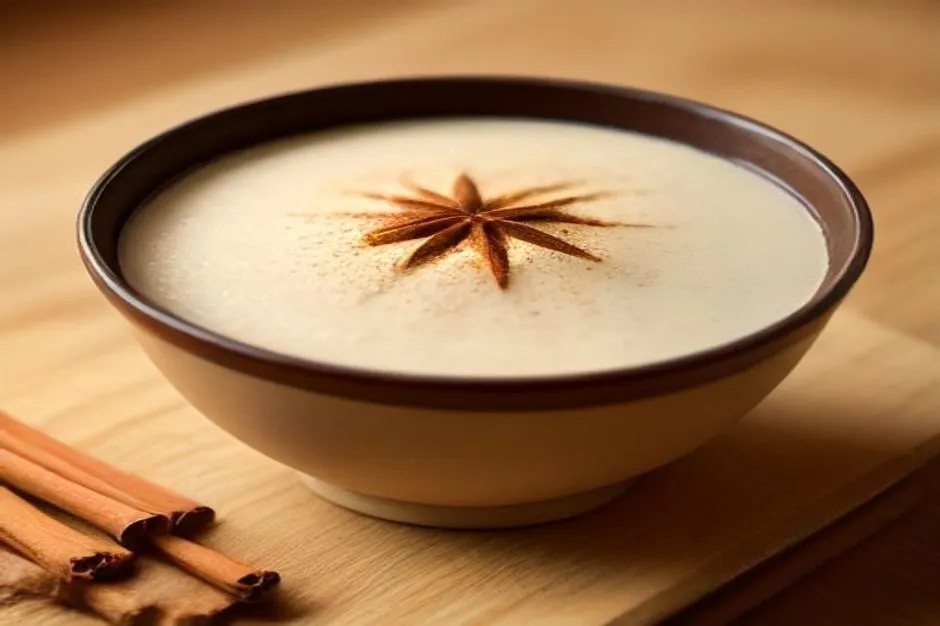
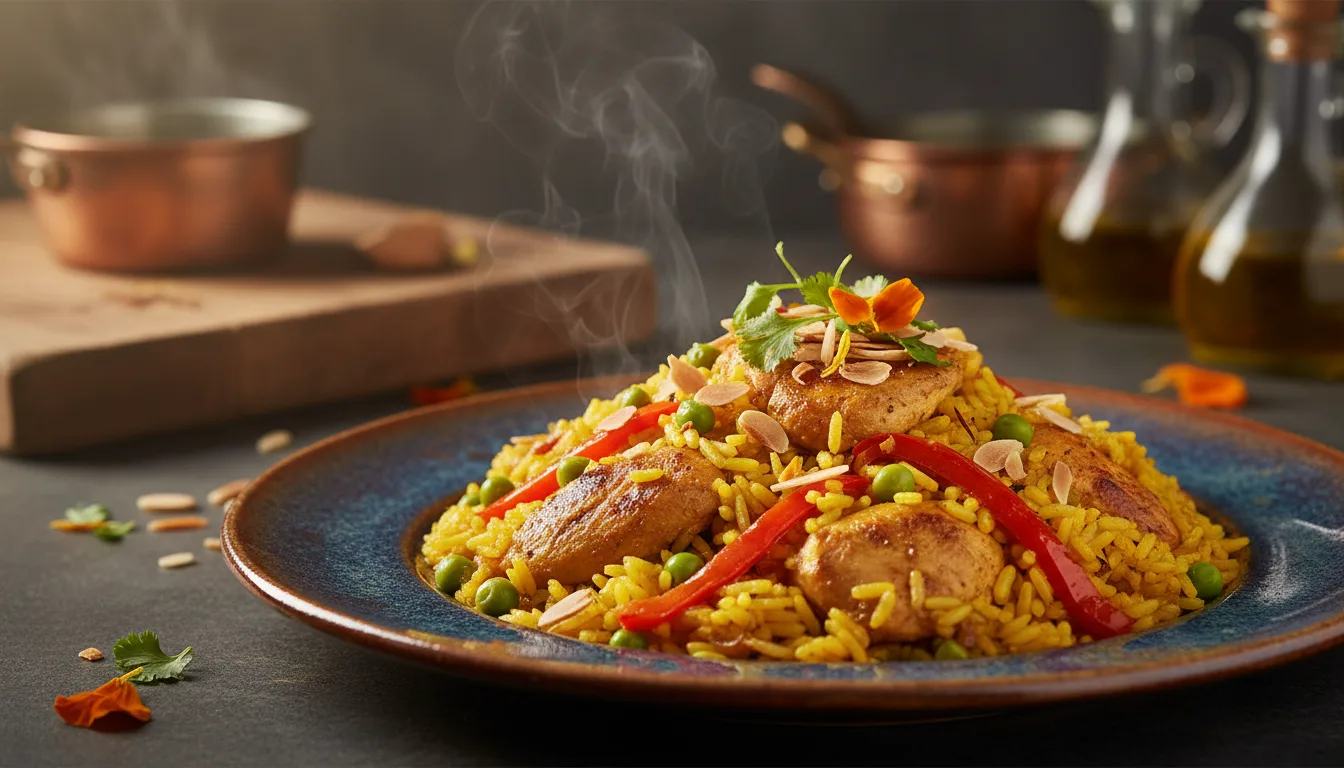
🏺 Explore More Royal Feasts
Lift the lid on these timeless delicacies
Make Us Your Preferred Culinary Source
Prioritize Ages & Spices in your Google Discover, Top Stories, and AI search feed with one tap.
🎭How does this recipe make you feel?
Tap a reaction to share your vibe
Flavor Maturation & Emulsion Protection
Storage Science
Cool rapidly in a shallow container before refrigerating. Curries and stews often taste better on day two as aromatic compounds continue to bloom and mingle in the fat matrix. Consume within 4 days.
Reheating Science
Reheat slowly on the stovetop over medium-low heat, stirring gently. If the fat has separated (broken emulsion), add a tablespoon of boiling water and whisk vigorously to re-emulsify before serving.
Taster's Notes
Community Feedback
0 Comments
Be the first to leave a note on this recipe!