The Sun, The Soil & The Hearth: The Cosmic Soul of Sankranthi
Celebrated annually in mid-January, Makara Sankranti is one of the rare Indian festivals determined by the solar cycle rather than the lunar calendar. It marks the exact astronomical transit of the Sun into the zodiac of Makara (Capricorn) and inaugurates Uttarayana—the auspicious six-month northward celestial journey bringing longer daylight, warmth, and vitality. While celebrated across India as Lohri in Punjab, Uttarayan in Gujarat, Magh Bihu in Assam, and Poush Sankranti in Bengal, South India celebrates this agrarian transition through two majestic regional traditions: Telugu Sankranthi across Andhra Pradesh and Telangana, and Tamil Pongal in Tamil Nadu.
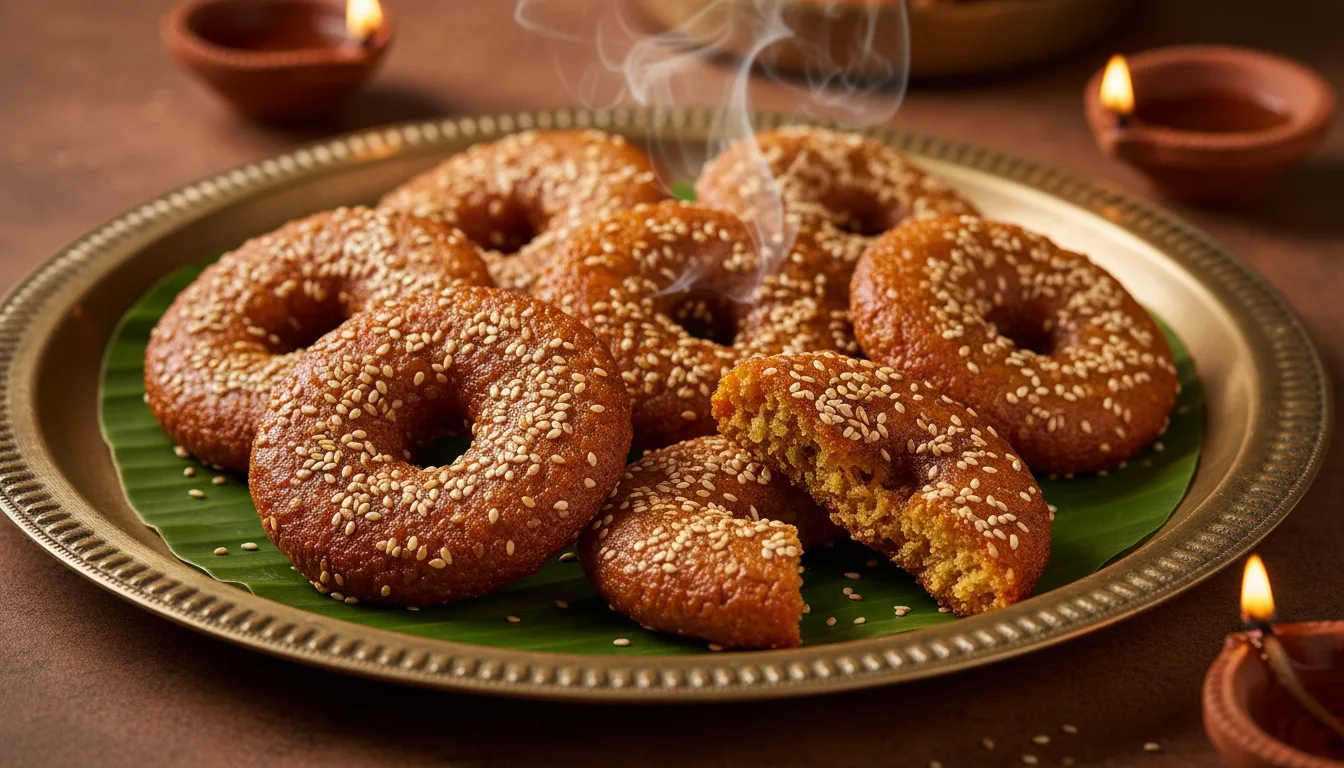
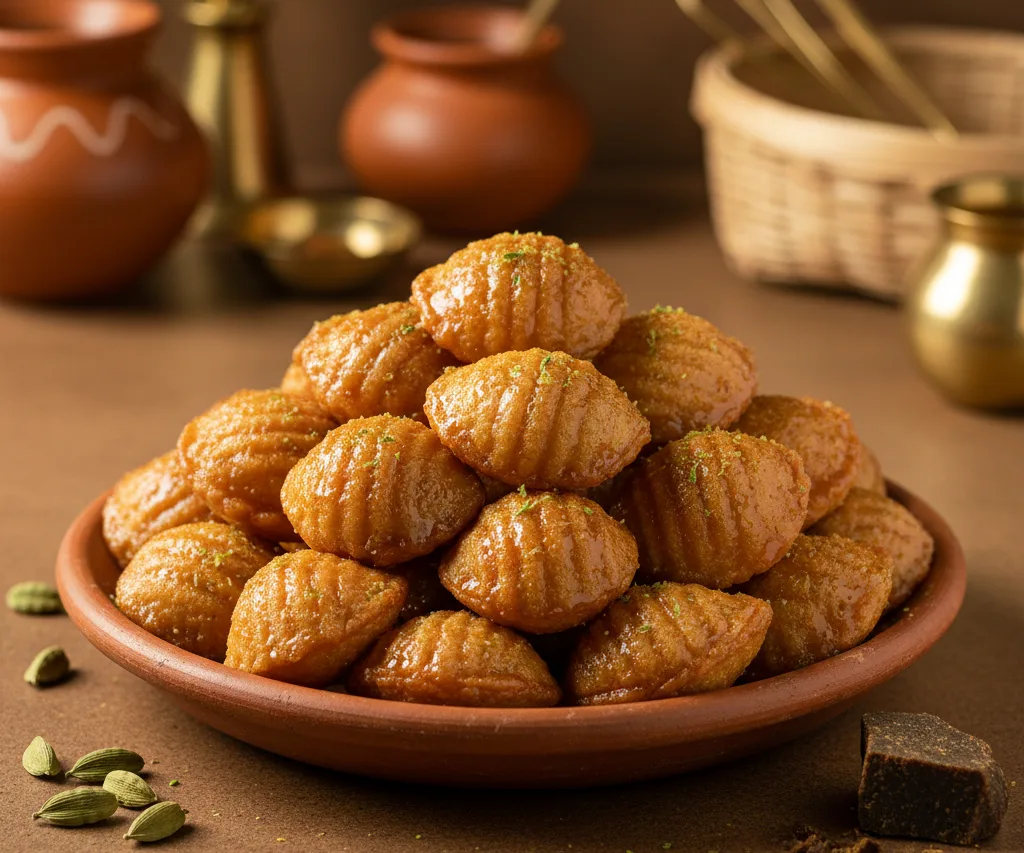
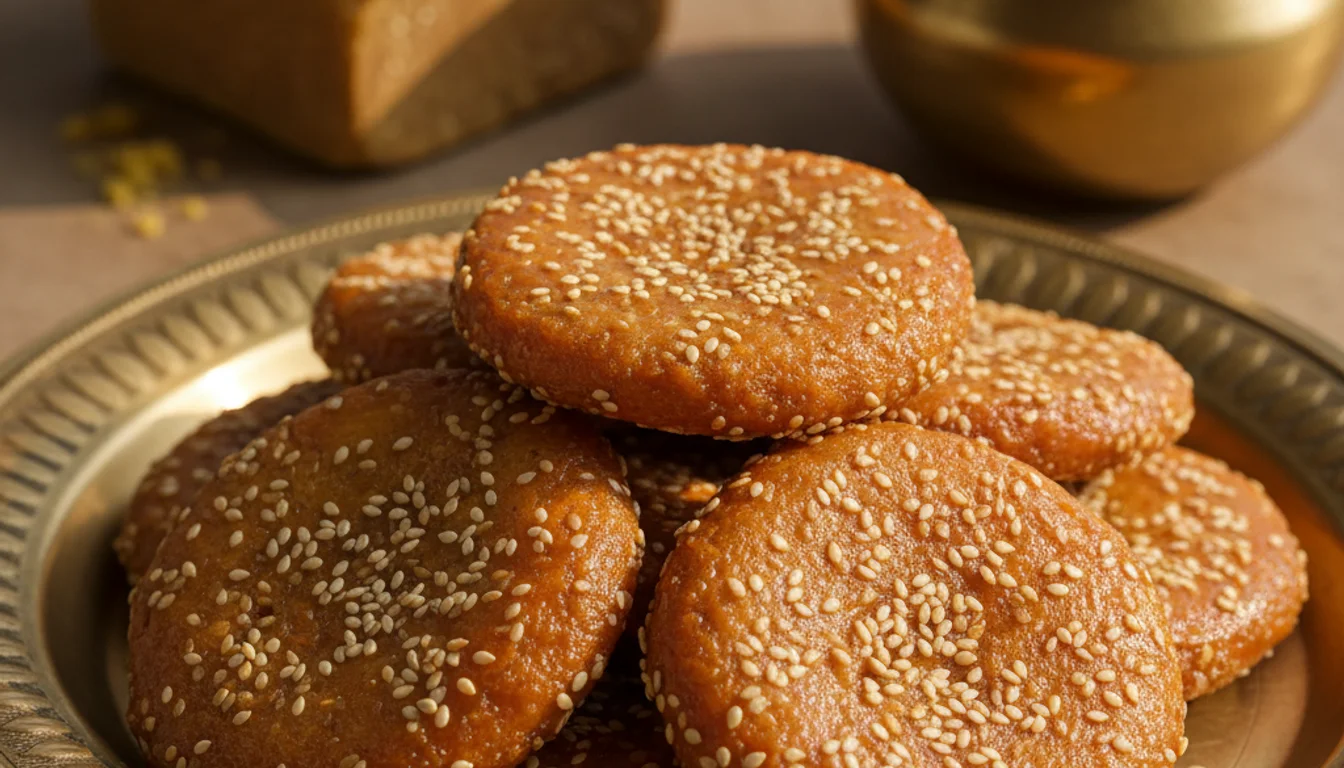
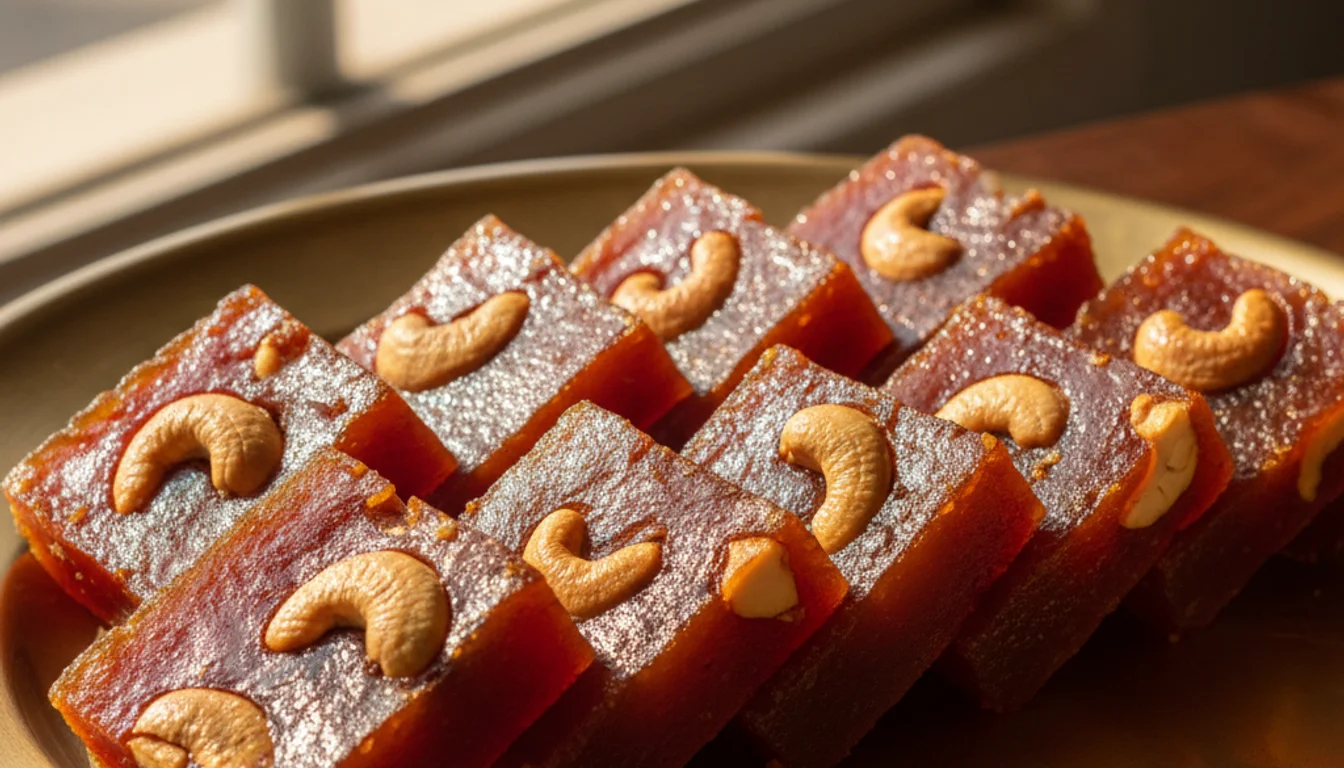
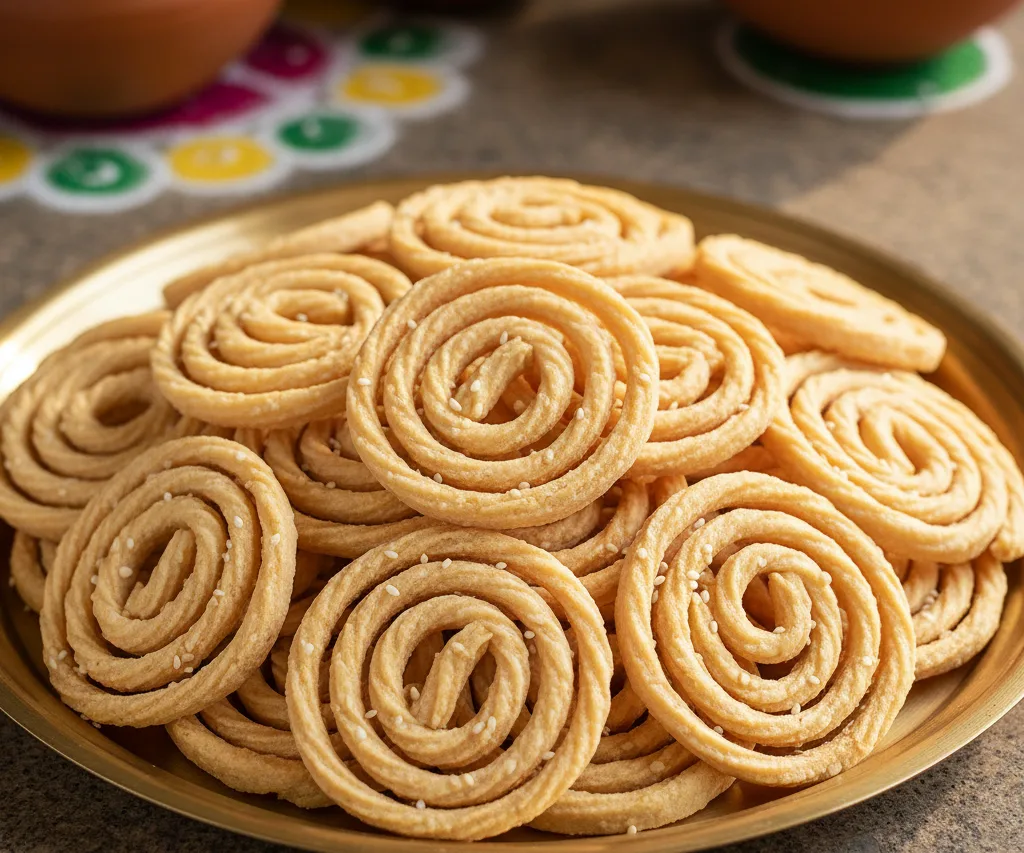
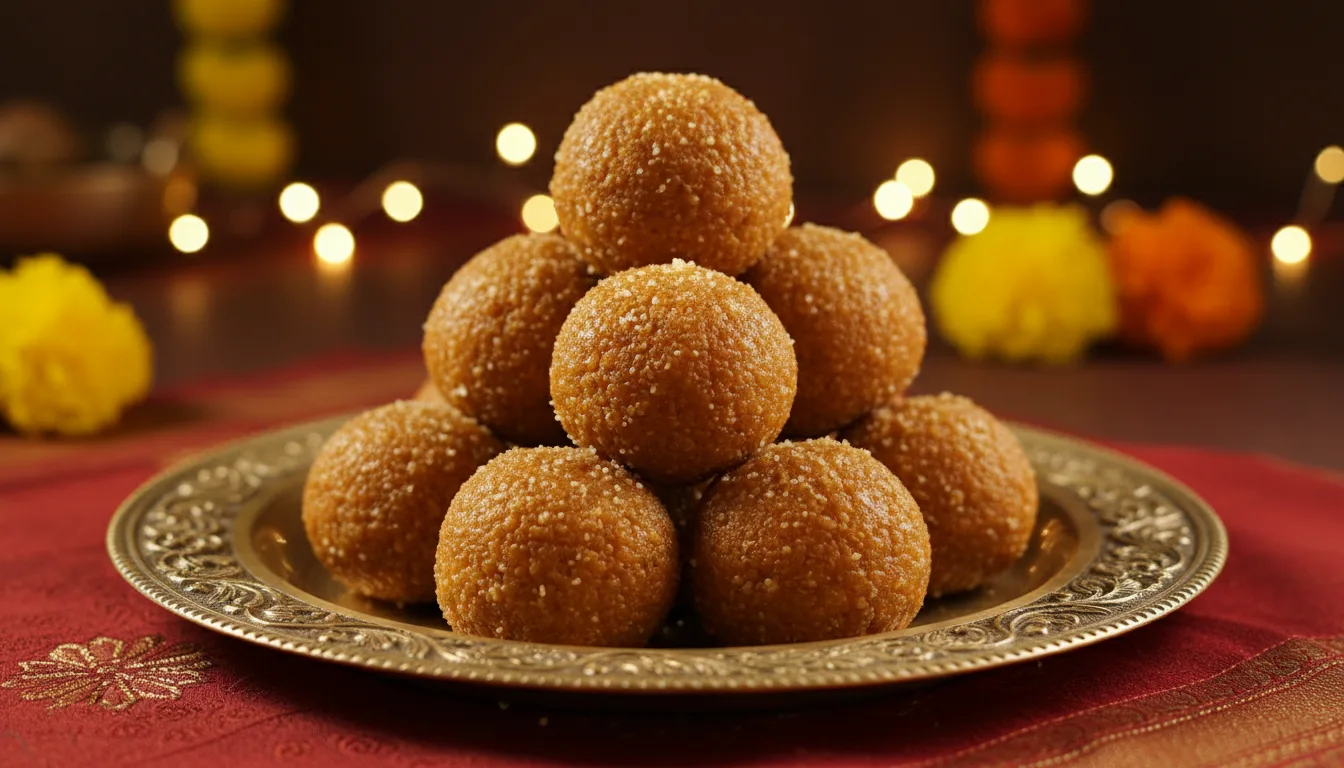
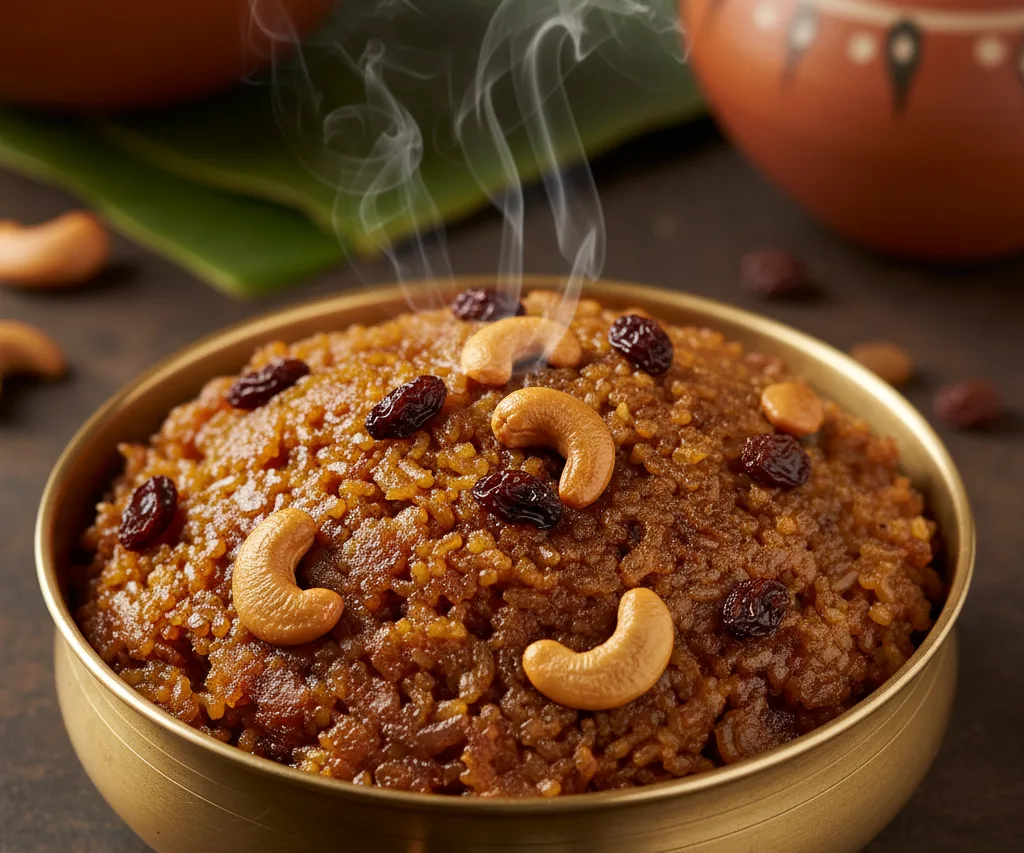
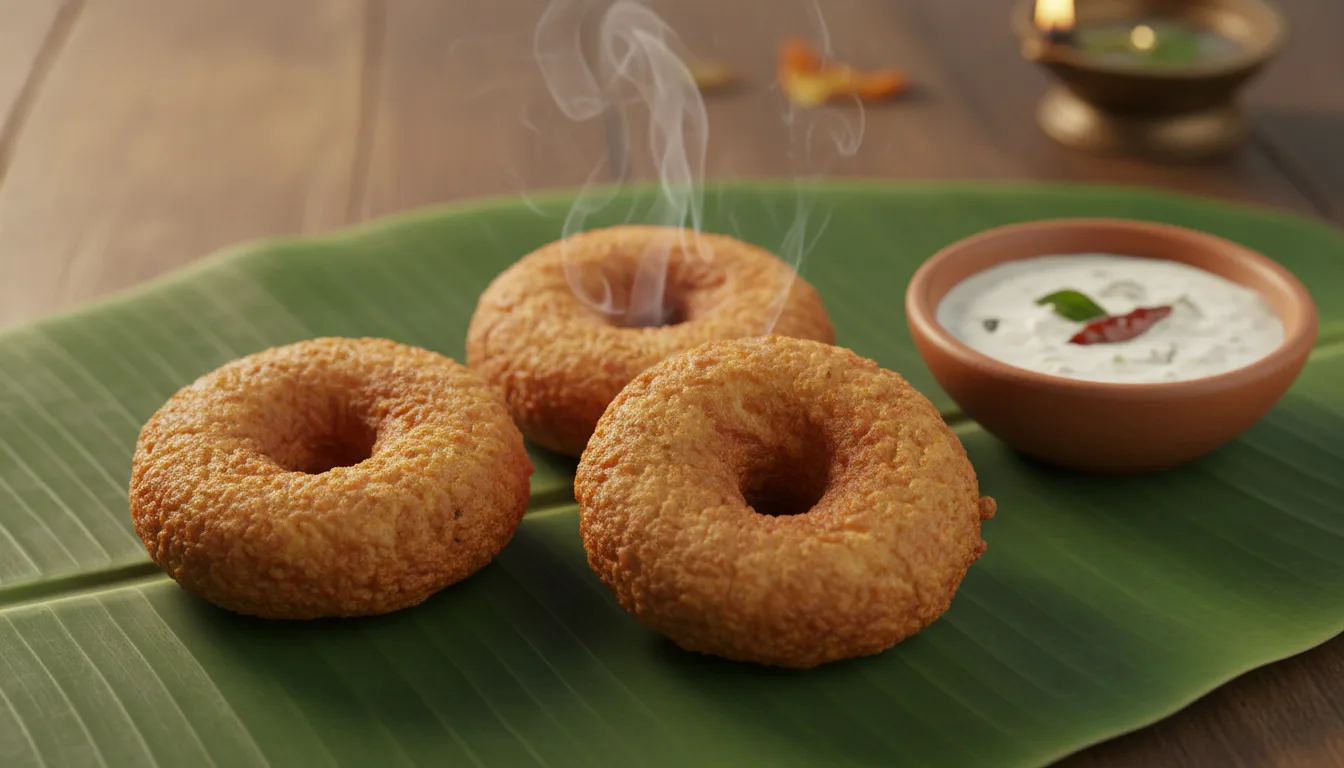
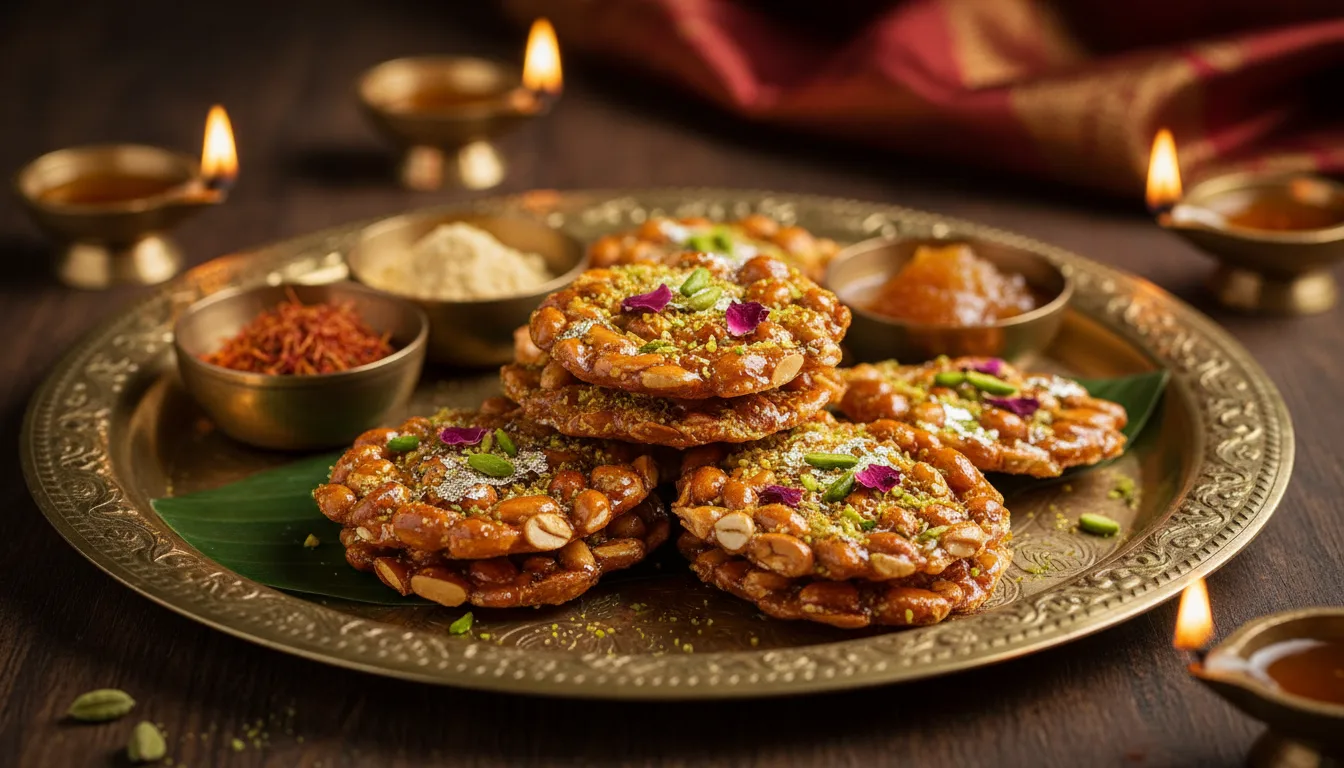
In Telugu households, Sankranthi is observed across four distinct days: Day 1 (Bhogi) cleanses past burdens with dawn bonfires and simple, comforting Pulagam (new-harvest rice and moong dal); Day 2 (Pedda Panduga / Makara Sankranti) is the grand feast centered on iconic heirloom confections—ghee-pressed Ariselu, delicate stuffed Bobbatlu (Bakshalu), batter-fried Poornam Boorelu, and golden Chakkera Pongali; Day 3 (Kanuma) honors agricultural cattle, working animals, and farm tools with crispy concentric Telangana Sakinalu and fluffy Minapa Garelu; and Day 4 (Mukkanuma) concludes with joyful family gatherings and outdoor community feasts.
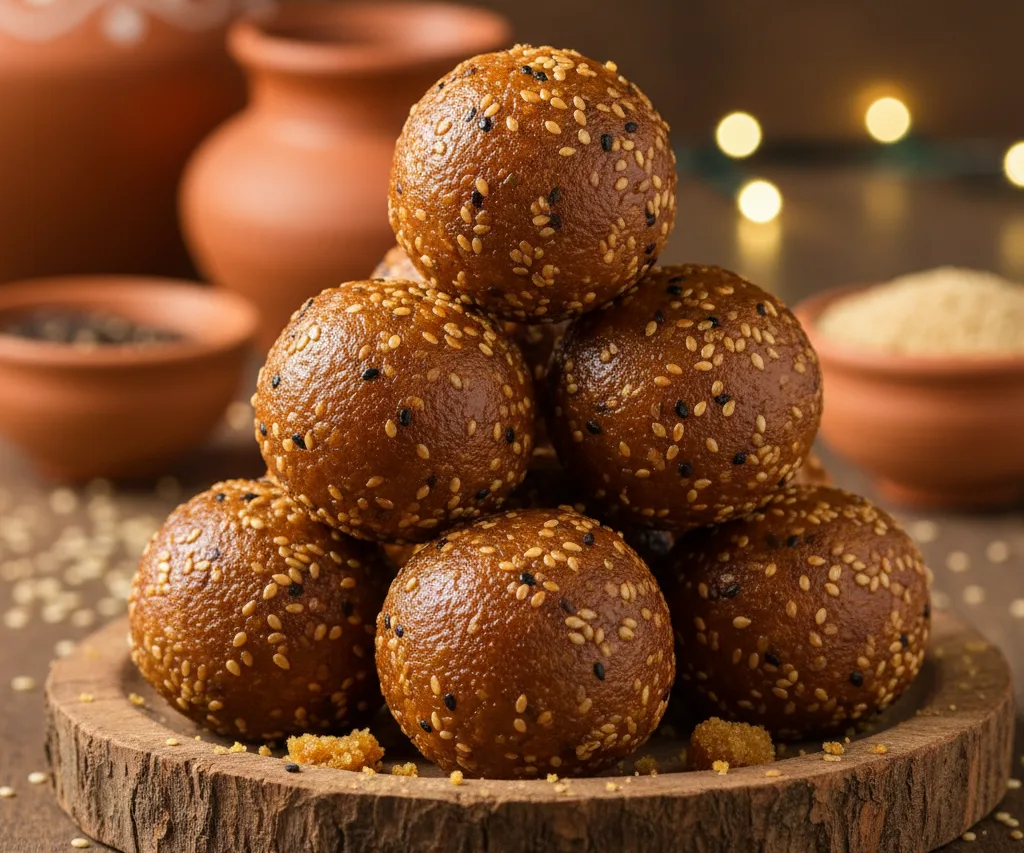
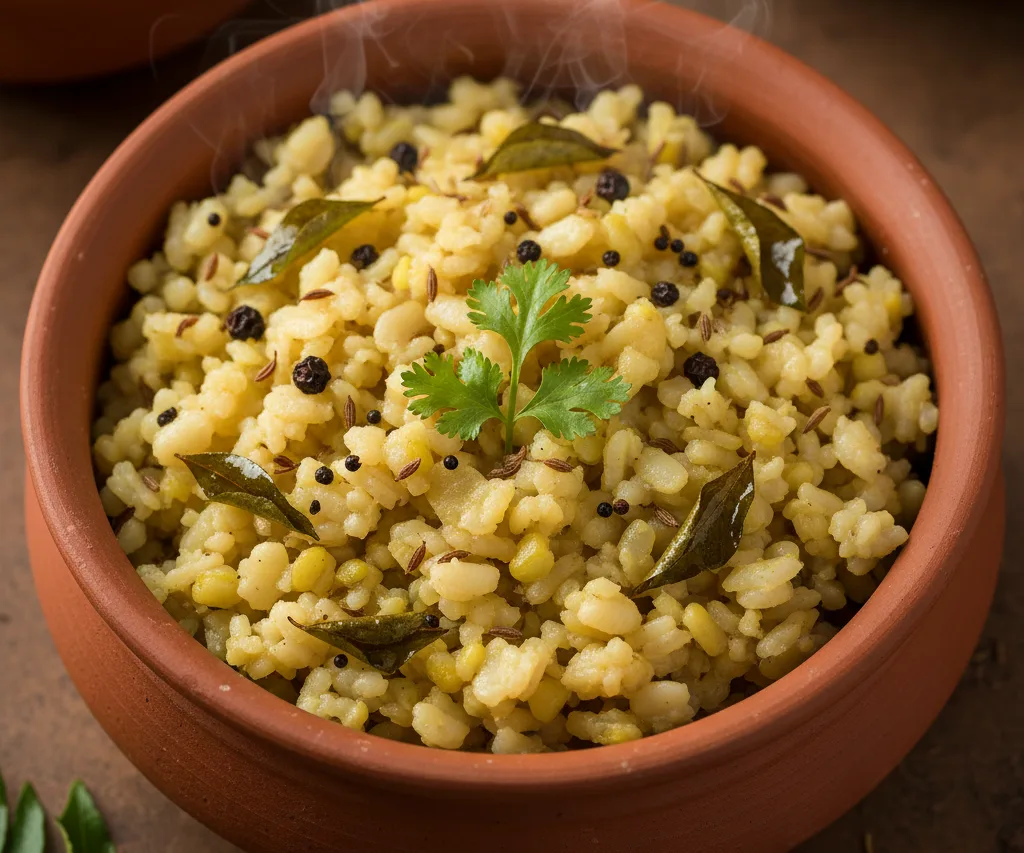
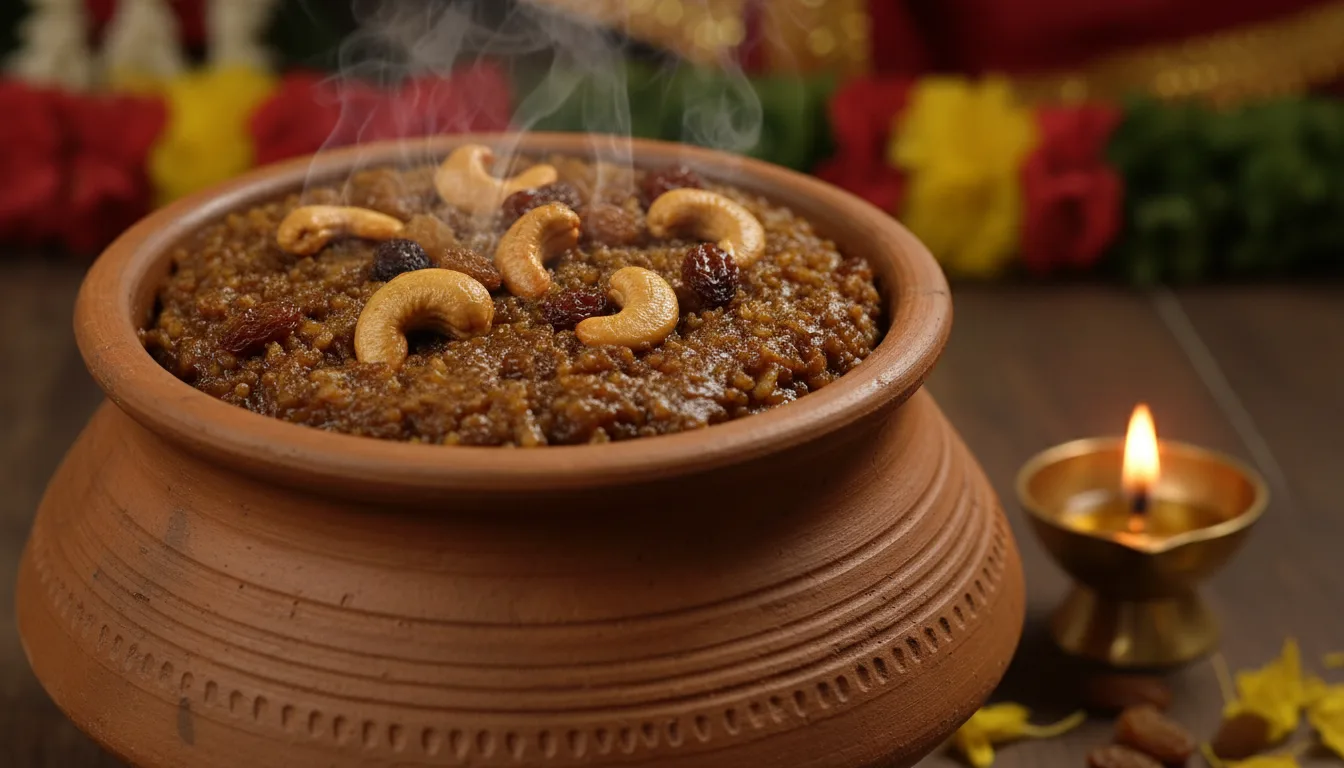
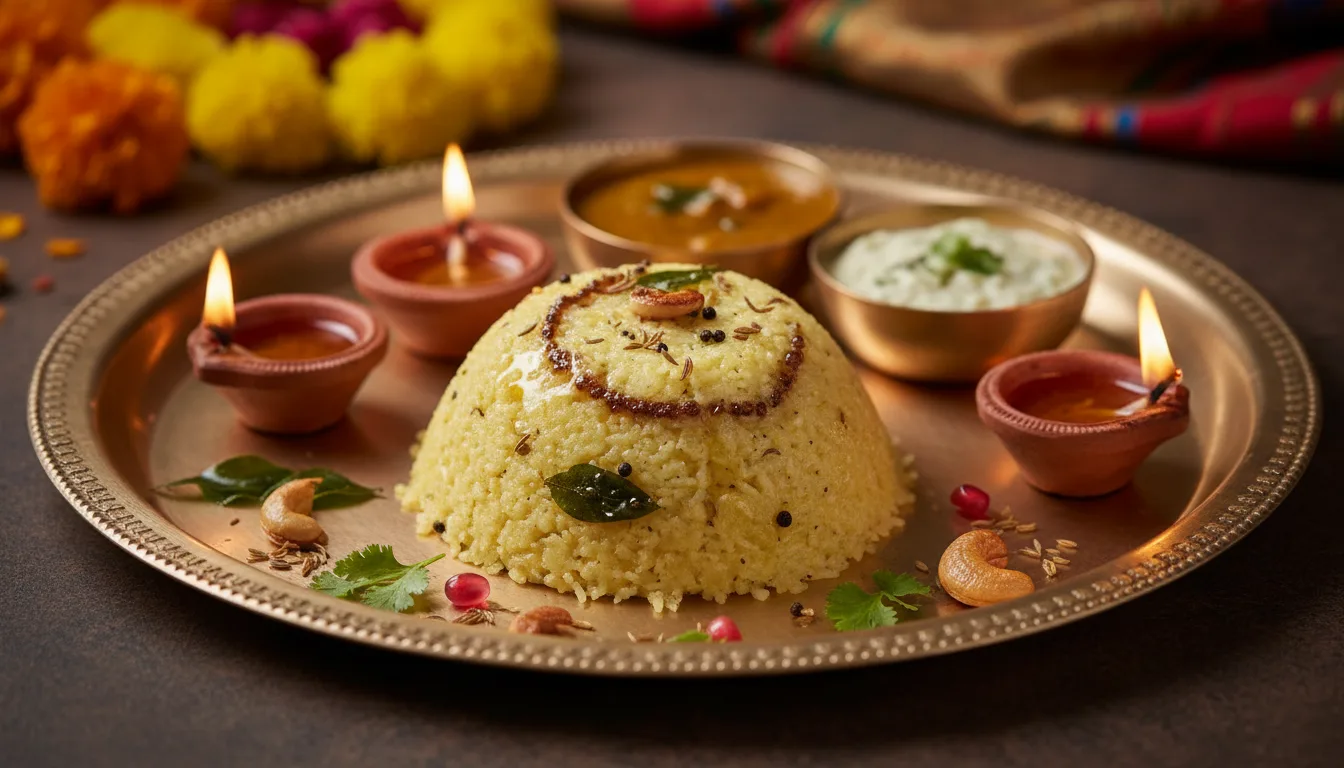
In neighboring Tamil Nadu, the festival is celebrated as Thai Pongal, defined by the ceremonial boiling of newly harvested raw rice, yellow moong dal, and milk in decorated earthen pots over open hearths. As the fragrant mixture froths and spills over the rim, families erupt into joyous shouts of "Pongalo Pongal!"—welcoming divine abundance. Paired with savory, peppery Ven Pongal and crisp Medu Vadas, this seasonal cuisine embodies deep nutritional wisdom: combining iron-rich unrefined jaggery, thermogenic sesame seeds (nuvvulu), fresh winter ginger, and newly threshed grains to fortify immunity against mid-winter chills.