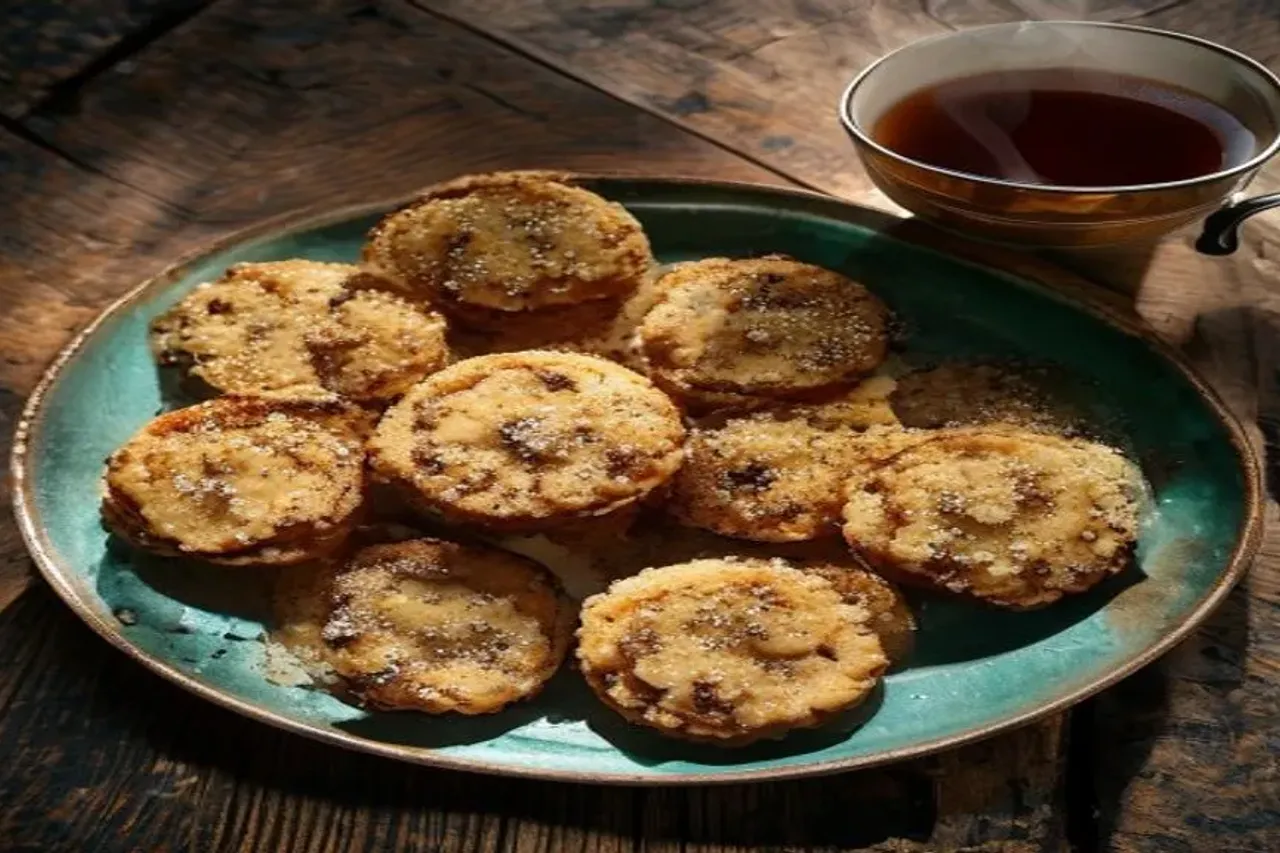
The Ultimate Classic Joe Froggers Cookie Recipe
Royal Nutritional Ledger *
For those counting their gold coins and their calories.
The Royal Disclaimer: These figures are calculated by our finest AI court scholars based on standard ingredient values. They are highly educated estimates meant for guidance, not gospel. If you require absolute scientific precision for medical or dietary salvation, please consult a certified physician rather than our kitchen AI!
Did You Know?
Historical Tidbit
Joe Froggers originated in the 17th century at a tavern in Marblehead, Massachusetts, run by an emancipated couple named Joseph and Lucretia Brown.
First time here? Click the button above to automatically send all these ingredients to your highest-paying local grocery delivery app.
⚖️ The Modernizer
Missing extinct ingredients? Swap for accessible modern alternatives.
The Golden Rule
"Never, under any circumstances, skip the chilling step! Warm dough will spread uncontrollably across your baking sheet, destroying the classic thick structure of a true Joe Froggers cookie."
Ingredients
12 items required
Make Us Your Preferred Culinary Source
AI Emergency Hub
Hit a snag while prepping? Our elite AI tools are here to save your dish.
Missing an Ingredient?
Recipe Disaster?
Chef's Notes
Listen closely, culinary padawan! Joe Froggers are historic rum-soaked giant cookies originating from 19th-century Rhode Island. The secret to their legendary status is the generous pour of dark rum meeting thick, dark molasses. Do not rush the creaming stage, and respect the chill time in the fridge—otherwise, your cookies will melt into a tragic, flat sugar puddle.
Pro Tip
Want to achieve bakery-level perfection? Invest in a small ruler for your dough thickness. If your 1/4-inch mark is uneven, your cookies will bake at different speeds, leaving you with burnt edges and raw centers. Also, chilling the dough overnight makes cutting out the rounds an absolute breeze.
Kitchen Catastrophe Warning
Beware the panic attack in Step 4! When you add the rum and hot water to the creamed shortening, the mixture will curdle violently and look like a culinary crime scene. Do not throw it out in tears! It is pure chemistry, and dumping in the dry flour will miraculously bring it all together.
The Jester's Corner
Royal Court Comedy
Why do these cookies need to rest for a day? Because they were invented by sailors who were so exhausted they couldn't even stand their own snacks!
The Culinary Science
The inclusion of dark molasses creates an acidic environment in the dough. When combined with baking soda, it produces carbon dioxide gas, which gives these massive cookies just enough lift to remain tender on the inside while the edges turn delightfully firm and chewy as they cool.
Make Us Your Preferred Culinary Source
Prioritize Ages & Spices in your Google Discover, Top Stories, and AI search feed with one tap.
🎭How does this recipe make you feel?
Tap a reaction to share your vibe
Pastry & Confectionery Stabilization
Storage Science
Cakes and soft desserts should be wrapped tightly to prevent moisture loss and stored at room temperature (if no perishable fillings) or refrigerated. Consume within 3 days.
Reheating Science
Serve at room temperature for optimal flavor perception, as cold mutes sweetness. If it's a baked pastry, flash-heat in a 350°F (175°C) oven for 3-5 minutes to restore the butter matrix and crispness.
Taster's Notes
Community Feedback
0 Comments
Be the first to leave a note on this recipe!