The Ultimate Classic Soft-Baked Gingerbread Cookies Recipe

Royal Nutritional Ledger *
For those counting their gold coins and their calories.
The Royal Disclaimer: These figures are calculated by our finest AI court scholars based on standard ingredient values. They are highly educated estimates meant for guidance, not gospel. If you require absolute scientific precision for medical or dietary salvation, please consult a certified physician rather than our kitchen AI!
St. Nicholas Day & Sinterklaas Bakery: Kruidnoten, Speculaas & Winter Treats
Did You Know?
Historical Tidbit
Queen Elizabeth I of England is widely credited with commissioning the very first decorated *"gingerbread men"* baked to resemble visiting foreign dignitaries and royal courtiers in the 1500s—starting a 500-year tradition of edible festive portraits!
First time here? Click the button above to automatically send all these ingredients to your highest-paying local grocery delivery app.
⚖️ The Modernizer
Missing extinct ingredients? Swap for accessible modern alternatives.
The Golden Rule
"Roll dough to 1/4-inch slabs between parchment BEFORE chilling 2 hours so you add zero tough dry counter flour, and pull from oven at minute 10 before edges darken."
Ingredients
16 items required
The Spiced Molasses Caramel Core:
The Flour & High-Impact Spice Matrix:
3-Minute Glossy Royal Cookie Icing:
Make Us Your Preferred Culinary Source
AI Emergency Hub
Hit a snag while prepping? Our elite AI tools are here to save your dish.
Missing an Ingredient?
Recipe Disaster?
Chef's Notes
**The Two Culprits Behind Rock-Hard Dry Gingerbread**: First, chilling dough in a fat round ball forces you to struggle rolling cold rock dough and dump half a cup of extra dusty bench flour onto your counter—which turns leftovers into crispy dog biscuits! Rolling **soft dough cleanly between parchment BEFORE chilling** eliminates added dry flour and yields spotless even **6 mm** cutouts straight out of the fridge! Second, pulling at **9 to 10 minutes** keeps internal brown sugar + molasses moisture supple for soft bendable chew.
Pro Tip
1. **Blackstrap Warning**: Blackstrap molasses is third-boil sugar-refinery residue packed with salty burnt minerals—strictly use *fancy light or unsulphured dark molasses* for warm golden-toffee depth! 2. **Warm Corn Syrup Shine**: Using 1 tbsp light corn syrup + 2 tbsp milk instead of raw egg whites sets completely food-safe, shiny porcelain-smooth piping glaze that never crumbles powdery when stacked. 3. **Crisp Snap Option**: Want crisp snappier cookies for a Gingerbread House? Roll slightly thinner (4 mm) and bake 13–14 minutes!
Kitchen Catastrophe Warning
**Disaster — Your Cutout Shapes Melted Fat & Blurry Inside the Oven**: You skipped the quick 10-minute final fridge chill after punching cookies out with warm hands. **The Rescue**: Dr. Kitchen SOS: While cookie dough trays chill 10 minutes between oven batches, keep unused trays cold inside the fridge! For baked bloated blobs already out, wait 2 minutes warm on sheet and trim neat crisp shapes back using the exact sharp cutter edge while still malleable!
The Jester's Corner
Royal Court Comedy
Anyone biting straight into an un-frosted gingerbread man's head first is normal; anyone delicately nibbling off all four limbs first before making eye contact might need a warm cup of cocoa.
The Culinary Science
**Invert Sugar Hygroscopicity & Molasses Acid-Bicarbonate Lift**: Both dark brown sugar and unsulphured molasses are rich in hygroscopic *invert fructose/glucose sugars* plus natural organic acids. Reacting molasses acidity with **baking soda** generates crisp micro-lift while invert sugars tightly bind free baked moisture—keeping interior cookie crumbs luxuriously chewy for a full week in cookie jars.
Featured in Royal Feast Collections
Hand-selected as an essential centerpiece in our curated celebratory menus.
🏺 Explore More Royal Feasts
Lift the lid on these timeless delicacies
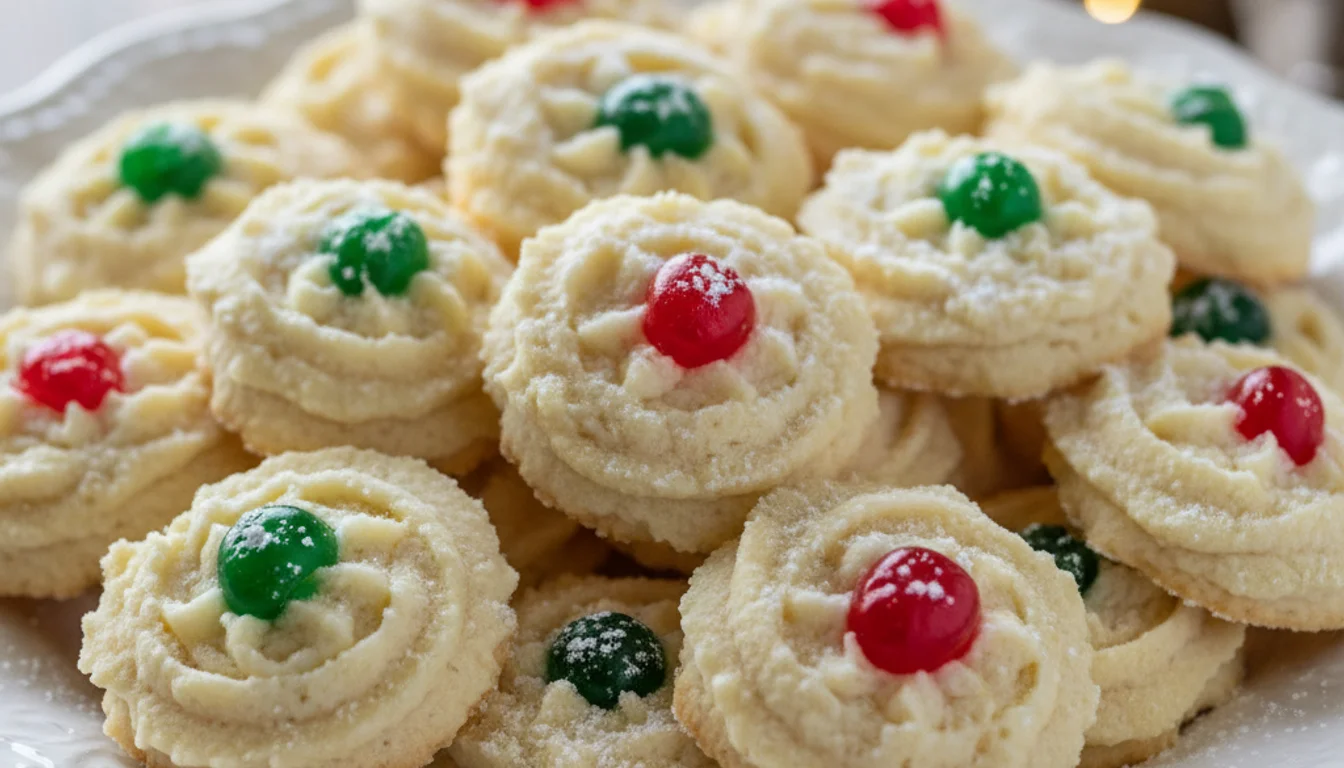

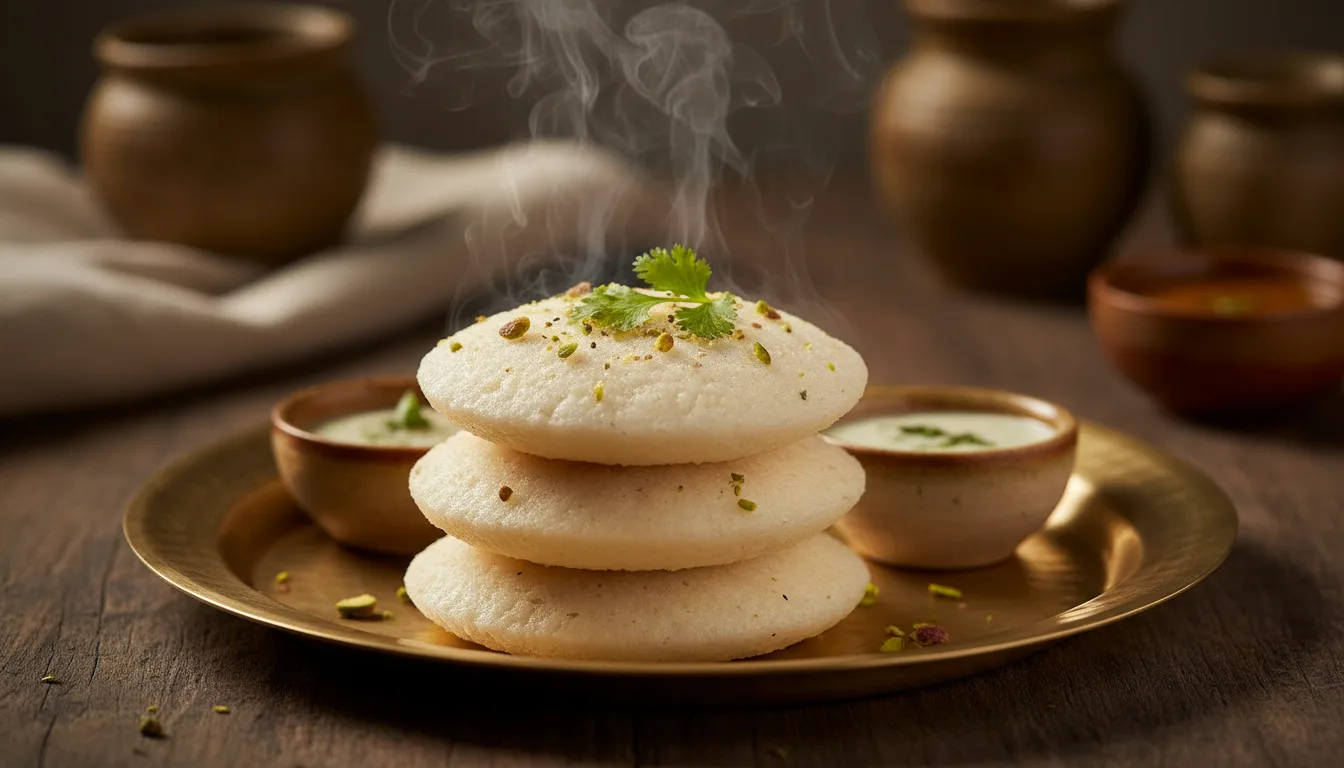
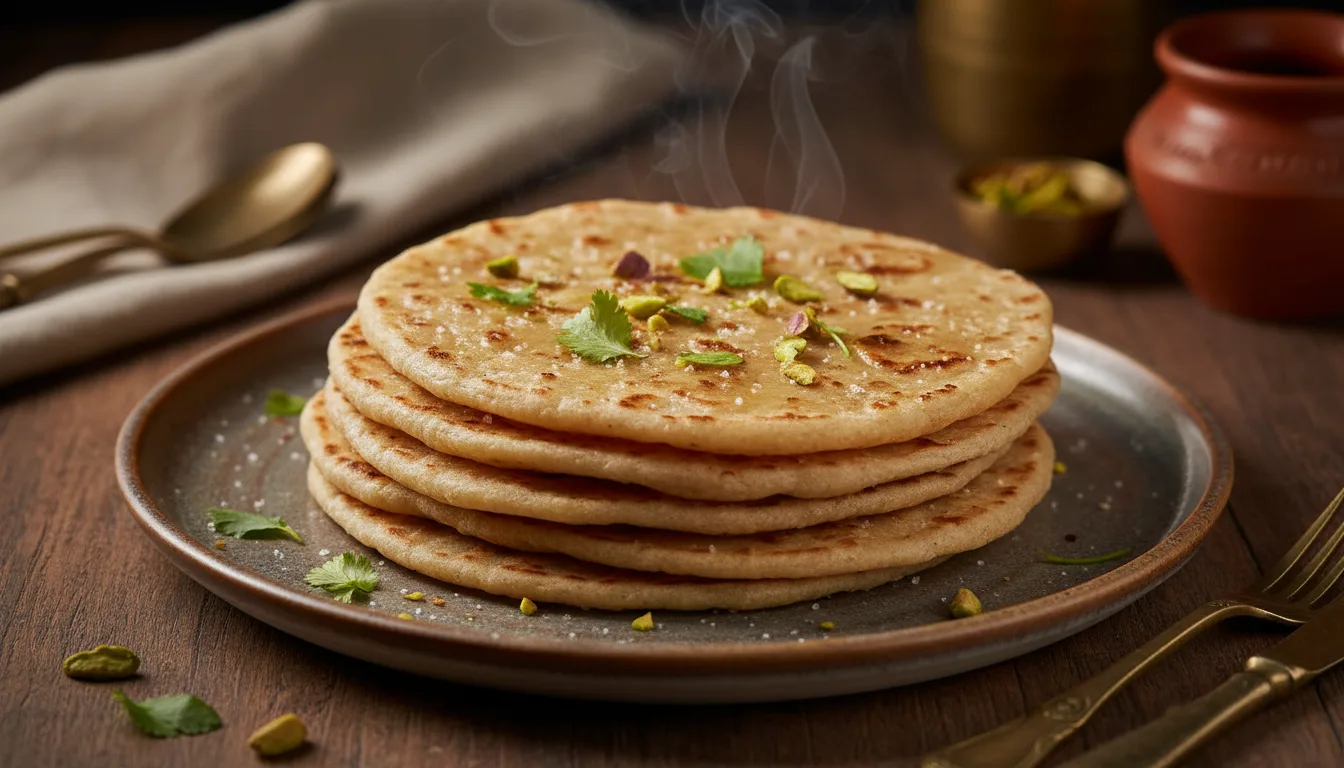
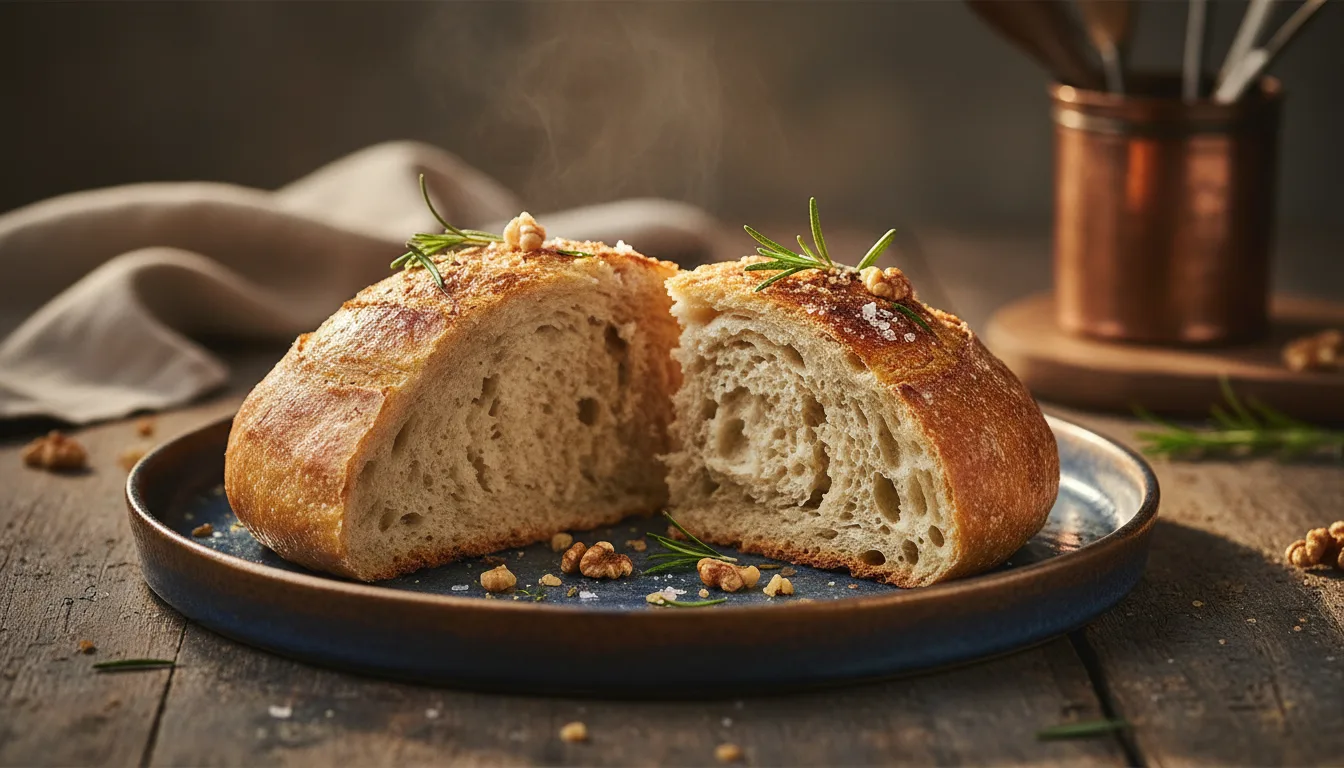
Make Us Your Preferred Culinary Source
Prioritize Ages & Spices in your Google Discover, Top Stories, and AI search feed with one tap.
🎭How does this recipe make you feel?
Tap a reaction to share your vibe
Starch Retrogradation Reversal
Storage Science
Store at room temperature in a breathable bread bag or paper wrapper for up to 2 days. DO NOT refrigerate, as the cold accelerates starch retrogradation (staling). For long-term storage, freeze tightly wrapped.
Reheating Science
To reverse staling, flick a few drops of water onto the crust and reheat in a 350°F (175°C) oven for 5-8 minutes. The steam will re-gelatinize the starches, making the crumb soft and the crust crisp.
Taster's Notes
Community Feedback
0 Comments
Be the first to leave a note on this recipe!