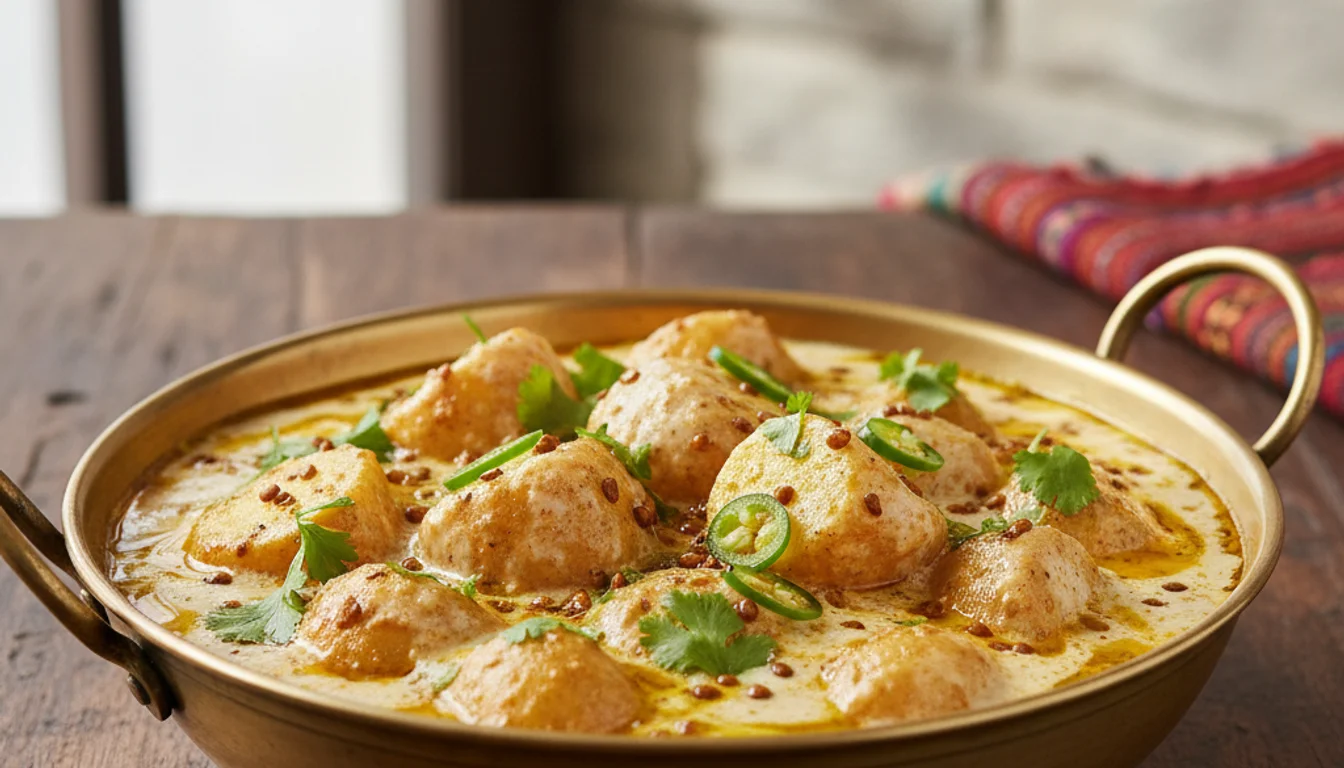
The Ultimate High Protein Soya Chukauni Recipe
Royal Nutritional Ledger *
For those counting their gold coins and their calories.
The Royal Disclaimer: These figures are calculated by our finest AI court scholars based on standard ingredient values. They are highly educated estimates meant for guidance, not gospel. If you require absolute scientific precision for medical or dietary salvation, please consult a certified physician rather than our kitchen AI!
The Viral Kitchen Phenomenon: Internet-Famous Recipes Mastered by Science
Did You Know?
Historical Tidbit
Chukauni is a specialty of the Palpa district in Western Nepal, traditionally served during community festivals alongside spicy Batuk (lentil patties). Social media fitness creators popularized this soya chunk adaptation, turning a regional mountain comfort food into a global protein macro powerhouse.
First time here? Click the button above to automatically send all these ingredients to your highest-paying local grocery delivery app.
⚖️ The Modernizer
Missing extinct ingredients? Swap for accessible modern alternatives.
The Golden Rule
"Squeeze the boiled soya chunks until bone-dry so they act like flavor sponges for the yogurt."
Ingredients
22 items required
The High-Protein Soya Core:
The Creamy Chukauni Base:
The Iconic Himalayan Mustard Oil Tadka (Jimbu / Methi Tempering):
Fresh Herb Garnish:
Make Us Your Preferred Culinary Source
AI Emergency Hub
Hit a snag while prepping? Our elite AI tools are here to save your dish.
Missing an Ingredient?
Recipe Disaster?
Chef's Notes
**The Fenugreek Browning Secret**: In western cooking, browned fenugreek is feared as bitter. In Himalayan and Palpa cooking, fenugreek seeds must be fried until deep dark brown in smoking mustard oil. At this stage, complex pyrazine molecules develop, shifting the seeds from sharp medicinal bitterness to deep roasted chicory-hazelnut crunch. **Why Cold Yogurt Matters**: Never pour hot tadka into warm yogurt; always use refrigerator-cold Greek yogurt. The thermal shock creates immediate vapor entrapment, infusing the smokiness of the mustard oil throughout the cold curd.
Pro Tip
1. **Squeeze With Muscle**: The drier the boiled soya chunks are after squeezing, the better they will absorb the seasoned yogurt and avoid making the dish watery. 2. **Kala Namak Accent**: Do not substitute black salt with plain table salt; the natural iron and sulfur minerals in rock salt define the authentic rustic street profile of Himalayan Chukauni. 3. **Meal-Prep Friendly**: Chukauni keeps exceptionally well for 48 hours in the fridge; in fact, the soya chunks taste even better on Day 2 as they marinate in the yogurt.
Kitchen Catastrophe Warning
**Disaster — The Tadka Oil Curdled the Yogurt**: The oil was dumped directly into a localized spot while boiling hot and not stirred immediately. **The Rescue**: Quickly whisk in 2 tablespoons of chilled milk or ice-cold whisked curd. The cold dairy fats will restore the colloidal emulsion, re-smoothing the sauce in seconds.
The Jester's Corner
Royal Court Comedy
If you think soya chunks taste like cardboard, you've been eating food prepared by someone whose cooking philosophy is 'boil and pray'. Hitting 26 grams of vegetarian protein with a refreshing cold spiced yogurt bowl will make your gym bro question his entire dry chicken breast existence. The sizzling mustard oil tadka hitting cold Greek yogurt makes a sound so glorious it belongs in a culinary museum of ASMR soundscapes.
The Culinary Science
**Soy Protein Porosity & Acidic Hydration**: Textured soy protein is an extruded defatted soy flour structure with micro-capillary pores. When squeezed dry and submerged in yogurt (lactic acid $pH \approx 4.4$), the soy proteins (*glycinin* and *beta-conglycinin*) swell and trap dairy whey within their cellular matrix. This mimics the mouthfeel of tender poultry or paneer while supplying all 9 essential amino acids with near-zero saturated fat.
Featured in Master Menu Collections
Calibrated by culinary science for foolproof execution and maximum flavor.
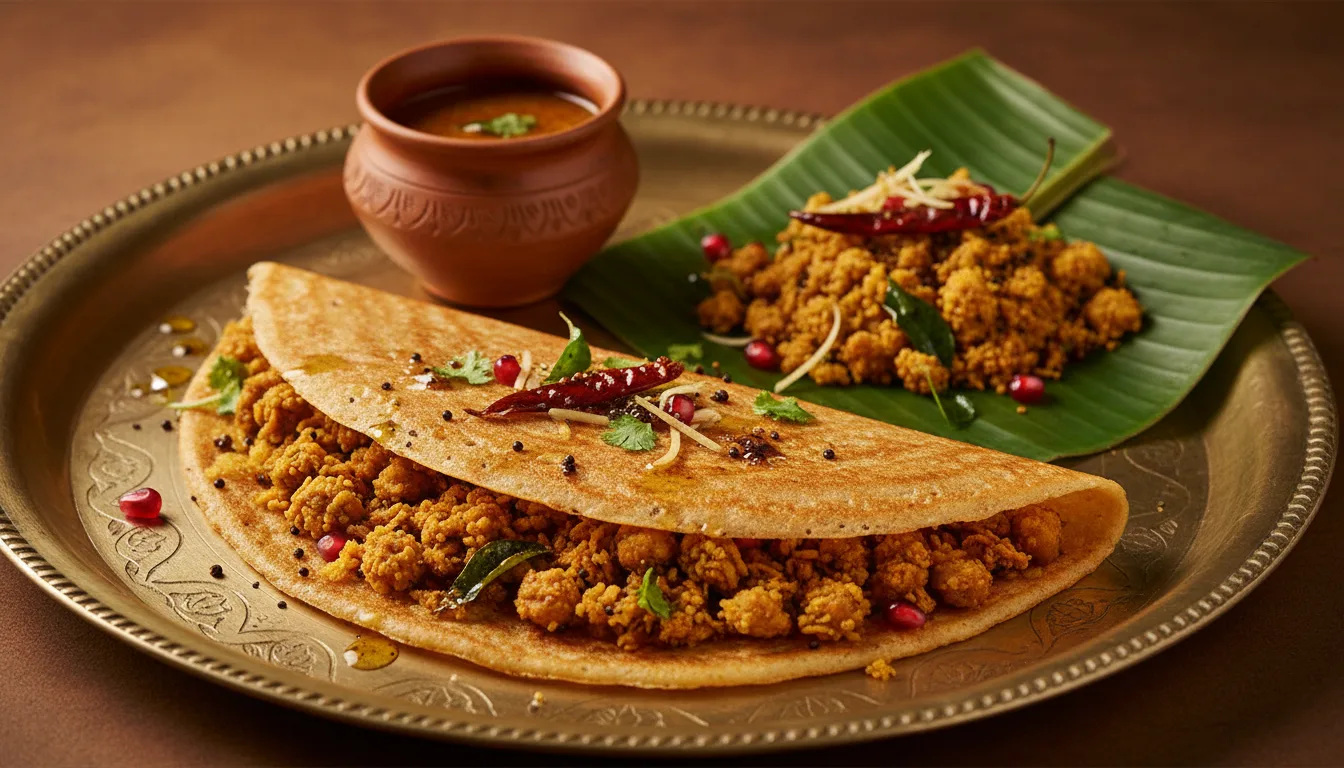
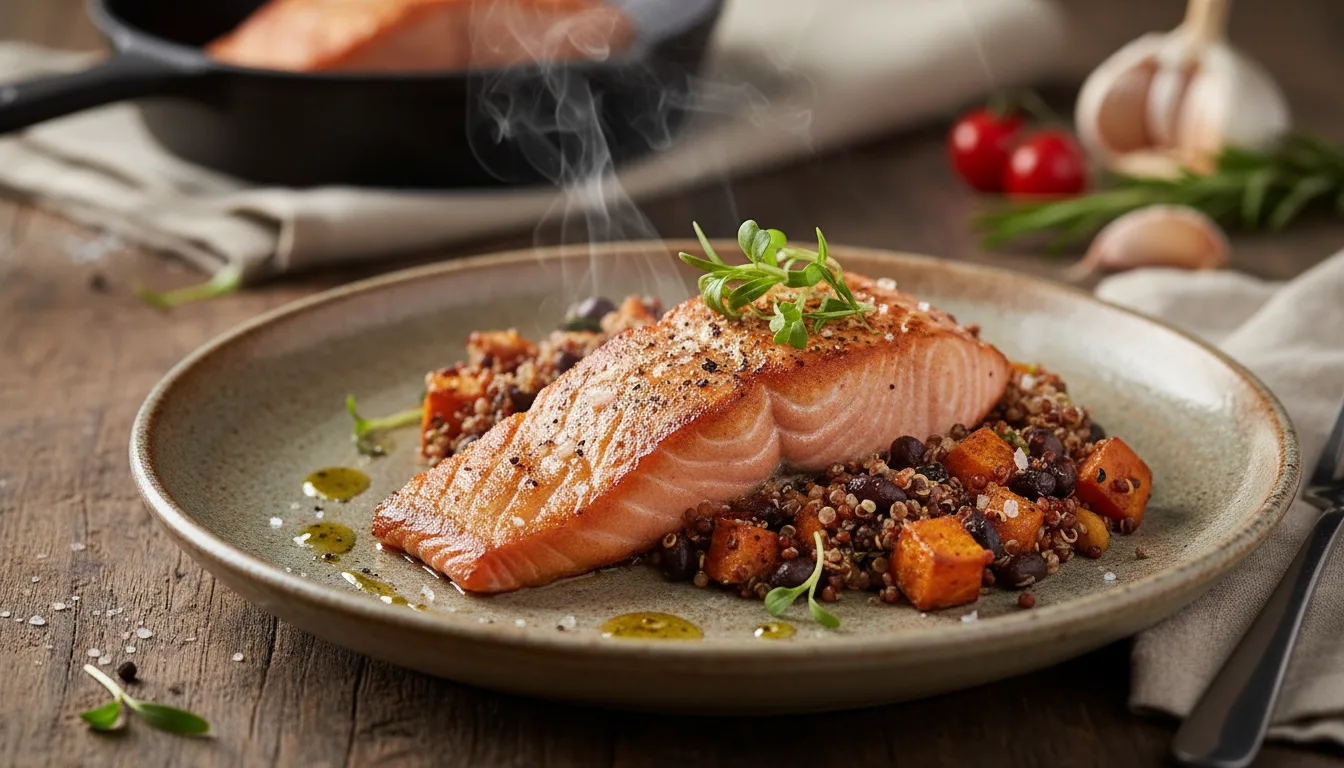
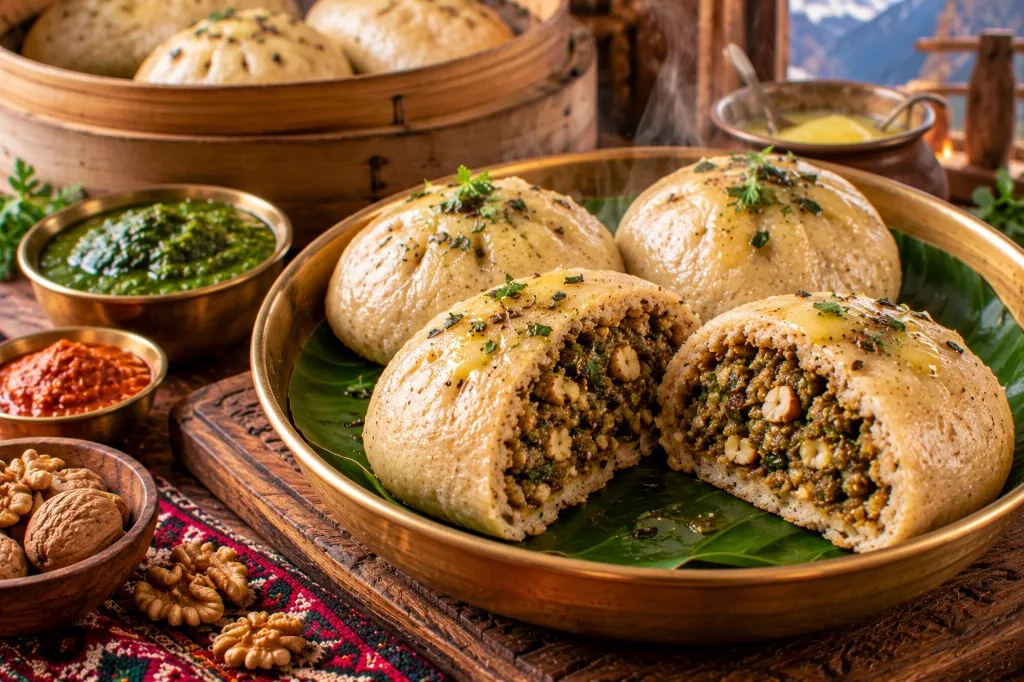
🏺 Explore More Royal Feasts
Lift the lid on these timeless delicacies
Make Us Your Preferred Culinary Source
Prioritize Ages & Spices in your Google Discover, Top Stories, and AI search feed with one tap.
🎭How does this recipe make you feel?
Tap a reaction to share your vibe
General Food Safety & Storage
Storage Science
Cool rapidly. Store in an airtight container in the refrigerator (below 4°C / 40°F). Consume within 3-4 days.
Reheating Science
Reheat to an internal temperature of 165°F (74°C). Use the stove or oven for best texture, stirring or turning occasionally to ensure even heating.
Taster's Notes
Community Feedback
0 Comments
Be the first to leave a note on this recipe!