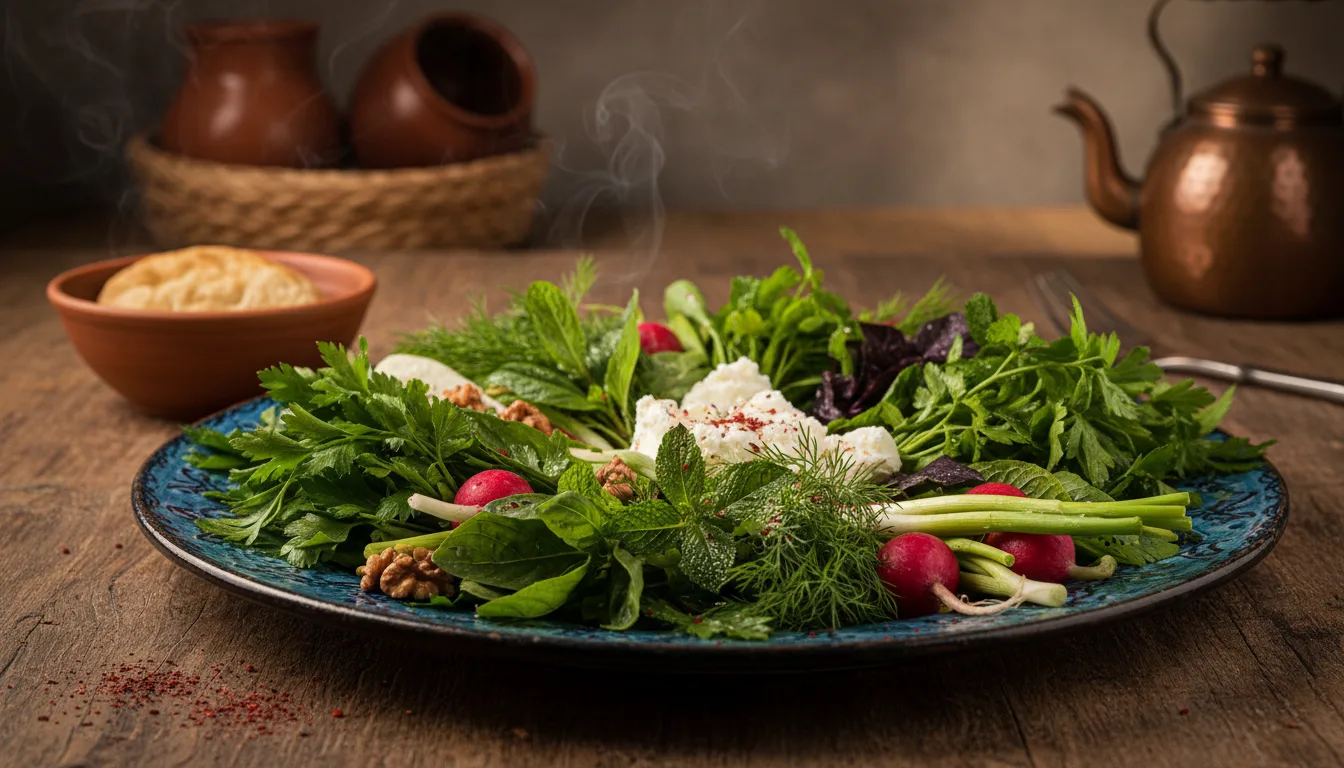
The Ultimate Sabzi Khordan Platter Recipe
Royal Nutritional Ledger *
For those counting their gold coins and their calories.
The Royal Disclaimer: These figures are calculated by our finest AI court scholars based on standard ingredient values. They are highly educated estimates meant for guidance, not gospel. If you require absolute scientific precision for medical or dietary salvation, please consult a certified physician rather than our kitchen AI!
Part of our Fresh platter Master Index
Did You Know?
Historical Tidbit
Sabzi Khordan is an indispensable centerpiece of Nowruz (the Persian New Year celebrating the vernal equinox), symbolizing green rebirth, fertility, and the awakening of nature after winter.
First time here? Click the button above to automatically send all these ingredients to your highest-paying local grocery delivery app.
⚖️ The Modernizer
Missing extinct ingredients? Swap for accessible modern alternatives.
The Golden Rule
"Herbs must be completely free of surface moisture yet internally bursting with cold-water turgor pressure; water inside the cell wall makes it crunch, water outside the cell wall makes it rot."
Ingredients
22 items required
The Royal Fresh Herbs (Sabzi):
The Crisp Vegetables & Roots:
The Artisanal Cheese & Rehydrated Nuts (Panir o Gerdoo):
The Royal Finishes & Aromatics:
The Flatbread Vessel:
Make Us Your Preferred Culinary Source
AI Emergency Hub
Hit a snag while prepping? Our elite AI tools are here to save your dish.
Missing an Ingredient?
Recipe Disaster?
Chef's Notes
The cardinal sin of Sabzi Khordan is serving wet herbs. Residual wash water trapped between delicate leaves triggers instantaneous anaerobic rot, renders the herbs limp and slimy within minutes, and turns crisp Sangak flatbread into a sodden paste. Spin relentlessly and air-dry across linen before assembling.
Pro Tip
Always soak your dried raw walnuts in salted cold water for at least 2 hours before serving. This biochemical hydration extracts the harsh polyphenolic tannins (specifically juglone) embedded in the walnut skins, restoring the buttery, sweet, milky crunch of freshly plucked green orchard walnuts.
Kitchen Catastrophe Warning
If you washed your herbs too vigorously and they begin to weep or wilt, immediately plunge them into an ice-cube slurry for precisely 3 minutes to shock the plant cells back into turgor. Spin aggressively in a salad spinner lined with dry paper towels to absorb every micro-droplet, then discard any bruised leaves (especially tarragon and basil, which oxidize into black mush) and bulk up the platter with additional crisp radishes and cucumbers.
The Jester's Corner
Royal Court Comedy
If a Persian grandmother spots a single rogue droplet of tap water clinging to your tarragon leaves, your family inheritance is forfeit and you are banished to the desert.
The Culinary Science
Crispness in fresh herbs relies entirely on cellular turgor pressure: the hydrostatic pressure exerted by the intracellular vacuolar fluid against the primary cellulosic plant cell wall. Soaking herbs in a hypotonic ice bath drives water molecules into the plant cells via osmosis, hyper-inflating the vacuoles and restoring maximum crisp rigidity.
Make Us Your Preferred Culinary Source
Prioritize Ages & Spices in your Google Discover, Top Stories, and AI search feed with one tap.
🎭How does this recipe make you feel?
Tap a reaction to share your vibe
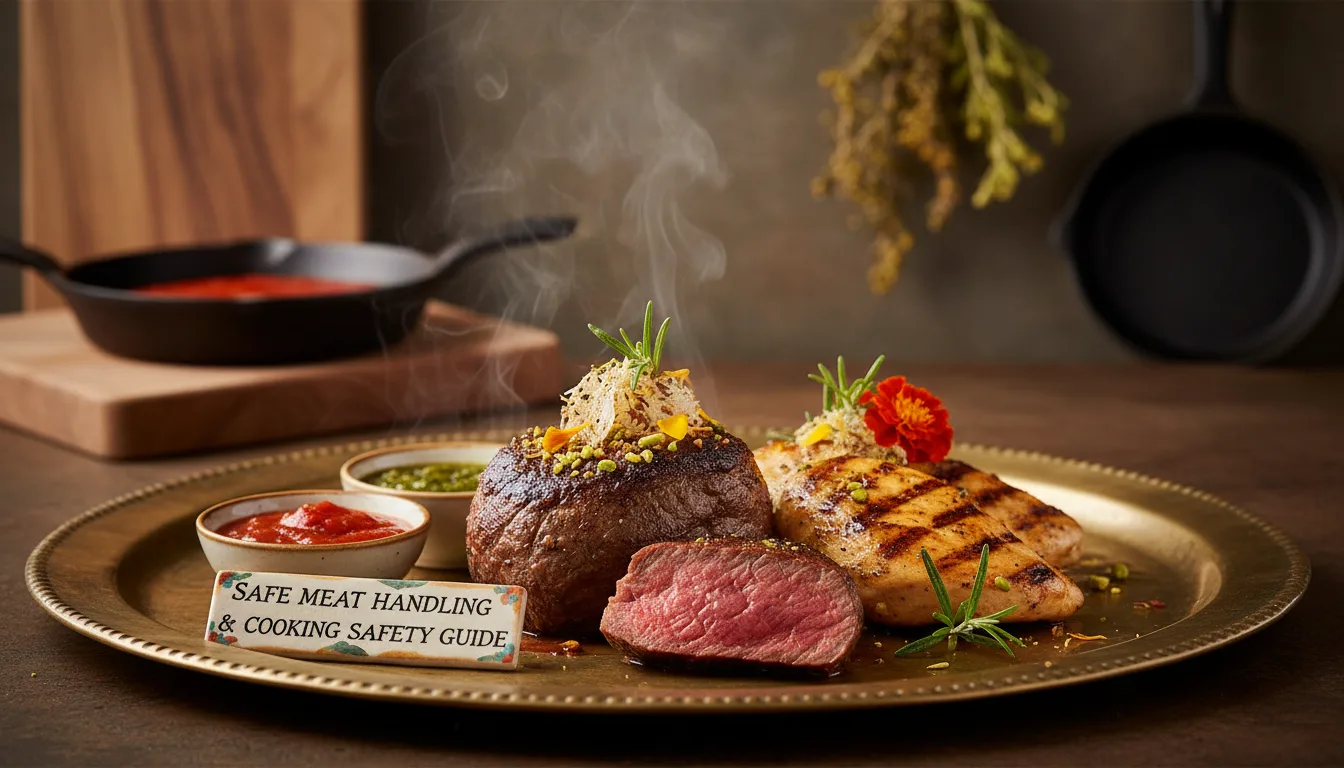
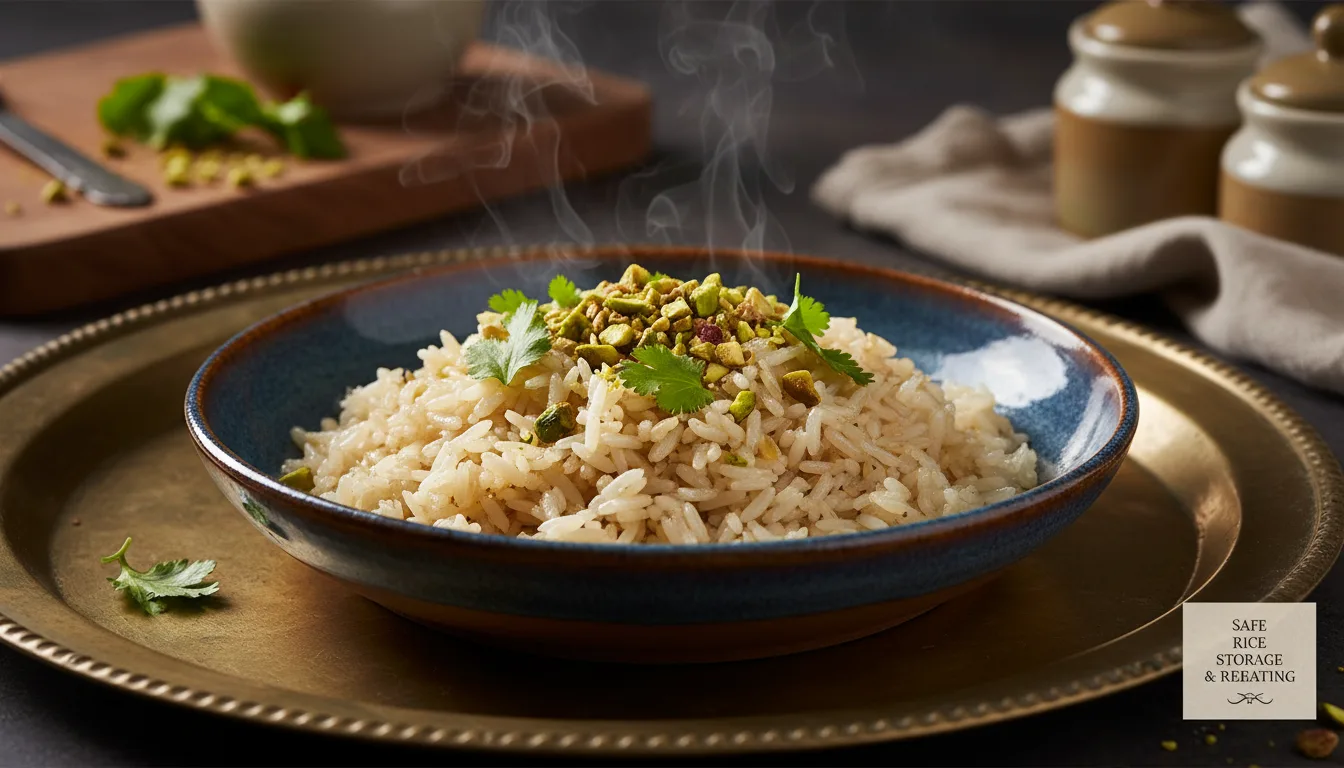
General Food Safety & Storage
Storage Science
Cool rapidly. Store in an airtight container in the refrigerator (below 4°C / 40°F). Consume within 3-4 days.
Reheating Science
Reheat to an internal temperature of 165°F (74°C). Use the stove or oven for best texture, stirring or turning occasionally to ensure even heating.
Taster's Notes
Community Feedback
0 Comments
Be the first to leave a note on this recipe!