The Ultimate Sacred Telugu Pulagam Recipe (Satvik Harvest Rice & Moong Dal)
Royal Nutritional Ledger *
For those counting their gold coins and their calories.
The Royal Disclaimer: These figures are calculated by our finest AI court scholars based on standard ingredient values. They are highly educated estimates meant for guidance, not gospel. If you require absolute scientific precision for medical or dietary salvation, please consult a certified physician rather than our kitchen AI!
The Sankranthi & Pongal Master Harvest Food Guide
Did You Know?
Historical Tidbit
Pulagam is considered a Satvik food, meaning it promotes purity, energy, and clarity of mind, aligning with Ayurvedic principles.
First time here? Click the button above to automatically send all these ingredients to your highest-paying local grocery delivery app.
⚖️ The Modernizer
Missing extinct ingredients? Swap for accessible modern alternatives.
The Golden Rule
"The quality of your raw ingredients – especially the newly harvested rice and pure cow ghee – is paramount. This dish celebrates simplicity; therefore, the inherent flavor and purity of each component must shine through. Compromise on these, and you compromise the soul of Pulagam."
Ingredients
17 items required
The Sacred Grains:
The Elixir of Life:
The Earth's Essence:
The Golden Nectar:
The Aromatic Embrace:
The Royal Garnish (Optional):
Make Us Your Preferred Culinary Source
AI Emergency Hub
Hit a snag while prepping? Our elite AI tools are here to save your dish.
Missing an Ingredient?
Recipe Disaster?
Chef's Notes
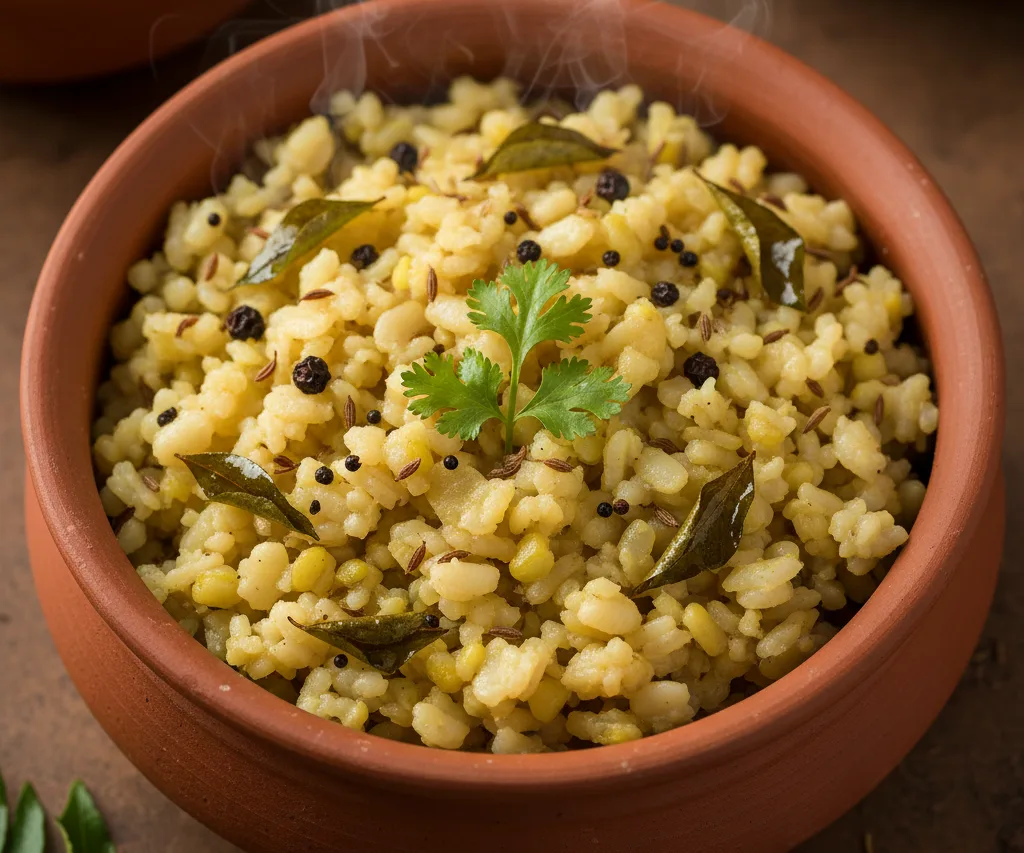
The essence of a perfect Pulagam lies in its tender, yet not mushy, consistency. The grains of rice and dal should be distinctly separate but melt in the mouth. The earthen pot imparts a unique earthy aroma and ensures even heat distribution, preventing burning while allowing for slow, gentle cooking. The simple, robust tempering is designed to highlight the natural sweetness of the grains, providing warmth and depth without overpowering.
Pro Tip
1. **The 'Al Dente' Check for Grains:** To ensure perfect doneness, after the initial cooking, gently press a grain of rice and a piece of dal between your thumb and forefinger. They should yield easily without being chalky or overly mushy. If still firm, add a splash more hot water and cook for another 5-7 minutes. ||| 2. **Ghee is King:** Do not skimp on the pure cow ghee. It's not just for flavor; it helps prevent sticking, adds a luxurious mouthfeel, and aids in the absorption of fat-soluble compounds, enhancing the overall nutritional value and satiety. ||| 3. **The Power of Rest:** The 10-minute resting period off the heat is non-negotiable. It allows the starches to stabilize and the moisture to evenly distribute, preventing a sticky or watery outcome.
Kitchen Catastrophe Warning
The most common catastrophe is burnt Pulagam or excessively mushy Pulagam. If you notice a burning smell, immediately remove the pot from heat and transfer the unburnt top layers to a clean pot. Add a splash of hot water, cover, and let it steam gently again. If it's too mushy, gently spread it on a wide plate and let it cool slightly; some moisture will evaporate, and it can be salvaged by serving with a robust chutney.
The Jester's Corner
Royal Court Comedy
My mother-in-law once told me my Pulagam was 'almost as good as hers... for a beginner.' I'm still trying to figure out if that was a compliment or a challenge.
The Culinary Science
The transformation of raw rice and moong dal into soft, edible Pulagam is primarily due to **starch gelatinization**. When heated in water, the starch granules in the grains absorb water, swell, and eventually rupture. This process makes the starches digestible and contributes to the soft, creamy texture of the dish. The presence of protein from the moong dal also influences the water absorption and texture, creating a distinct mouthfeel compared to plain rice.
Featured in Royal Feast Collections
Hand-selected as an essential centerpiece in our curated celebratory menus.
Make Us Your Preferred Culinary Source
Prioritize Ages & Spices in your Google Discover, Top Stories, and AI search feed with one tap.
🎭How does this recipe make you feel?
Tap a reaction to share your vibe
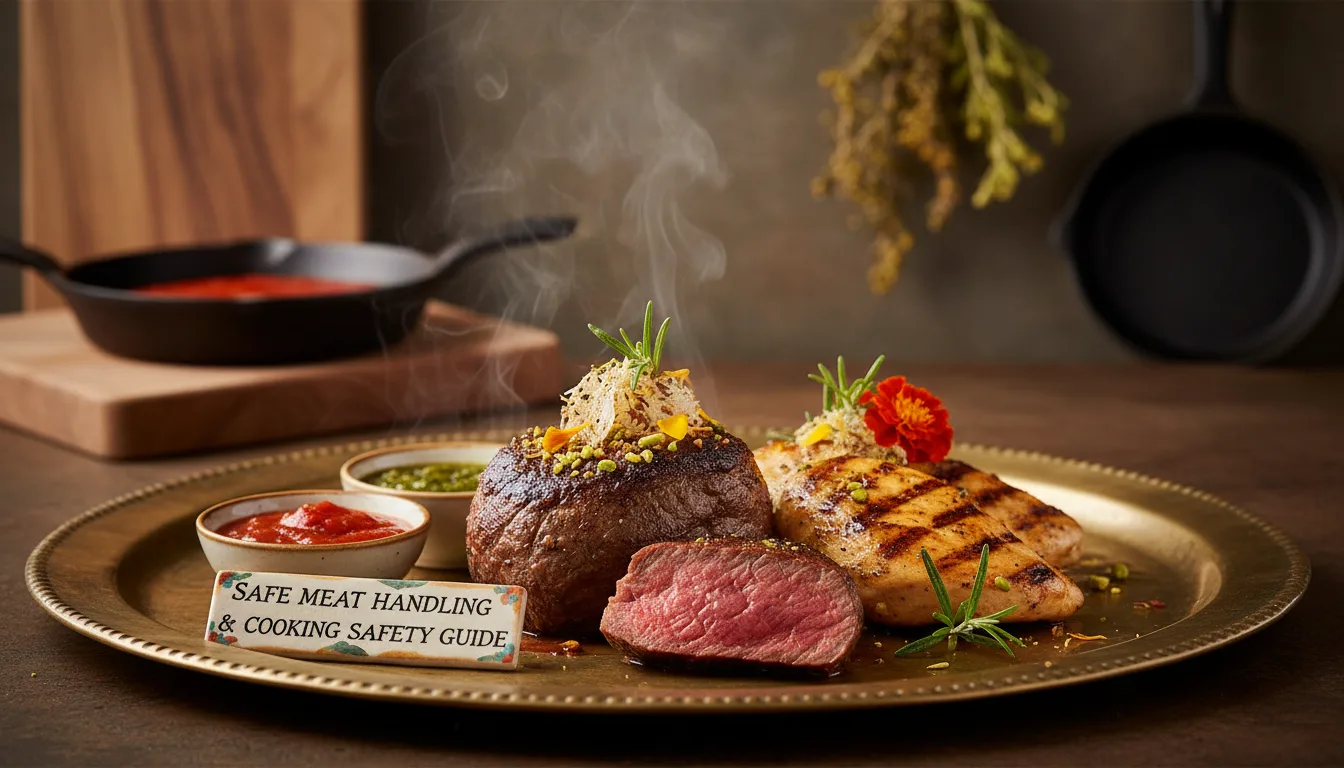
General Food Safety & Storage
Storage Science
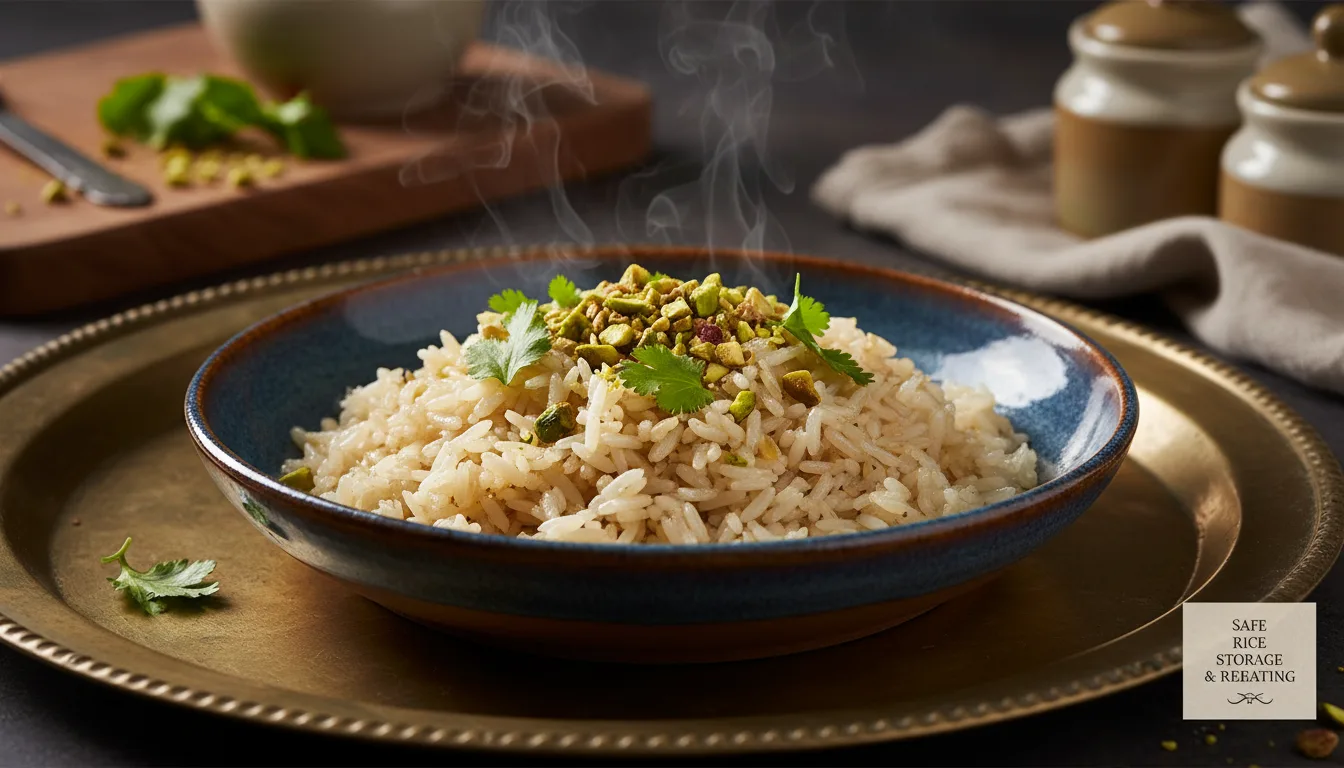
Cool rapidly. Store in an airtight container in the refrigerator (below 4°C / 40°F). Consume within 3-4 days.
Reheating Science
Reheat to an internal temperature of 165°F (74°C). Use the stove or oven for best texture, stirring or turning occasionally to ensure even heating.
Taster's Notes
Community Feedback
0 Comments
Be the first to leave a note on this recipe!