The Ultimate Southern-style Pav Bhaji Recipe
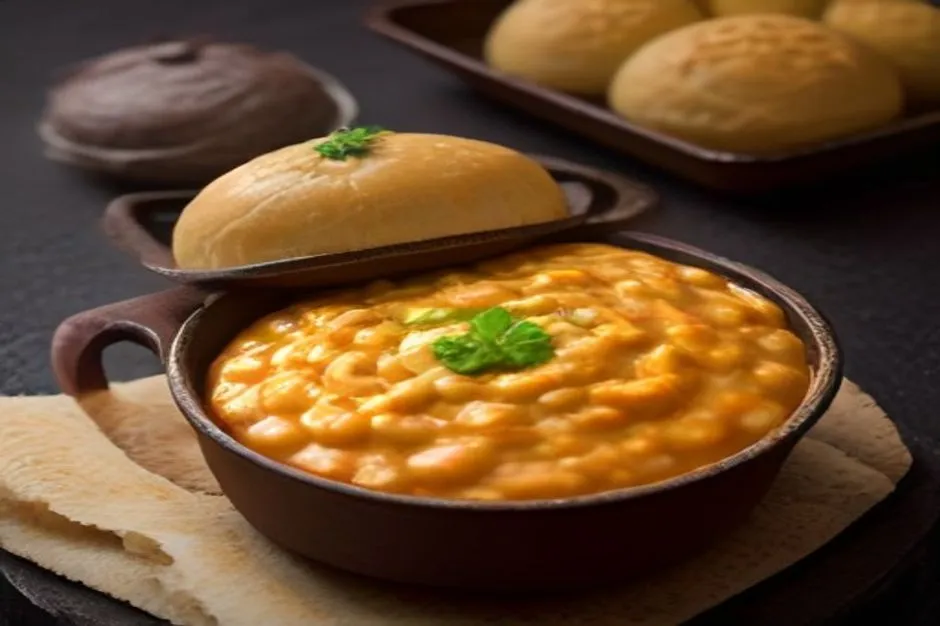
Royal Nutritional Ledger *
For those counting their gold coins and their calories.
The Royal Disclaimer: These figures are calculated by our finest AI court scholars based on standard ingredient values. They are highly educated estimates meant for guidance, not gospel. If you require absolute scientific precision for medical or dietary salvation, please consult a certified physician rather than our kitchen AI!
Part of our Auto-Drip Master Index
Did You Know?
Historical Tidbit
Pav Bhaji originated in the 1860s on the streets of Mumbai as a quick lunch for textile mill workers
First time here? Click the button above to automatically send all these ingredients to your highest-paying local grocery delivery app.
⚖️ The Modernizer
Missing extinct ingredients? Swap for accessible modern alternatives.
The Golden Rule
"Never rush the tomato reduction stage; if your tomatoes are sour and uncooked, your entire dish will taste like raw paste instead of royal comfort food."
Ingredients
15 items required
Make Us Your Preferred Culinary Source
AI Emergency Hub
Hit a snag while prepping? Our elite AI tools are here to save your dish.
Missing an Ingredient?
Recipe Disaster?
Chef's Notes
Do not shy away from the butter. True pav bhaji demands a generous amount of fat to carry the spices properly. Mash the vegetables thoroughly while they are hot to achieve that iconic smooth, velvety street-food texture.
Pro Tip
Add a tiny beetroot splash during the mashing stage if you want that iconic restaurant-red hue without relying purely on heavy food dyes. Always toast your pav buns in the same pan where the bhaji was cooking to absorb the leftover spiced butter flavor.
Kitchen Catastrophe Warning
Beware of under-cooking the raw onions or adding too much water at once, turning your glorious thick bhaji into a sad, watery vegetable soup that insults your ancestors.
The Jester's Corner
Royal Court Comedy
Why did the potato break up with the masher? Because it just couldn't handle the pressure
The Culinary Science
Mashing cooked vegetables ruptures their cell walls, releasing starches and natural pectins that thicken the sauce naturally without needing heavy flour or cornstarch slurries.
Explore Curated Feast Collections
Discover 90+ themed festive banquets, seasonal menus, and imperial regional feasts.
🏺 Explore More Royal Feasts
Lift the lid on these timeless delicacies
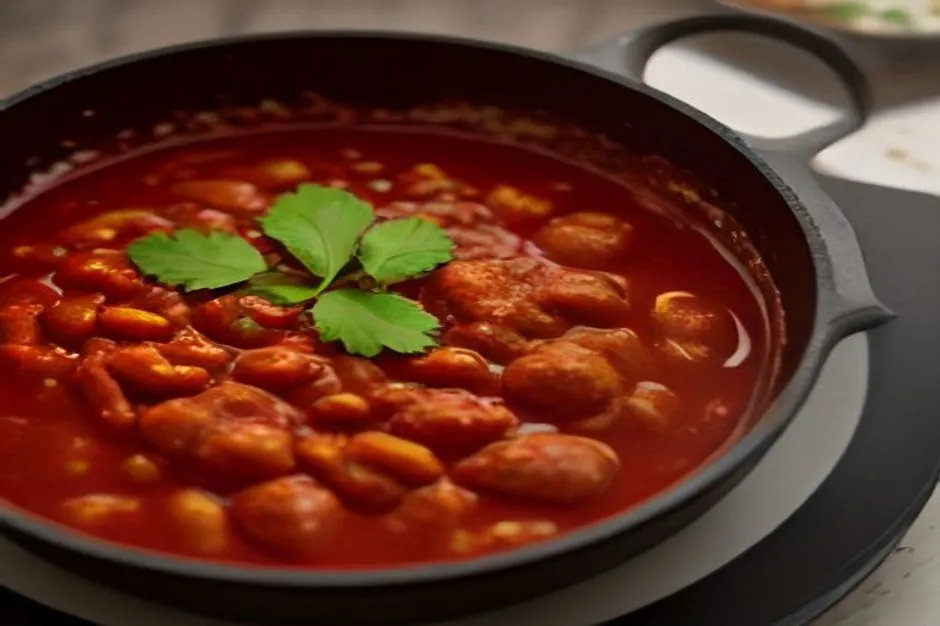
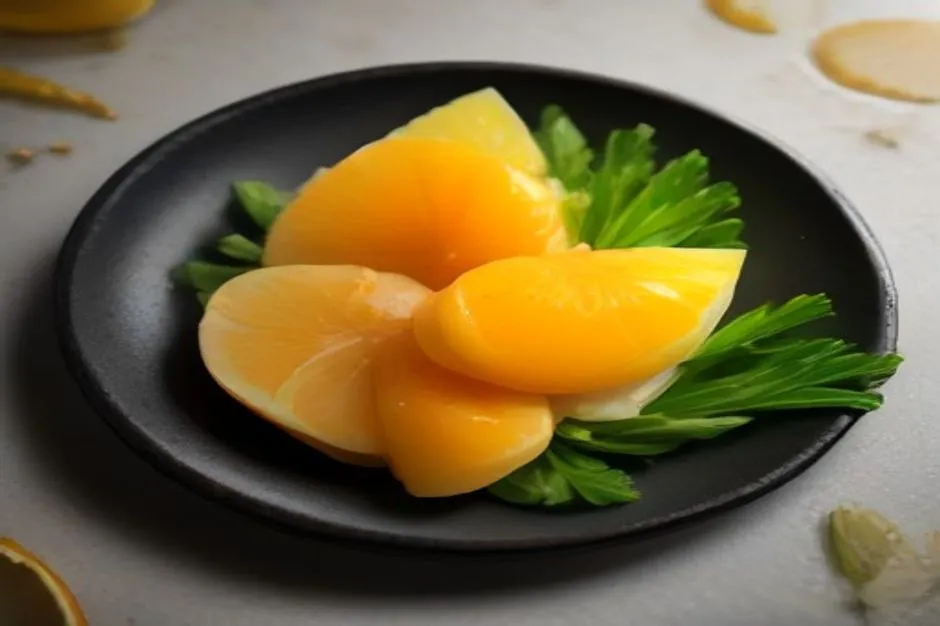
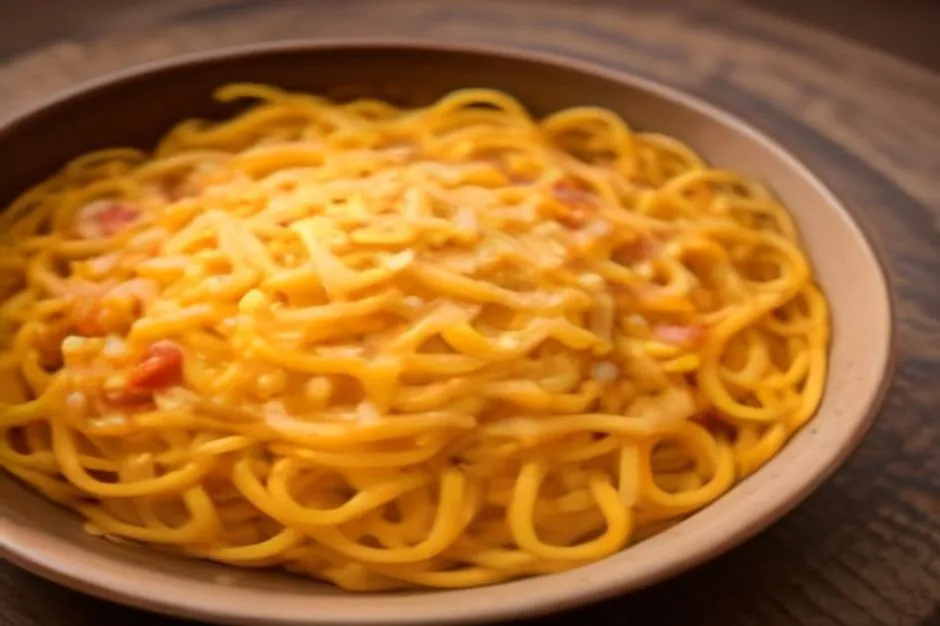
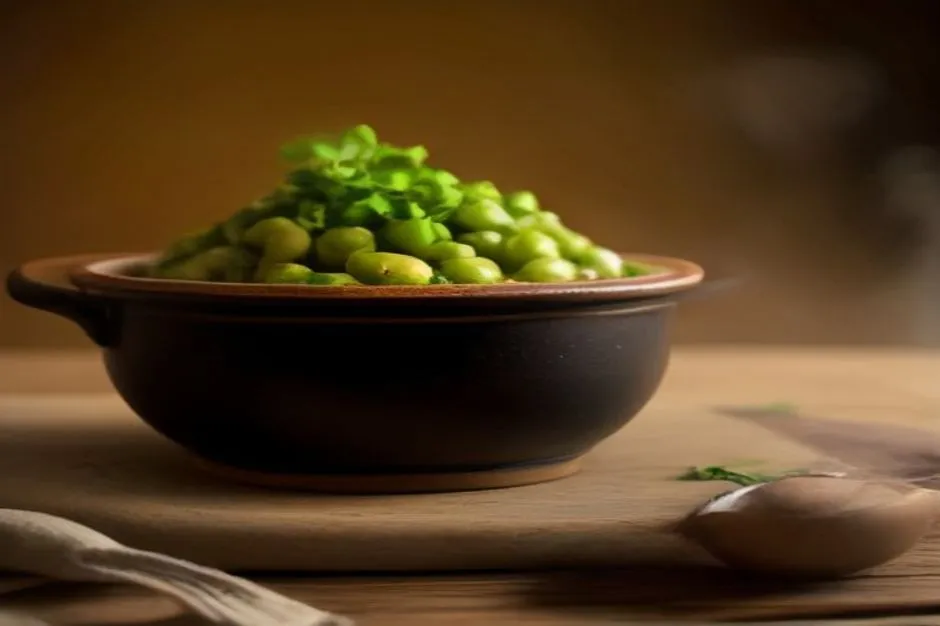
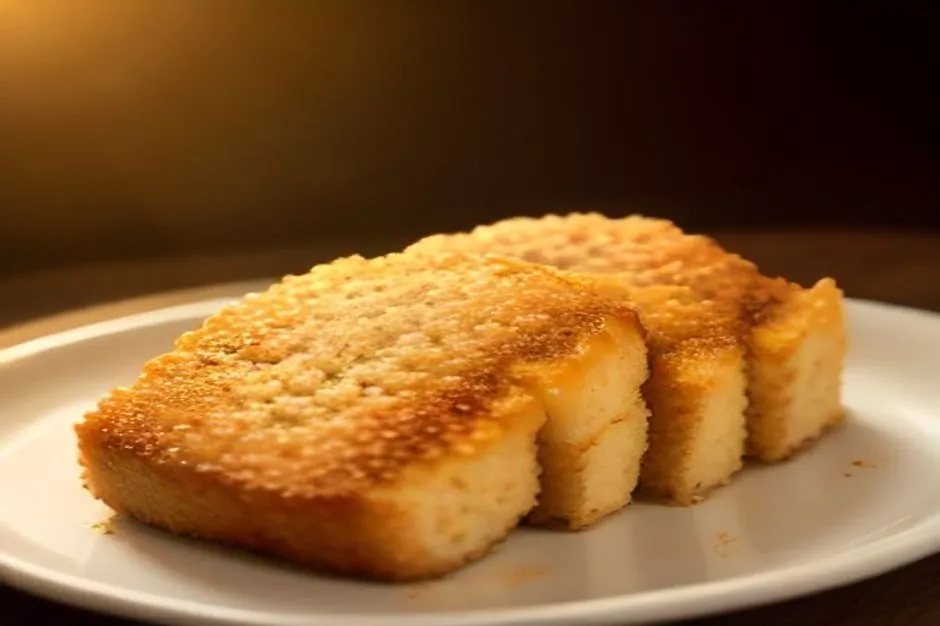
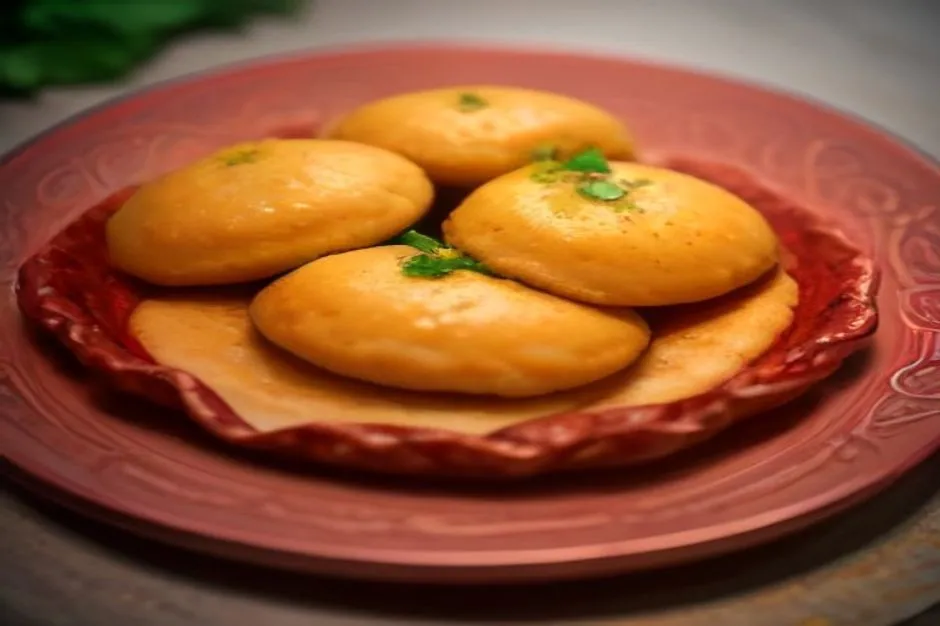
Make Us Your Preferred Culinary Source
Prioritize Ages & Spices in your Google Discover, Top Stories, and AI search feed with one tap.
🎭How does this recipe make you feel?
Tap a reaction to share your vibe
General Food Safety & Storage
Storage Science
Cool rapidly. Store in an airtight container in the refrigerator (below 4°C / 40°F). Consume within 3-4 days.
Reheating Science
Reheat to an internal temperature of 165°F (74°C). Use the stove or oven for best texture, stirring or turning occasionally to ensure even heating.
Taster's Notes
Community Feedback
0 Comments
Be the first to leave a note on this recipe!