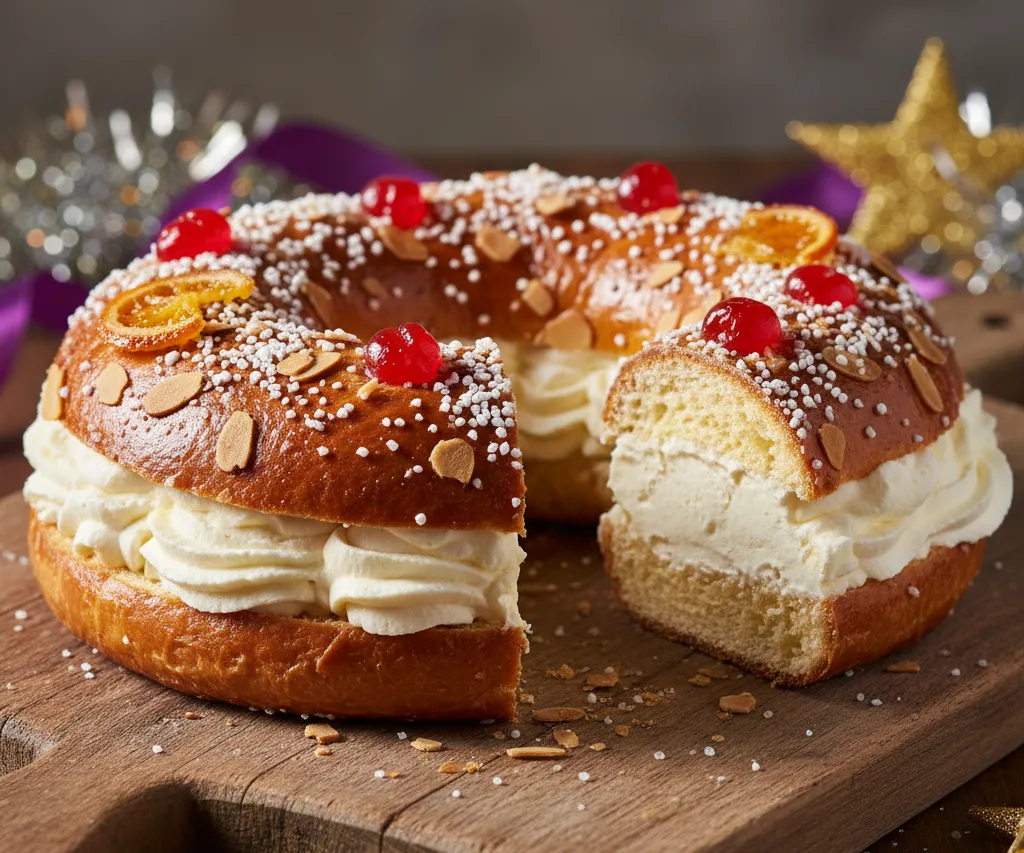
The Ultimate Spanish Roscón de Reyes Recipe (Traditional Three Kings Cake)
Royal Nutritional Ledger *
For those counting their gold coins and their calories.
The Royal Disclaimer: These figures are calculated by our finest AI court scholars based on standard ingredient values. They are highly educated estimates meant for guidance, not gospel. If you require absolute scientific precision for medical or dietary salvation, please consult a certified physician rather than our kitchen AI!
Three Kings Day & Epiphany Master Food Guide: Roscón, Rosca & Regional Feasts
Did You Know?
Historical Tidbit
The Roscón de Reyes tradition dates back to Roman times, evolving from pagan festivals celebrating the winter solstice.
First time here? Click the button above to automatically send all these ingredients to your highest-paying local grocery delivery app.
⚖️ The Modernizer
Missing extinct ingredients? Swap for accessible modern alternatives.
The Golden Rule
"Thou shalt not rush the proofing. Patience is the supreme virtue in Roscón de Reyes creation; adequate and unhurried proofing is the sole determinant of an ethereal, light crumb versus a dense, disappointing brick."
Ingredients
23 items required
The Sacred Dough:
The Royal Garnish:
The Nata Montada Filling (Stabilized Vanilla Whipped Cream):
Make Us Your Preferred Culinary Source
AI Emergency Hub
Hit a snag while prepping? Our elite AI tools are here to save your dish.
Missing an Ingredient?
Recipe Disaster?
Chef's Notes
The essence of a truly magnificent Roscón lies in its dough's texture: it must be incredibly soft, airy, and rich, yet robust enough to hold its shape. The high butter and egg content contribute to this brioche-like crumb. Proper proofing, both first and second, is paramount; under-proofed dough will be dense, while over-proofed will collapse. The Spanish orange blossom water is non-negotiable for its authentic aromatic signature, perfectly complementing the fresh citrus zests. Finally, the stabilized nata montada filling provides a luxurious, creamy counterpoint to the subtly sweet bread, a hallmark of the Spanish tradition.
Pro Tip
1. **The 'Windowpane Test' for Dough Perfection:** After kneading, tear off a small piece of dough. Gently stretch it between your fingers. If you can stretch it thin enough to see light through it without tearing, your gluten is perfectly developed, ensuring an airy, tender Roscón. ||| 2. **Cold Cream, Cold Bowl, Cold Beaters:** For the most stable and voluminous whipped cream, ensure your heavy cream, mixing bowl, and whisk attachments are thoroughly chilled (a 15-minute stint in the freezer works wonders). This helps the fat globules emulsify more efficiently, creating a stiffer, longer-lasting cream. ||| 3. **The 'Warm Water Bath' for Proofing:** If your kitchen is cool, create a warm, humid environment for proofing. Place the covered dough bowl in a larger bowl filled with warm (not hot) water. This consistent warmth encourages active yeast fermentation and a beautiful rise.
Kitchen Catastrophe Warning
The most common catastrophe is a dense, heavy Roscón that doesn't rise properly. This is usually due to inactive yeast (old yeast, water too hot/cold) or under-proofing. If your Roscón feels heavy after the first proof and doesn't double, your yeast might be dead. You can try to salvage it by adding a small amount of freshly activated yeast dissolved in a tiny bit of warm milk and kneading it in, then re-proofing. If it's already baked and dense, transform it into a bread pudding or French toast casserole; no crumb goes to waste in a royal kitchen!
The Jester's Corner
Royal Court Comedy
My Roscón de Reyes didn't rise. I think my yeast is in cahoots with my diet plan.
The Culinary Science
The magic behind the Roscón's airy texture is yeast fermentation and gluten development. Yeast consumes sugars in the dough, producing carbon dioxide gas and alcohol. This gas gets trapped by the elastic gluten network (formed by kneading the flour's proteins), causing the dough to rise. The alcohol contributes to flavor. The addition of fats (butter) and sugar tenderizes the gluten, making the Roscón rich and soft, while the eggs provide structure and richness through their proteins and emulsifying properties.
Featured in Master Menu Collections
Calibrated by culinary science for foolproof execution and maximum flavor.
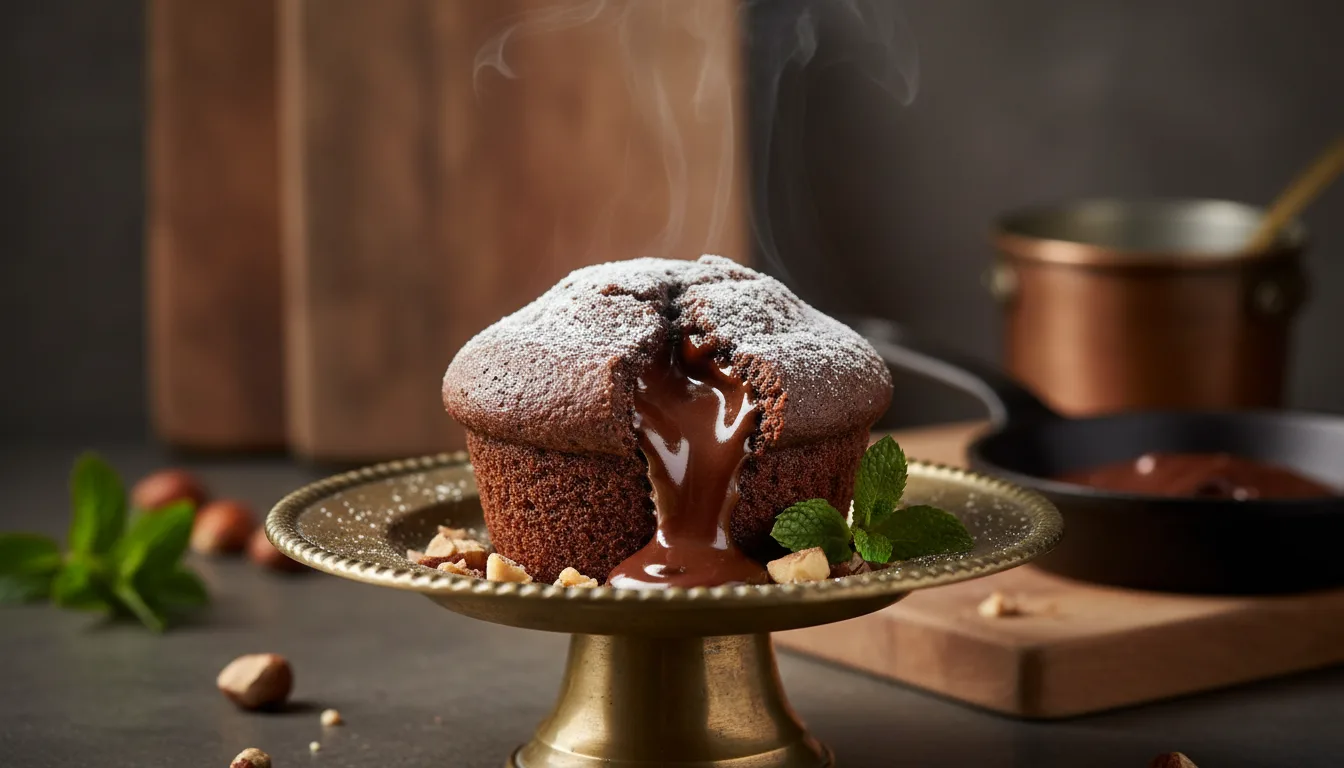
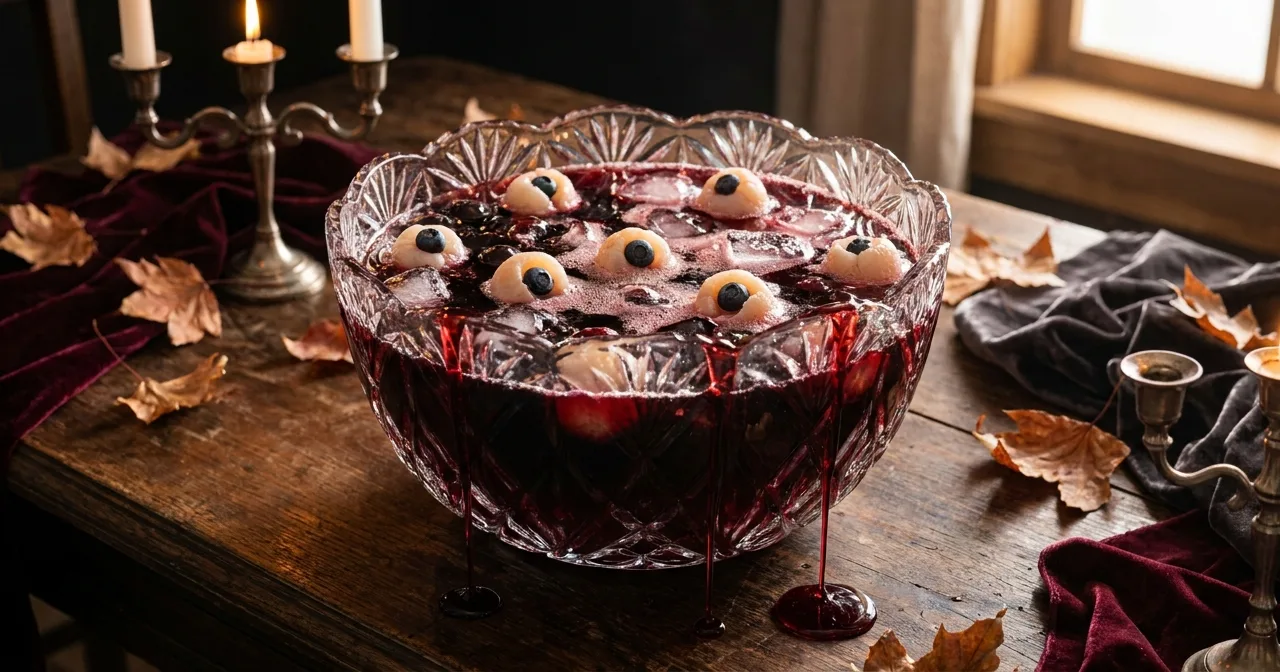
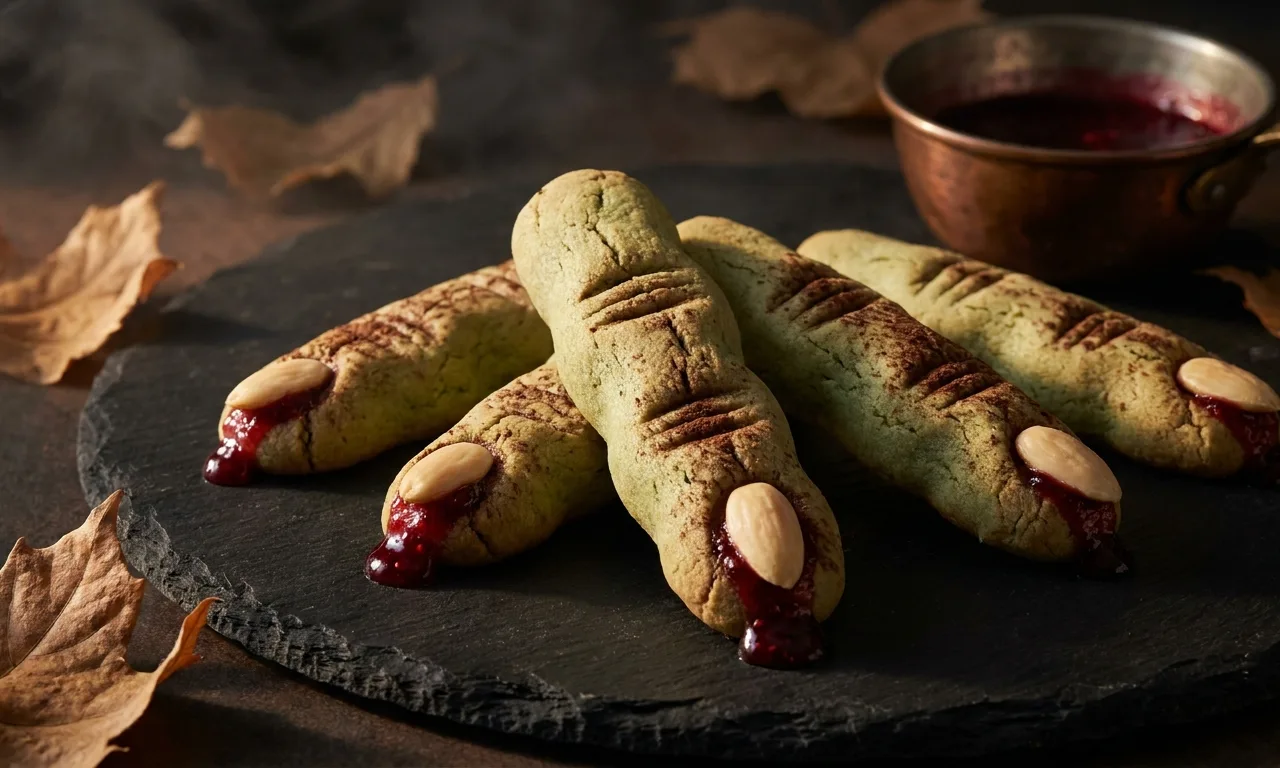
🏺 Explore More Royal Feasts
Lift the lid on these timeless delicacies

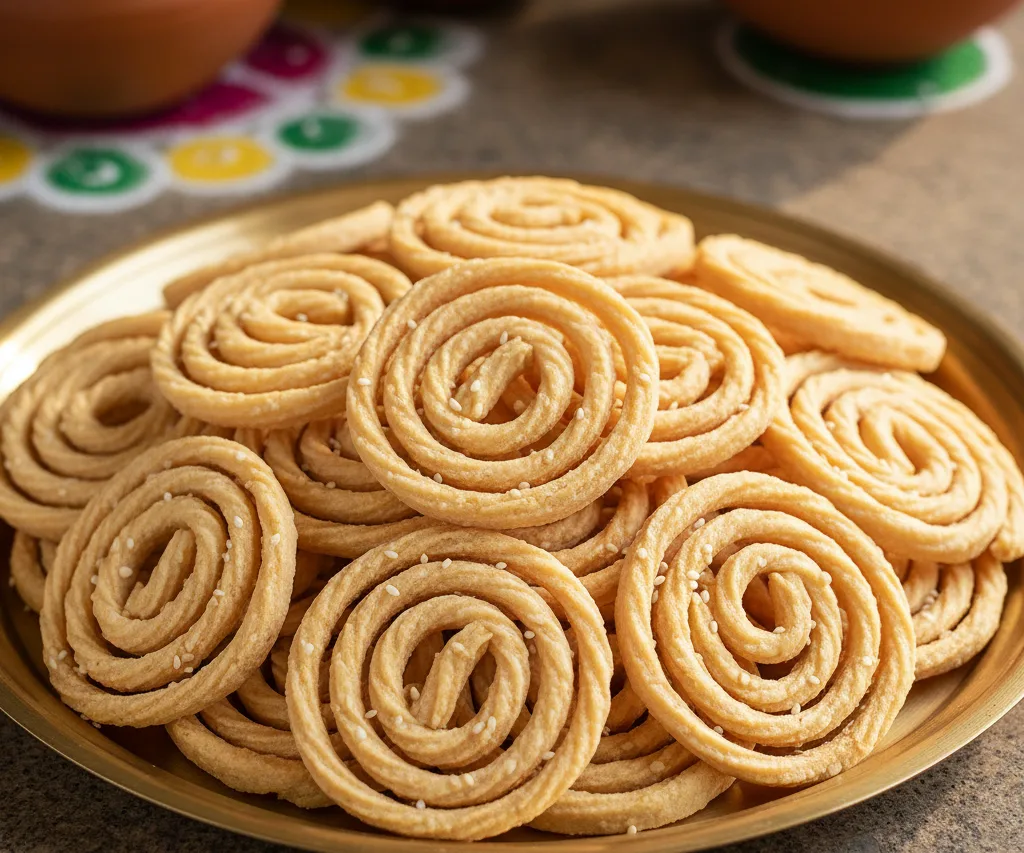
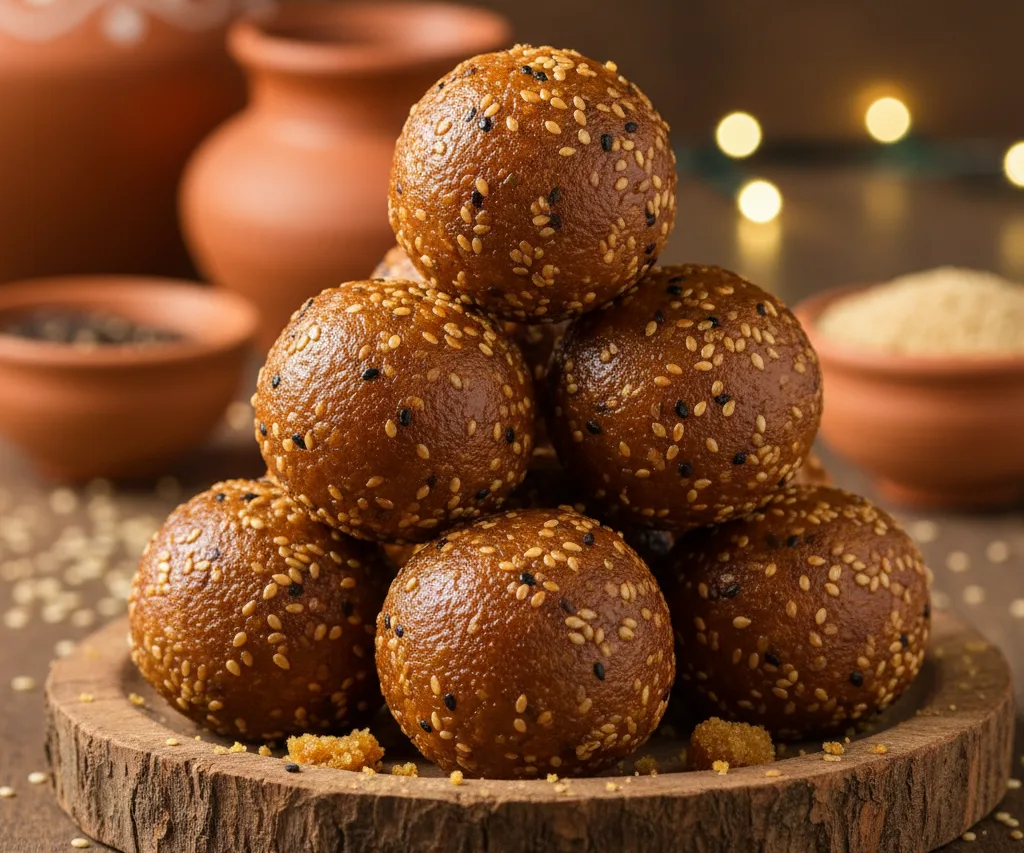
Make Us Your Preferred Culinary Source
Prioritize Ages & Spices in your Google Discover, Top Stories, and AI search feed with one tap.
🎭How does this recipe make you feel?
Tap a reaction to share your vibe
General Food Safety & Storage
Storage Science
Cool rapidly. Store in an airtight container in the refrigerator (below 4°C / 40°F). Consume within 3-4 days.
Reheating Science
Reheat to an internal temperature of 165°F (74°C). Use the stove or oven for best texture, stirring or turning occasionally to ensure even heating.
Taster's Notes
Community Feedback
0 Comments
Be the first to leave a note on this recipe!