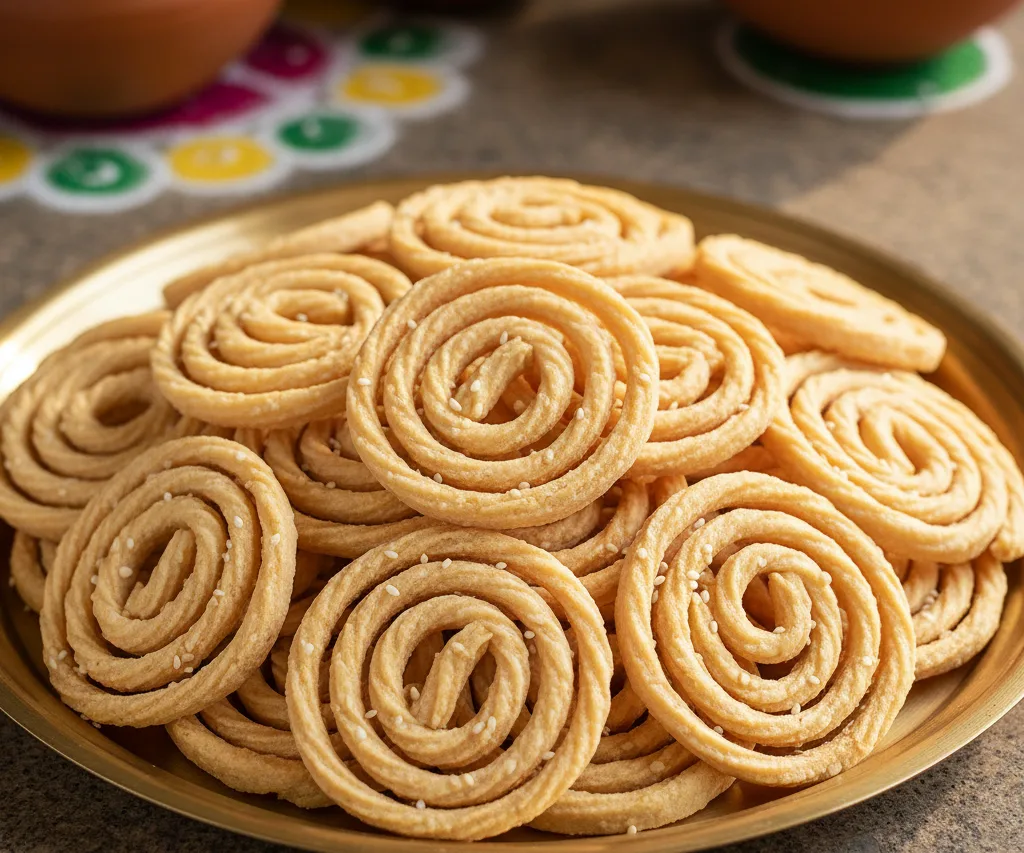
The Ultimate Telangana Sakinalu Recipe (Traditional Sesame Rice Spirals)
Royal Nutritional Ledger *
For those counting their gold coins and their calories.
The Royal Disclaimer: These figures are calculated by our finest AI court scholars based on standard ingredient values. They are highly educated estimates meant for guidance, not gospel. If you require absolute scientific precision for medical or dietary salvation, please consult a certified physician rather than our kitchen AI!
The Sankranthi & Pongal Master Harvest Food Guide
Did You Know?
Historical Tidbit
Sakinalu is a signature dish of the Sankranthi festival in Telangana, symbolizing prosperity and abundance.
First time here? Click the button above to automatically send all these ingredients to your highest-paying local grocery delivery app.
⚖️ The Modernizer
Missing extinct ingredients? Swap for accessible modern alternatives.
The Golden Rule
"The ONE non-negotiable rule for Sakinalu is the **Dough Consistency**: It must be perfectly pliable – soft enough to pipe effortlessly into spirals without tearing, yet firm enough to hold its intricate shape without collapsing or becoming sticky. This delicate balance is the cornerstone of its structural integrity and final crispness."
Ingredients
8 items required
The Sacred Dough:
The Frying Medium:
Make Us Your Preferred Culinary Source
AI Emergency Hub
Hit a snag while prepping? Our elite AI tools are here to save your dish.
Missing an Ingredient?
Recipe Disaster?
Chef's Notes
The soul of Sakinalu lies in its texture: an ethereal crispness that shatters with the slightest bite, yielding to a delicate, nutty interior. This is achieved through precise moisture control in the dough and diligent frying. The freshly pounded, slightly moist rice flour is non-negotiable; it provides the necessary starch structure for that signature 'melt-in-your-mouth' crispness without becoming hard or dense. The gentle kneading develops just enough pliability, while the brief air-drying sets the shape and prevents oil absorption. Frying at a consistent, moderate temperature ensures even cooking without browning, preserving the delicate ivory hue and maximizing crispness through gradual moisture expulsion.
Pro Tip
1. **The 'Snap Test' for Dough:** Before piping, take a small piece of dough and try to snap it. If it snaps cleanly without crumbling or stretching excessively, your moisture content is perfect for that signature crispness. || 2. **Temperature Control is King:** Maintain a steady oil temperature. If the oil is too hot, Sakinalu will brown quickly and remain raw inside. If too cold, they'll absorb excessive oil and become soggy. Use a thermometer or rely on the small dough-drop test for consistent results. || 3. **The Cotton Cloth Secret:** Using a cotton cloth for piping and initial drying is crucial. It absorbs just enough surface moisture, preventing sticking and aiding in the formation of a delicate, uniform crust during frying. Avoid parchment paper or plastic.
Kitchen Catastrophe Warning
The most common catastrophe is the dough being either too dry or too wet. If the **dough is too dry**, it will crack and break during piping, making it impossible to form spirals, and will result in brittle, hard Sakinalu that fall apart in the oil. To salvage: knead in a tablespoon of lukewarm water at a time until the dough becomes smooth and pliable. If the **dough is too wet**, it will be sticky, lose its shape, absorb excessive oil during frying, and result in greasy, soggy, or dense Sakinalu. To salvage: knead in a tablespoon of dry rice flour at a time until the desired firm-but-pliable consistency is achieved. Act quickly and patiently!
The Jester's Corner
Royal Court Comedy
My grandma's Sakinalu recipe is so secret, she makes me wear a blindfold and hum folk songs while she kneads. I suspect it's just to keep me from eating the dough.
The Culinary Science
The exquisite crispness of Sakinalu is a result of starch gelatinization followed by retrogradation. When lukewarm water is kneaded into the rice flour, the starch granules absorb water and swell (gelatinization). During deep-frying, the intense heat rapidly evaporates the remaining water, causing the gelatinized starch molecules to align and re-crystallize (retrogradation). This recrystallization creates a rigid, porous, and highly brittle structure, which is perceived as the characteristic 'shattering' crispness. The initial moisture content in the dough is critical; too little and gelatinization is incomplete, too much and the structure becomes dense.
Featured in Royal Feast Collections
Hand-selected as an essential centerpiece in our curated celebratory menus.
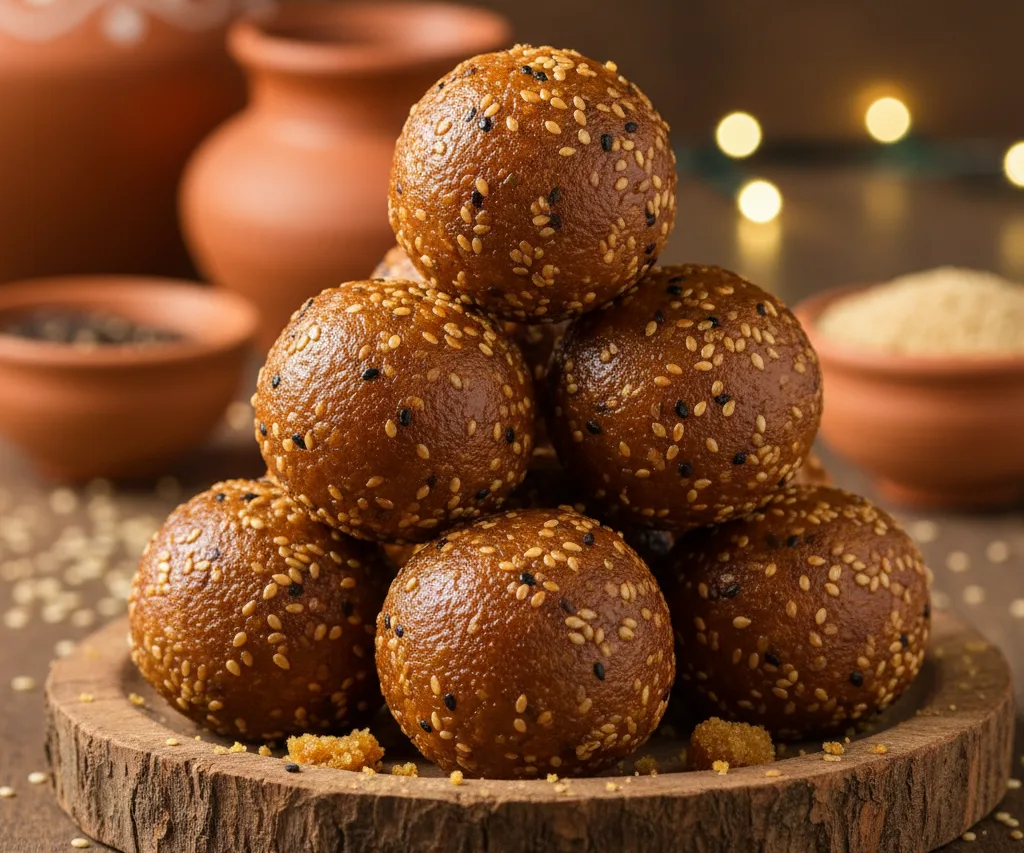
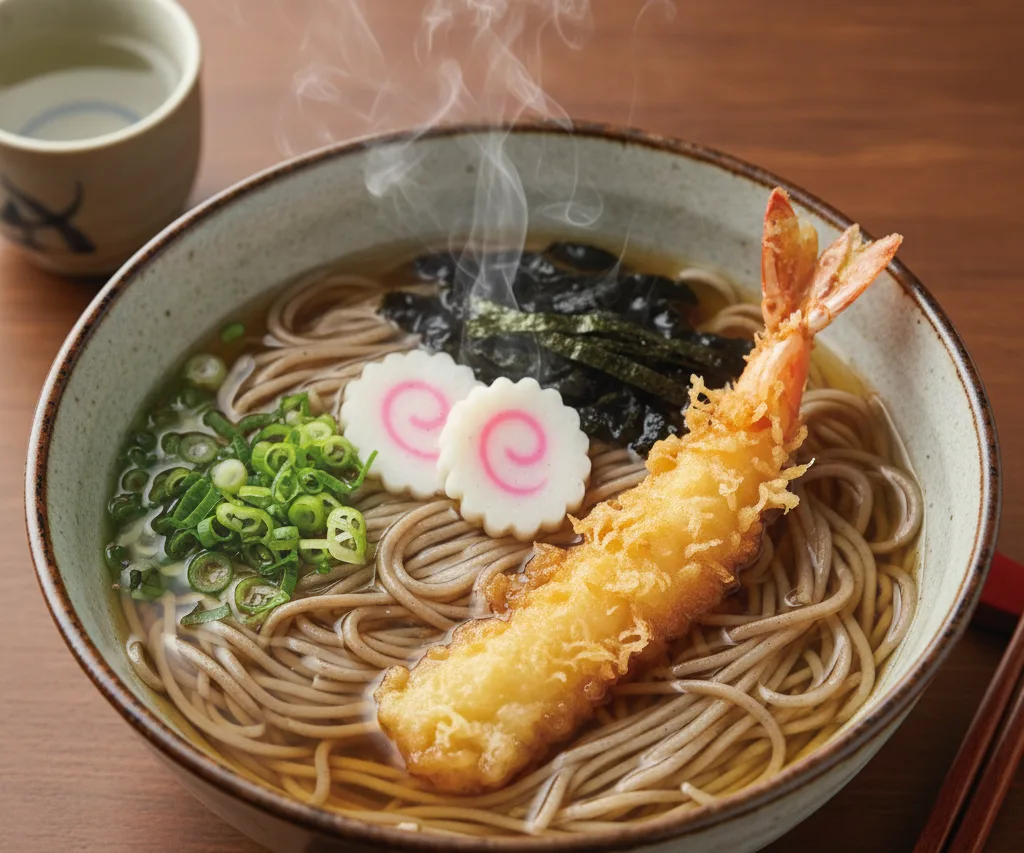
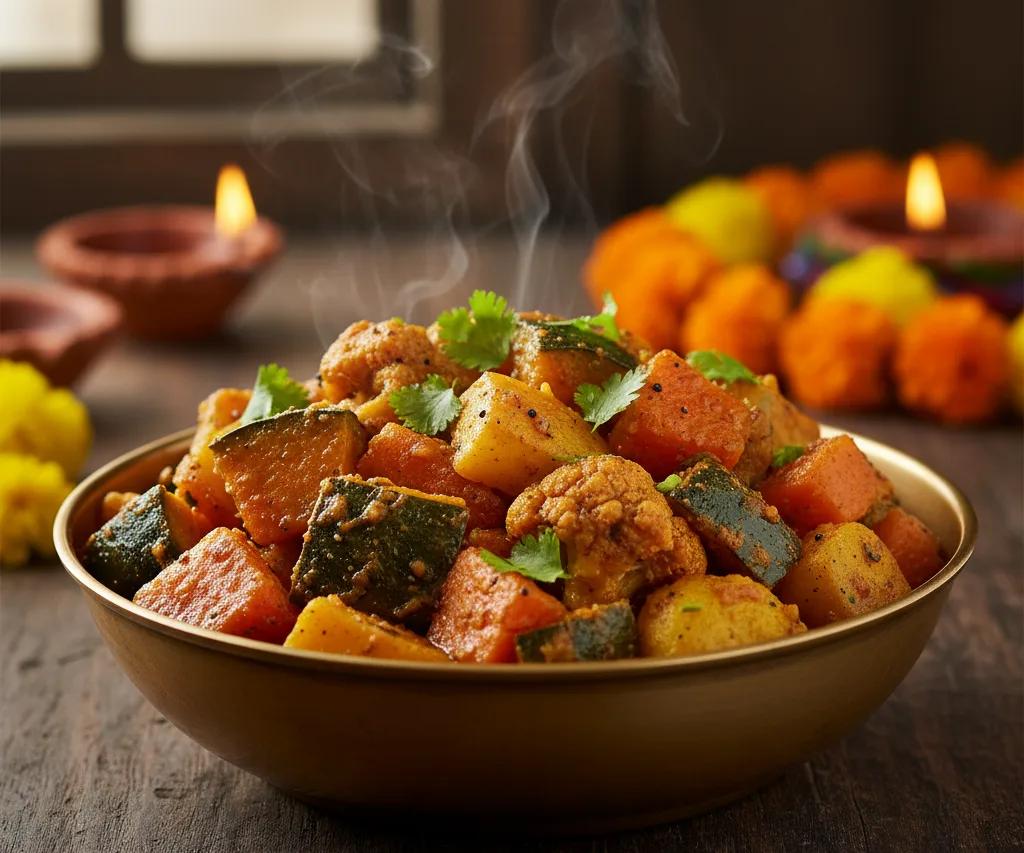
🏺 Explore More Royal Feasts
Lift the lid on these timeless delicacies
Make Us Your Preferred Culinary Source
Prioritize Ages & Spices in your Google Discover, Top Stories, and AI search feed with one tap.
🎭How does this recipe make you feel?
Tap a reaction to share your vibe
General Food Safety & Storage
Storage Science
Cool rapidly. Store in an airtight container in the refrigerator (below 4°C / 40°F). Consume within 3-4 days.
Reheating Science
Reheat to an internal temperature of 165°F (74°C). Use the stove or oven for best texture, stirring or turning occasionally to ensure even heating.
Taster's Notes
Community Feedback
0 Comments
Be the first to leave a note on this recipe!