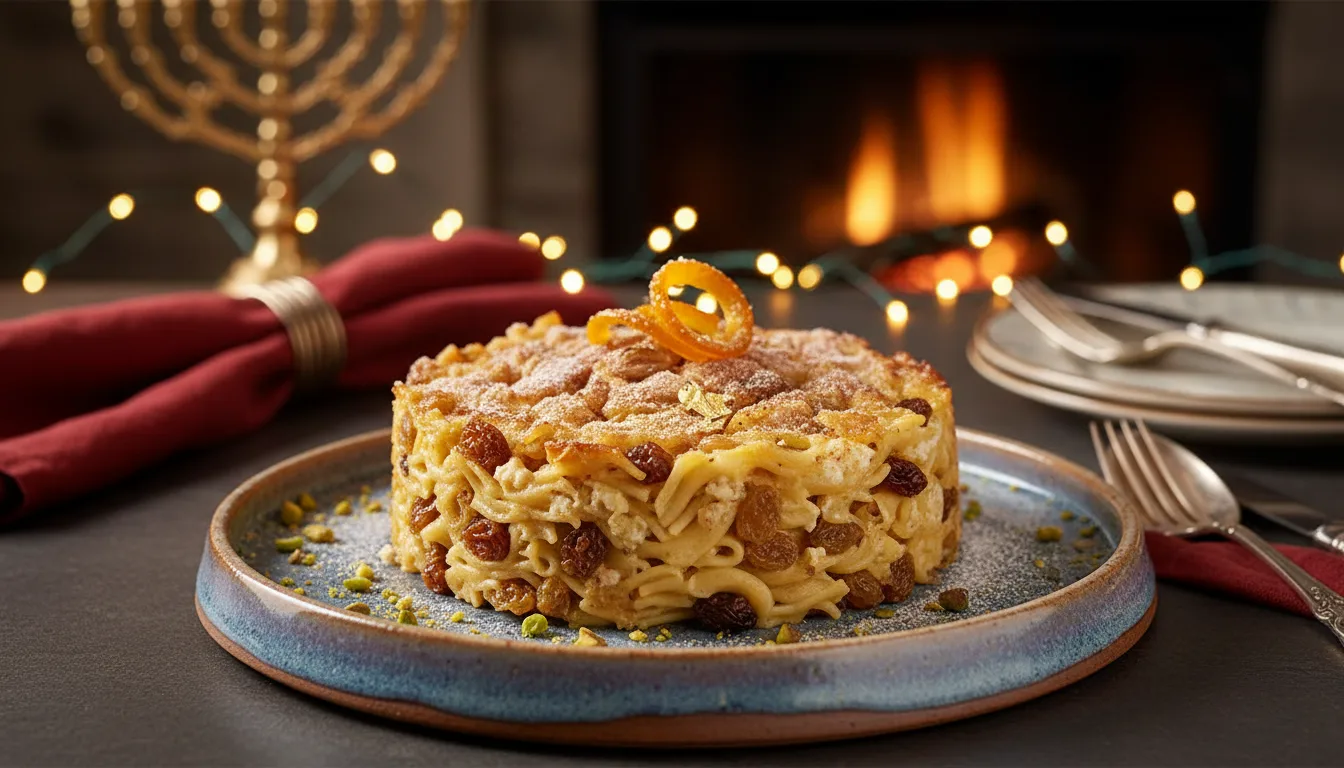
The Sacred Hearth: The Culinary Theology of Oil and Light
Hanukkah (Chanukah), the Jewish Festival of Lights, commemorates the 2nd-century BCE rededication of the Second Temple in Jerusalem following the heroic Maccabean victory. Tradition records that a single small flask of pure, consecrated olive oil—sufficient to fuel the Temple Menorah for merely one day—miraculously burned without extinguishing for eight full days until fresh oil could be prepared.
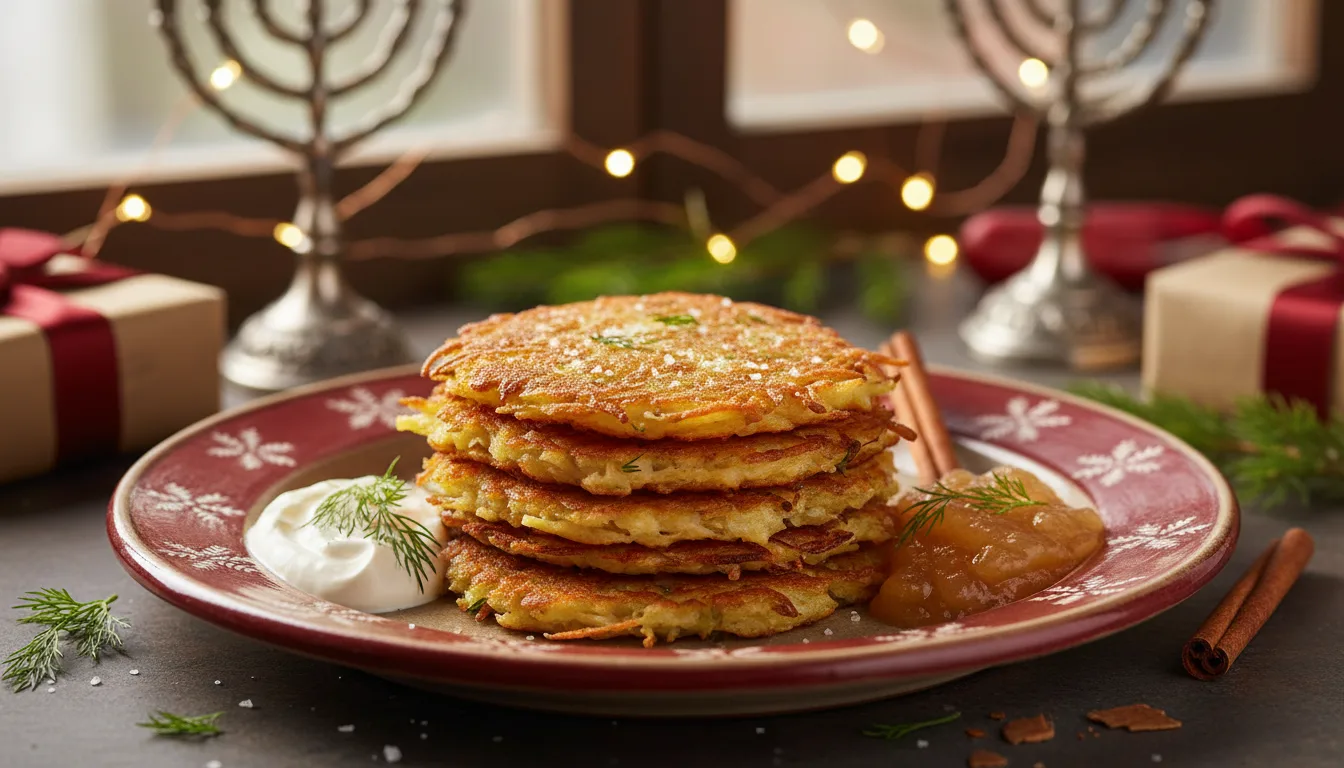
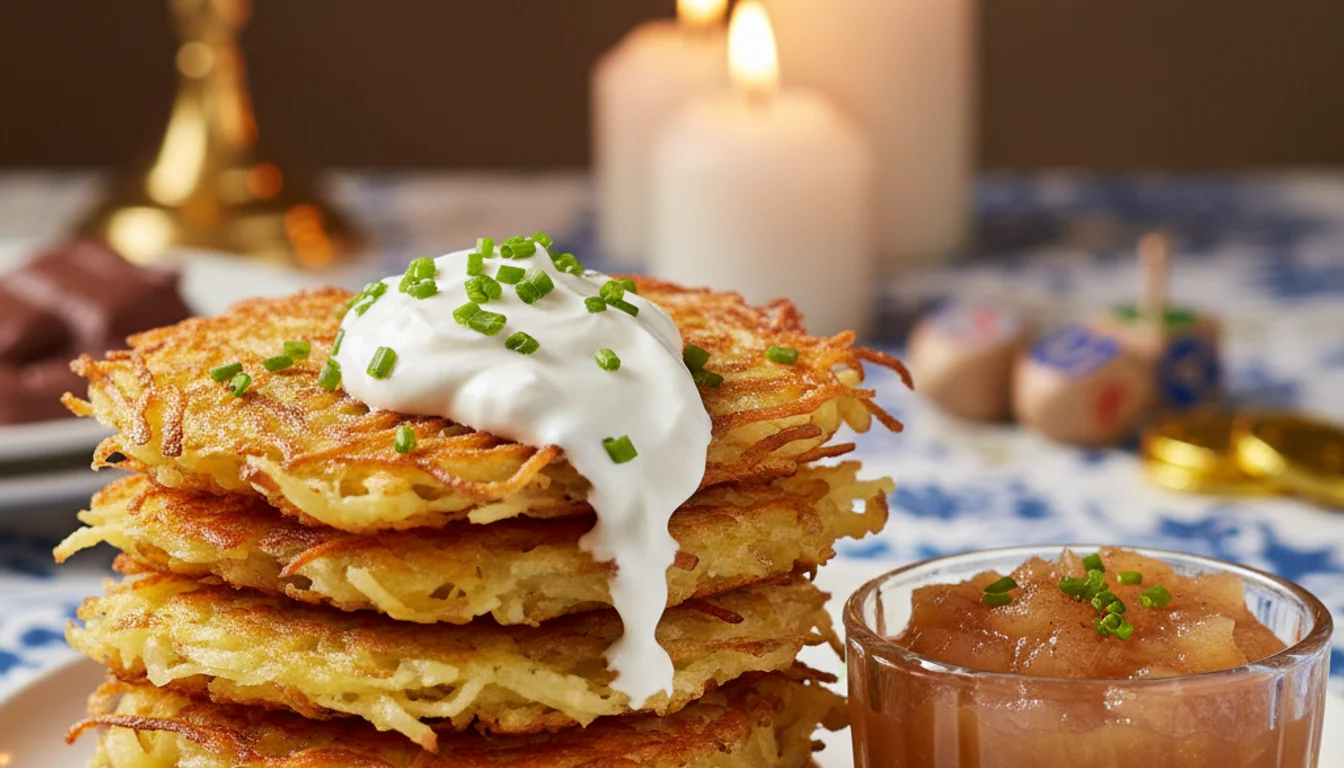
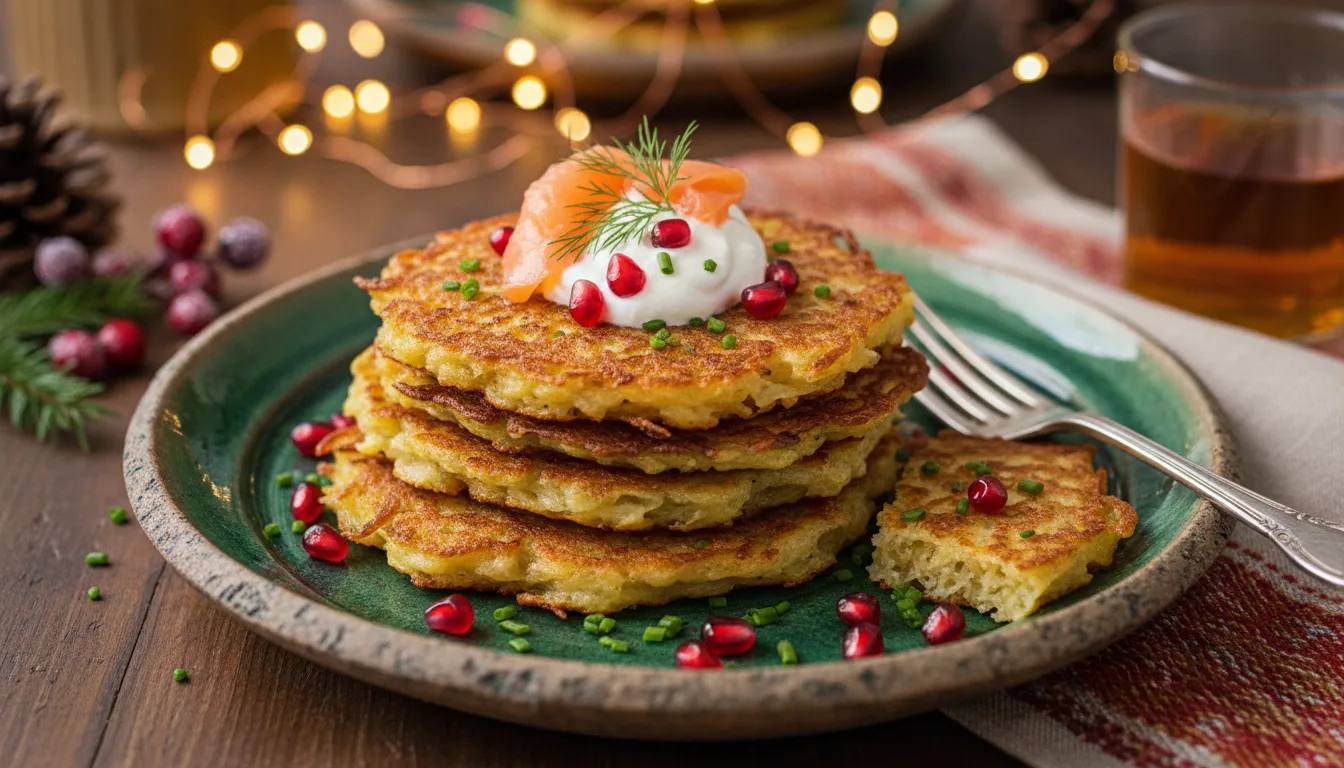
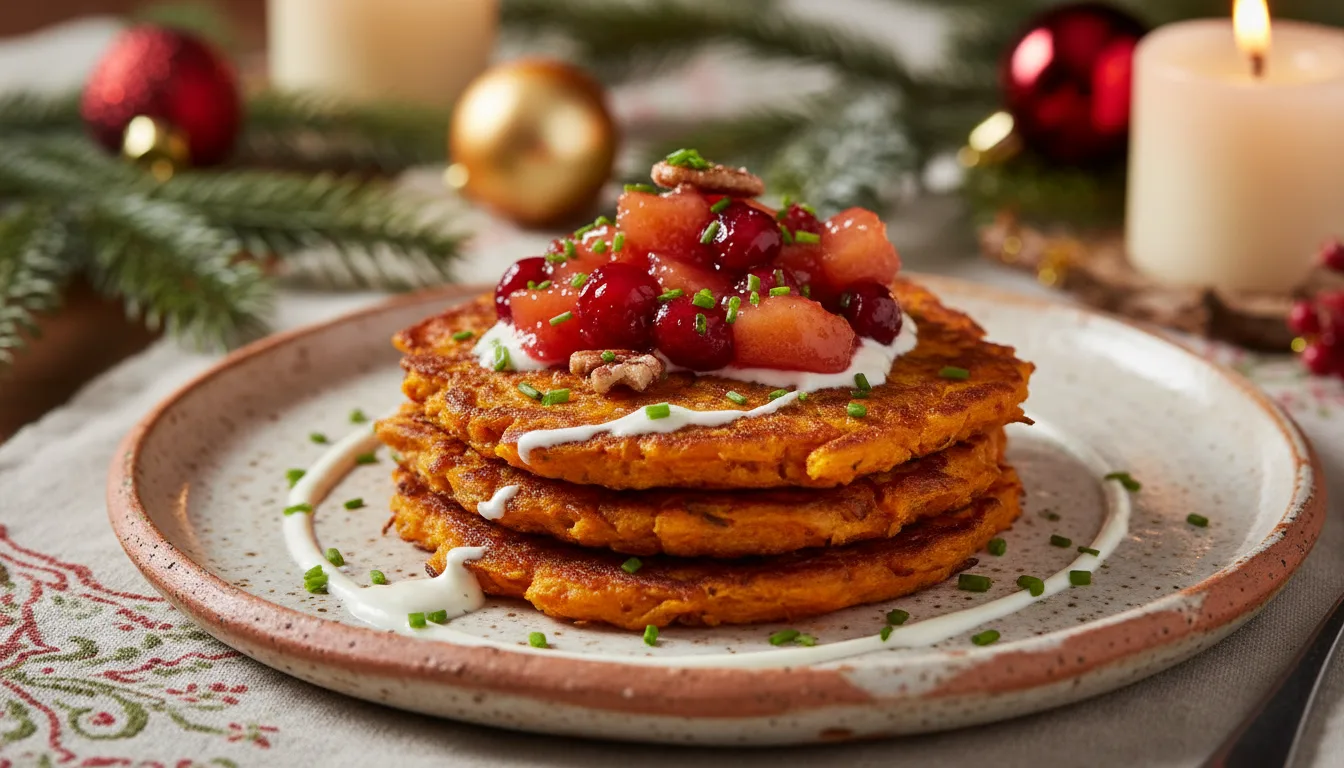
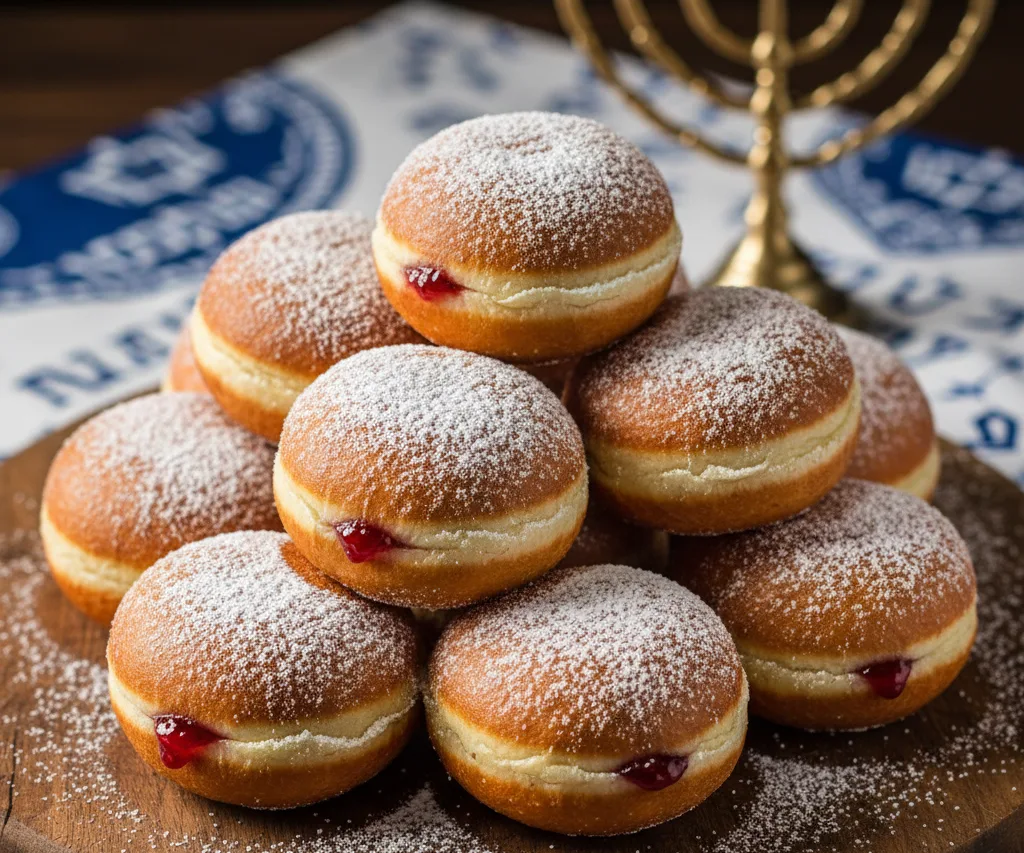
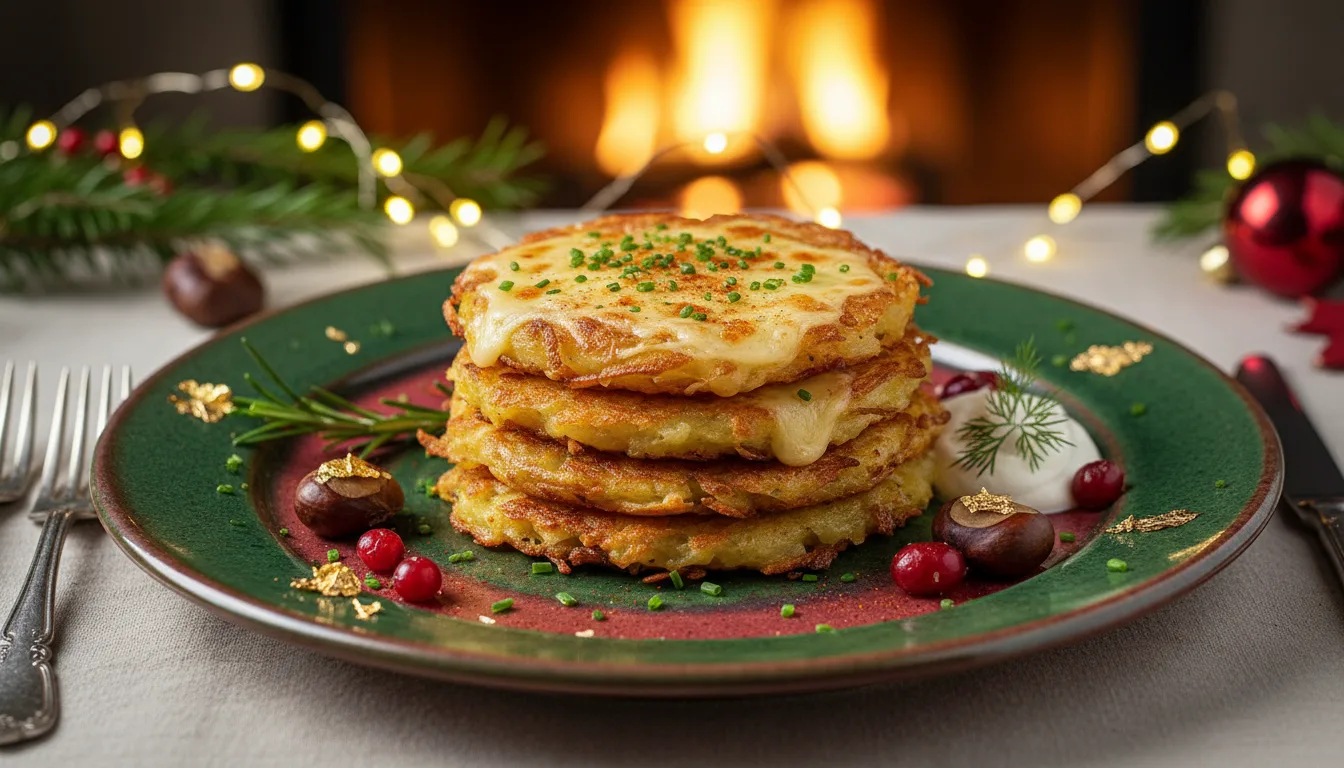
To commemorate this miracle of illumination, Jewish communities worldwide celebrate by frying celebratory foods in shimmering hot oil. In Eastern European Ashkenazi homes, this custom blossomed into the iconic Potato Latke—russet potatoes shredded paper-thin, wrung bone-dry, and fried to golden lacy perfection. In Israel and across Sephardic and Mizrahi diasporas, the festival is crowned by yeasted Sufganiyot—plump, pillowy doughnuts fried until a golden sphere emerges with a signature pale halo, piped with ruby strawberry preserves, and dusted like new-fallen snow with powdered sugar.
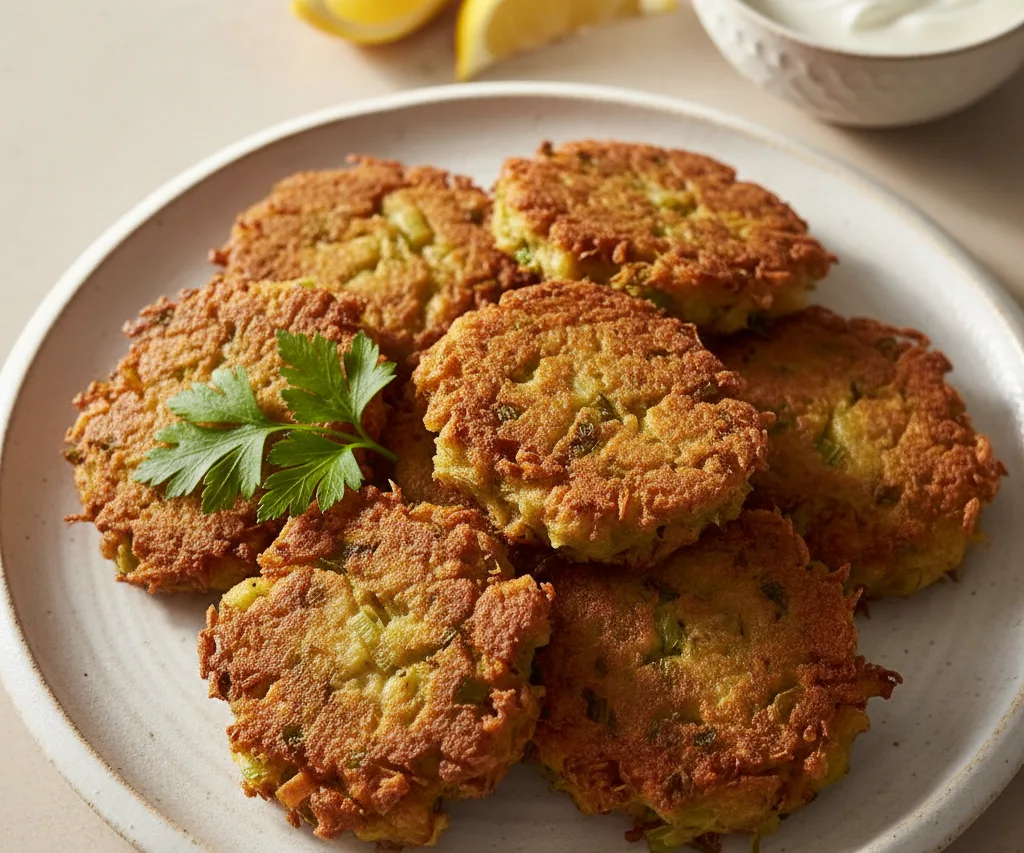
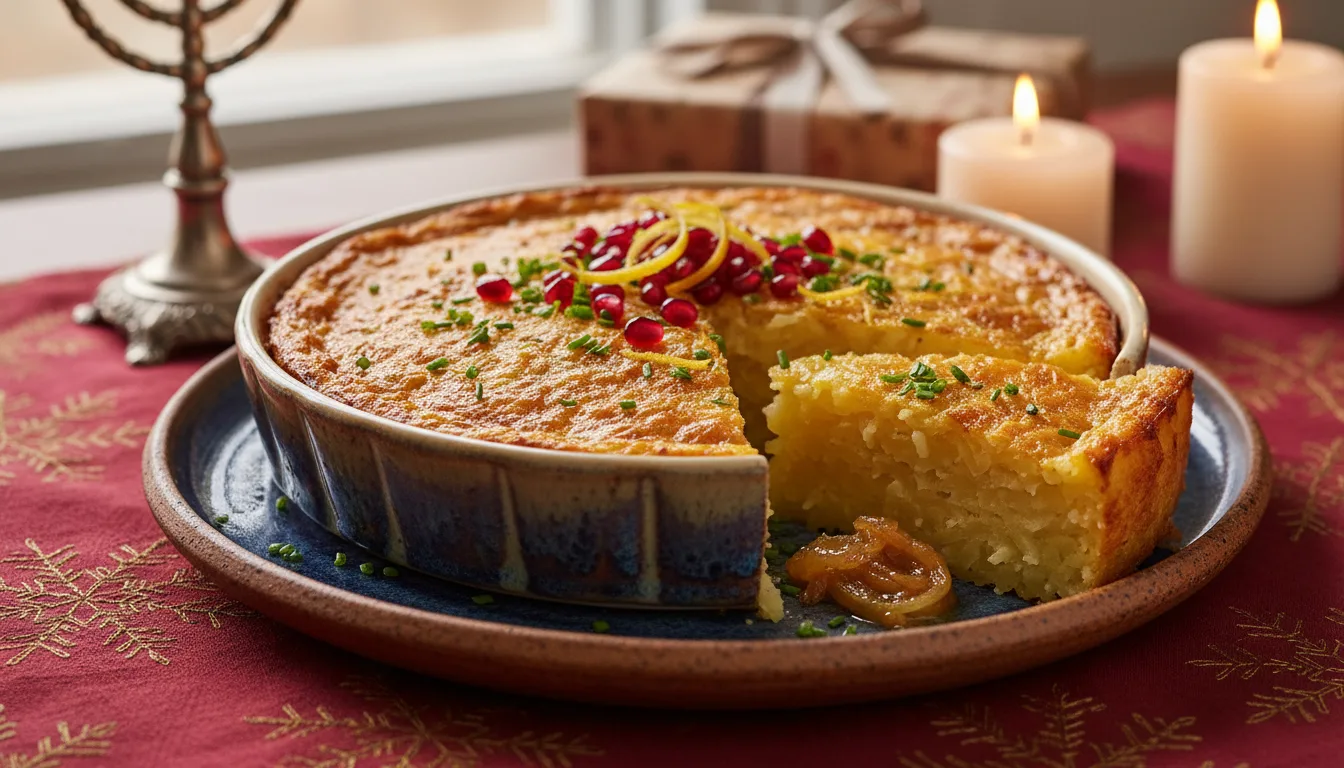
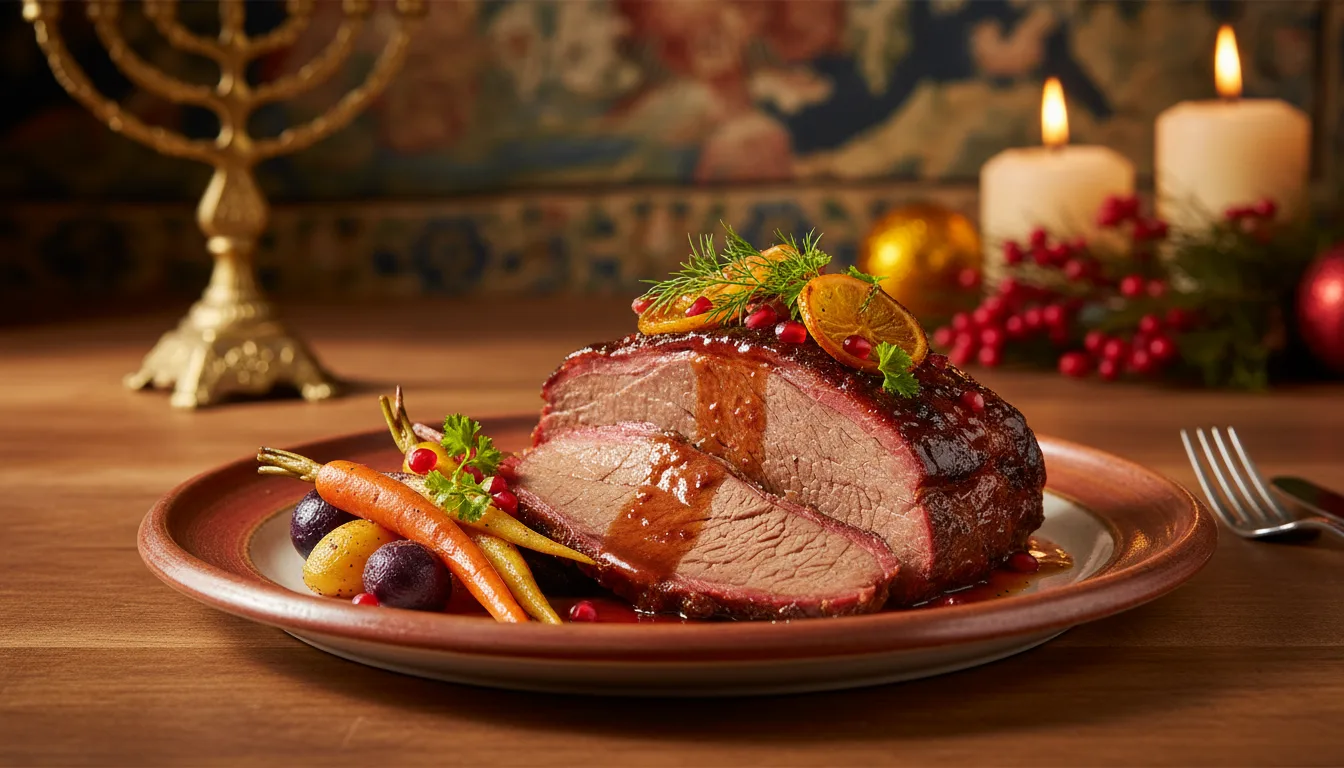
Crucially, there is no single universal Hanukkah menu. Alongside the oil tradition, many communities observe a rich dairy custom honoring the heroic biblical figure Judith (Yehudit), who saved her besieged town by feeding salty cheese and wine to the enemy general Holofernes. From Greek-Sephardic Keftes de Prassa (leek and herb fritters) to sweet noodle kugels and slow-braised holiday brisket, Hanukkah culinary heritage represents a vibrant tapestry of resilience, joy, and uncompromising culinary art.