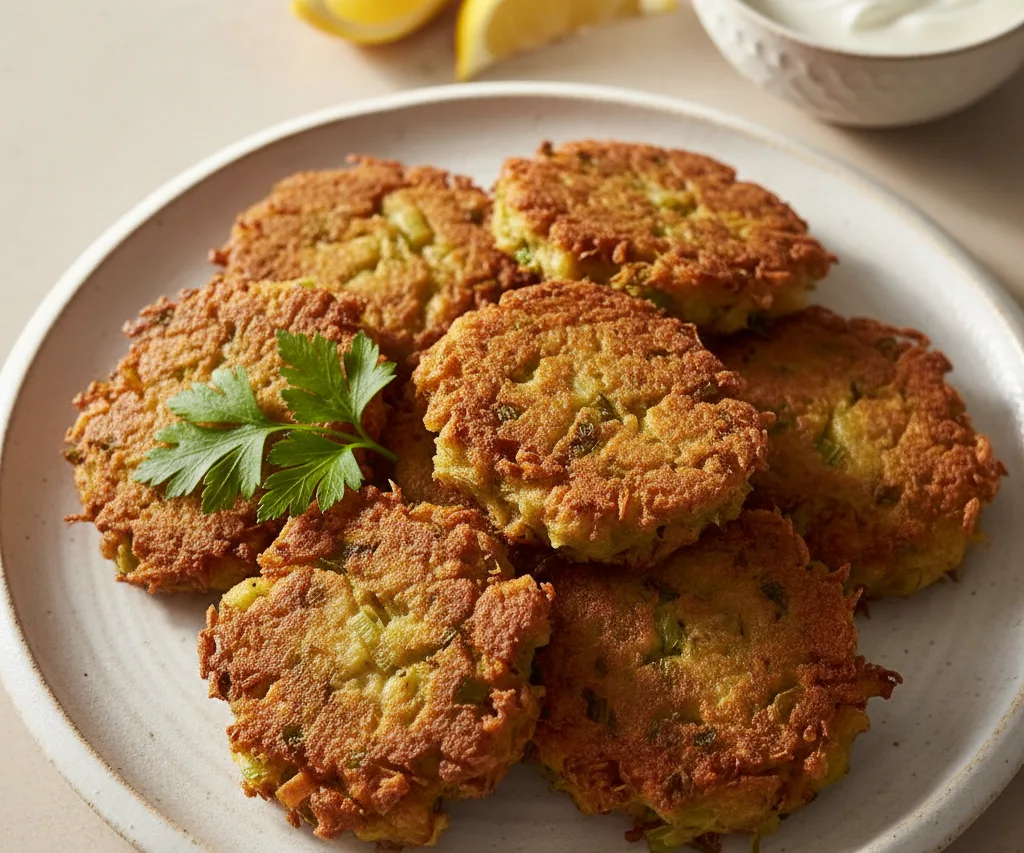
The Ultimate Keftes de Prassa Recipe (Sephardic Leek & Potato Fritters)
Royal Nutritional Ledger *
For those counting their gold coins and their calories.
The Royal Disclaimer: These figures are calculated by our finest AI court scholars based on standard ingredient values. They are highly educated estimates meant for guidance, not gospel. If you require absolute scientific precision for medical or dietary salvation, please consult a certified physician rather than our kitchen AI!
The Hanukkah Master Food Guide: Latkes, Sufganiyot & Heritage Traditions
Did You Know?
Historical Tidbit
Keftes de Prassa, or "leek meatballs/fritters," are a beloved staple in Sephardic cuisine, especially during Hanukkah, offering a delicious alternative to Ashkenazi potato latkes.
First time here? Click the button above to automatically send all these ingredients to your highest-paying local grocery delivery app.
⚖️ The Modernizer
Missing extinct ingredients? Swap for accessible modern alternatives.
The Golden Rule
"Thou shalt thoroughly drain both leeks and potatoes to achieve the perfect crispy exterior and tender, non-soggy interior. Moisture is the enemy of crispness!"
Ingredients
11 items required
The Vegetable Heart:
The Binding & Flavor:
The Frying Medium:
Make Us Your Preferred Culinary Source
AI Emergency Hub
Hit a snag while prepping? Our elite AI tools are here to save your dish.
Missing an Ingredient?
Recipe Disaster?
Chef's Notes
The philosophy behind Keftes de Prassa hinges on balance: the sweetness of braised leeks harmonizing with the earthy starchiness of potatoes. The key to their sublime texture is ensuring the leeks are thoroughly drained to prevent a watery interior, and the potatoes are mashed smoothly. The matzo meal acts not just as a binder, but also contributes to the fritter's characteristic crispness upon frying, creating a delightful contrast between a golden, crunchy exterior and a soft, flavorful interior.
Pro Tip
1. Moisture Control is King: After braising, squeeze the leeks in a clean kitchen towel to remove every last drop of excess water. This prevents soggy fritters and ensures a superior crust. 2. Even Frying Temperature: Maintain a consistent medium heat for frying. Too low, and the fritters absorb too much oil; too high, and they burn before cooking through. Test with a small piece of the mixture first. 3. Don't Overcrowd: Fry in batches to maintain oil temperature and allow even browning. Overcrowding cools the oil and leads to greasy, pale fritters.
Kitchen Catastrophe Warning
The fritters are falling apart in the pan! This is usually due to insufficient binding or too much moisture. To salvage, carefully remove the remaining uncooked fritters. Add another tablespoon or two of matzo meal to the mixture, or if the mixture feels excessively wet, knead in a small amount of all-purpose flour. Mix well, reform the patties, and try frying again. Ensure your oil is hot enough for a quick crust formation.
The Jester's Corner
Royal Court Comedy
My grandmother always said, "These Keftes de Prassa are so good, they'll make you forget all about those other *potato* pancakes." (She meant latkes, but never said the word out loud.)
The Culinary Science
The beautiful golden-brown crust of the Keftes de Prassa is primarily due to the Maillard reaction. This complex chemical reaction occurs between amino acids and reducing sugars when heated, creating hundreds of new flavor compounds and the characteristic browning that makes fried foods so appealing. Simultaneously, starch gelatinization occurs within the potato and matzo meal, where starch granules absorb water and swell, contributing to the fritter's soft, tender interior.
Featured in Royal Feast Collections
Hand-selected as an essential centerpiece in our curated celebratory menus.
Make Us Your Preferred Culinary Source
Prioritize Ages & Spices in your Google Discover, Top Stories, and AI search feed with one tap.
🎭How does this recipe make you feel?
Tap a reaction to share your vibe
General Food Safety & Storage
Storage Science
Cool rapidly. Store in an airtight container in the refrigerator (below 4°C / 40°F). Consume within 3-4 days.
Reheating Science
Reheat to an internal temperature of 165°F (74°C). Use the stove or oven for best texture, stirring or turning occasionally to ensure even heating.


Taster's Notes
Community Feedback
0 Comments
Be the first to leave a note on this recipe!