The Sacred Kitchen: Nutrition, Ritual & Digestive Science from Dawn to Moonrise
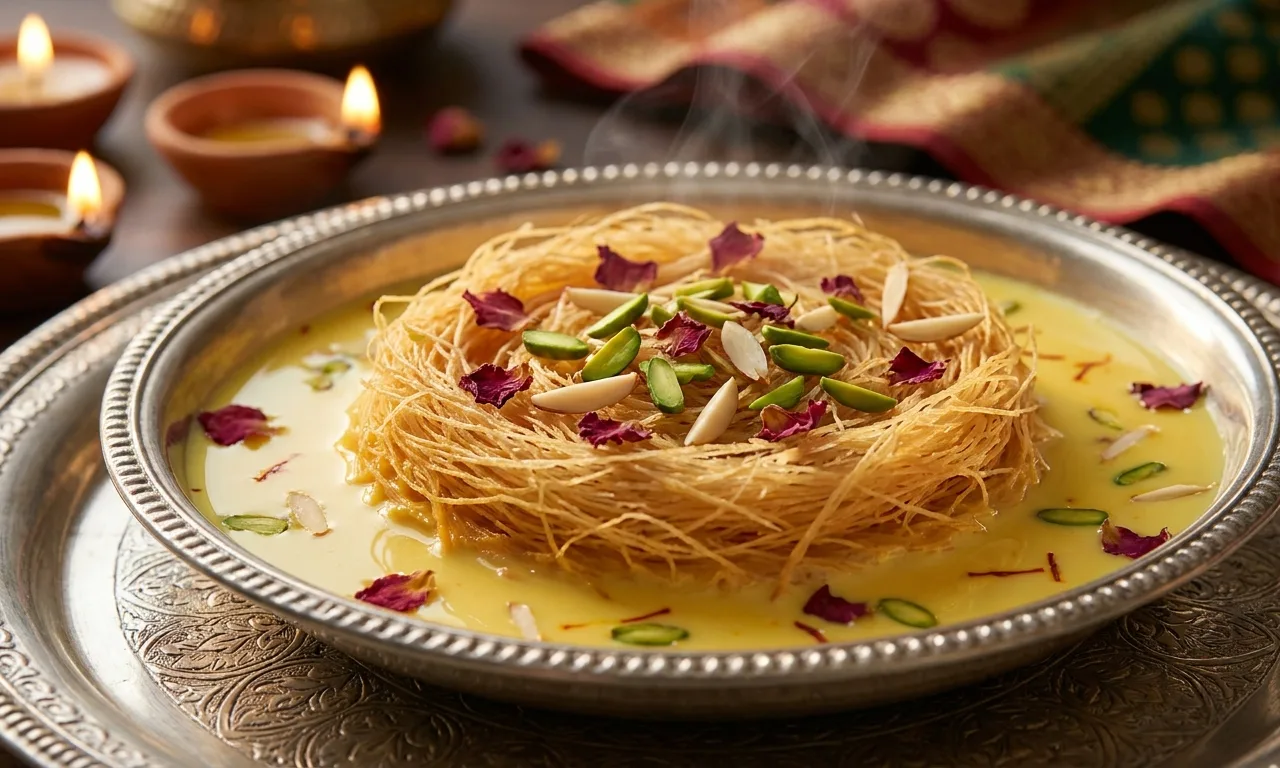
Karwa Chauth is an intensive Nirjala (waterless) fast observed from dawn until moonrise by married women across Northern, Western, and Central India for the longevity and health of their spouses. From a culinary perspective, successfully enduring 14 to 16 hours without a single drop of water hinges entirely on the Sargi — the traditional pre-dawn feast lovingly gifted by mothers-in-law and consumed before Brahmamuhurta (prior to sunrise). In many families, the centerpiece is Pheni: whisper-thin, ghee-roasted wheat vermicelli steeped in simmering saffron milk, creating a low-glycemic, moisture-binding starch complex that releases sustained energy throughout the day.
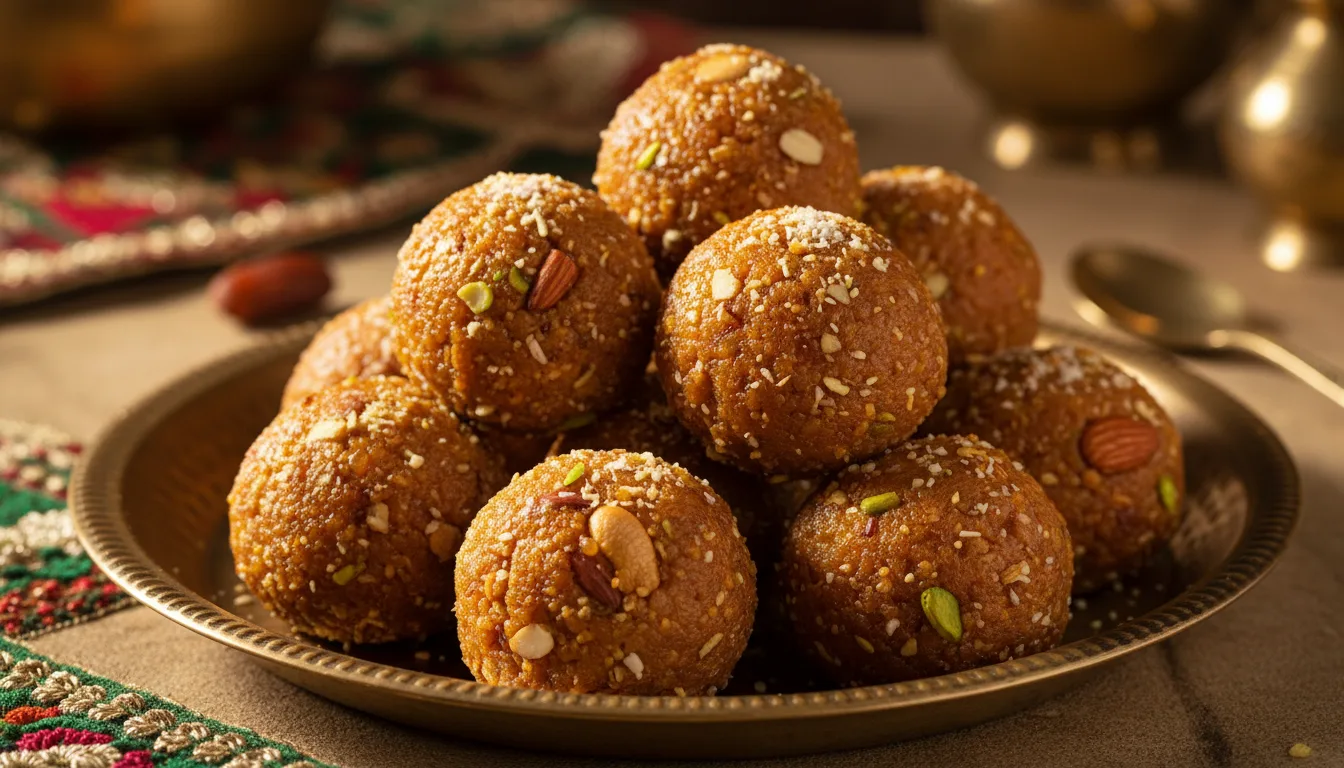
A common culinary disaster during Sargi is overeating salty fried snacks or processed sweets in panic. Deep-fried savouries and hyper-saline foods dramatically increase cellular osmolarity, drawing water out of tissues and triggering unbearable thirst by noon. Authentic Sargi wisdom prescribes cooling, hydrating foods: soaked almonds, walnuts, seedless dates, fresh pomegranate, and sweet Pheni, complemented by unrefined fats like homemade Gond Ladoo to lubricate digestion without burdening the liver.
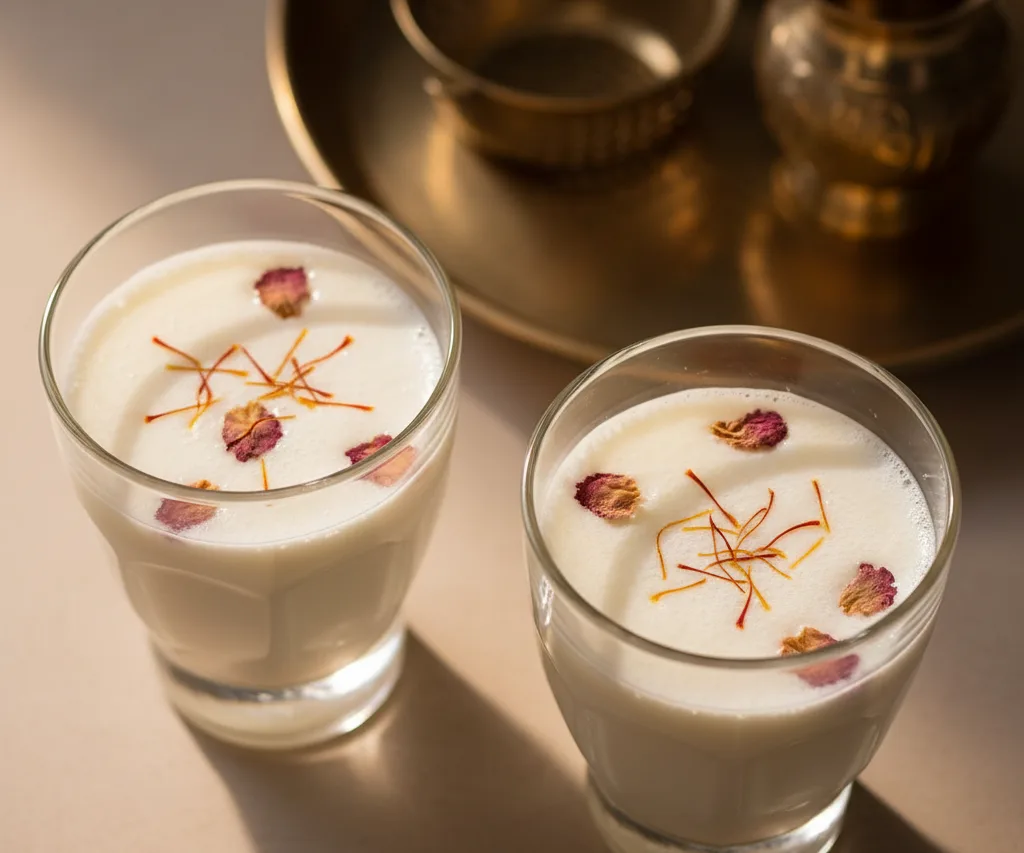
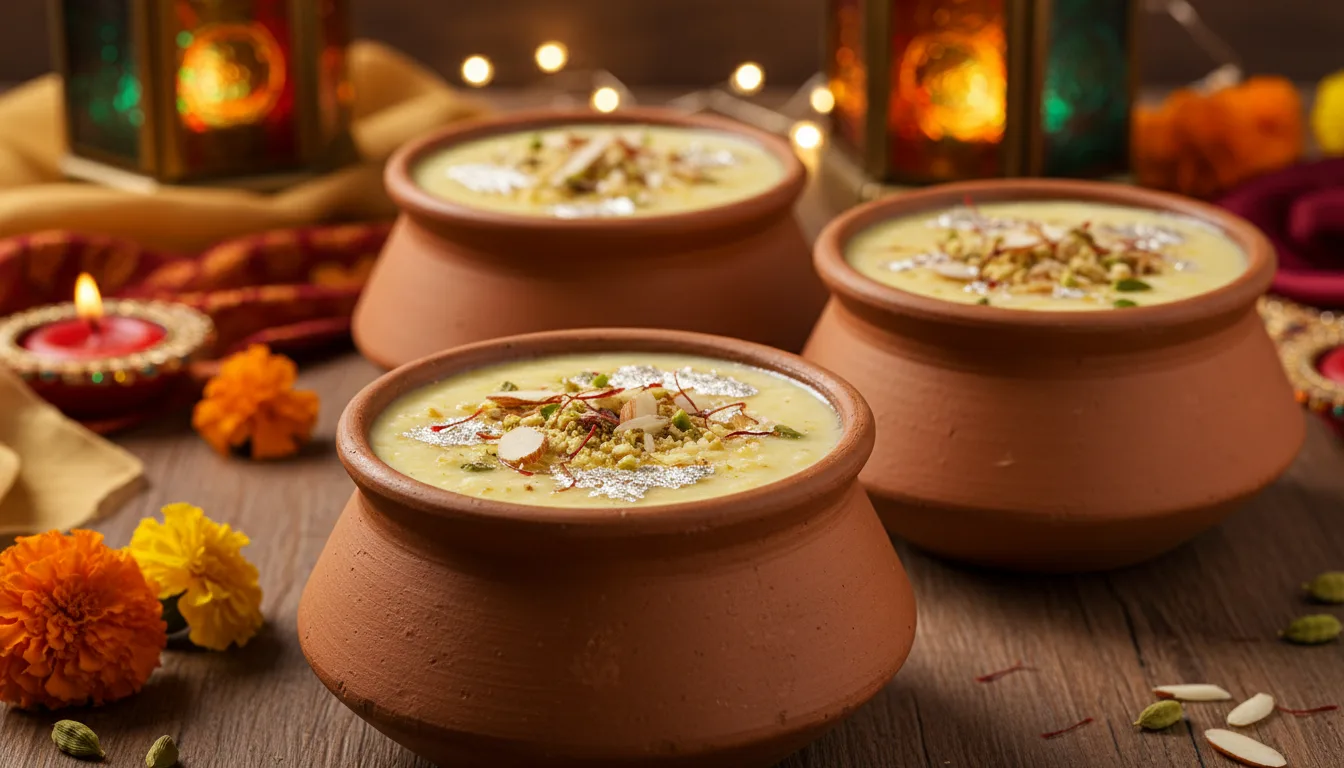
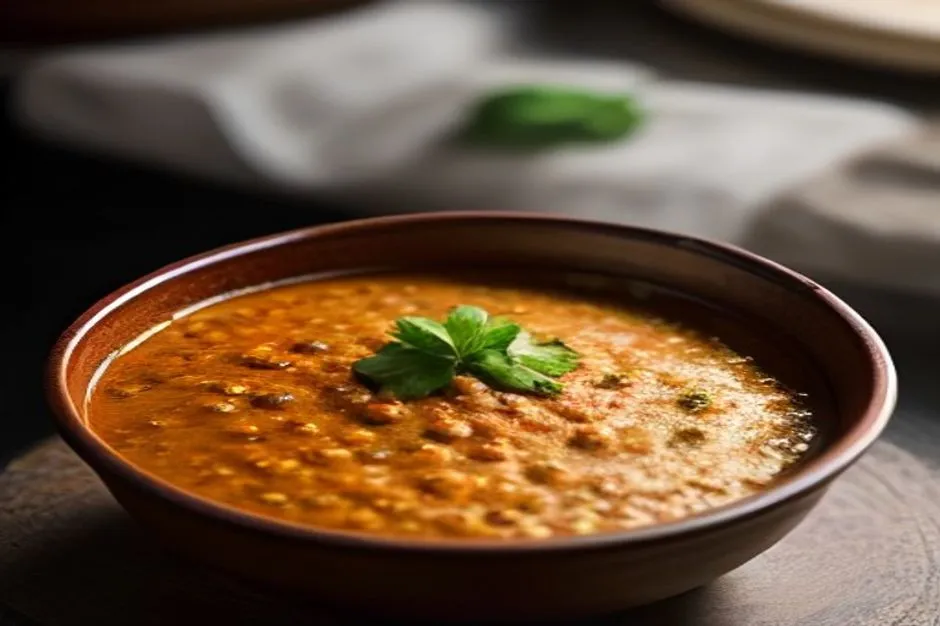
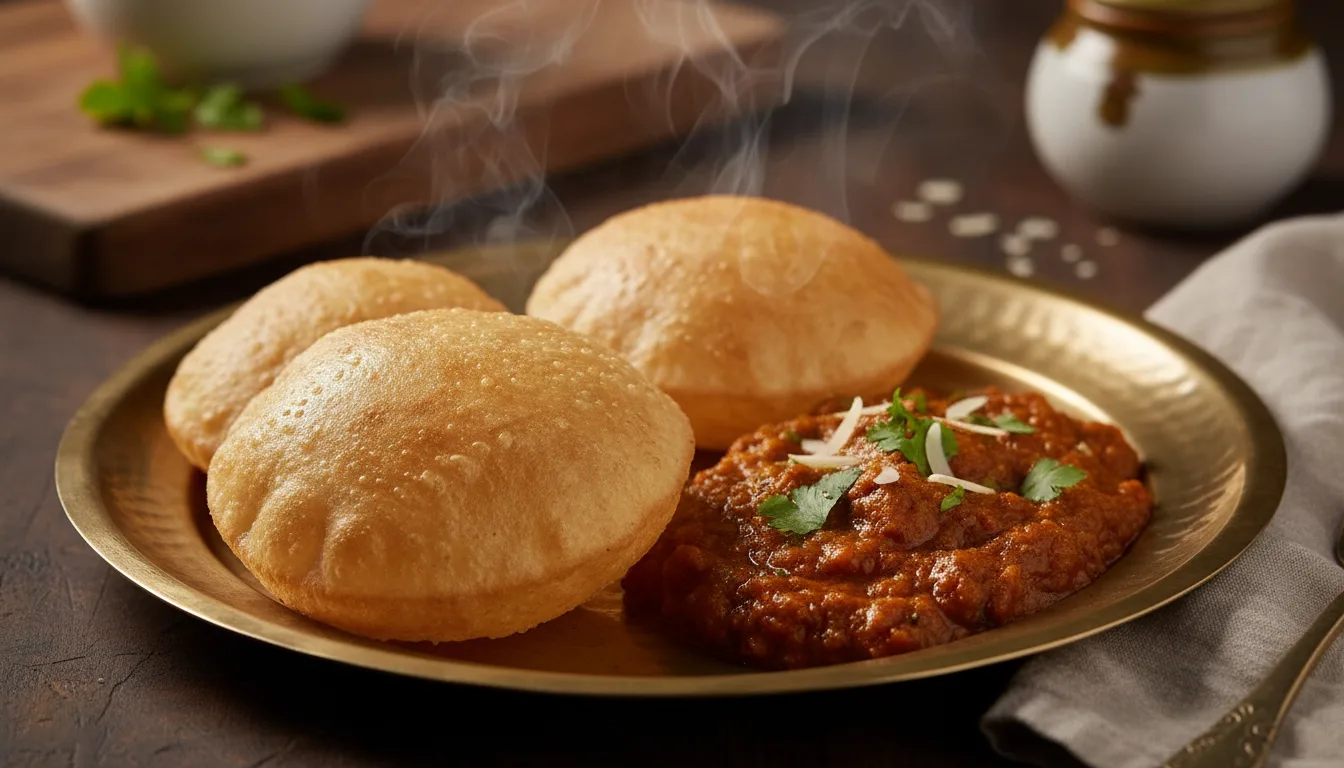
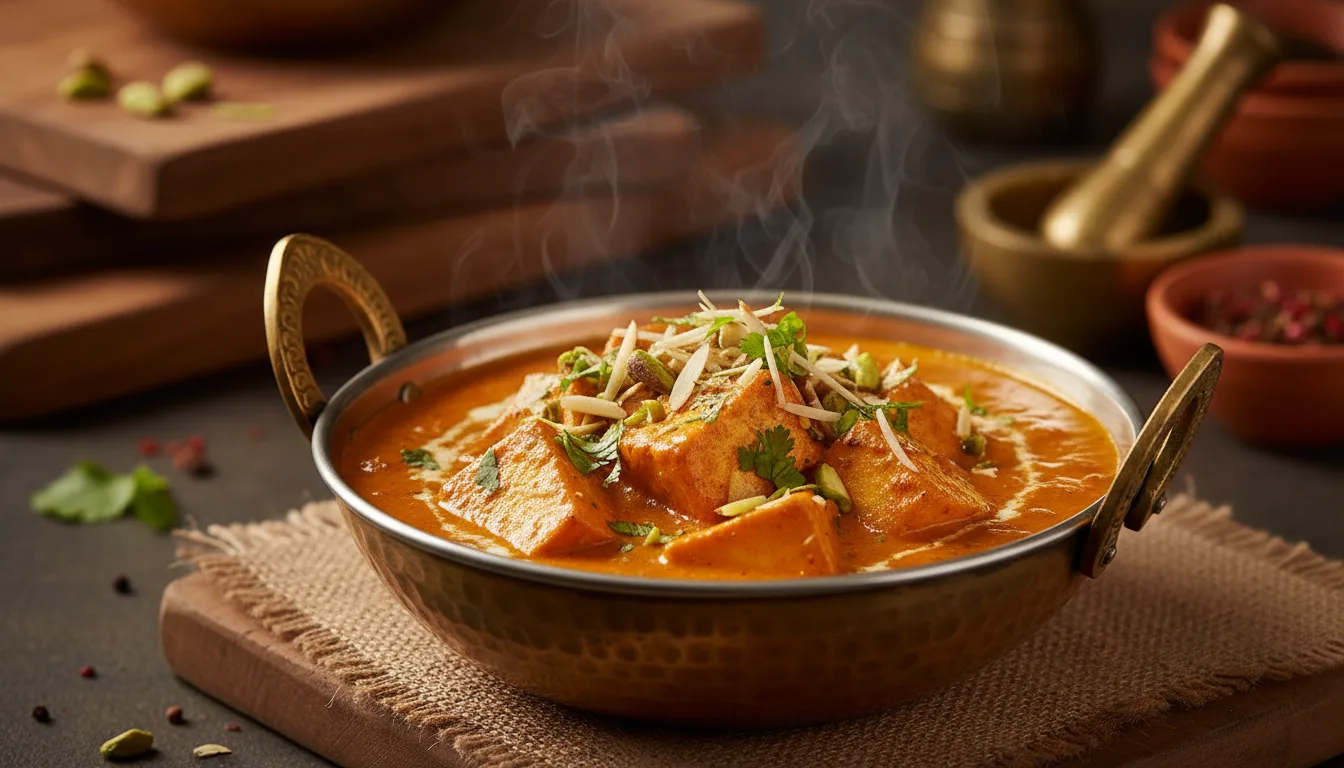
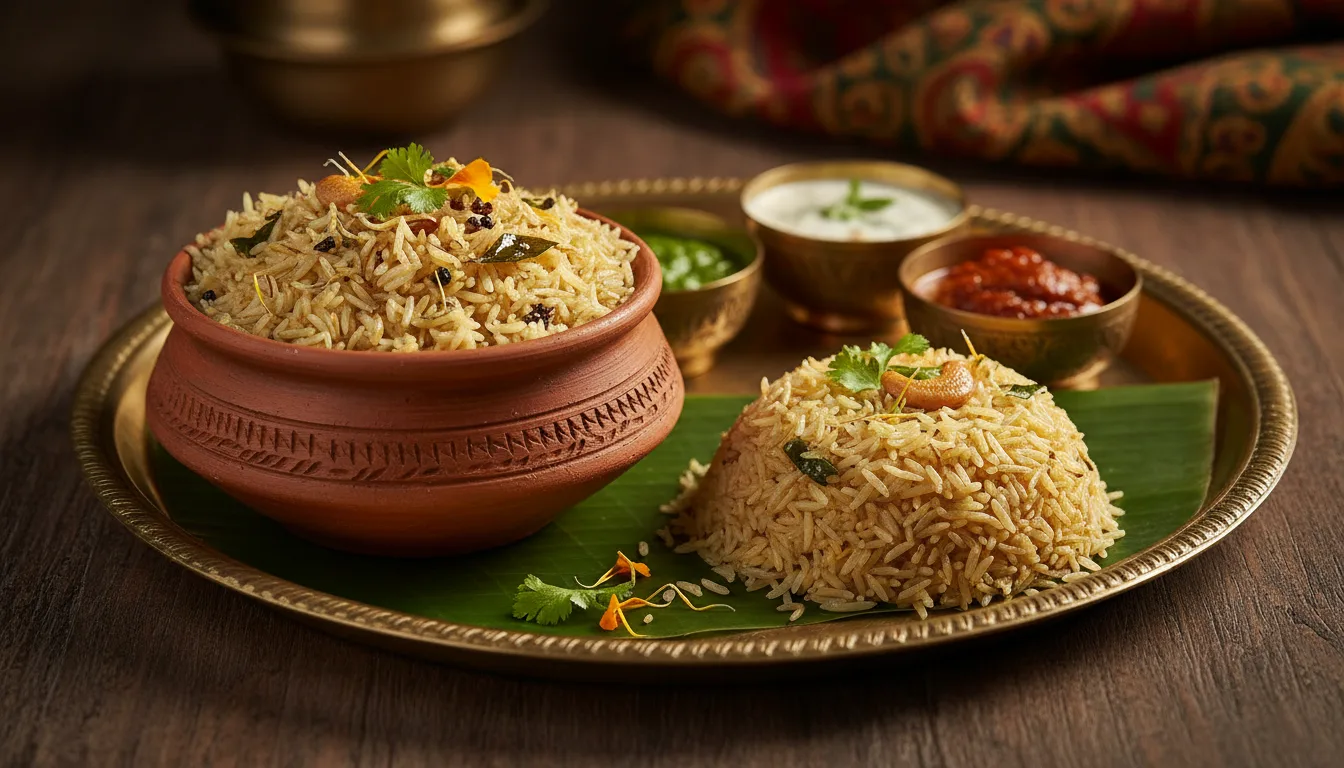
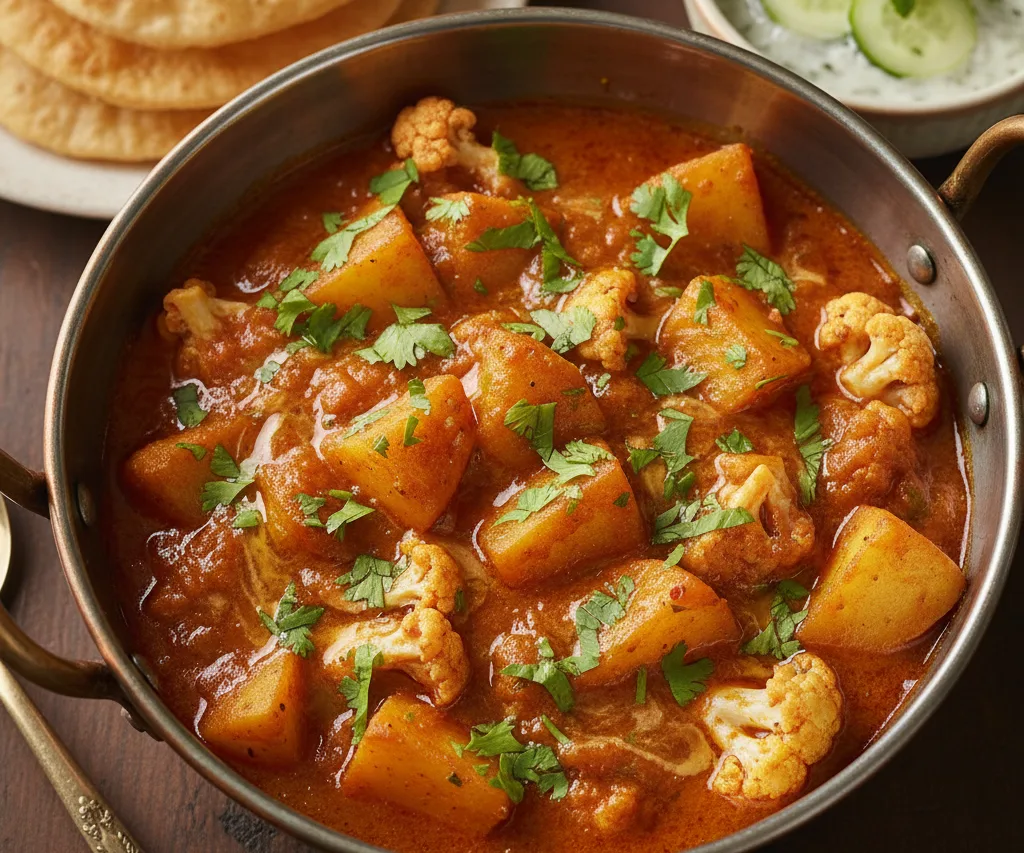
When the moon is finally sighted and Arghya is offered through the sacred sieve (channi), the body is in a sensitive, depleted metabolic state. Gulping icy water or immediately devouring heavy, oily food shocks the dormant digestive tract, causing acute nausea, stomach spasms, and severe acid reflux. The sacred tradition prescribes breaking the fast gradually: begin with a soothing sip of lukewarm water or traditional Kachi Lassi (lightly diluted milk with rose essence), wait 10 to 15 minutes with a soaked date or fruit slice, and then sit down to a warm, comforting post-fast family dinner centered around slow-simmered whole lentils (Dal Makhani or Sabut Moong), golden Bedmi Pooris, fragrant Jeera Rice, and chilled Phirni.