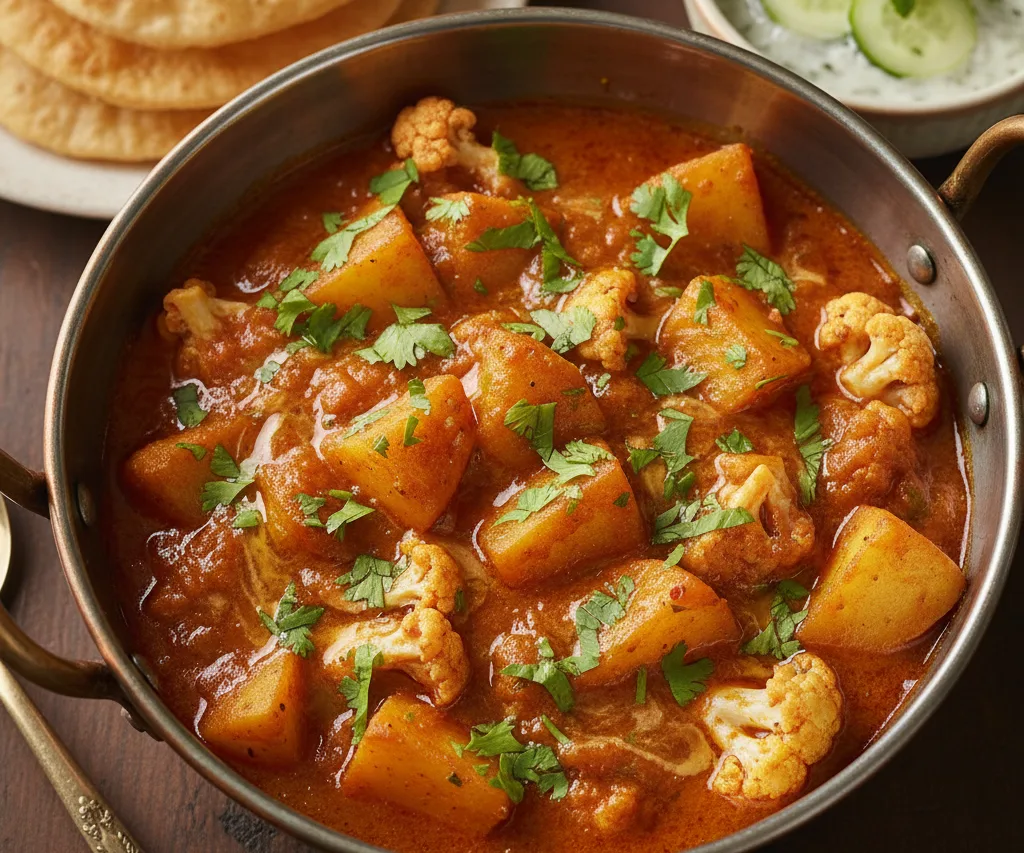
The Ultimate Satvik Aloo Gobhi Rasedar Recipe (No Onion No Garlic)
Royal Nutritional Ledger *
For those counting their gold coins and their calories.
The Royal Disclaimer: These figures are calculated by our finest AI court scholars based on standard ingredient values. They are highly educated estimates meant for guidance, not gospel. If you require absolute scientific precision for medical or dietary salvation, please consult a certified physician rather than our kitchen AI!
The Karwa Chauth Master Food Guide & Sargi Menu
Did You Know?
Historical Tidbit
Karwa Chauth is a traditional Hindu festival primarily celebrated by married women in North India, who fast from sunrise to moonrise for the longevity and prosperity of their husbands.
First time here? Click the button above to automatically send all these ingredients to your highest-paying local grocery delivery app.
⚖️ The Modernizer
Missing extinct ingredients? Swap for accessible modern alternatives.
The Golden Rule
"NEVER rush the cooking of the tomato-ginger-spice paste. It must be cooked slowly and patiently until the ghee clearly separates, indicating that the water has evaporated and the flavors have intensified. This step is the absolute foundation for a deep, rich, and flavorful rasedar."
Ingredients
24 items required
The Sacred Vegetables:
The Aromatic Base (Satvik):
The Whole Spice Symphony:
The Ground Spice Harmony:
The Richness & Finishing:
Make Us Your Preferred Culinary Source
AI Emergency Hub
Hit a snag while prepping? Our elite AI tools are here to save your dish.
Missing an Ingredient?
Recipe Disaster?
Chef's Notes
The philosophy behind this rasedar is achieving a perfect balance: vegetables that are tender yet hold their shape, and a gravy that is rich, deeply flavored, and neither too thin nor too thick. The key lies in patiently cooking the tomato-ginger base until the ghee separates, allowing the spices to bloom fully. This creates a robust foundation for the humble potatoes and cauliflower, transforming them into a comforting, celebratory dish. The absence of onion and garlic highlights the natural sweetness of tomatoes and the warmth of ginger and whole spices.
Pro Tip
1. For perfectly tender cauliflower that retains its shape, blanch the florets in boiling salted water for 2-3 minutes, then immediately plunge them into ice water before adding them to the curry. This stops the cooking process and prevents mushiness.|||2. Always use ripe, red tomatoes for the best color and natural sweetness in your gravy. If tomatoes are tart, a tiny pinch of sugar can balance the acidity without compromising the satvik nature.|||3. To intensify the flavor of your whole spices, lightly toast them in a dry pan for 30 seconds before adding them to the ghee. This awakens their essential oils, releasing a more profound aroma.
Kitchen Catastrophe Warning
The most common catastrophe is either mushy vegetables or a watery, bland gravy. If your vegetables are becoming mushy, it means they've been overcooked; next time, add them later or reduce simmering time. If the gravy is too thin, remove the lid and cook on medium heat, stirring occasionally, until it thickens to your desired consistency. If it's bland, check your salt, and consider adding a tiny pinch more of garam masala or a squeeze of lemon (if permitted by your satvik practice, though amchur is preferred here) to brighten the flavors.
The Jester's Corner
Royal Court Comedy
My mother always says her Aloo Gobhi is the best because she adds 'a secret ingredient: my undying love... and exactly 3.5 pinches of garam masala, not 3, not 4!'
The Culinary Science
The 'bhuno' process, where the tomato-ginger paste is cooked until ghee separates, is crucial for flavor development. During this stage, the fat-soluble flavor compounds from the spices and the tomatoes are extracted and emulsified into the ghee. This not only deepens the taste but also helps in the Maillard reaction of the tomato solids, creating complex savory notes (umami) and contributing to the rich color of the gravy. The release of oil signifies that water has evaporated, concentrating the flavors and allowing the fat to carry them more effectively.
Featured in Master Menu Collections
Calibrated by culinary science for foolproof execution and maximum flavor.
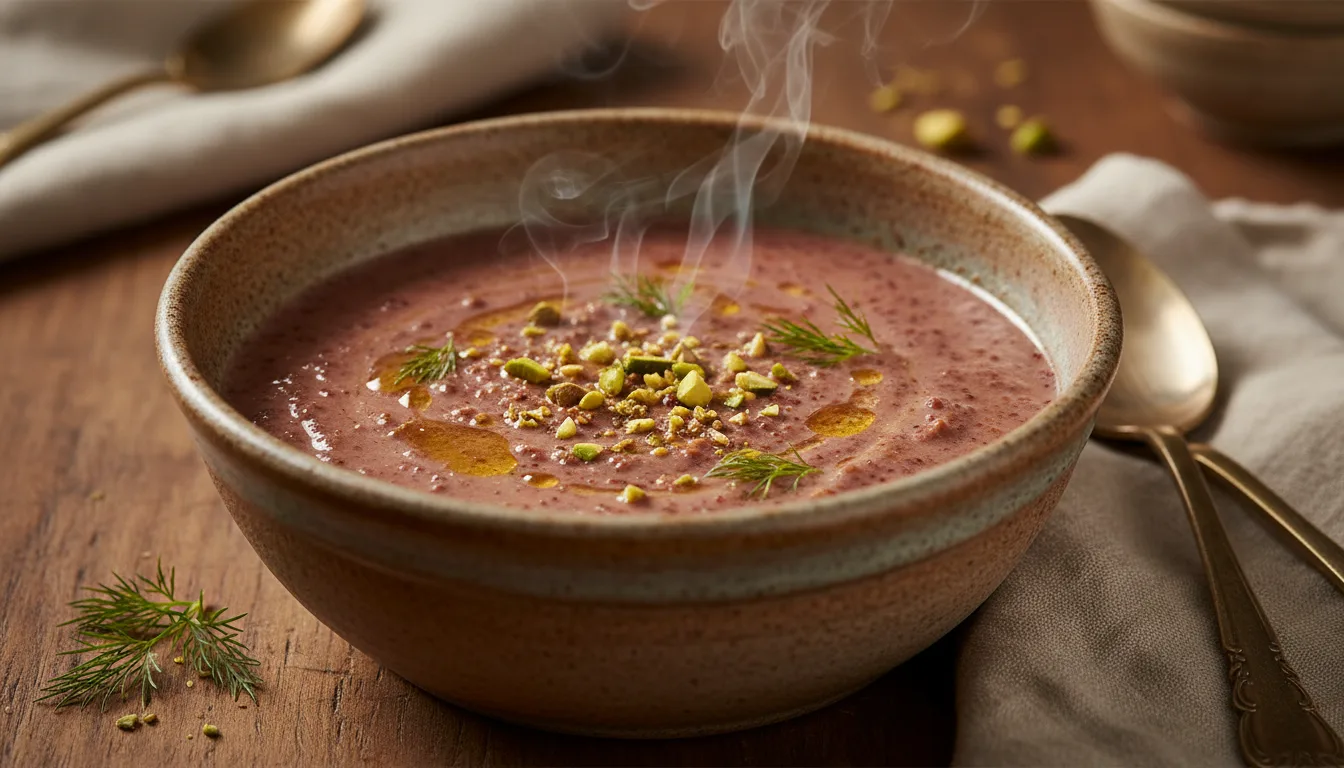
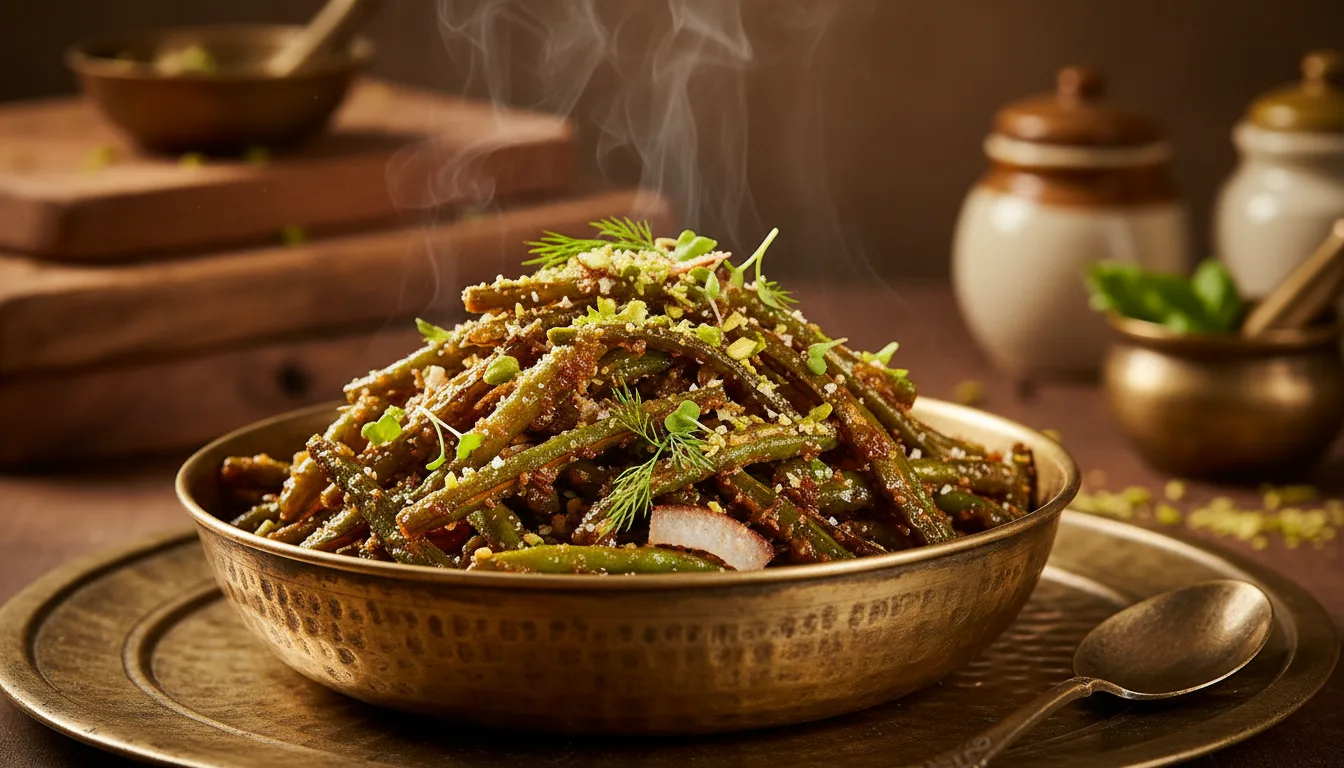
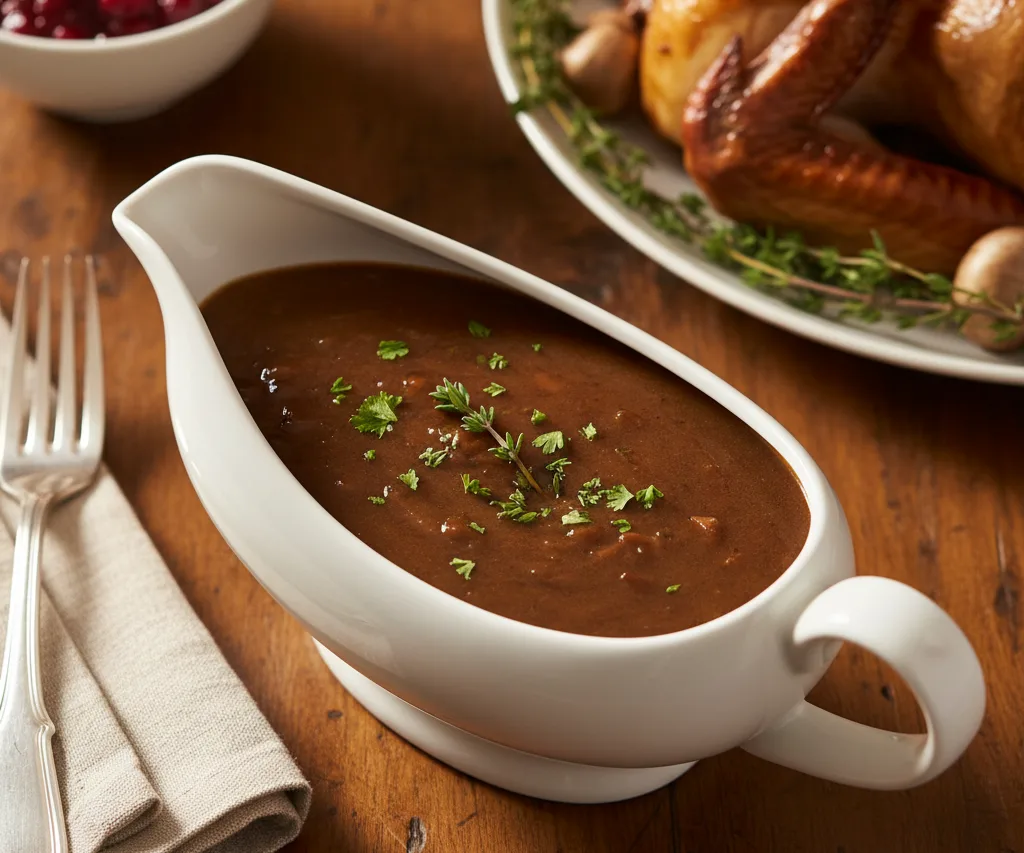
🏺 Explore More Royal Feasts
Lift the lid on these timeless delicacies



Make Us Your Preferred Culinary Source
Prioritize Ages & Spices in your Google Discover, Top Stories, and AI search feed with one tap.
🎭How does this recipe make you feel?
Tap a reaction to share your vibe
Flavor Maturation & Emulsion Protection
Storage Science
Cool rapidly in a shallow container before refrigerating. Curries and stews often taste better on day two as aromatic compounds continue to bloom and mingle in the fat matrix. Consume within 4 days.
Reheating Science
Reheat slowly on the stovetop over medium-low heat, stirring gently. If the fat has separated (broken emulsion), add a tablespoon of boiling water and whisk vigorously to re-emulsify before serving.
Taster's Notes
Community Feedback
0 Comments
Be the first to leave a note on this recipe!