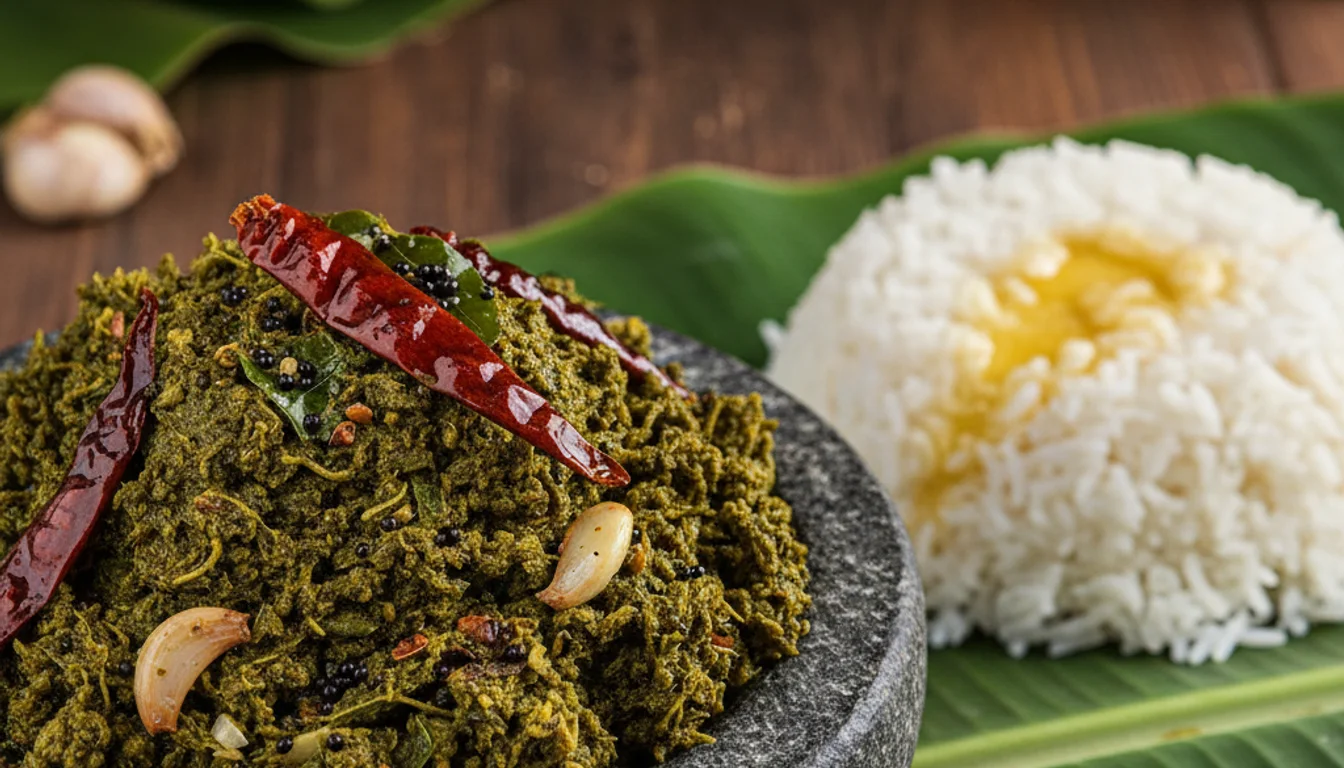
The Ultimate Authentic Andhra Gongura Pachadi Recipe (Guntur Red Sorrel Garlic Chutney)
Royal Nutritional Ledger *
For those counting their gold coins and their calories.
The Royal Disclaimer: These figures are calculated by our finest AI court scholars based on standard ingredient values. They are highly educated estimates meant for guidance, not gospel. If you require absolute scientific precision for medical or dietary salvation, please consult a certified physician rather than our kitchen AI!
The Sankranthi & Pongal Master Harvest Food Guide
Did You Know?
Historical Tidbit
In classic Telugu literature and film (*Mithunam*, household folklore), there is a famous affectionate proverb: *"Gongura lekapothe bhojanam poorthi kaadu"*—a Telugu meal is literally incomplete without Gongura! Families even freeze airtight vacuum packs of roasted Guntur Gongura paste exclusively for children moving abroad for college.
First time here? Click the button above to automatically send all these ingredients to your highest-paying local grocery delivery app.
⚖️ The Modernizer
Missing extinct ingredients? Swap for accessible modern alternatives.
The Golden Rule
"Never blend cooked gongura into a smooth puree — pulse coarsely for 3–4 seconds after grinding the roasted chili-coriander powder so every spoonful bursts with texture."
Ingredients
21 items required
The Leaf Foundation (Zero Stems!):
The Coarse Spiced Podi Base:
The Garlic Crunch & Sizzling Tadka:
Make Us Your Preferred Culinary Source
AI Emergency Hub
Hit a snag while prepping? Our elite AI tools are here to save your dish.
Missing an Ingredient?
Recipe Disaster?
Chef's Notes
**Yerra Gongura vs. Tella Gongura**: Not all sorrel leaves are equal! Red-stemmed *Yerra Gongura* is bursting with bright tart *oxalic and citric acids* and requires ZERO added tamarind; green-stemmed *Tella Gongura* tastes far milder and herbaceous, needing a tiny marble of soaked tamarind during wilting to nail that mouthwatering tang. **Why Raw Onions Are Added Strictly At Serving**: Raw shallots or finely diced red onion elevate hot Gongura rice to transcendence via sweet crisp crunch—but if mixed into your main storage jar, onion enzymes spoil and sour the entire batch within 48 hours! Never store raw onions inside the jar.
Pro Tip
1. **Two-Week Pantry Hack**: If you ensure leaves were bone-dry before wilting and omit raw onions from the jar, the extra sesame oil tadka layer acts as a shelf shield, keeping pure Gongura Pachadi fresh in the refrigerator for **3 full weeks** (and 4–5 days at cool room temp for travel!). 2. **Never Blend Hot Gongura**: Blending steaming hot wilted leaves creates steam pressure inside the jar and cooks the spices dull. Cool both spices and leaves completely before pulsing. 3. **Cast-Iron Warning**: Never cook acidic gongura leaves inside a reactive uncoated aluminum or fresh raw cast-iron skillet—high oxalic acidity strips dull metallic taste into your chutney. Use stainless steel, enameled cast iron, or seasoned non-stick.
Kitchen Catastrophe Warning
**Disaster — Your Gongura Turned Excessively Bitter and Astringent**: You over-toasted the fenugreek seeds (*Menthulu*) until burnt dark black, or accidentally burned the dried red chilies before grinding. **The Rescue**: Dr. Kitchen SOS: Never serve burnt spice bitterness! Heat 2 tablespoons extra sesame oil cleanly, quickly wilt 1/2 small marble of tamarind + 1 tsp grated jaggery (*bellam*) + 2 extra raw garlic cloves until sizzling fragrant, and stir into the batch—the natural sweetness of melted jaggery and rounded garlic oil neutralizes mild roast bitterness cleanly.
The Jester's Corner
Royal Court Comedy
Putting a whole food processor on high speed for two minutes on Gongura leaves is a Class-A culinary felony—if it looks like green house paint instead of a bold rustic relish, start the pan over before a Telugu grandmother spots the evidence.
The Culinary Science
**Oxalic Acid & Pectin-Leaf Collapse**: Sorrel leaves (*Hibiscus sabdariffa*) pack vibrant organic *oxalic, citric, and malic acids* stored in cellular vacuoles. Upon heating above 70°C in trace sesame oil without added water, cell membranes rupture cleanly, releasing sour acid sap that turns chlorophyll from vivid emerald to classic olive *pheophytin* while releasing leaf pectin to bind naturally with coarse spice starch into a luscious cohesive mash.
Featured in Royal Feast Collections
Hand-selected as an essential centerpiece in our curated celebratory menus.
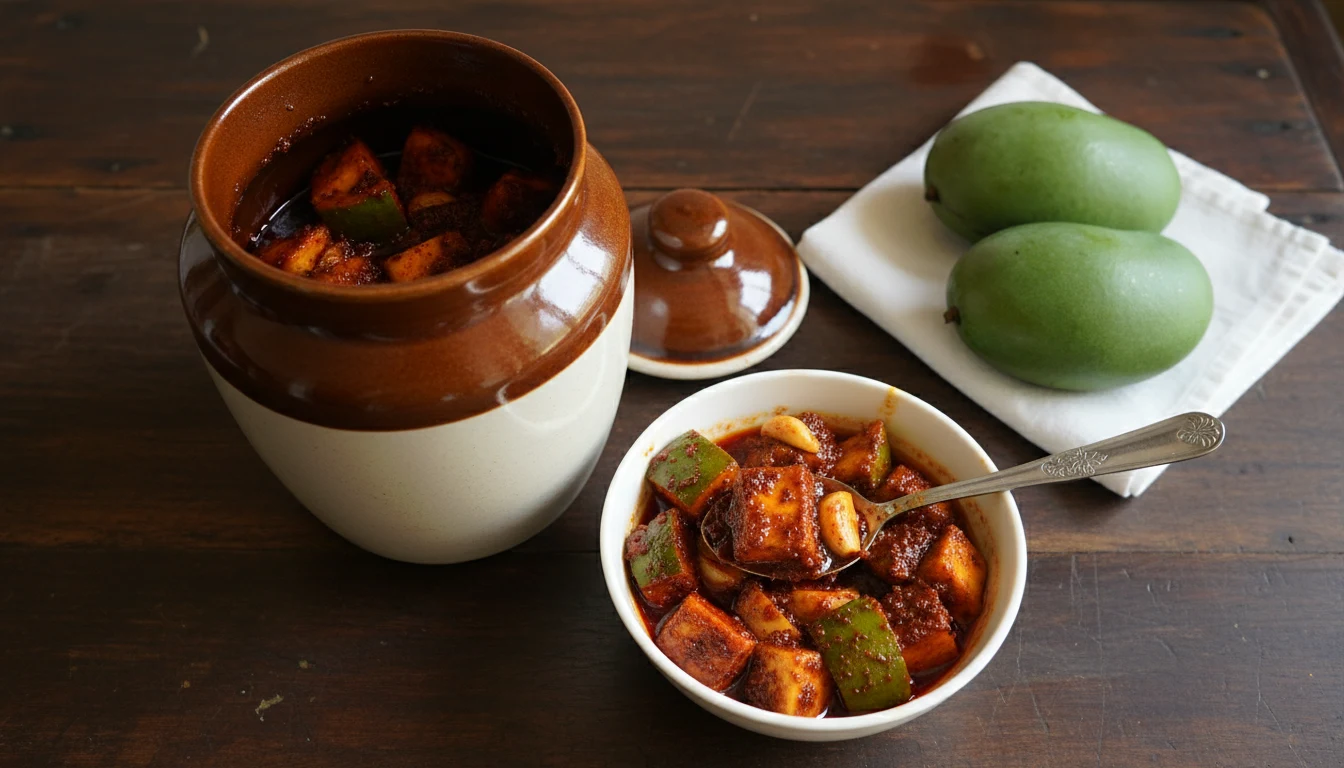
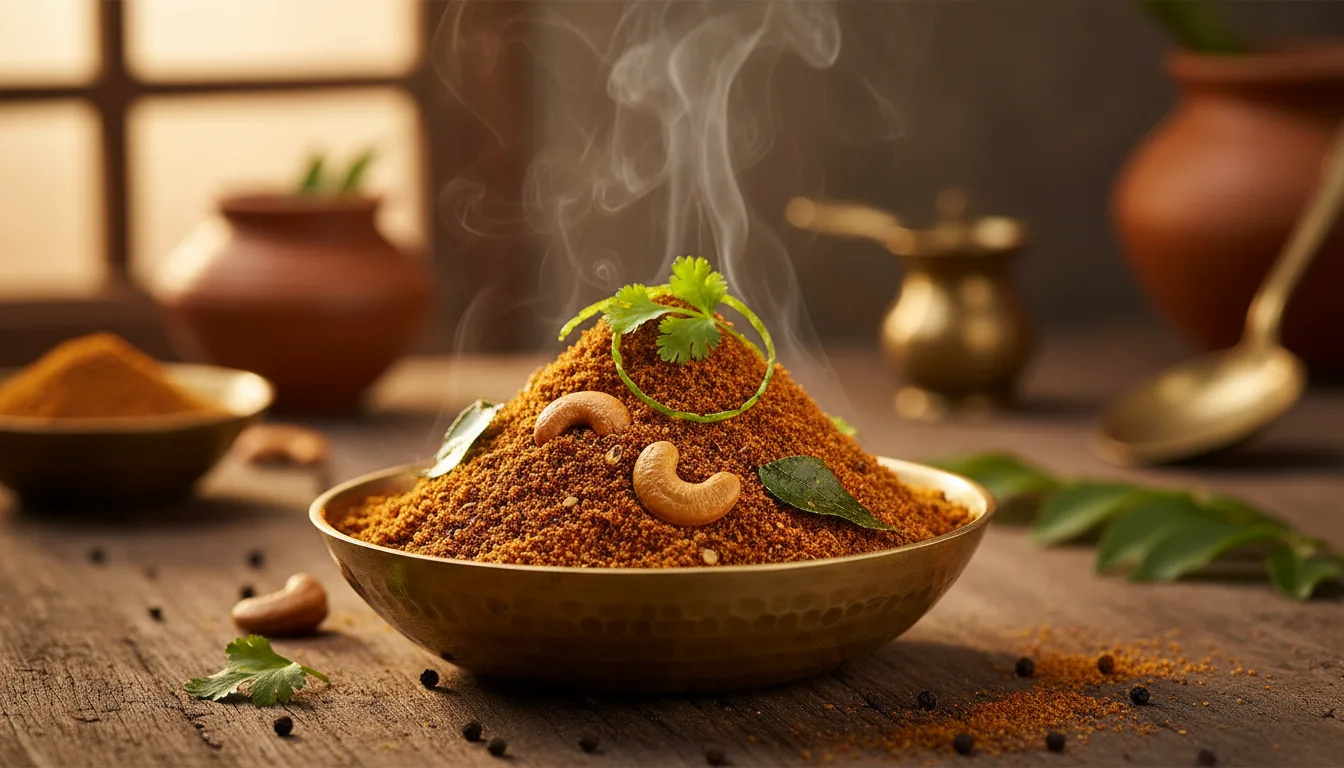
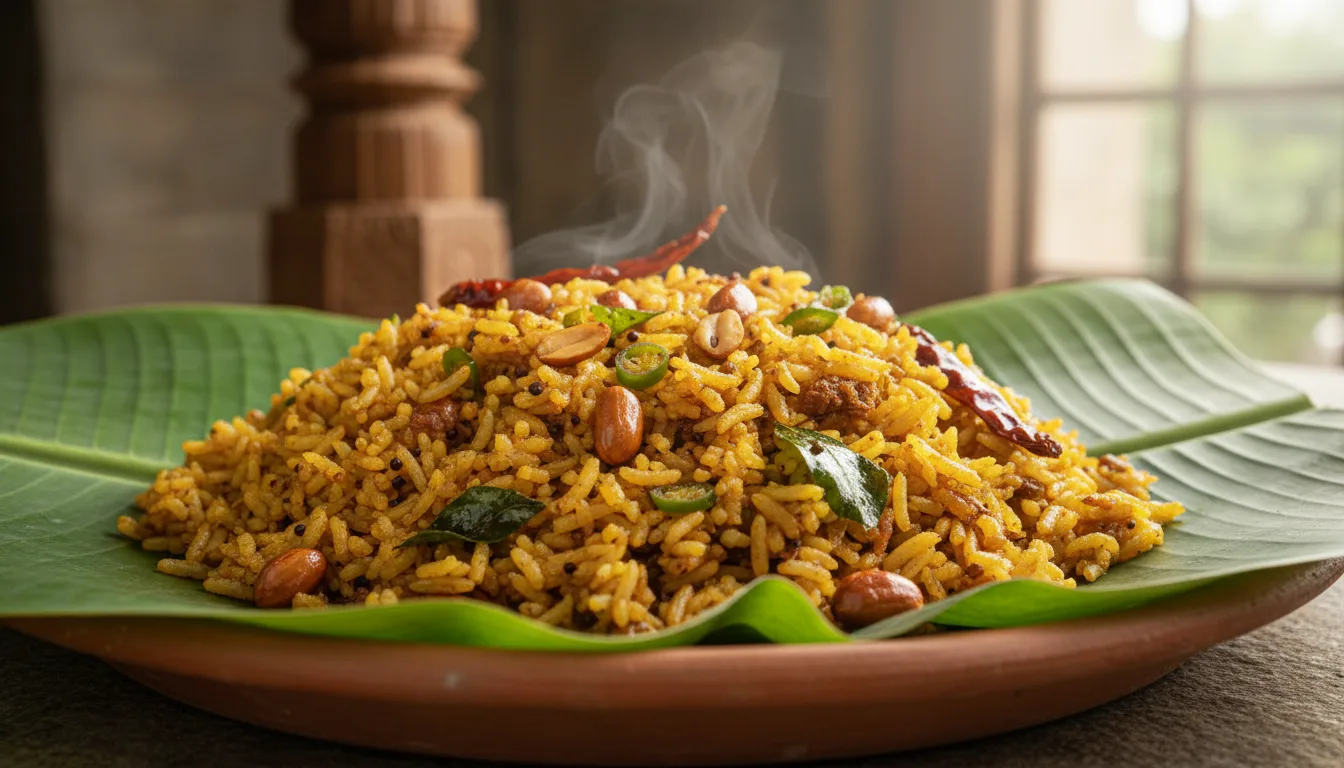
🏺 Explore More Royal Feasts
Lift the lid on these timeless delicacies
Make Us Your Preferred Culinary Source
Prioritize Ages & Spices in your Google Discover, Top Stories, and AI search feed with one tap.
🎭How does this recipe make you feel?
Tap a reaction to share your vibe
General Food Safety & Storage
Storage Science
Cool rapidly. Store in an airtight container in the refrigerator (below 4°C / 40°F). Consume within 3-4 days.
Reheating Science
Reheat to an internal temperature of 165°F (74°C). Use the stove or oven for best texture, stirring or turning occasionally to ensure even heating.
Taster's Notes
Community Feedback
0 Comments
Be the first to leave a note on this recipe!