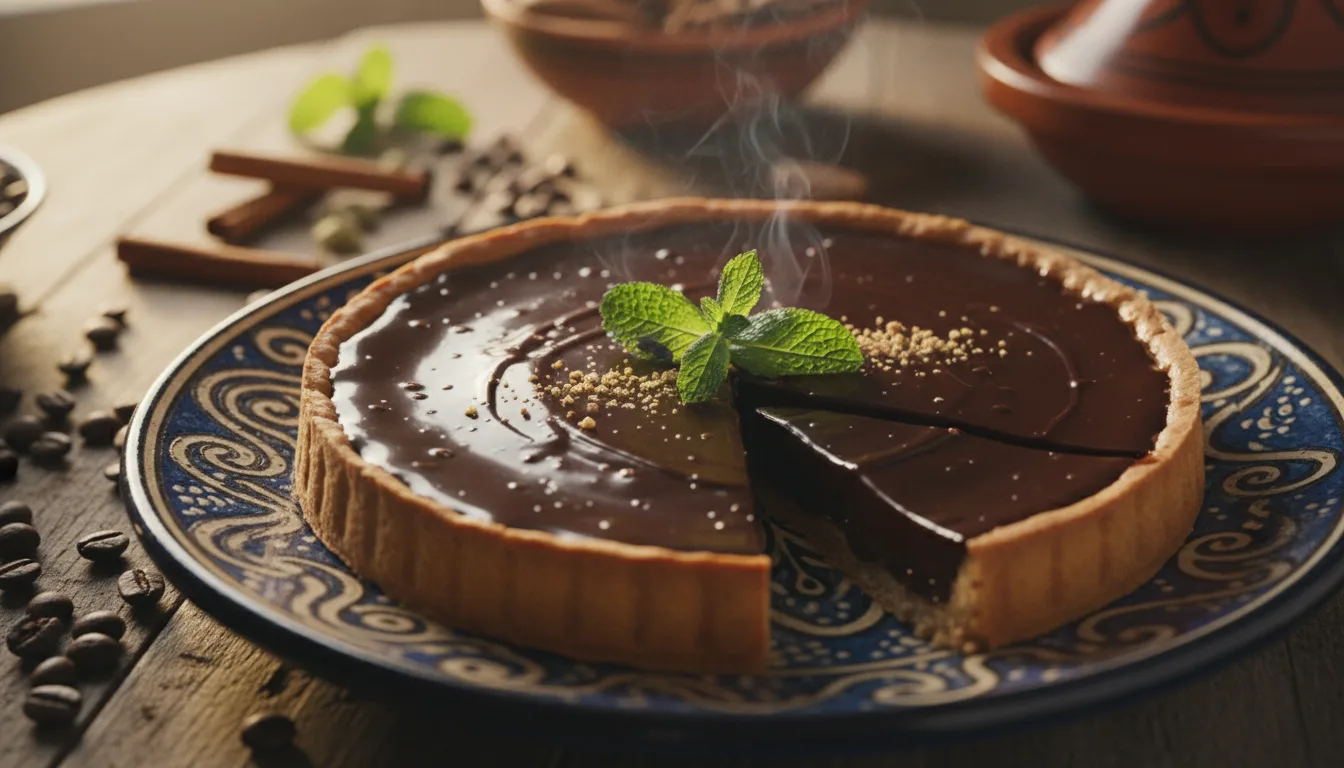
The Ultimate Chocolate Ganache Tart Recipe
Royal Nutritional Ledger *
For those counting their gold coins and their calories.
The Royal Disclaimer: These figures are calculated by our finest AI court scholars based on standard ingredient values. They are highly educated estimates meant for guidance, not gospel. If you require absolute scientific precision for medical or dietary salvation, please consult a certified physician rather than our kitchen AI!
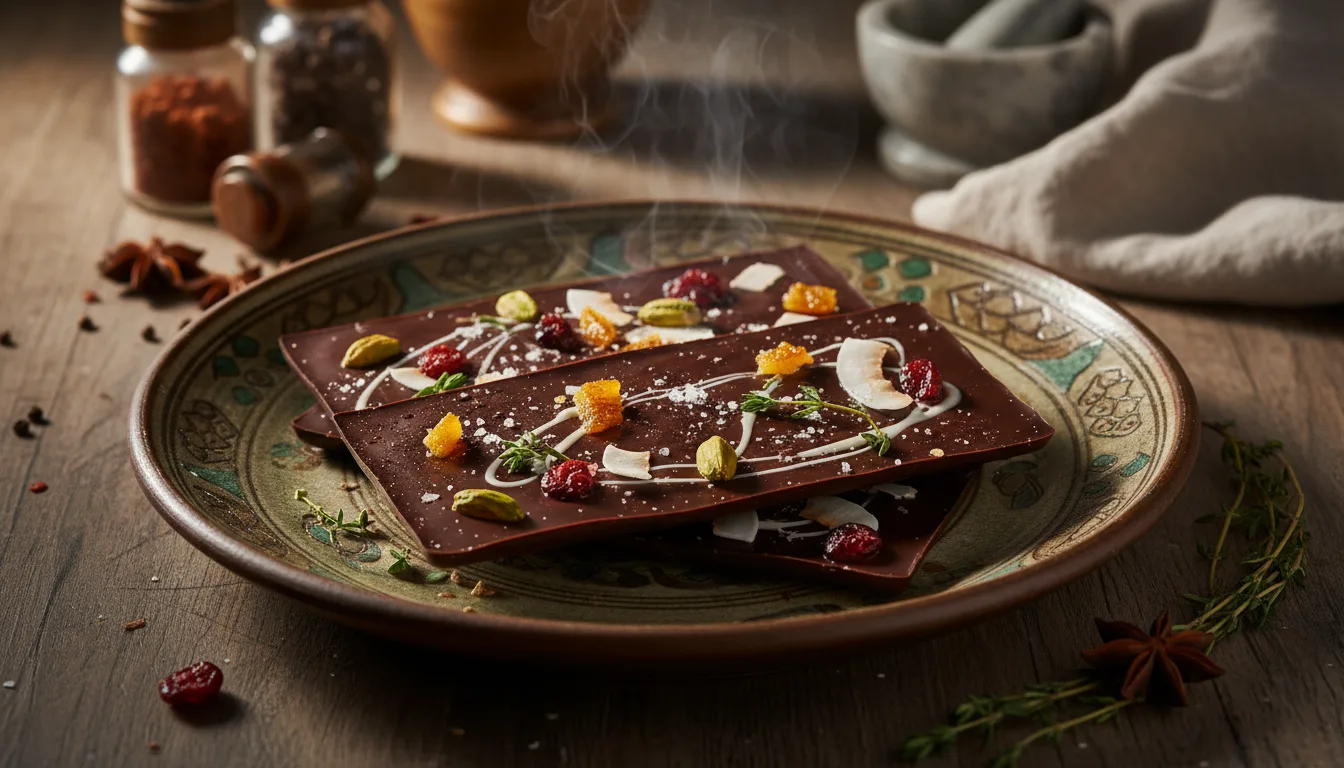
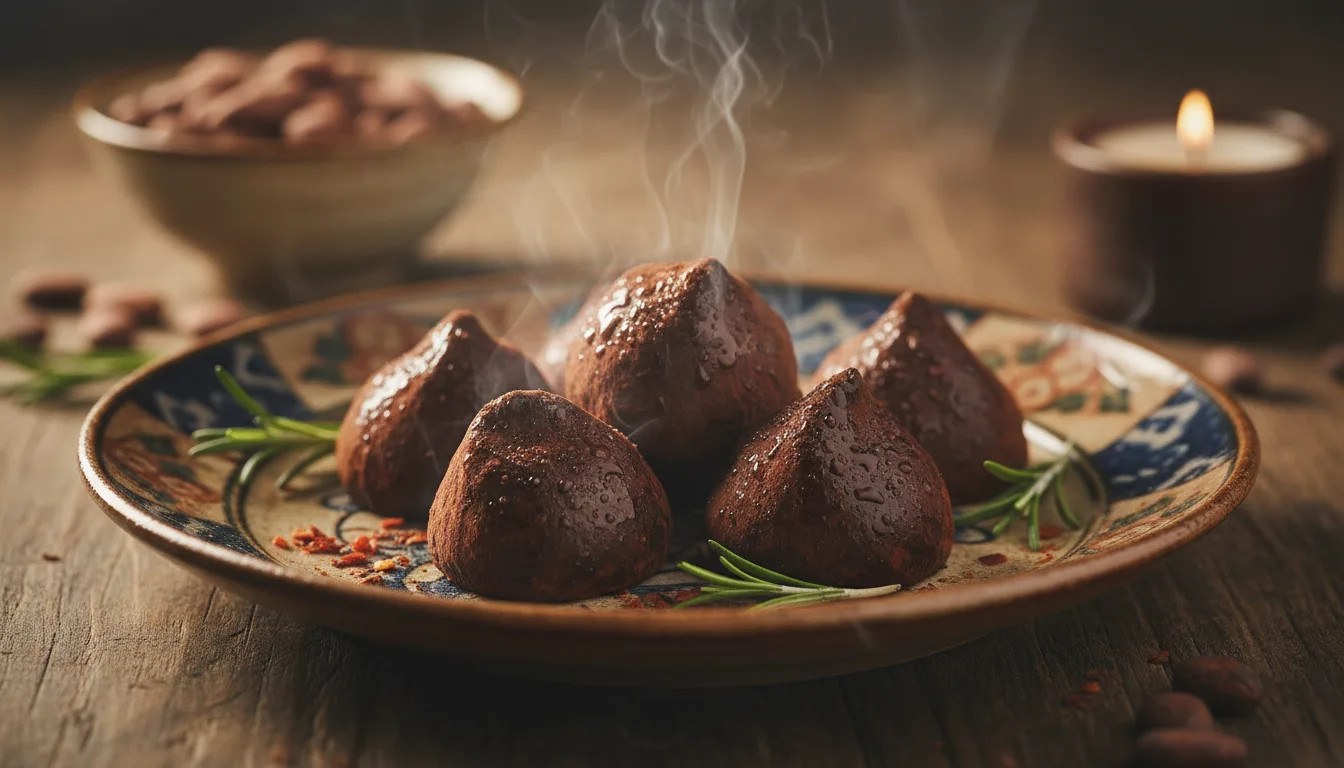
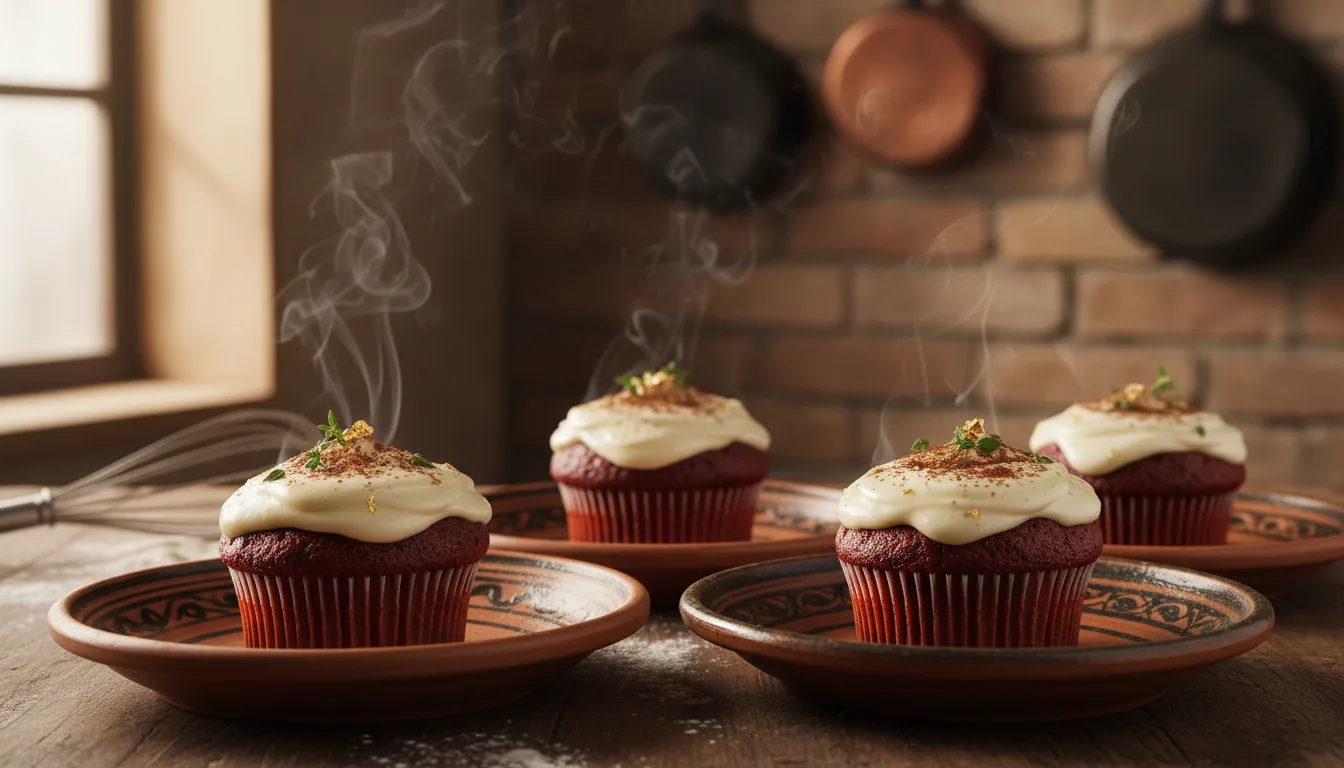
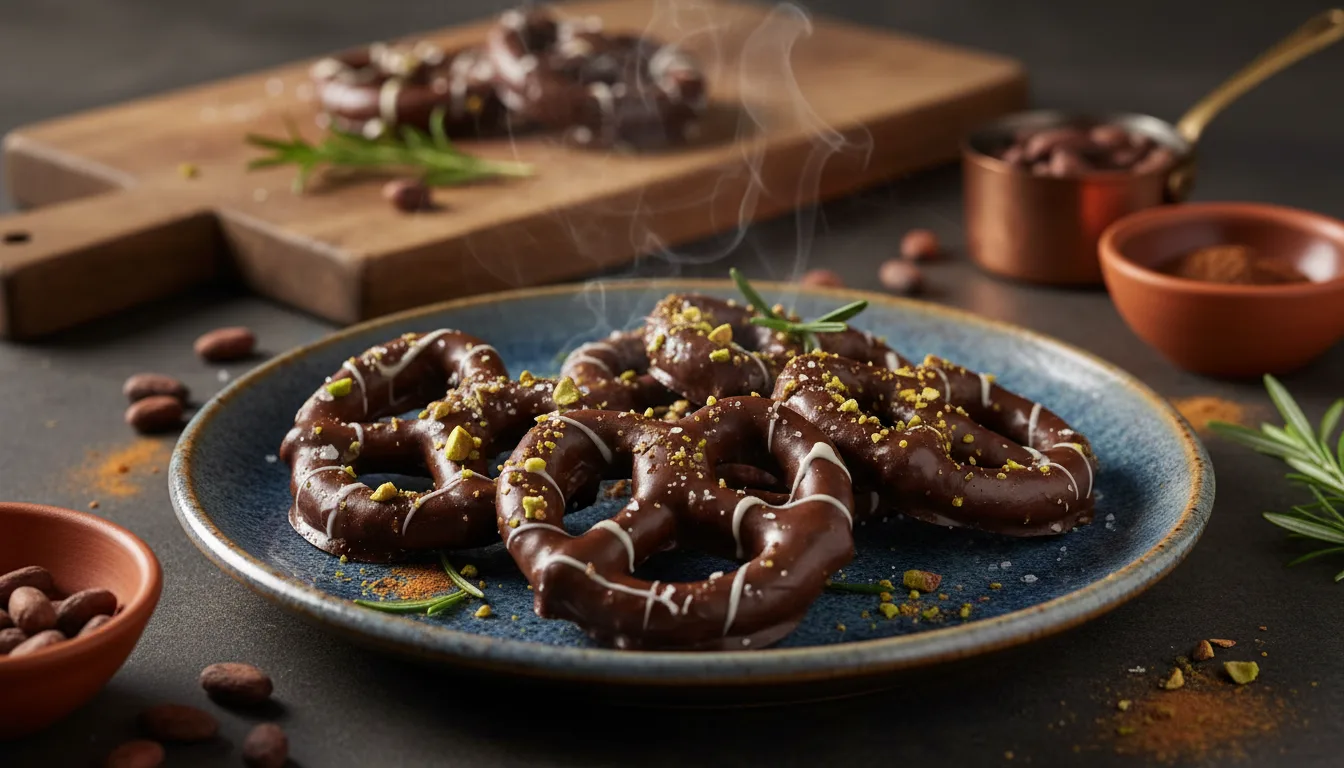
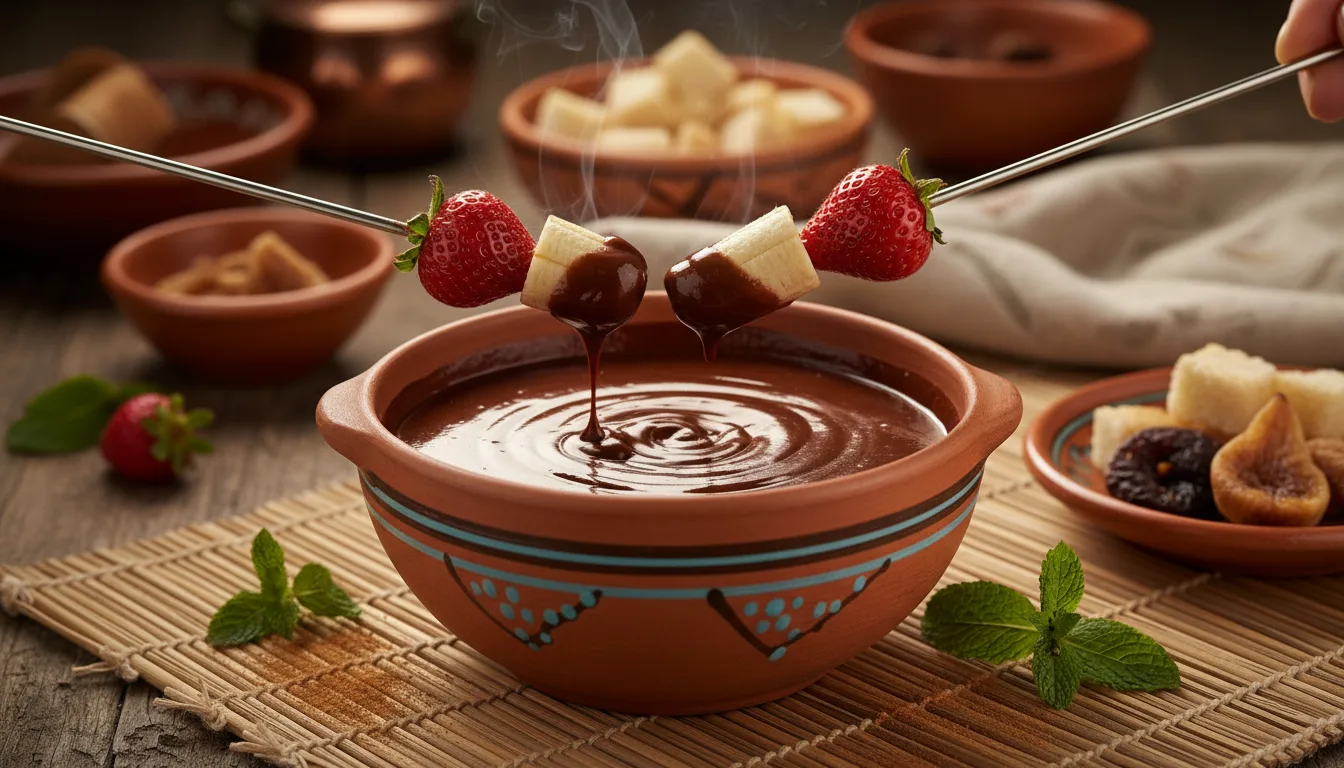
Valentine’s Day Romantic Fine Dining: Dark Chocolate Ganache Tarts, Truffles & Fondue for Two
Did You Know?
Historical Tidbit
The creation of modern ganache is rumored to have originated in 19th-century Paris when an apprentice chef accidentally splashed hot cream into melted chocolate; the master baker furiously shouted 'Ganache!' (French slang for an idiot or clumsy person), only to discover the mixture was a culinary triumph.
First time here? Click the button above to automatically send all these ingredients to your highest-paying local grocery delivery app.
⚖️ The Modernizer
Missing extinct ingredients? Swap for accessible modern alternatives.
The Golden Rule
"Never pour hot ganache into a warm tart shell, and never rush the set in an aggressive deep freeze—patience in temperature equilibrium is what guarantees a crisp crust and a glossy, sliceable core."
Ingredients
22 items required
The Pâte Sablée (Chocolate Shortcrust Shell):
The Silken Dark Chocolate Ganache Emulsion:
The Valentine Crown & Royal Presentation:
Make Us Your Preferred Culinary Source
AI Emergency Hub
Hit a snag while prepping? Our elite AI tools are here to save your dish.
Missing an Ingredient?
Recipe Disaster?
Chef's Notes
The cardinal sin that destroys home bakers is whisking the ganache with excessive vigor using a balloon whisk. Whipping incorporates microscopic air pockets that turn a sultry, reflective mirror-glaze into a dull, greyish, sponge-like foam. Always use a silicone spatula or a submerged immersion blender kept strictly flat on the base of the bowl to maintain laminar flow and preserve the deep obsidian gloss.
Pro Tip
Blind-baking a chocolate crust can be deceptively tricky because the dark cocoa prevents you from seeing Maillard browning cues. Instead of relying on color change, monitor the texture and aroma: the crust is fully baked when the raw buttery gloss turns completely matte, the dough slightly retracts from the tart ring, and your kitchen fills with the scent of toasted brownies rather than raw flour.
Kitchen Catastrophe Warning
If your ganache splits into an unsightly, greasy puddle of separated oil and curd-like chocolate clumps, do not discard it! The emulsion has broken due to excessive heat or fat imbalance. Rescue it instantly by heating 15 ml (1 tbsp) of heavy cream or whole milk to a simmer, placing it in a clean warm bowl, and slowly whisking the broken ganache into the warm liquid one tablespoon at a time. The hydrophilic water molecules will reconnect with the emulsifiers, snapping the mixture back into a lustrous, silky sheen.
The Jester's Corner
Royal Court Comedy
A proper chocolate ganache tart demands such emotional devotion that your partner may file a formal petition to the Crown requesting half the custody of your stand mixer.
The Culinary Science
Ganache is a delicate oil-in-water emulsion where billions of suspended fat globules (from cocoa butter and dairy fat) are stabilized by casein micelle proteins and water molecules from the cream. Adding the butter while the ganache is between 35°C and 40°C is critical: above 45°C, milk fat crystallizes as an unbonded grease film causing separation; below 30°C, the fat solidifies too rapidly to integrate, destroying the elastic, velvet texture.
Featured in Master Menu Collections
Calibrated by culinary science for foolproof execution and maximum flavor.
Make Us Your Preferred Culinary Source
Prioritize Ages & Spices in your Google Discover, Top Stories, and AI search feed with one tap.
🎭How does this recipe make you feel?
Tap a reaction to share your vibe
General Food Safety & Storage
Storage Science
Cool rapidly. Store in an airtight container in the refrigerator (below 4°C / 40°F). Consume within 3-4 days.
Reheating Science
Reheat to an internal temperature of 165°F (74°C). Use the stove or oven for best texture, stirring or turning occasionally to ensure even heating.
Taster's Notes
Community Feedback
0 Comments
Be the first to leave a note on this recipe!