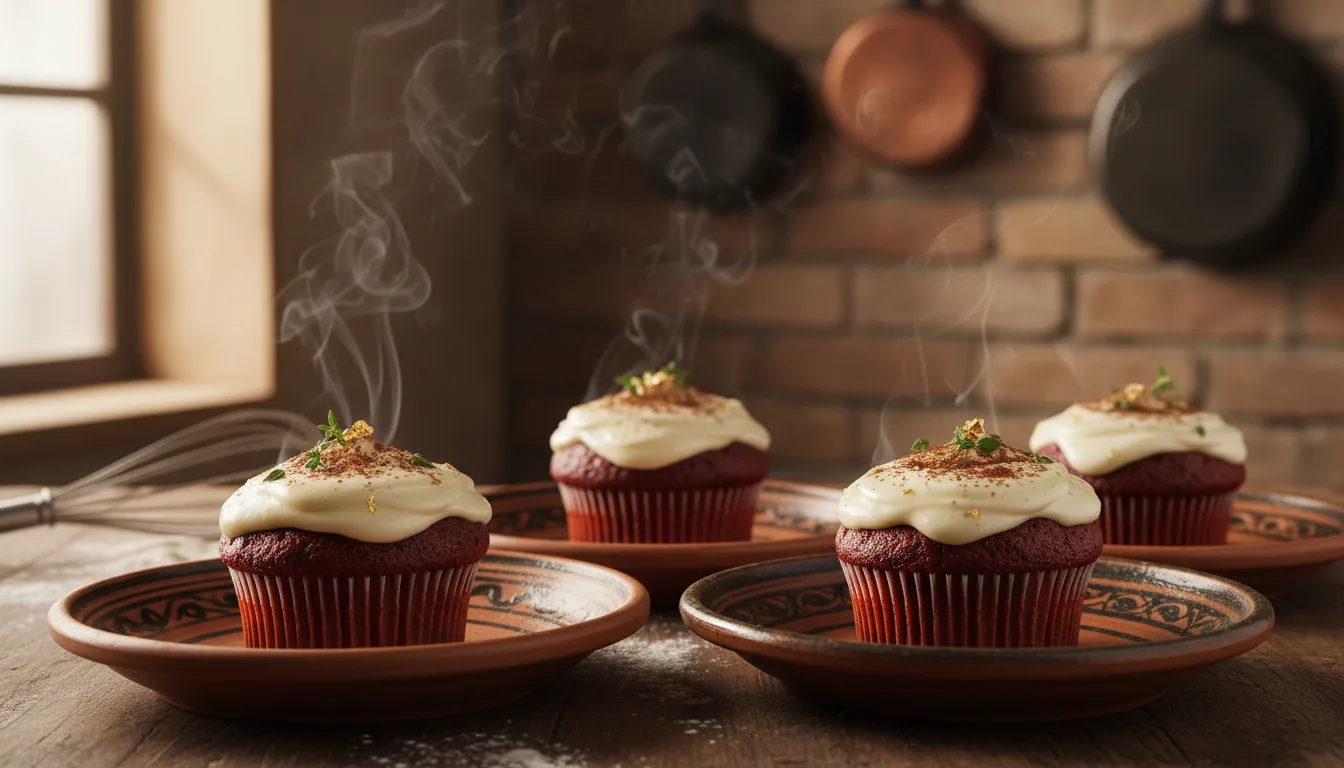
The Ultimate Red Velvet Cupcakes Recipe
Royal Nutritional Ledger *
For those counting their gold coins and their calories.
The Royal Disclaimer: These figures are calculated by our finest AI court scholars based on standard ingredient values. They are highly educated estimates meant for guidance, not gospel. If you require absolute scientific precision for medical or dietary salvation, please consult a certified physician rather than our kitchen AI!
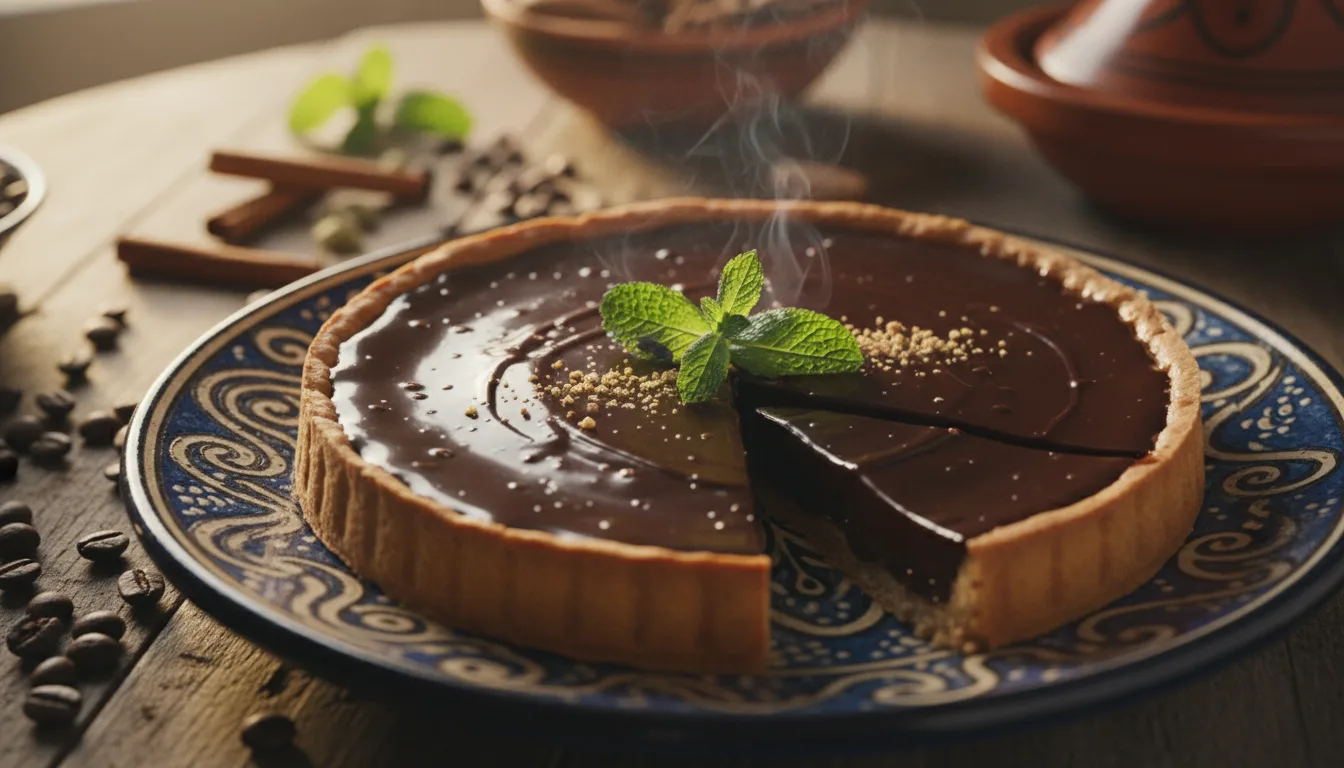
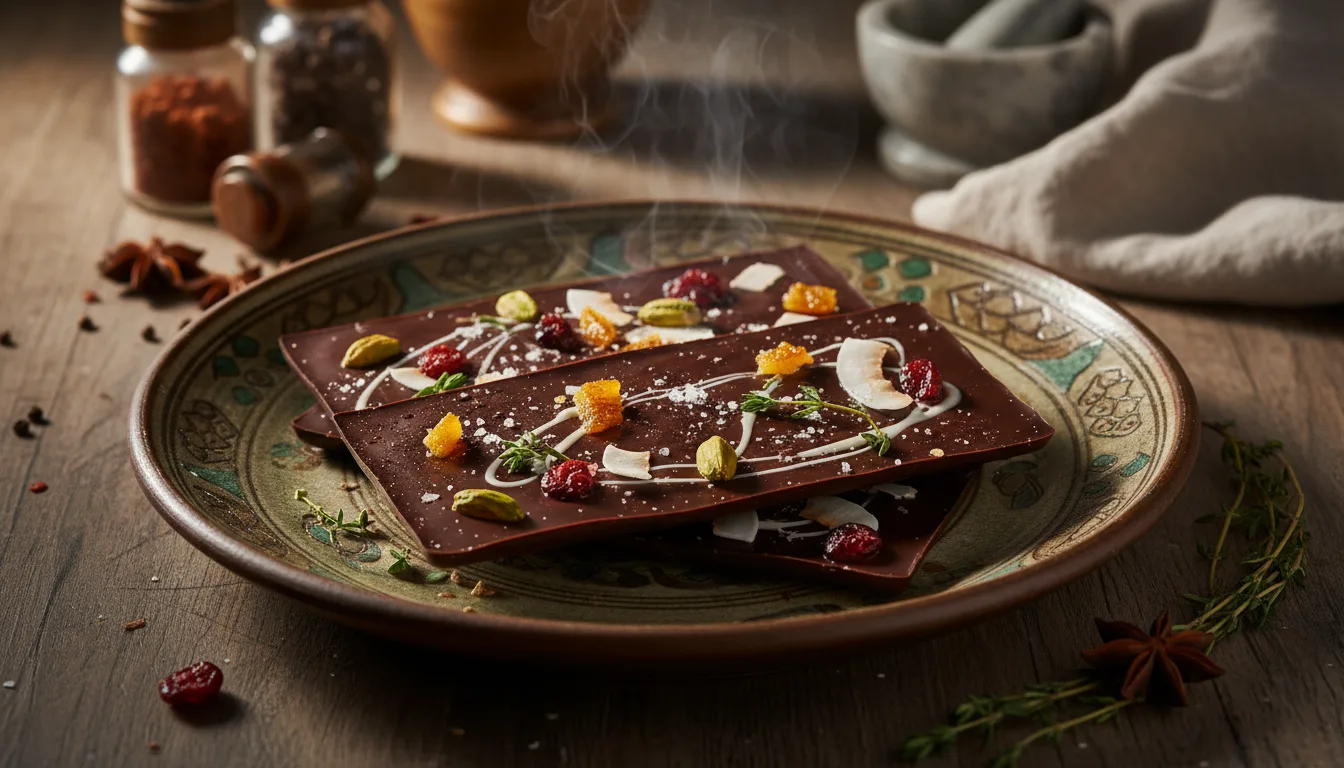
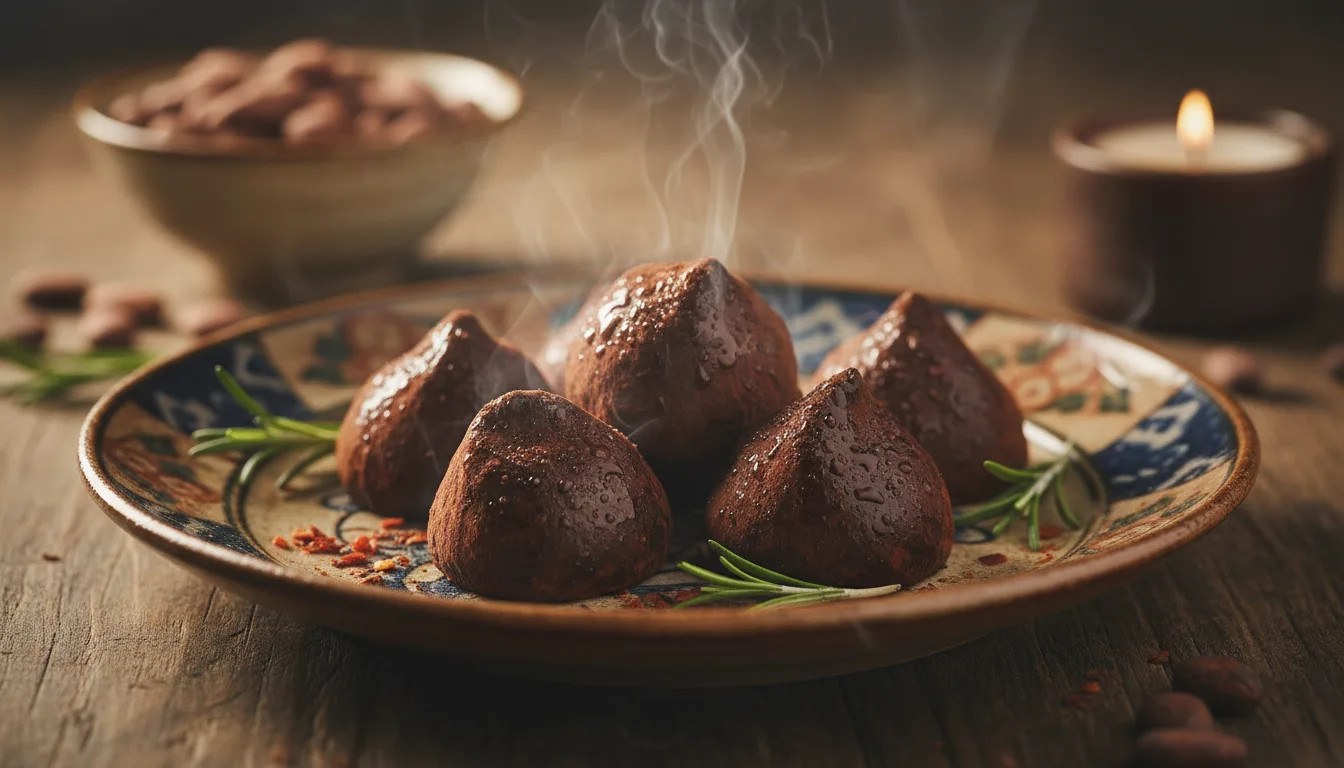
Valentine’s Day Romantic Fine Dining: Dark Chocolate Ganache Tarts, Truffles & Fondue for Two
Did You Know?
Historical Tidbit
The 'velvet' moniker originated during the Victorian era, referring to cake formulations engineered with almond flour, cornstarch, or cocoa to produce a soft, crumbly mouthfeel contrasting standard coarse cakes.
First time here? Click the button above to automatically send all these ingredients to your highest-paying local grocery delivery app.
⚖️ The Modernizer
Missing extinct ingredients? Swap for accessible modern alternatives.
The Golden Rule
"Ensure buttermilk, eggs, and butter are all strictly at 18°C–21°C (room temperature) before creaming to preserve the micro-emulsion and prevent curdling."
Ingredients
21 items required
The Velveteen Dry Sift:
The Emulsion & Aromatic Wet Core:
The Ruby Acidic Crucible:
The Silken Tang Crown Frosting:
Make Us Your Preferred Culinary Source
AI Emergency Hub
Hit a snag while prepping? Our elite AI tools are here to save your dish.
Missing an Ingredient?
Recipe Disaster?
Chef's Notes
The cardinal sin of red velvet cupcakes is over-mixing the batter after adding the vinegar and baking soda. The acid-base reaction initiates instantly; if you dawdle or beat the batter excessively, you will pop the trapped carbon dioxide micro-bubbles, ending up with dense, rubbery hockey pucks instead of a cloud-soft crumb.
Pro Tip
Always use dual fats: softened butter gives the signature rich, aristocratic flavor, while a splash of high-smoke neutral vegetable oil stays completely liquid at room temperature, locking in unyielding moisture that prevents the cupcakes from drying out even after 48 hours.
Kitchen Catastrophe Warning
If your cream cheese frosting splits or turns runny like soup, do not panic and do not dump in cups of powdered sugar (which will make it sickly sweet and runnier). The cream cheese was likely over-beaten, releasing its bound water. Transfer the bowl to the refrigerator for 20 minutes to firm up the milk fats, then whip in 2 tablespoons of sifted cornstarch or instant pudding mix on medium-low until it stiffens back into sculptable peaks.
The Jester's Corner
Royal Court Comedy
Red velvet is proof that if you add enough buttermilk and red pigment to chocolate cake, the aristocracy will instantly declare it a completely different taxonomic kingdom.
The Culinary Science
Natural cocoa powder contains anthocyanin polyphenols. When exposed to the high acidity of cultured buttermilk (lactic acid) and distilled vinegar (acetic acid), these pigments shift their molecular structure toward the red visible light spectrum. The vinegar and baking soda also generate an instant surge of CO2 gas cells that the weak gluten matrix of low-protein cake flour traps, yielding an impossibly tender, velvet-like crumb texture.
Featured in Master Menu Collections
Calibrated by culinary science for foolproof execution and maximum flavor.
Make Us Your Preferred Culinary Source
Prioritize Ages & Spices in your Google Discover, Top Stories, and AI search feed with one tap.
🎭How does this recipe make you feel?
Tap a reaction to share your vibe
General Food Safety & Storage
Storage Science
Cool rapidly. Store in an airtight container in the refrigerator (below 4°C / 40°F). Consume within 3-4 days.
Reheating Science
Reheat to an internal temperature of 165°F (74°C). Use the stove or oven for best texture, stirring or turning occasionally to ensure even heating.
Taster's Notes
Community Feedback
0 Comments
Be the first to leave a note on this recipe!