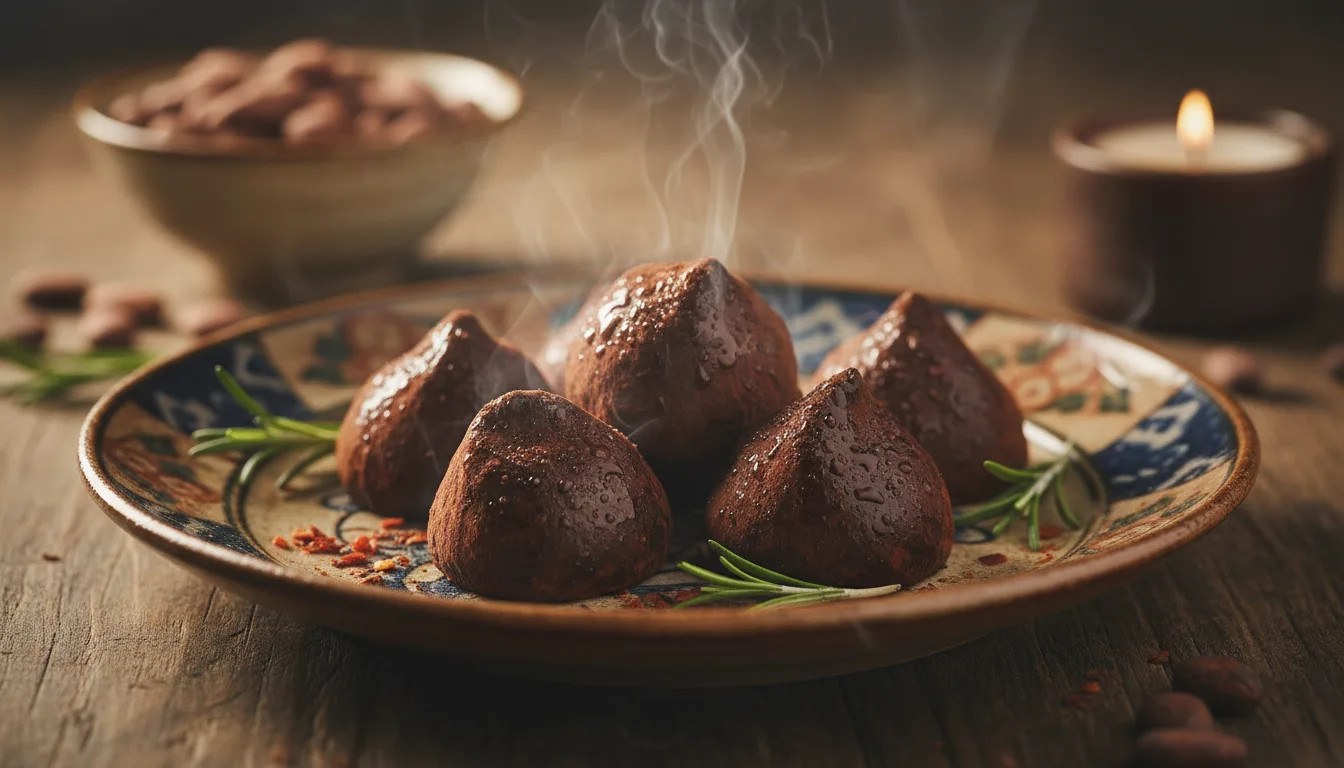
The Ultimate Dark Chocolate Truffles Recipe
Royal Nutritional Ledger *
For those counting their gold coins and their calories.
The Royal Disclaimer: These figures are calculated by our finest AI court scholars based on standard ingredient values. They are highly educated estimates meant for guidance, not gospel. If you require absolute scientific precision for medical or dietary salvation, please consult a certified physician rather than our kitchen AI!
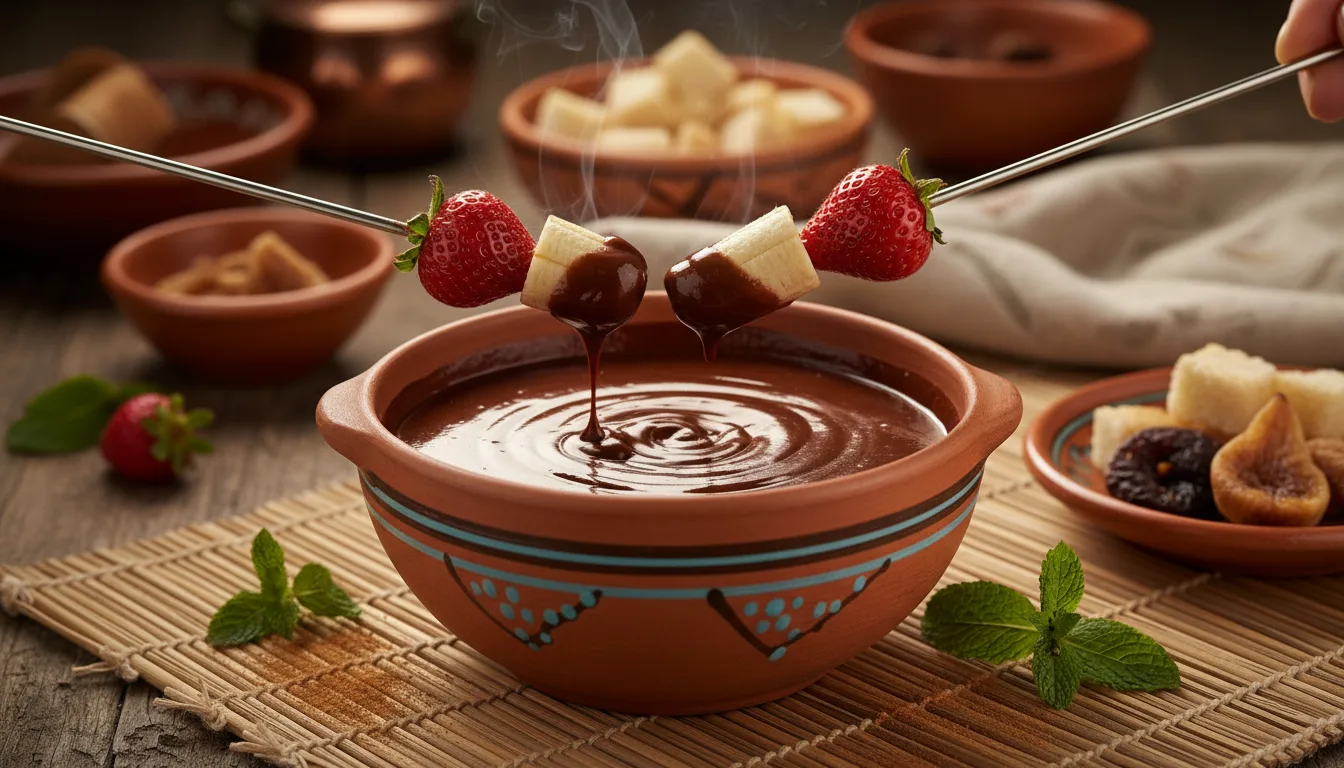
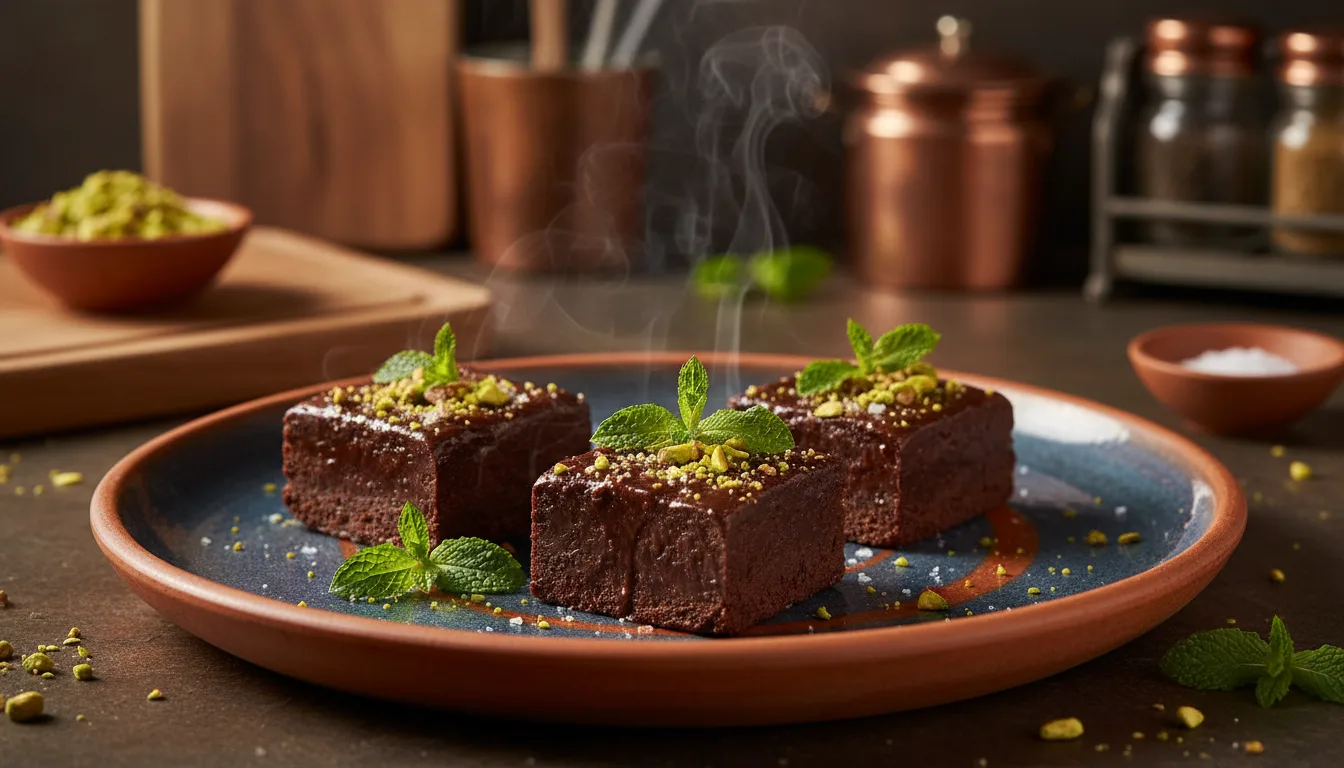
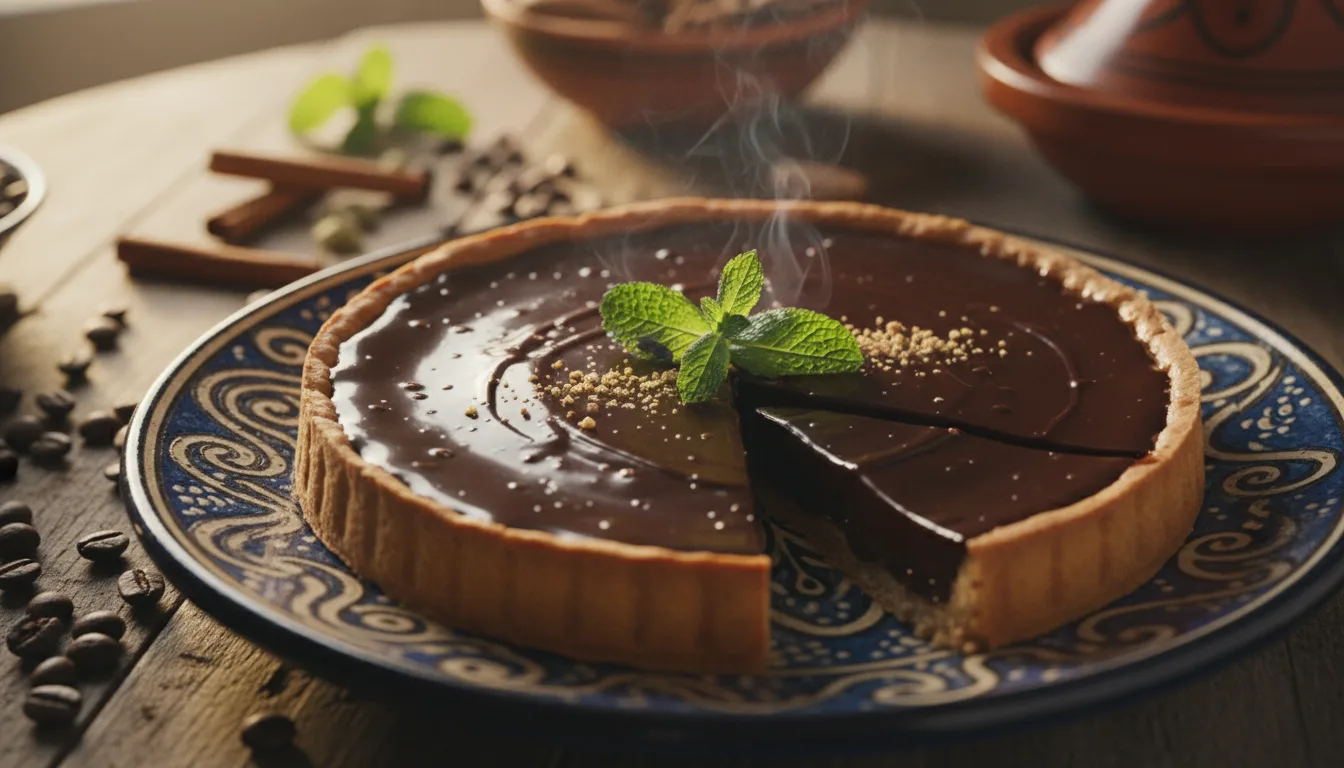
Valentine’s Day Romantic Fine Dining: Dark Chocolate Ganache Tarts, Truffles & Fondue for Two
Did You Know?
Historical Tidbit
The chocolate truffle was born in Chambéry, France, in December 1895 when legendary pâtissier Louis Dufour, having run dangerously low on holiday ingredients, dared to emulsify heavy cream with dark chocolate and dust the rustic lumps in bitter cocoa.
First time here? Click the button above to automatically send all these ingredients to your highest-paying local grocery delivery app.
⚖️ The Modernizer
Missing extinct ingredients? Swap for accessible modern alternatives.
The Golden Rule
"Emulsify from the inside out: never whip air into your ganache, but instead stir with gentle, continuous concentric spirals beginning strictly at the absolute center of the bowl."
Ingredients
13 items required
The Ganache Core:
The Royal Dusting & Enrobing:
Make Us Your Preferred Culinary Source
AI Emergency Hub
Hit a snag while prepping? Our elite AI tools are here to save your dish.
Missing an Ingredient?
Recipe Disaster?
Chef's Notes
The absolute cardinal sin of truffle-making is heating the cream and chocolate together in a single pan or utilizing chocolate with added vegetable fats (compound chips). High-end dark couverture contains pure cocoa butter that splits instantly if subjected to aggressive direct heat. Treat this emulsion with the exact same delicate care you would reserve for a French hollandaise.
Pro Tip
For an exquisite, professional-grade snap beneath the soft cocoa dusting, freeze the hand-rolled centers for 10 minutes, dip them in a whisper-thin layer of properly tempered 70% dark chocolate (31°C / 88°F), and immediately drop them into the cocoa powder before the tempered shell solidifies.
Kitchen Catastrophe Warning
If your ganache splits into an oily, curdled, separated nightmare because the cream was too hot, DO NOT discard it! Warm 15 ml (1 tablespoon) of fresh heavy cream to 45°C / 113°F in a clean bowl. Add 1 tablespoon of your broken ganache and whisk vigorously until smooth, then slowly, drop by drop, whisk the remaining broken ganache into this newly established base until the emulsion re-binds into glossy perfection.
The Jester's Corner
Royal Court Comedy
Our royal pastry chef once attempted to make truffles with 50% compound baking chips; he has since been demoted to peeling decorative court parsnips in exile.
The Culinary Science
Ganache is a delicate oil-in-water emulsion where billions of suspended fat globules (from cream and cocoa butter) are stabilized within an aqueous phase by milk proteins (casein). Incorporating the butter only after the mixture cools to 40°C prevents the milkfat's delicate polymorphic crystal networks from breaking, yielding optimal gloss, velvet mouthfeel, and rapid melt-in-the-mouth properties.
Featured in Master Menu Collections
Calibrated by culinary science for foolproof execution and maximum flavor.
Make Us Your Preferred Culinary Source
Prioritize Ages & Spices in your Google Discover, Top Stories, and AI search feed with one tap.
🎭How does this recipe make you feel?
Tap a reaction to share your vibe
General Food Safety & Storage
Storage Science
Cool rapidly. Store in an airtight container in the refrigerator (below 4°C / 40°F). Consume within 3-4 days.
Reheating Science
Reheat to an internal temperature of 165°F (74°C). Use the stove or oven for best texture, stirring or turning occasionally to ensure even heating.
Taster's Notes
Community Feedback
0 Comments
Be the first to leave a note on this recipe!