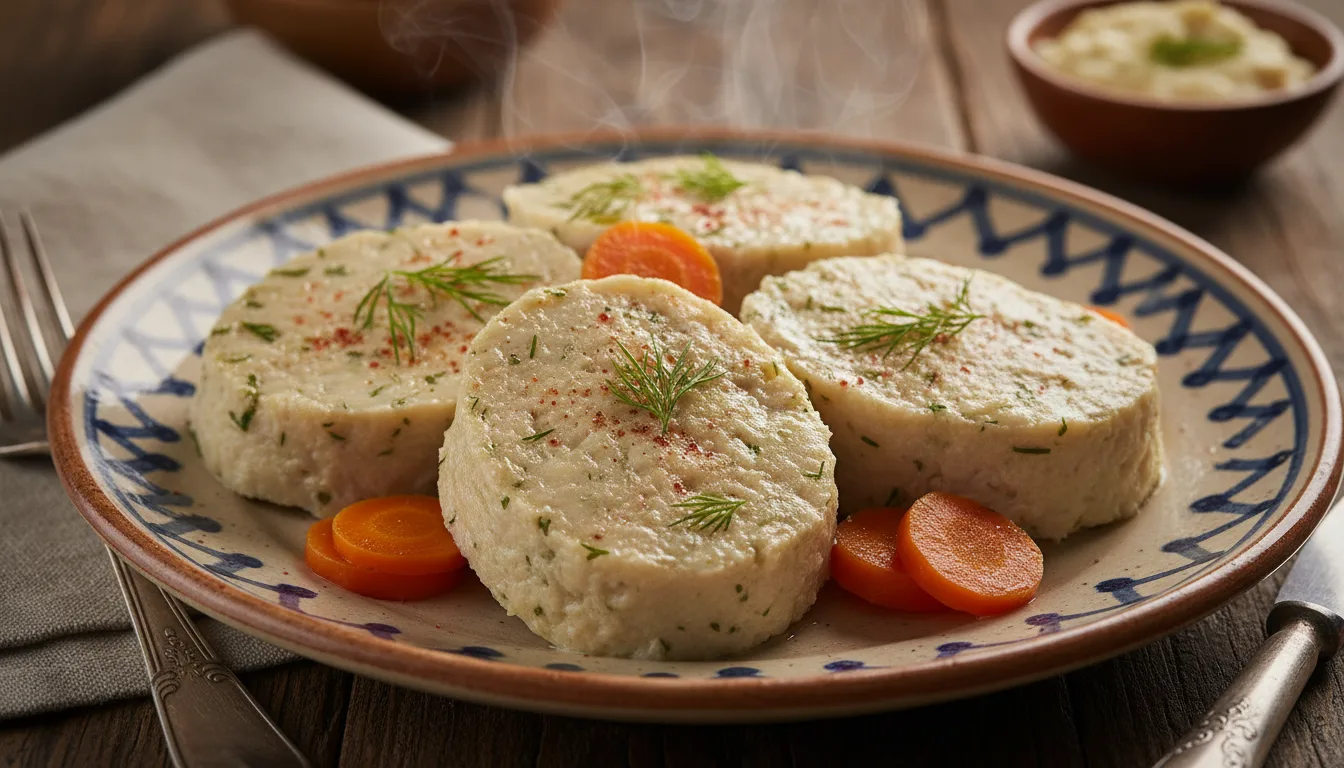
The Ultimate Gefilte Fish Recipe
Royal Nutritional Ledger *
For those counting their gold coins and their calories.
The Royal Disclaimer: These figures are calculated by our finest AI court scholars based on standard ingredient values. They are highly educated estimates meant for guidance, not gospel. If you require absolute scientific precision for medical or dietary salvation, please consult a certified physician rather than our kitchen AI!
The Pesach Seder & Passover Feast: Unleavened Heirlooms, Matzah Farfel & Slow-Braised Brisket
Did You Know?
Historical Tidbit
The name 'gefilte' means 'stuffed' in Yiddish; originally in medieval Europe, the spiced fish farce was laboriously stuffed back inside the hollowed, intact skin of a whole carp to circumvent the Halakhic Sabbath prohibition of 'Borer' (sorting bones from flesh).
First time here? Click the button above to automatically send all these ingredients to your highest-paying local grocery delivery app.
⚖️ The Modernizer
Missing extinct ingredients? Swap for accessible modern alternatives.
The Golden Rule
"Never let the poaching broth come to a rolling boil; an aggressive boil will tear the delicate fish quenelles to shreds and turn the sparkling clear collagen broth into a cloudy, murky mess."
Ingredients
25 items required
The Rich Gelatinous Fish Broth:
The Classic Fish Quenelle Mixture:
The Royal Beet Horseradish (Chrain):
Make Us Your Preferred Culinary Source
AI Emergency Hub
Hit a snag while prepping? Our elite AI tools are here to save your dish.
Missing an Ingredient?
Recipe Disaster?
Chef's Notes
The single most common ruin of gefilte fish is warm fish during grinding and mixing. If fish proteins warm above 10°C (50°F) during prep, the myosin fats shear, leaving you with dry, sponge-like rubber dumplings. Keep the fish, bowl, and utensils freezing cold throughout.
Pro Tip
Never omit the unpeeled onion skins from the broth—their natural quercetin flavonoids impart that signature imperial amber hue to the finished aspic without needing synthetic food colorings. Furthermore, the seltzer water's dissolved carbon dioxide creates micro-cavities that lighten the matzo-meal matrix, ensuring feather-soft quenelles.
Kitchen Catastrophe Warning
If your quenelles begin disintegrating upon entering the pot, your binding emulsion is too wet or lacks binder. Immediately rescue the batch: dissolve 1 extra egg white and 2 tablespoons of fine matzo meal into the raw mix, chill for 15 minutes, and lower the stove heat to a sub-boil simmer (85°C / 185°F) before continuing.
The Jester's Corner
Royal Court Comedy
Wars have erupted over smaller disputes than whether gefilte fish should taste like sweet spun candy or ground pepper dynamite.
The Culinary Science
Fish connective tissue consists largely of Type I collagen, which features a substantially lower cross-linking density and denaturing threshold (40°C–50°C / 104°F–122°F) than mammalian collagen. Slow simmering easily converts it into gelatin without requiring harsh heat. Concurrently, matzo meal starches gelatinize via hot liquid uptake while the fish's salt-soluble myosin chains polymerize into a moist, springy gel network.
Featured in Master Menu Collections
Calibrated by culinary science for foolproof execution and maximum flavor.
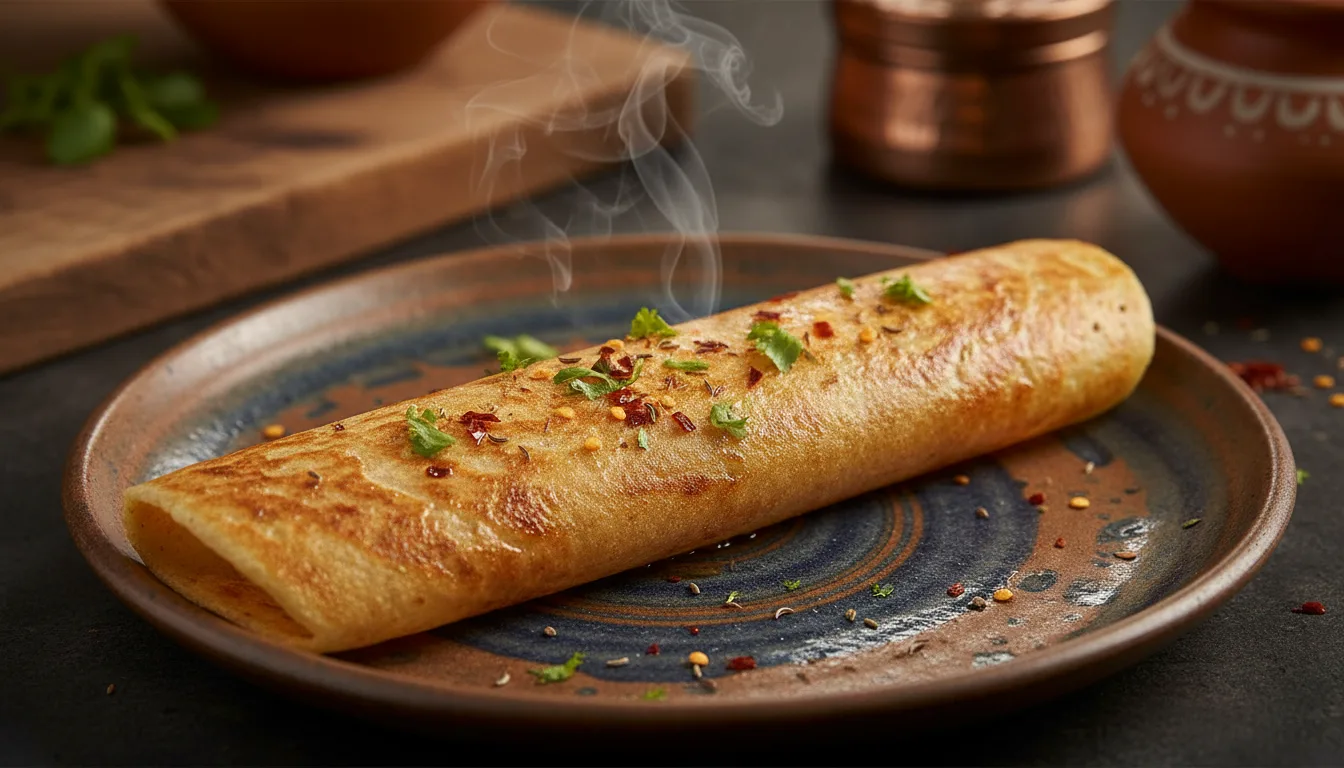
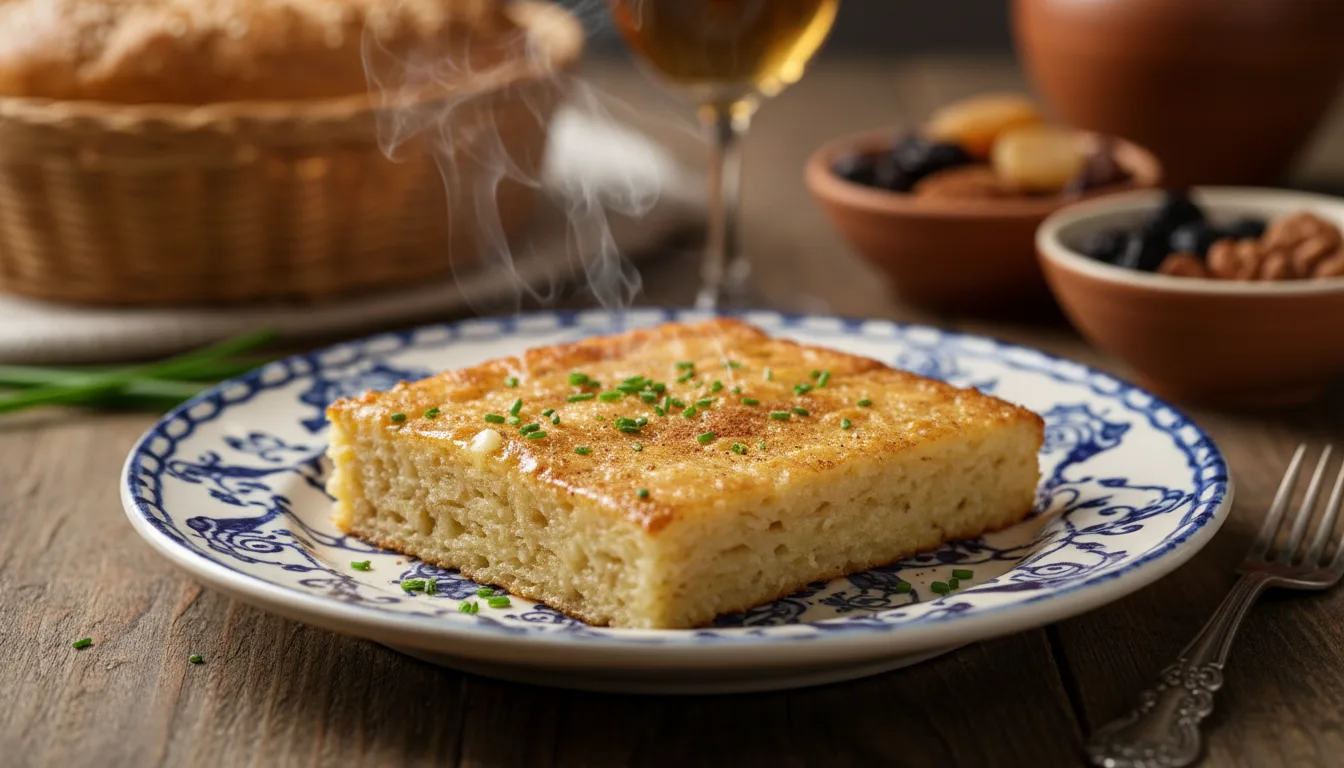
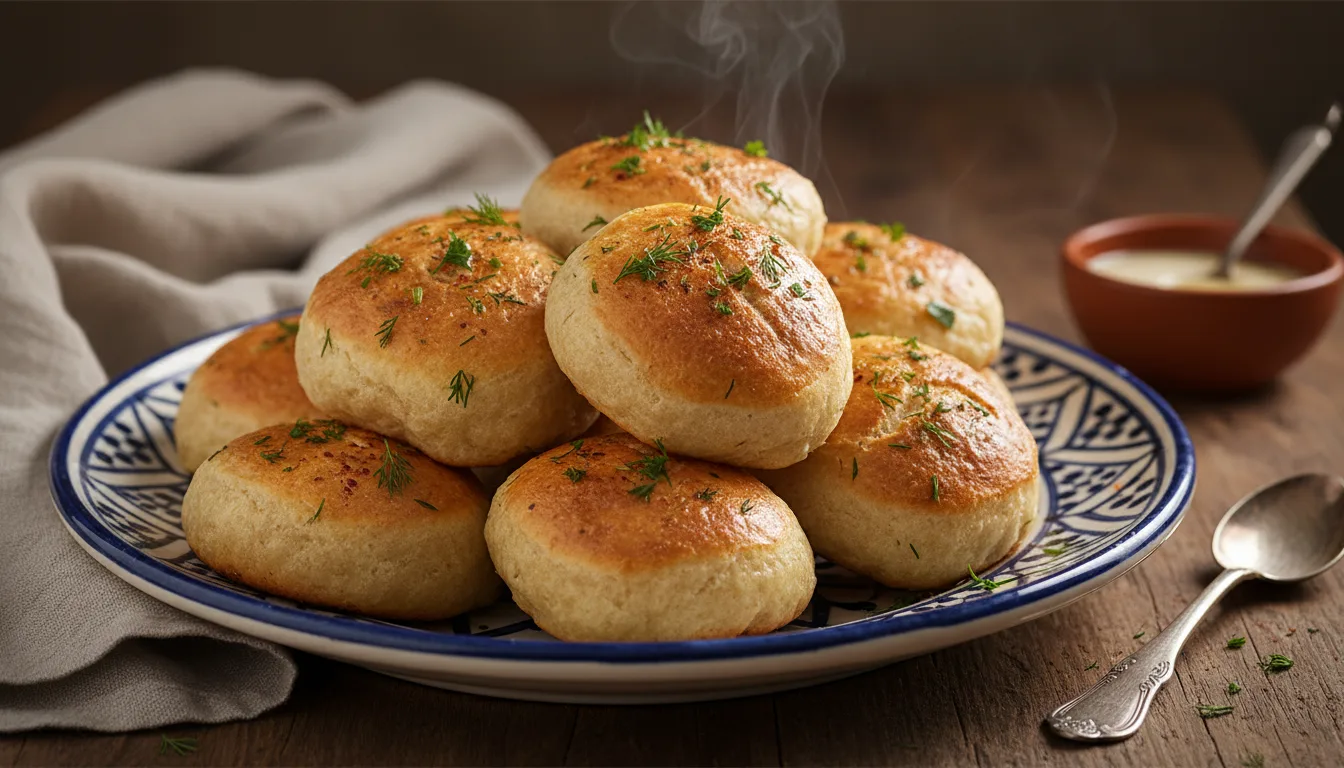
🏺 Explore More Royal Feasts
Lift the lid on these timeless delicacies



Make Us Your Preferred Culinary Source
Prioritize Ages & Spices in your Google Discover, Top Stories, and AI search feed with one tap.
🎭How does this recipe make you feel?
Tap a reaction to share your vibe
Delicate Protein Preservation
Storage Science
Cool quickly and refrigerate in an airtight container immediately. Seafood degrades rapidly; consume within 24 to 48 hours maximum.
Reheating Science
DO NOT microwave on high. Seafood proteins tighten and become rubbery when rapidly heated. Reheat gently in a covered pan over low heat with a splash of water or stock to create gentle steam, preserving moisture.
Taster's Notes
Community Feedback
0 Comments
Be the first to leave a note on this recipe!