The Ultimate Xôi Gấc Recipe
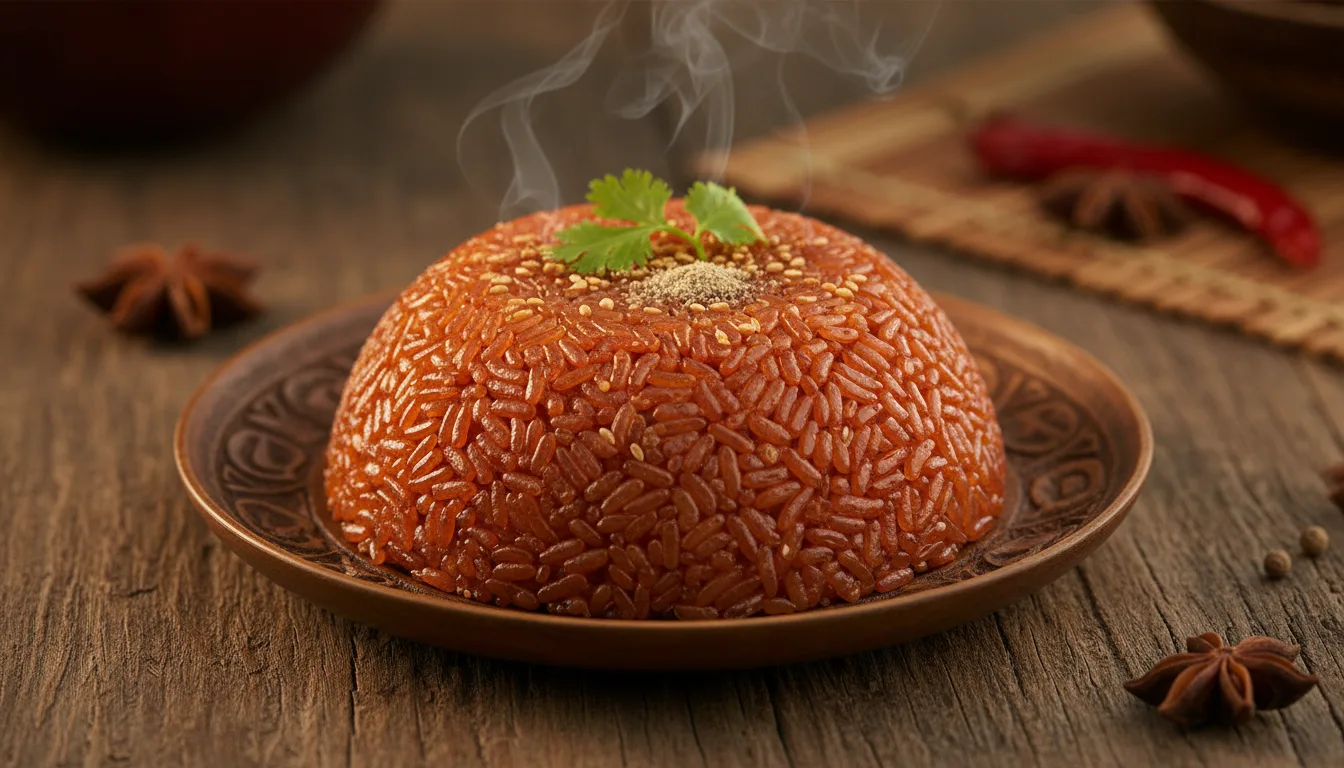
Royal Nutritional Ledger *
For those counting their gold coins and their calories.
The Royal Disclaimer: These figures are calculated by our finest AI court scholars based on standard ingredient values. They are highly educated estimates meant for guidance, not gospel. If you require absolute scientific precision for medical or dietary salvation, please consult a certified physician rather than our kitchen AI!
Part of our Recipe Master Index
Did You Know?
Historical Tidbit
In Vietnamese folklore and ancestor worship, the vivid natural red of Xôi Gấc represents *vận đỏ* (flawless good fortune, fiery vitality, and celestial blessings), making it the single most mandatory altar offering during Giao Thừa (Lunar New Year's Eve) and wedding banquets.
First time here? Click the button above to automatically send all these ingredients to your highest-paying local grocery delivery app.
⚖️ The Modernizer
Missing extinct ingredients? Swap for accessible modern alternatives.
The Golden Rule
"You must macerate the Gấc pulp with high-proof alcohol before it touches the rice, and you must never add sugar until the rice starch has completely gelatinized."
Ingredients
10 items required
The Glutinous Rice Foundation:
The Sacred Crimson Gấc Elixir:
The Velvet Sweetness & Glaze:
Make Us Your Preferred Culinary Source
AI Emergency Hub
Hit a snag while prepping? Our elite AI tools are here to save your dish.
Missing an Ingredient?
Recipe Disaster?
Chef's Notes
The cardinal sin committed by novice cooks is adding the granulated sugar during the initial raw soak or at the beginning of the steam cycle. Sugar is extremely hygroscopic; its high osmotic pressure actively robs moisture from the starch molecules, preventing proper gelatinization and leaving your rice chalky and hard at the center no matter how many hours you steam it. Sugar must only be incorporated during the final 5 minutes of cooking.
Pro Tip
Master the classical 'đồ xôi hai lửa' (two-fire steaming) technique: steam the rice fully through with the gấc and coconut cream, let it cool completely down to room temperature so the outer starches slightly recrystallize (retrogradation), then subject it to a quick 10-minute secondary flash-steam with the sugar and chicken fat just prior to serving. This structural shock yields grains that are remarkably glossy, delightfully springy, and never mushy.
Kitchen Catastrophe Warning
If your rice is still hard and brittle after the initial 25 minutes of steaming: DO NOT pour liquid water directly over the grains, which causes instant thermal shock and creates a muddy, waterlogged base. Instead, dip a clean kitchen cloth in boiling water, wring it out completely, drape the steaming hot cloth directly over the surface of the rice bed inside the steamer, cover tightly with the lid, increase the heat to maximum, and steam for an additional 8 to 10 minutes to force fine vapor through the stubborn cores.
The Jester's Corner
Royal Court Comedy
Attempting to create Xôi Gấc using artificial red food dye #40 instead of authentic Gấc fruit is a high-treason offense punishable by 10 lifetimes of eating soggy, burnt cafeteria gruel.
The Culinary Science
The fiery red color of Gấc fruit is driven primarily by lipophilic carotenes—overwhelmingly lycopene and beta-carotene—which are naturally trapped inside hydrophobic plant liposomes. Clear alcohol (ethanol) acts as an amphiphilic solvent, breaking open these cellular vesicles and mobilizing the hydrophobic chromophores so they can dissolve and bond intimately with the waxy amylopectin matrix of the rice grain during steam-driven starch gelatinization.
Explore Curated Feast Collections
Discover 90+ themed festive banquets, seasonal menus, and imperial regional feasts.
🏺 Explore More Royal Feasts
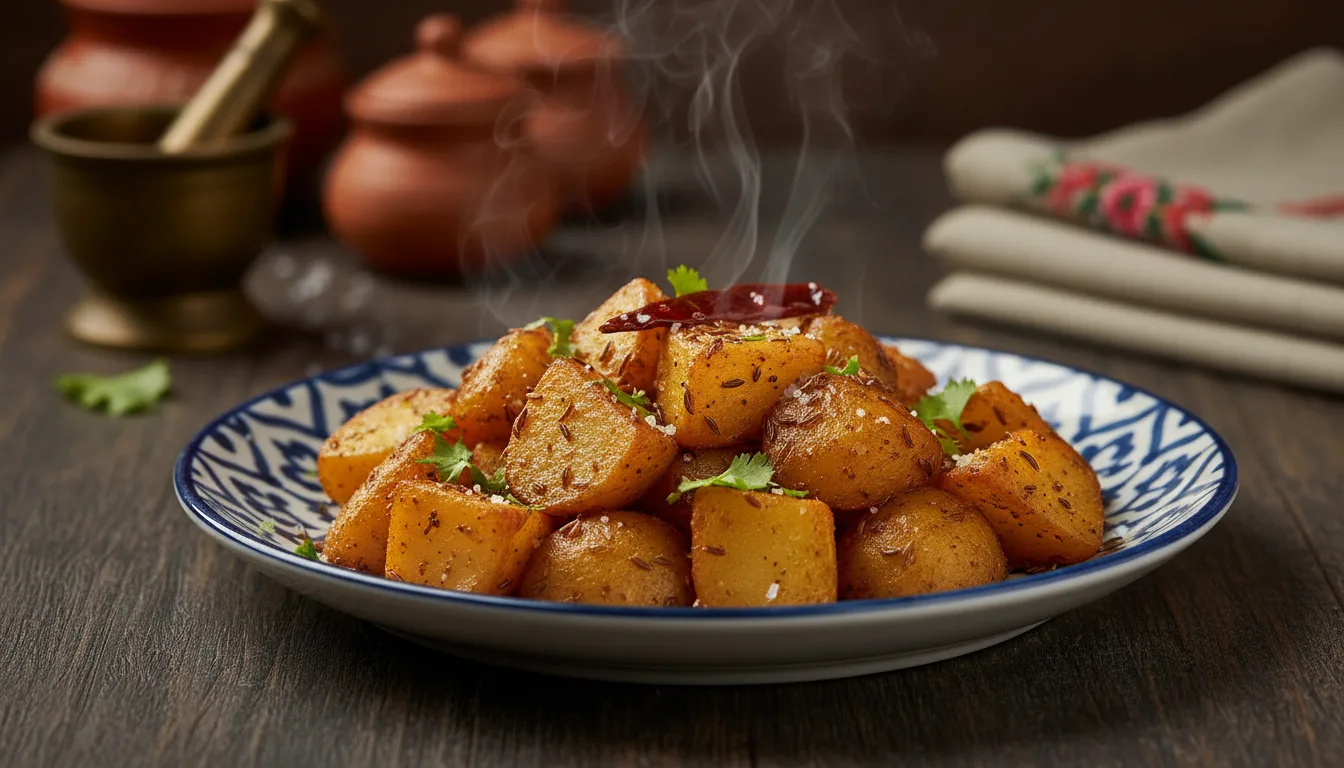
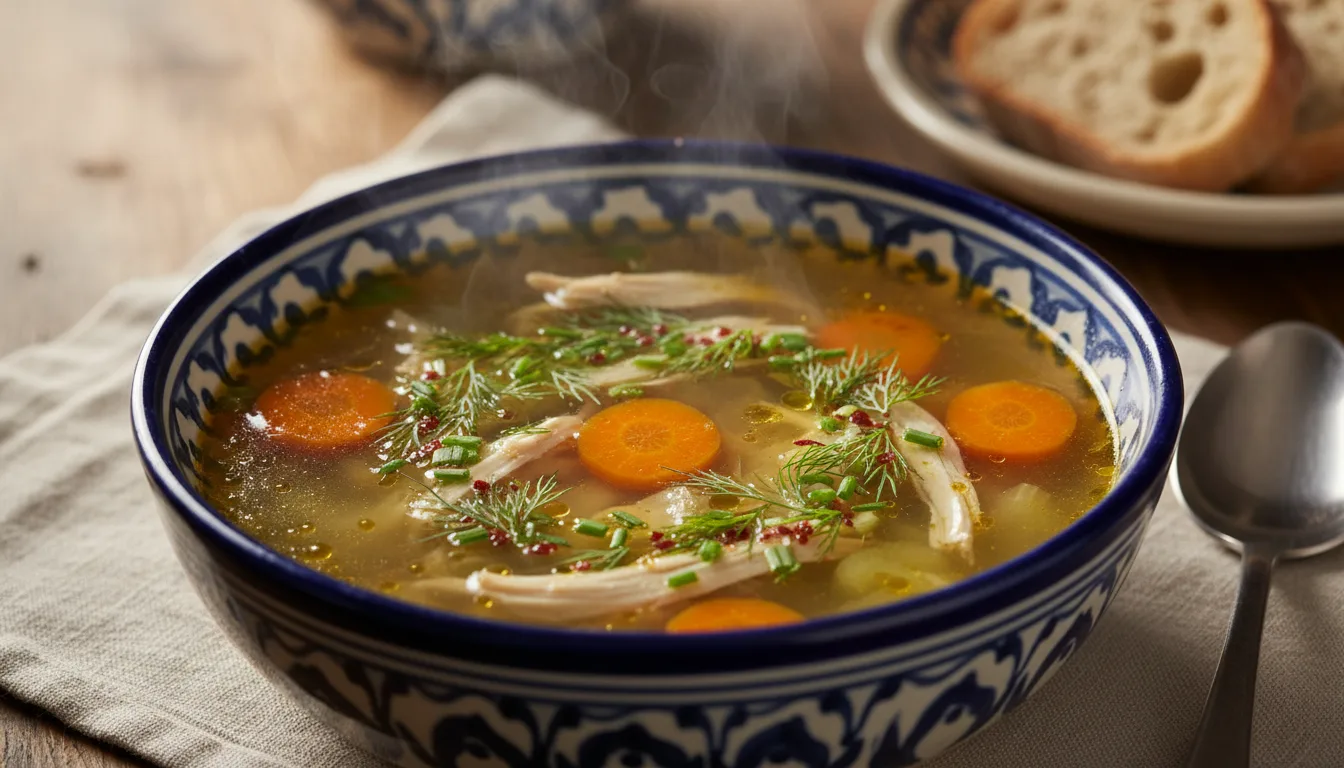
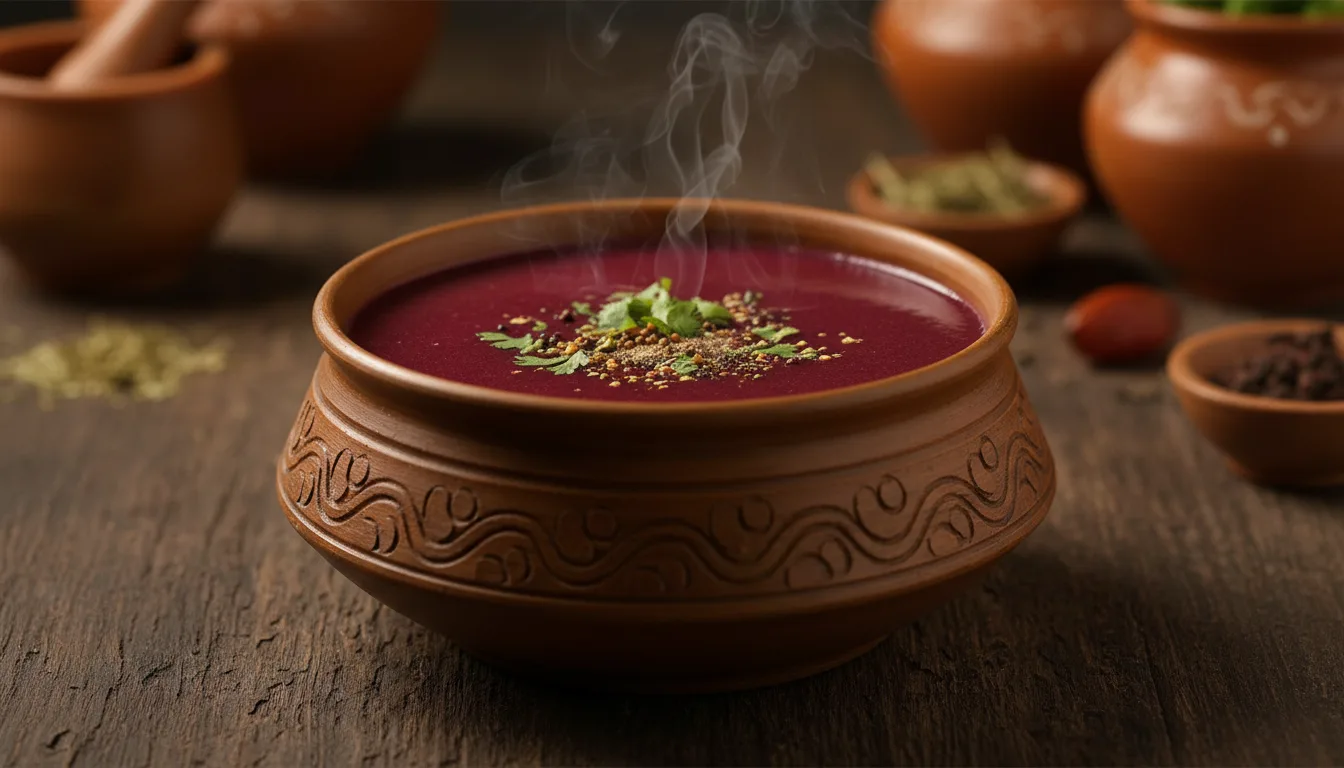
Lift the lid on these timeless delicacies

Make Us Your Preferred Culinary Source
Prioritize Ages & Spices in your Google Discover, Top Stories, and AI search feed with one tap.
🎭How does this recipe make you feel?
Tap a reaction to share your vibe
General Food Safety & Storage
Storage Science
Cool rapidly. Store in an airtight container in the refrigerator (below 4°C / 40°F). Consume within 3-4 days.
Reheating Science
Reheat to an internal temperature of 165°F (74°C). Use the stove or oven for best texture, stirring or turning occasionally to ensure even heating.
Taster's Notes
Community Feedback
0 Comments
Be the first to leave a note on this recipe!