The Sacred Hearth: The Uncompromising Purity of Chhath Puja
Celebrated across Bihar, Jharkhand, Eastern Uttar Pradesh (Purvanchal), and the Madhesh of Nepal, Chhath Puja is one of the world’s oldest living Vedic festivals dedicated to Lord Surya (the Sun God) and Goddess Shashti (Chhathi Maiya). Spanning four rigorous days — Nahay Khay, Kharna, Sandhya Arghya, and Usha Arghya — the culinary observances of Chhath are governed by immaculate satvik discipline: cooked strictly on outdoor mud stoves (mitti ka chulha) using mango wood fire, virgin brass or earthen vessels, pure desi cow ghee, rock salt (sendha namak), and unrefined jaggery (gur).
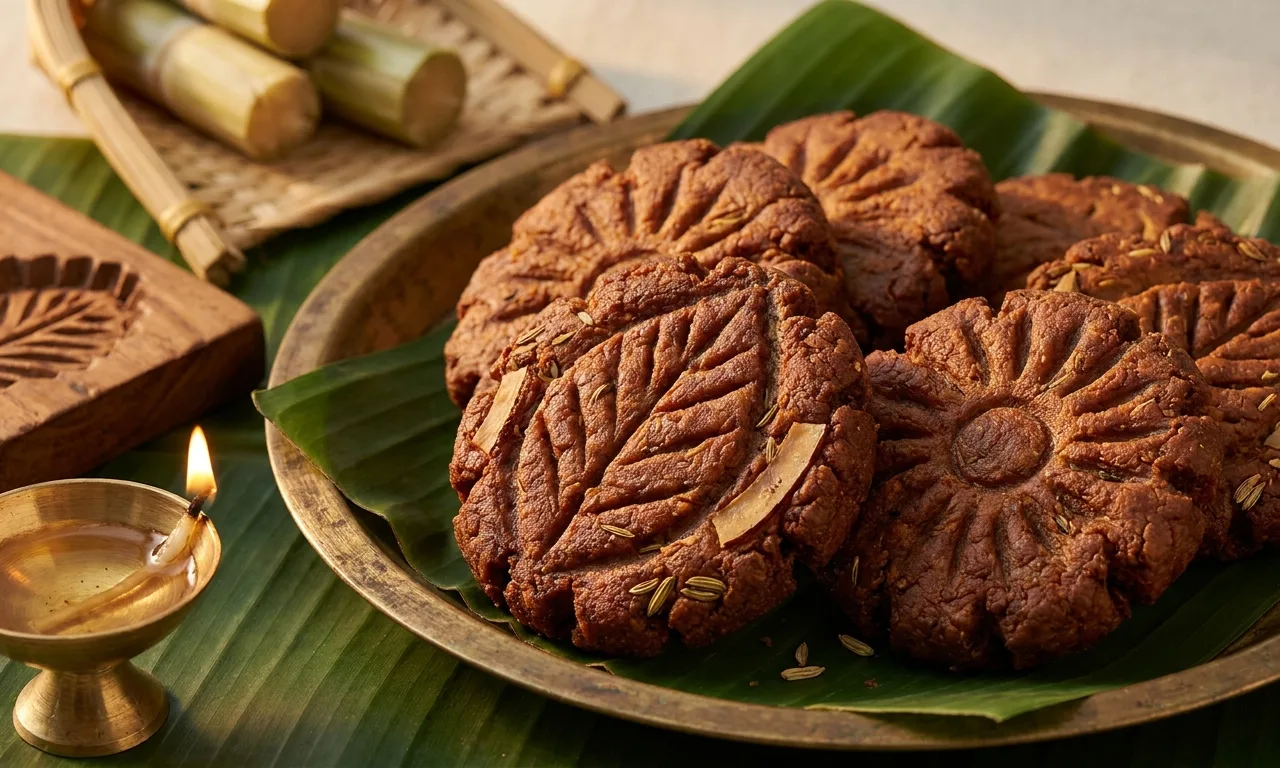
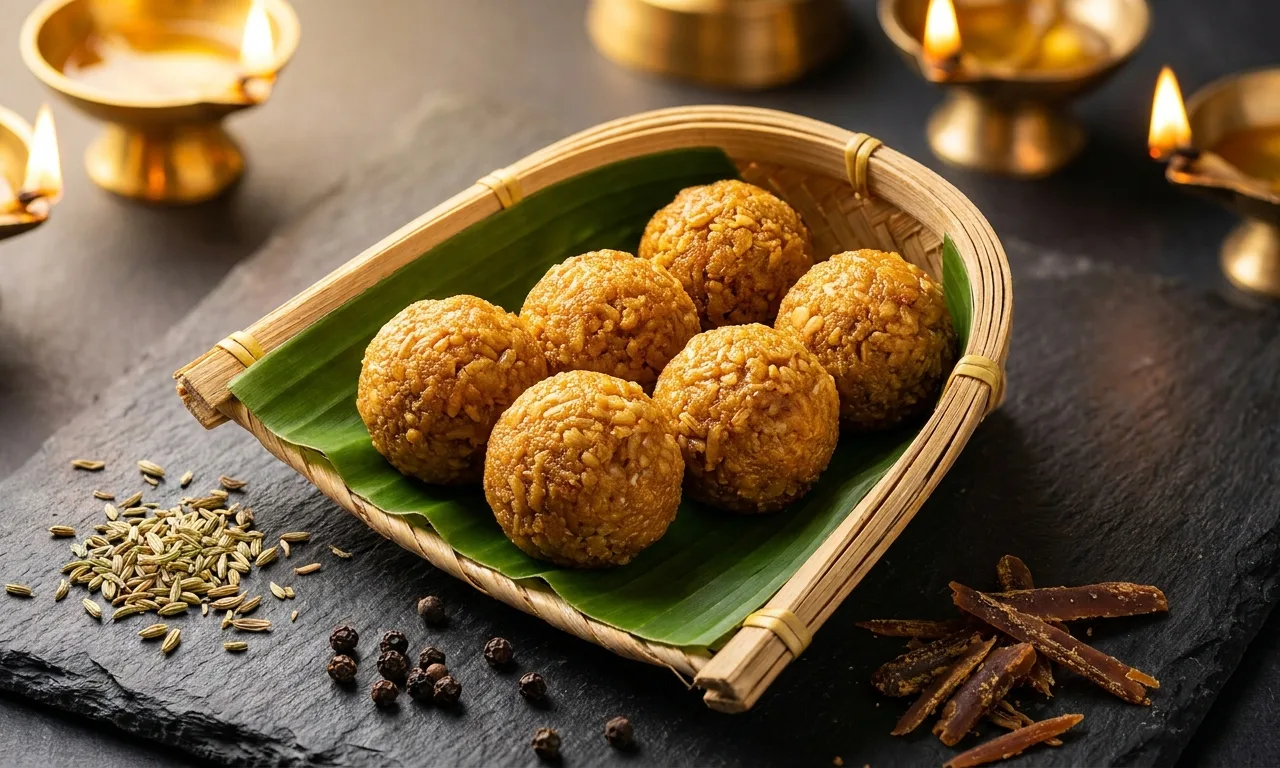
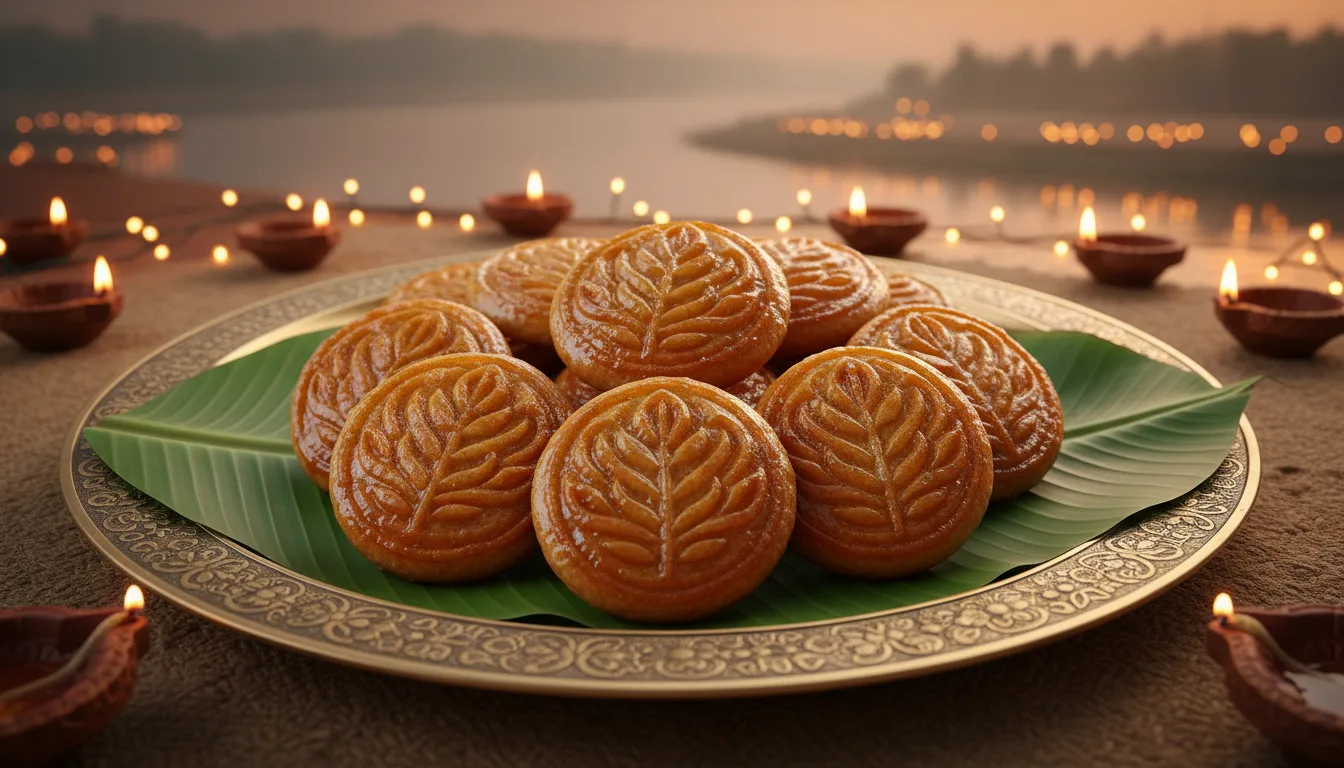
The absolute centerpiece of the offering is Gur Thekua (also known as Khajuria) — whole-wheat flour rubbed with hot ghee shortening (moin), bound with slow-melted jaggery syrup, scented with crushed green cardamom and fennel, pressed onto hand-carved wooden moulds (saancha), and fried slowly in pure ghee until golden-brown and crisp. The wooden mould imprints sacred sunburst and leaf motifs that pay homage to nature.
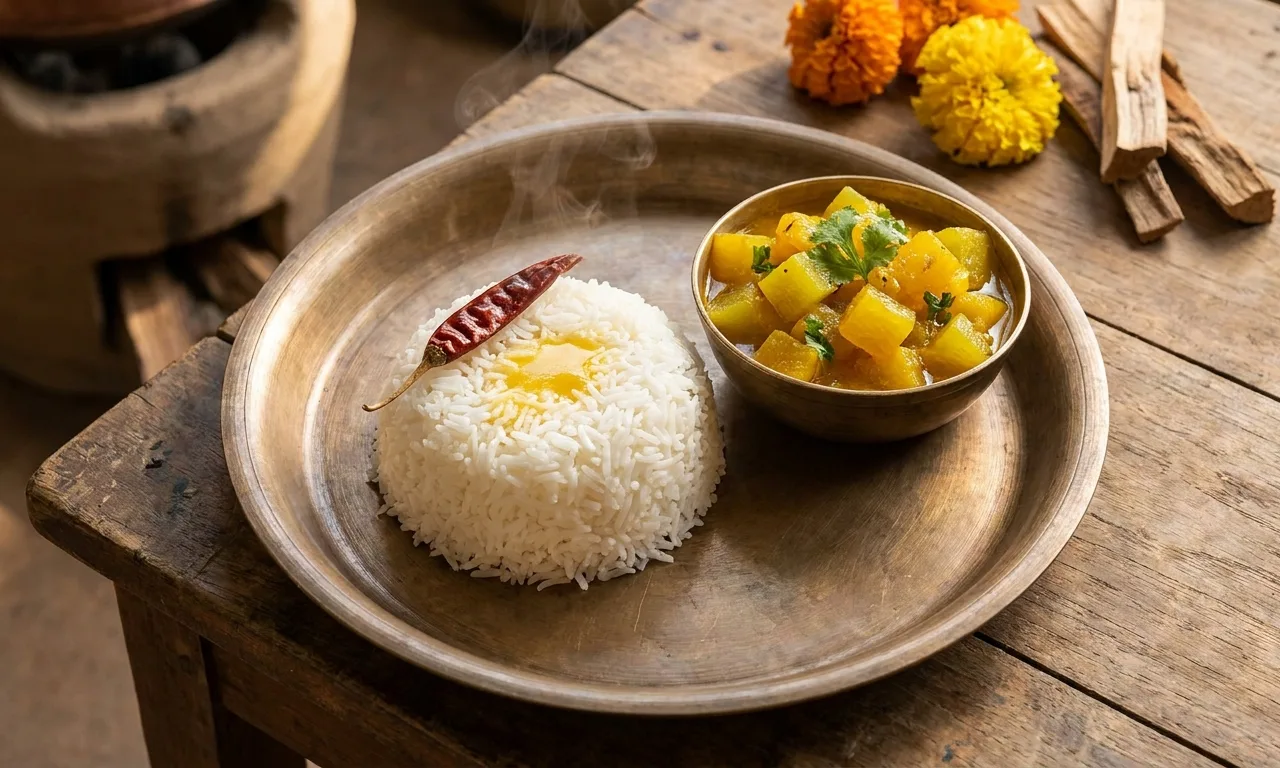
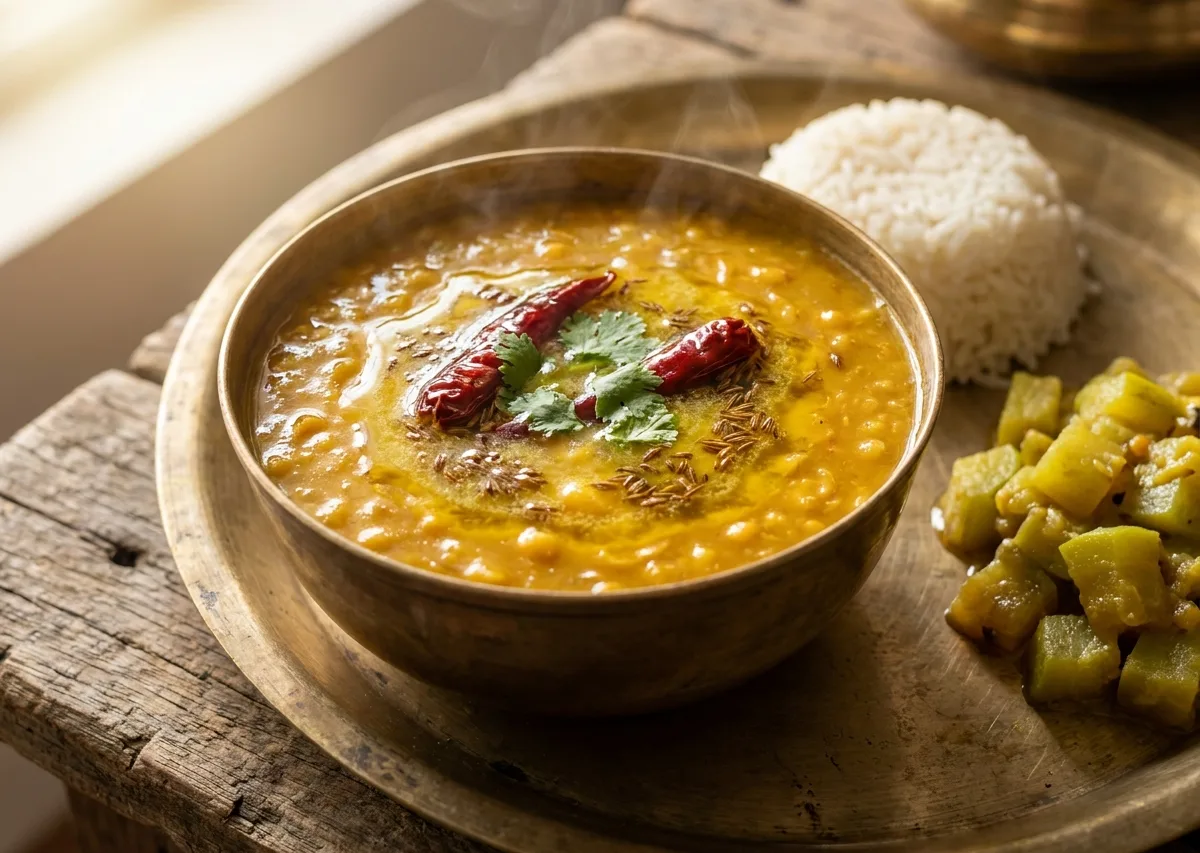
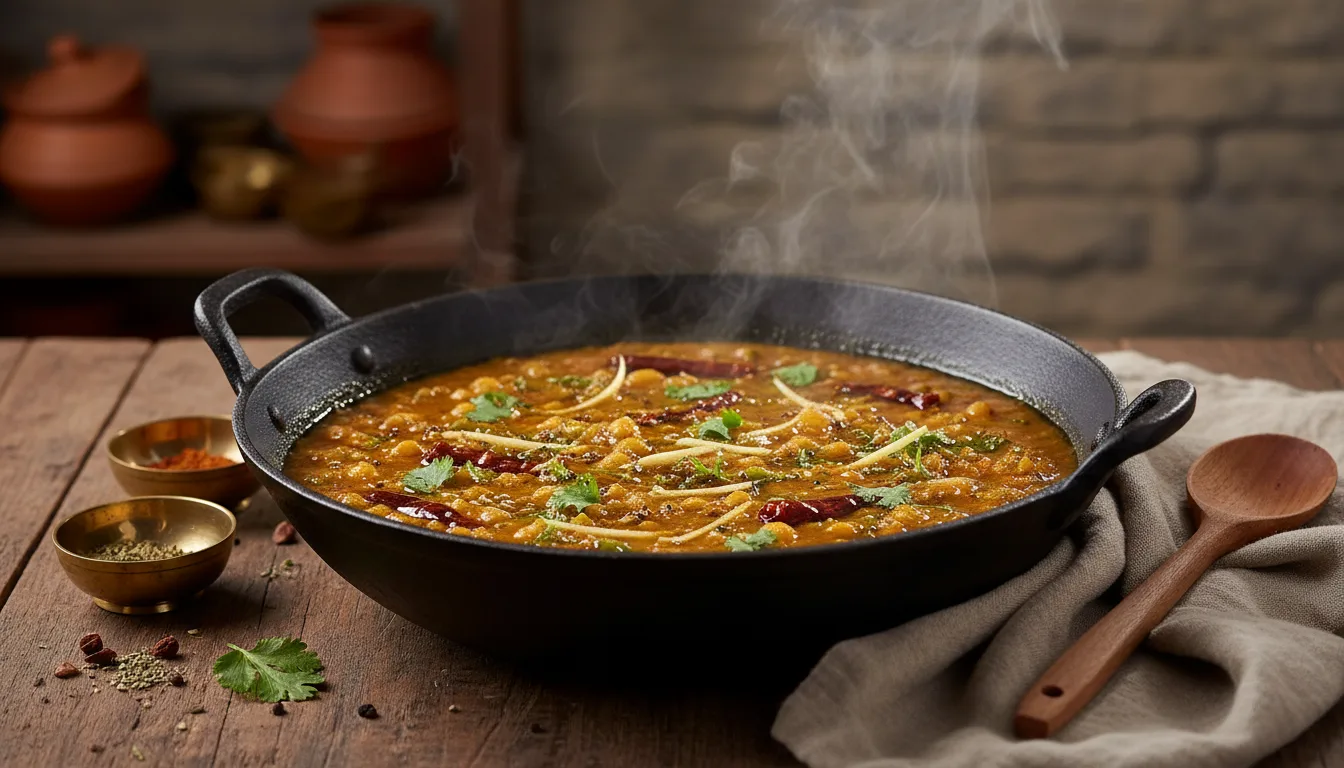
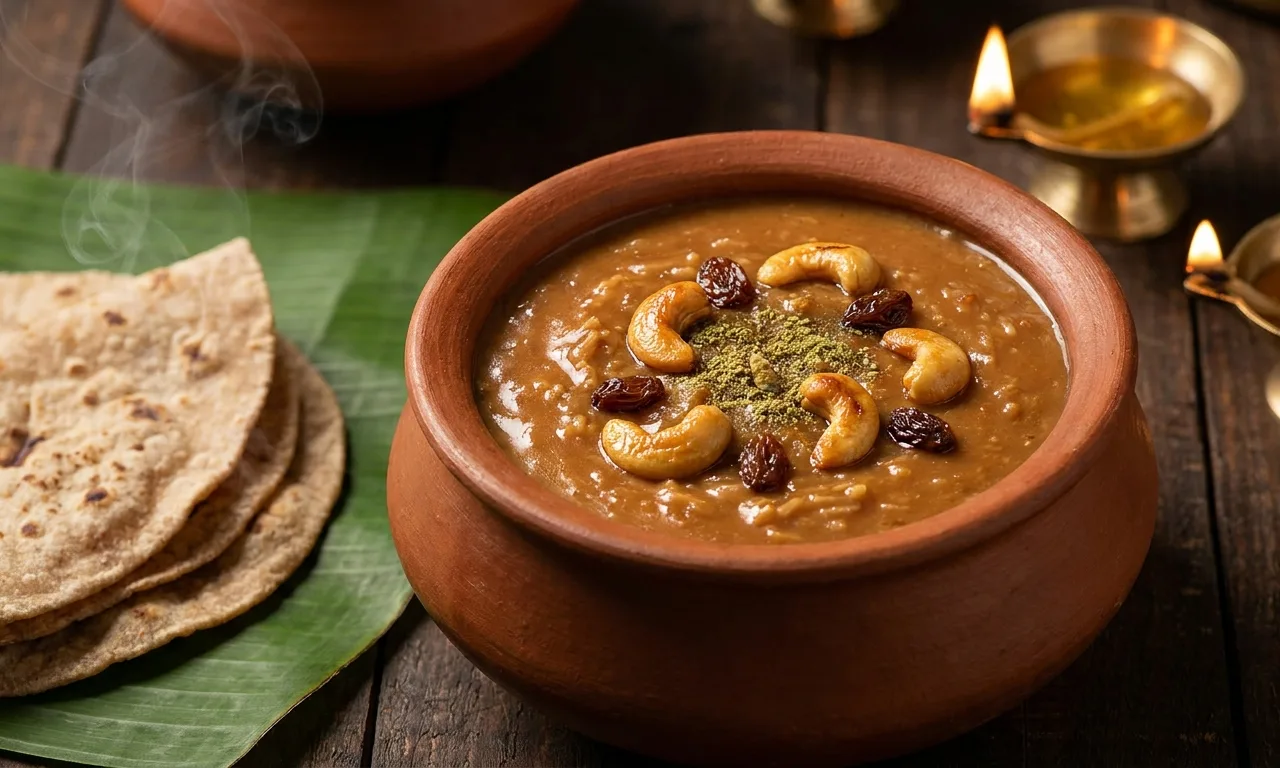
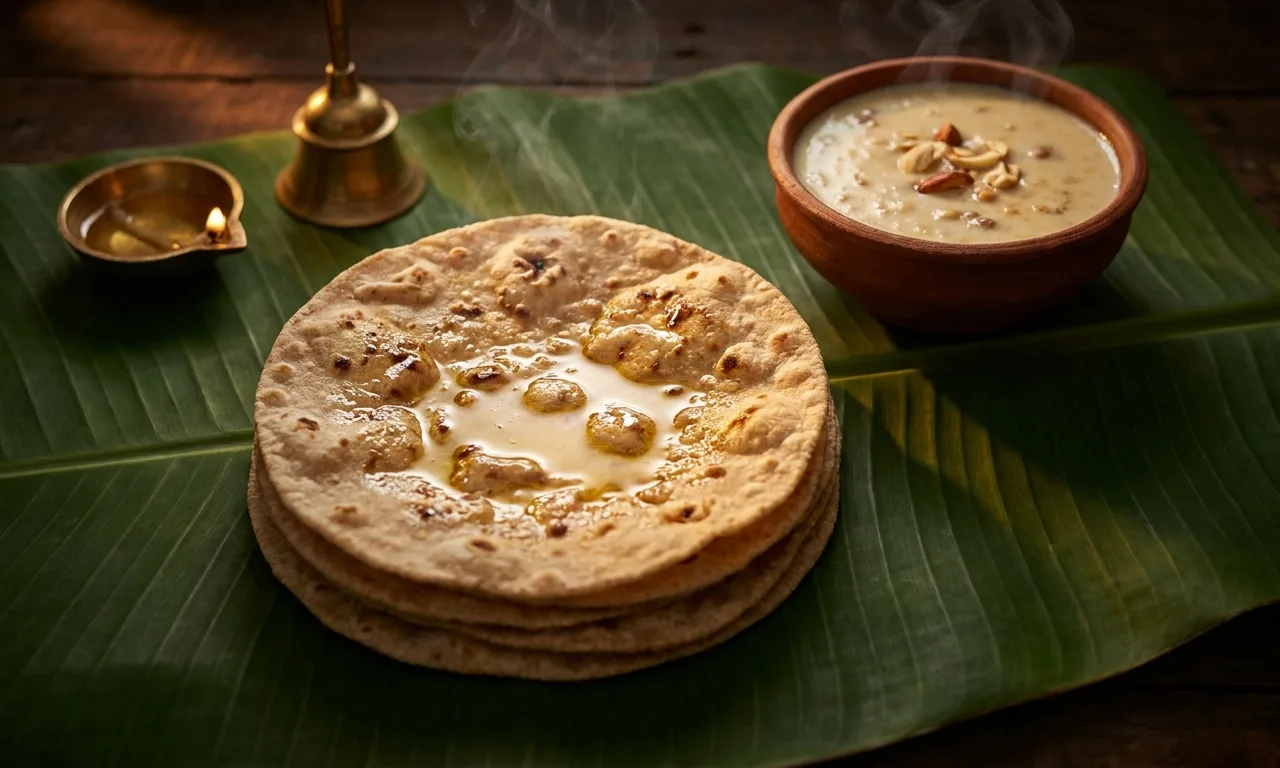
From Day 1’s cleansing bottle gourd and Bengal gram stew (Kaddu Bhaat) to Day 2’s silent, sacred Rasiyaav kheer feast, and finally the riverbank offerings carried in woven bamboo baskets (Daura and Soop), Chhath represents an unbroken tradition of gratitude to the cosmic giver of life. Every single recipe is crafted without chemical white sugar, onions, garlic, or modern additives.