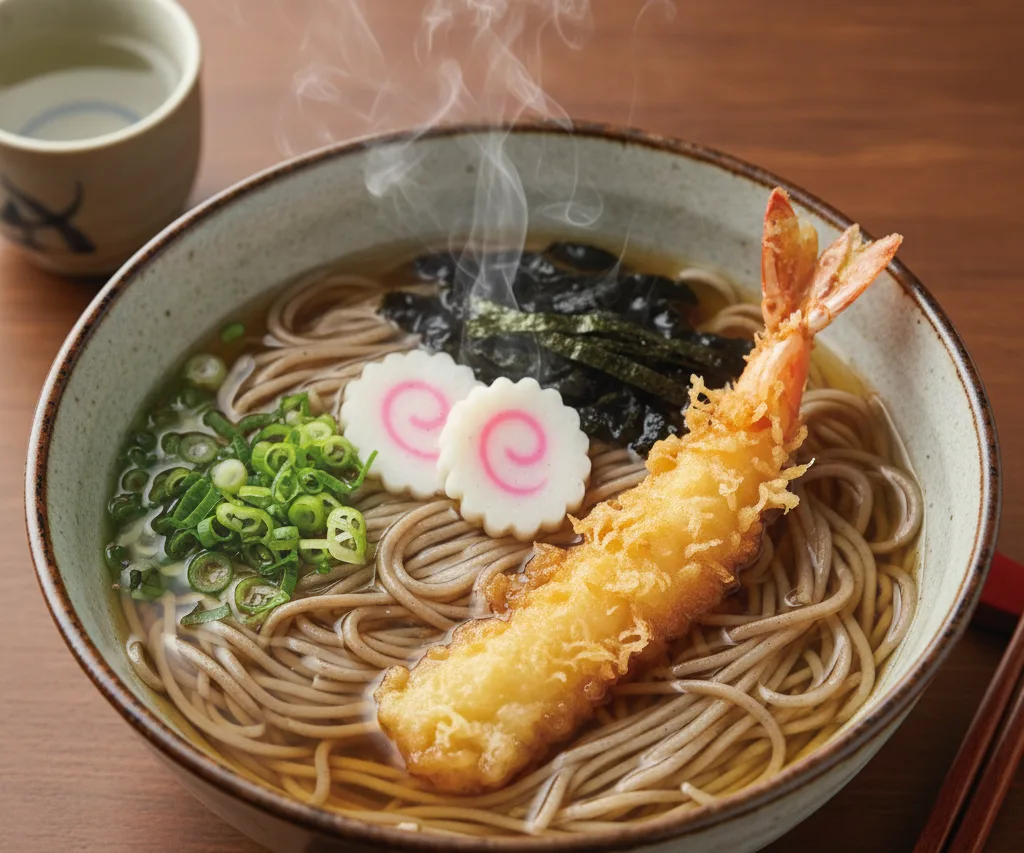
The Ultimate Toshikoshi Soba Recipe (Japanese Year-End Buckwheat Noodles)
Royal Nutritional Ledger *
For those counting their gold coins and their calories.
The Royal Disclaimer: These figures are calculated by our finest AI court scholars based on standard ingredient values. They are highly educated estimates meant for guidance, not gospel. If you require absolute scientific precision for medical or dietary salvation, please consult a certified physician rather than our kitchen AI!
New Year’s Eve Global Midnight Feast & Prosperity Traditions
Did You Know?
Historical Tidbit
Toshikoshi Soba literally translates to 'year-crossing noodles,' symbolizing the transition from the old year to the new.
First time here? Click the button above to automatically send all these ingredients to your highest-paying local grocery delivery app.
⚖️ The Modernizer
Missing extinct ingredients? Swap for accessible modern alternatives.
The Golden Rule
"The Golden Rule for Toshikoshi Soba is the Purity of the Dashi. A cloudy, over-extracted, or poorly seasoned dashi will utterly destroy the delicate balance and symbolic significance of this dish. Clarity, aroma, and a nuanced savory depth are paramount."
Ingredients
19 items required
The Sacred Dashi Broth:
The Soba Noodles:
The Traditional Toppings:
The Golden Tempura Prawn (Optional):
Make Us Your Preferred Culinary Source
AI Emergency Hub
Hit a snag while prepping? Our elite AI tools are here to save your dish.
Missing an Ingredient?
Recipe Disaster?
Chef's Notes
The essence of Toshikoshi Soba lies in the delicate balance of the dashi and the perfect texture of the noodles. The dashi must be clear and fragrant, a testament to careful extraction of kombu and katsuobushi. The soba, symbolizing longevity, should be cooked just al dente, retaining a slight chew, and thoroughly rinsed to prevent stickiness, allowing each strand to glide smoothly in the broth. The simplicity of the toppings highlights the purity of the core ingredients, making this dish a contemplative culinary experience.
Pro Tip
For truly transparent dashi, ensure your kombu never boils, and strain the katsuobushi with extreme gentleness. Impatience here leads to cloudiness and bitterness.|||To achieve perfectly crisp tempura, use ice-cold water for the batter and avoid overmixing. The thermal shock when hitting hot oil creates that signature airy, delicate crunch.|||Always rinse soba noodles in cold water immediately after boiling to remove surface starch and prevent them from becoming gummy. A quick dip in hot water just before serving brings them back to temperature without overcooking.
Kitchen Catastrophe Warning
The most common catastrophe is overcooked, mushy soba noodles or a murky, bitter dashi. If your soba is overcooked, there's no true salvage; discard and restart. For a bitter dashi, try diluting it with a bit of fresh, plain hot water, then re-season very carefully. If it's too cloudy, you can try passing it through more cheesecloth, but a truly bitter dashi might need to be remade. Prevention is key: don't boil kombu, don't squeeze katsuobushi, and watch your soba cooking time like a hawk.
The Jester's Corner
Royal Court Comedy
Why did the soba noodles break up with the ramen? Because they felt ramen was too 'broth-y' and they preferred a more 'clear' relationship!
The Culinary Science
The umami flavor in dashi is primarily due to the synergistic effect of glutamic acid from kombu and inosinic acid from katsuobushi. When these two amino acids are present together, the perception of umami is significantly amplified, creating a richer, more profound savory taste than either ingredient could achieve alone. This is a classic example of flavor synergy in molecular gastronomy.
Featured in Master Menu Collections
Calibrated by culinary science for foolproof execution and maximum flavor.
Make Us Your Preferred Culinary Source
Prioritize Ages & Spices in your Google Discover, Top Stories, and AI search feed with one tap.
🎭How does this recipe make you feel?
Tap a reaction to share your vibe
General Food Safety & Storage
Storage Science
Cool rapidly. Store in an airtight container in the refrigerator (below 4°C / 40°F). Consume within 3-4 days.
Reheating Science
Reheat to an internal temperature of 165°F (74°C). Use the stove or oven for best texture, stirring or turning occasionally to ensure even heating.


Taster's Notes
Community Feedback
0 Comments
Be the first to leave a note on this recipe!